Coolest Facts About the Skeletal System: What Patients Need to Know
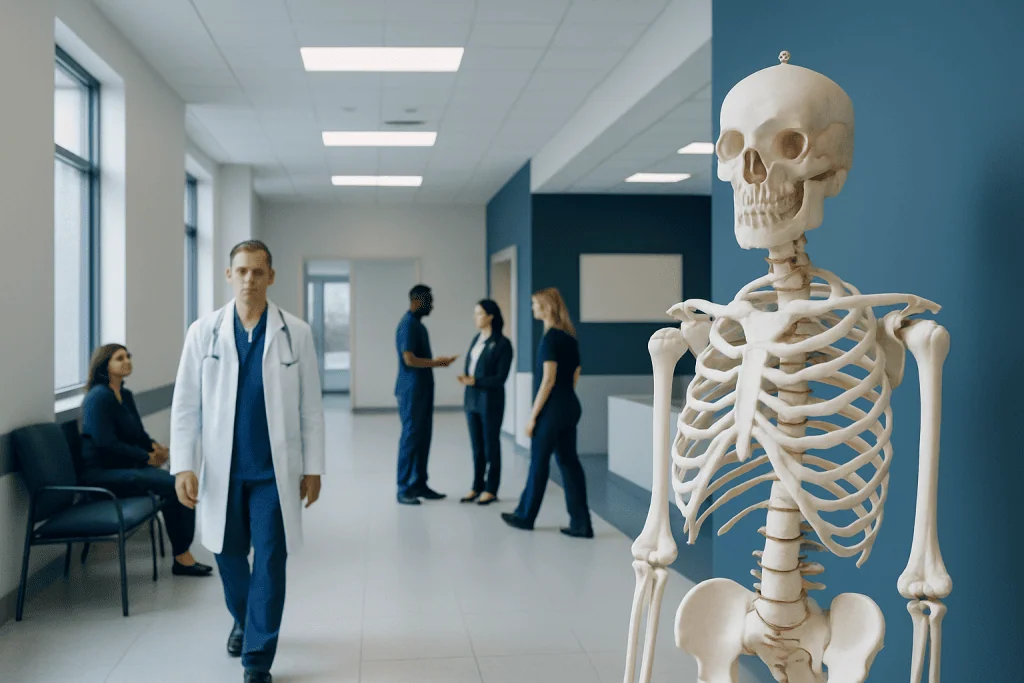
The skeleton is a living organ system, not a fixed frame. Bones protect vital organs, store minerals, and help make blood cells.
Key Takeaways
- The skeleton is a living organ system, not a fixed frame.
- Bones protect vital organs, store minerals, and help make blood cells.
- Bone tissue is constantly broken down and rebuilt throughout life.
- Diet, exercise, hormones, and age all affect bone strength.
- Persistent pain, deformity, or a fracture after a minor fall should be medically assessed.
The coolest facts about the skeletal system are not just trivia: they explain how bones protect the body, support movement, produce blood cells, and stay alive through constant renewal. Understanding these basics can help patients recognize why bone health matters at every age.
Overview: the most useful facts about the skeletal system
The coolest facts about the skeletal system are also some of the most useful ones for patients. The skeleton does much more than hold the body upright: it protects the brain, heart, and lungs; works with muscles to create movement; stores important minerals such as calcium and phosphorus; and contains bone marrow, where many blood cells are made.
Another key fact is that bone is living tissue. It has blood vessels, nerves, and cells that continually remove old bone and build new bone. This means the skeleton can adapt to activity, recover after injury, and also weaken over time if it is affected by aging, low hormone levels, poor nutrition, certain medications, or medical conditions.
Adults usually have 206 bones, while babies are born with more separate bones that gradually fuse as they grow. Bones come in several shapes, including long bones like the femur, flat bones like the skull, and small irregular bones such as the vertebrae. Each shape is designed for a specific role in protection, movement, or support.
Why the skeleton is more than a framework
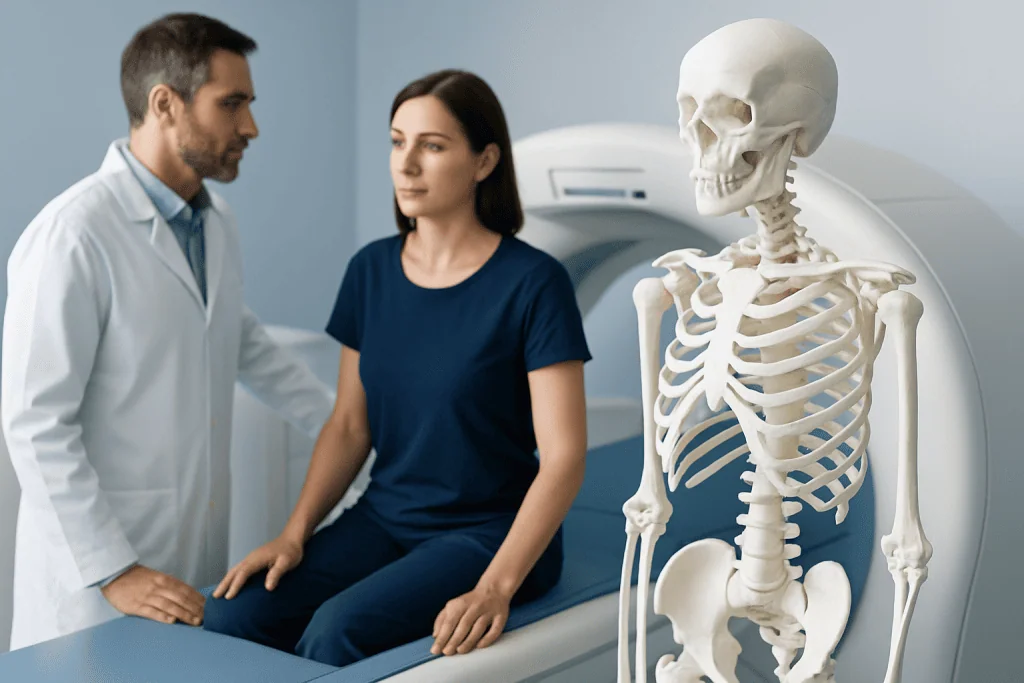
One of the most interesting skeletal system facts is that bones are active participants in overall health. Bone marrow inside certain bones produces red blood cells, white blood cells, and platelets. Without healthy marrow, the body cannot carry oxygen efficiently, fight infection normally, or form clots properly after bleeding.
The skeleton also serves as a mineral reservoir. When the body needs calcium for normal nerve signaling, muscle contraction, and heart rhythm, it can draw from bone stores. This is one reason long-term low calcium intake or conditions that affect vitamin D can gradually reduce bone strength.
Joints, cartilage, ligaments, and tendons help the skeleton perform smoothly. Bones meet at joints, while cartilage cushions the contact surfaces. Ligaments connect bone to bone, and tendons connect muscle to bone. Together, these structures make standing, walking, lifting, and even breathing possible.
- Protection: skull, ribs, and spine shield major organs.
- Movement: bones act as levers for muscles.
- Blood formation: bone marrow produces blood cells.
- Mineral storage: bones store calcium and phosphorus.
How bones grow, repair, and renew themselves
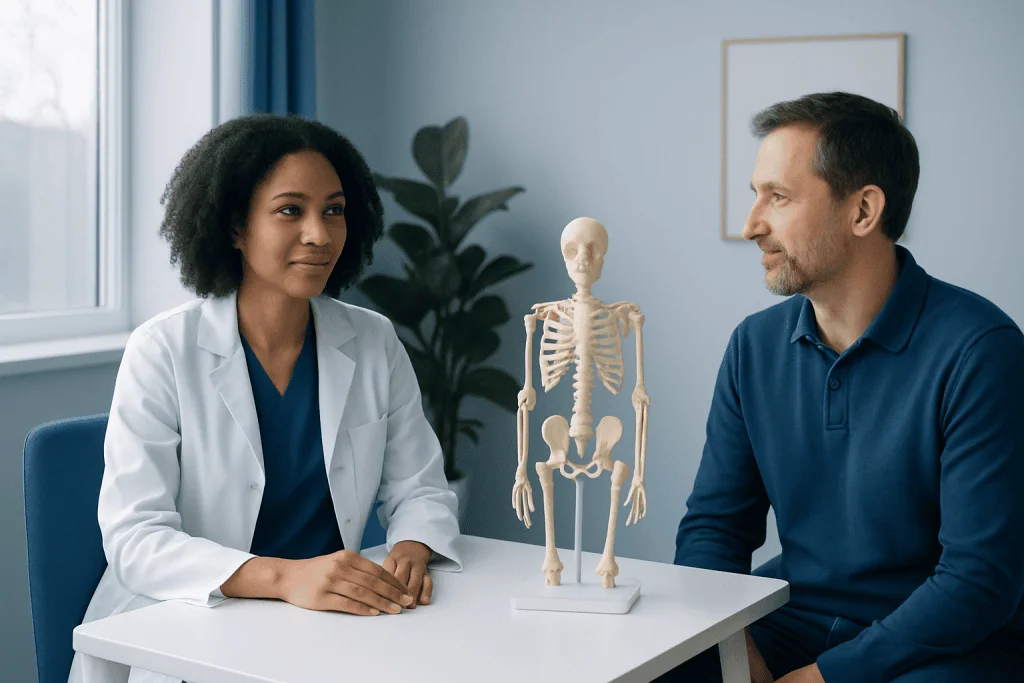
A fact many people find surprising is that the skeleton is constantly remodeling. Specialized cells called osteoclasts break down older bone, while osteoblasts help build new bone. This balanced process helps maintain strength, repair tiny areas of wear, and respond to physical stress such as walking or resistance exercise.
During childhood and adolescence, bone formation usually exceeds bone breakdown, allowing bones to grow in size and density. Peak bone mass is typically reached in early adulthood. After that, maintaining bone becomes especially important because the balance can gradually shift toward bone loss, particularly after menopause or with reduced physical activity.
Bones can also heal remarkably well after fractures, but healing depends on factors such as age, blood supply, nutrition, smoking status, and whether the broken pieces are well aligned. In some situations, evaluation by an orthopedic specialist and imaging are needed to guide recovery. Patients with fractures, persistent pain, or joint damage may need assessment for related bone and joint conditions such as [[DISEASE:orthopedics/osteoporosis|osteoporosis]] or structural injury.
Common problems that can affect the skeletal system
Because the skeleton is living tissue, it can be affected by both injury and disease. Fractures, overuse injuries, joint wear, spinal disorders, and metabolic bone conditions are among the most common concerns. Some problems develop suddenly after trauma, while others appear gradually with aging or repeated stress.
Osteoporosis is one of the most important bone health conditions because it weakens bone structure and raises the risk of fractures, especially in the hip, spine, and wrist. Arthritis affects joints rather than the bone alone, but it can strongly influence mobility and quality of life. Back pain may sometimes be related to muscle strain, but it can also reflect a vertebral problem or disc disease such as [[DISEASE:orthopedics/herniated-disc|herniated disc]] in selected cases.
Bone and joint symptoms should not be ignored when they are persistent, severe, or interfering with daily life. Problems that deserve medical review include pain that lasts for weeks, swelling around a joint, reduced range of motion, changes in posture, repeated fractures, or pain that follows even a minor fall. Early evaluation can help distinguish between temporary strain and a condition that needs specific treatment.
What affects bone strength and long-term skeletal health
Bone strength is influenced by many factors across the lifespan. Genetics play a role, but lifestyle and medical history also matter. Weight-bearing activity helps stimulate bone formation, while long periods of inactivity can contribute to bone loss. Good nutrition, especially adequate calcium, protein, and vitamin D, supports normal remodeling and repair.
Hormones are another major influence. Estrogen and testosterone help maintain bone density, so changes related to menopause, aging, or certain endocrine disorders may increase fracture risk. Some medicines, including long-term corticosteroids, can weaken bones over time. Smoking and heavy alcohol use are also linked with poorer bone quality and slower healing.
Patients may benefit from medical assessment if they have risk factors such as a family history of osteoporosis, very low body weight, prior fragility fracture, chronic inflammatory disease, digestive conditions that reduce nutrient absorption, or prolonged immobility. In people with pain, instability, or severe degenerative changes, treatment planning may sometimes include knee replacement or hip replacement when conservative approaches are no longer effective.
How doctors evaluate bone and joint concerns
Assessment usually begins with a detailed history and physical examination. A doctor may ask when symptoms began, whether there was an injury, which activities make the pain worse, and whether there are signs such as swelling, weakness, numbness, fever, or morning stiffness. The pattern of symptoms often helps narrow the possible causes.
Imaging tests can provide important detail. X-rays are commonly used to look for fractures, alignment problems, or arthritis changes. MRI may be used when soft tissues, spinal structures, or hidden bone injuries need further evaluation. Bone density testing can help identify low bone mass and estimate fracture risk in people with osteoporosis risk factors.
Blood tests are sometimes useful when doctors suspect vitamin deficiencies, inflammation, infection, hormone-related problems, or metabolic bone disease. If a fracture is complex, a joint is severely damaged, or a spinal condition is present, referral for specialized care may be appropriate. Depending on the diagnosis, treatment may range from lifestyle measures and medication to rehabilitation or procedures such as spine surgery.
Prevention and self-care for a healthier skeleton
Many of the best ways to support skeletal health are simple and practical. Regular weight-bearing exercise, strength training, balance work, and good posture can help maintain bone density and reduce falls. Activities should be adapted to age, fitness level, and any existing medical condition, especially after injury or surgery.
Nutrition matters every day, not just later in life. A balanced eating pattern that includes calcium-rich foods, enough protein, and adequate vitamin D supports bone remodeling. Safe sunlight exposure, when appropriate, and medical guidance about supplements can also help if intake is low or deficiency is suspected.
Self-care also includes avoiding tobacco, limiting alcohol, and creating a safer home environment to reduce fall risk. Supportive footwear, vision checks, and review of medications that cause dizziness can be important, particularly for older adults. Near the end of the care pathway, some international patients may choose centers such as Acibadem International, where multidisciplinary specialists in JCI-accredited hospitals diagnose and treat bone, joint, and spine conditions.
When to seek medical care
Medical care is advisable if bone, joint, or back pain is severe, follows an injury, or does not improve with rest and simple measures. A person should also seek assessment for visible deformity, inability to bear weight, repeated falls, joint swelling, sudden loss of movement, or symptoms that interrupt sleep or normal activities.
Urgent evaluation is important after a suspected fracture, head injury, or major trauma. Immediate medical attention is also needed if pain occurs with numbness, weakness, loss of bladder or bowel control, fever, or signs of infection around a bone or joint. These symptoms can point to conditions that require prompt treatment.
Even without an emergency, preventive evaluation can be helpful for those at high risk of bone loss. People with a strong family history of osteoporosis, past fragility fractures, menopause-related concerns, or long-term steroid use may benefit from discussing bone health screening with a qualified doctor.
Frequently asked questions
What are the coolest facts about the skeletal system?
Some of the coolest facts about the skeletal system are that bones are living tissue, bone marrow makes blood cells, and bones constantly rebuild themselves. The skeleton also protects vital organs, stores minerals, and works with muscles to create movement.
How many bones are in the human body?
Most adults have 206 bones. Babies are born with more separate bones, and some of these fuse together as they grow.
Are bones really alive?
Yes. Bones contain living cells, blood vessels, and nerves, and they are continuously being broken down and rebuilt through a process called remodeling.
What helps keep bones strong?
Regular weight-bearing exercise, strength training, enough calcium and vitamin D, and adequate protein all support bone health. Avoiding smoking, limiting alcohol, and reducing fall risk are also important.
What is the difference between bones and joints?
Bones are the hard structures that form the body's framework. Joints are the places where bones meet, allowing movement with the help of cartilage, ligaments, muscles, and tendons.
When should someone worry about bone pain?
Bone or joint pain should be medically assessed if it is severe, follows an injury, keeps returning, or lasts for more than a short period. Swelling, deformity, inability to bear weight, numbness, or fever are additional reasons to seek care promptly.
References
- National Institute of Arthritis and Musculoskeletal and Skin Diseases
- National Institutes of Health
- Centers for Disease Control and Prevention
- MedlinePlus
- American Academy of Orthopaedic Surgeons
This article is for general information only and is not a substitute for professional medical advice. Please consult a qualified doctor about your individual situation.
Explore treatments in Turkey — costs, top hospitals & a free quote
JCI-accredited · board-certified surgeons · reply within 24h