Difference Between Influenza a and B: What Patients Need to Know

Influenza A and B both cause seasonal flu and often produce very similar symptoms. Influenza A is more likely to mutate and contribute to larger community outbreaks.
Key Takeaways
- Influenza A and B both cause seasonal flu and often produce very similar symptoms.
- Influenza A is more likely to mutate and contribute to larger community outbreaks.
- Influenza B usually circulates only in humans and can still cause serious illness, especially in children, older adults, and high-risk groups.
- Testing may identify whether a person has influenza A or B, but treatment and supportive care are often similar.
- Annual flu vaccination helps protect against both influenza A and influenza B strains.
The difference between influenza A and B is mainly how the viruses are classified and how they behave in the community. Both can cause the same familiar flu symptoms, but influenza A tends to change more over time and is more often linked with broader seasonal outbreaks.
Overview: how influenza A and B are different
The difference between influenza A and B is mostly about the virus family and how each type spreads and changes over time. Both are influenza viruses that cause seasonal flu, and for most patients the day-to-day symptoms can feel nearly identical. However, influenza A is known for greater genetic variation, which is one reason it is more often associated with wider outbreaks and year-to-year changes in flu seasons.
Influenza B also causes true influenza illness, not a milder or less important form of flu. It tends to circulate mainly in humans and changes more slowly than influenza A, but it can still lead to high fever, body aches, fatigue, missed school or work, and complications in vulnerable people. In practical terms, a person with either type may feel equally unwell.
For patients, the most useful message is that both influenza A and B deserve attention. The best protection is prevention through vaccination, good hygiene, and early medical advice when symptoms are severe or when the person is at higher risk for complications.
What patients usually notice: symptoms of influenza A and B
Influenza A and B typically cause the same core symptoms. These often begin suddenly rather than gradually. A person may feel well earlier in the day and then quickly develop fever, chills, headache, muscle aches, marked tiredness, sore throat, and a dry cough.
Some people also have a runny nose, nasal congestion, poor appetite, or dizziness. Children may be more likely than adults to have nausea, vomiting, or diarrhea with flu. Although many people use the word “flu” for almost any winter illness, influenza is usually more intense than a common cold and often causes stronger body aches and fatigue.
Symptoms may include:
- Fever or feeling feverish
- Cough
- Sore throat
- Runny or stuffy nose
- Muscle or body aches
- Headache
- Extreme tiredness
- Sometimes vomiting or diarrhea, especially in children
It is not usually possible to tell influenza A from influenza B based on symptoms alone. If a patient needs a definite answer, a doctor may recommend testing. Other infections, including COVID-19, can cause similar symptoms, so diagnosis sometimes depends on the season, local outbreaks, and the person’s risk factors.
Why influenza A and B behave differently

Influenza viruses are grouped into types based on their structure. Influenza A is divided further into subtypes according to proteins on the virus surface, while influenza B is divided into lineages rather than the same subtype system. This scientific distinction matters because influenza A has more potential to change in ways that affect population immunity.
Influenza A infects humans and some animals, which creates more opportunities for viral change. That is one reason it is more often associated with major shifts in circulating flu strains. Influenza B mainly infects humans, so its pattern is generally more limited, though still clinically important.
From a patient perspective, this difference helps explain why public health authorities monitor influenza A very closely each year. It also explains why the flu vaccine is updated regularly to match the strains expected to circulate, including protection against both A and B viruses.
Even though influenza B changes less dramatically, it should not be underestimated. It can still spread efficiently during flu season and cause severe illness in children, pregnant women, older adults, and people living with chronic medical conditions.
Who is at higher risk of complications
Most otherwise healthy people recover from flu with rest, fluids, and time. Still, influenza A and B can both lead to complications. These may include dehydration, worsening of asthma, bronchitis, sinus or ear infections, and more serious lung infection such as pneumonia.
Some groups are more likely to become seriously ill. These include adults aged 65 and older, children under 5 years old, especially infants, pregnant people, and those with chronic heart, lung, kidney, liver, or neurologic conditions. People with diabetes, weakened immune systems, or obesity may also face a higher risk.
Complications are not determined only by whether the virus is A or B. The person’s age, overall health, vaccination status, and how quickly care is started can make an important difference. A strong cough, poor fluid intake, prolonged fever, or worsening shortness of breath should not be ignored.
How doctors diagnose influenza A and B
Doctors often begin with symptoms, timing, and physical examination. During active flu season, sudden fever, cough, body aches, and fatigue may strongly suggest influenza. However, because other respiratory infections can look similar, testing may be used when the result could affect treatment decisions, isolation advice, or protection of vulnerable contacts.
Common tests include rapid antigen tests and molecular tests performed with a nose or throat swab. Some tests can show whether a person has influenza A or influenza B specifically. Molecular tests are generally more accurate than older rapid tests, especially when symptoms are early or mild.
Testing may be particularly useful for hospitalized patients, people at high risk of complications, those living in shared settings, or when a doctor is also considering illnesses such as bronchitis or bacterial infection. In many mild cases, however, a doctor may diagnose flu clinically without extensive testing.
Treatment options and supportive care
Treatment for influenza A and B is usually similar. Many people recover at home with rest, fluids, lighter meals as tolerated, and medicine recommended by a doctor or pharmacist to reduce fever and aches. Antibiotics do not treat influenza itself because flu is caused by a virus, not bacteria.
Antiviral medicines may be recommended, especially for people at higher risk of complications, those who are very unwell, or those seen early in the illness. These medicines work best when started promptly after symptoms begin, so patients should seek medical advice early if they are pregnant, elderly, immunocompromised, or living with chronic disease.
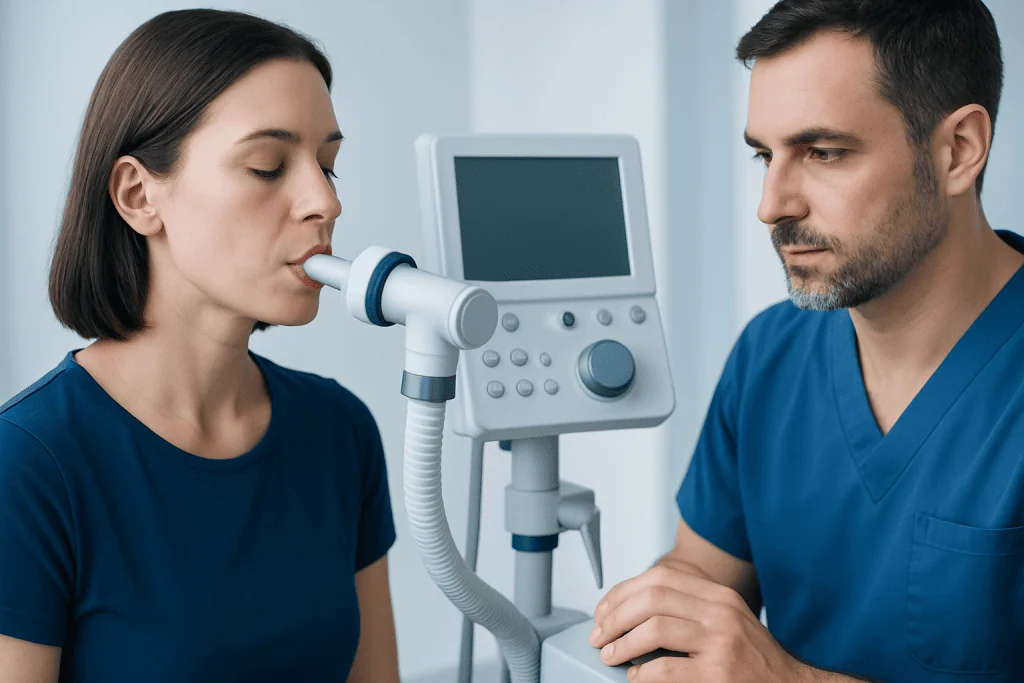
Supportive care can also include monitoring hydration, breathing, and temperature. In more serious cases, hospital treatment may be needed for oxygen support, fluids, or management of complications. If breathing becomes difficult, a doctor may evaluate related respiratory concerns and, when needed, broader respiratory therapy support.
When flu symptoms are severe or recovery is not following the expected course, additional tests may be used to check for complications or other conditions. Depending on the situation, doctors may recommend a medical check-up or imaging such as a chest X-ray to look for lung involvement.
Prevention and self-care during flu season
The most effective way to reduce the risk of both influenza A and B is yearly flu vaccination. Because circulating strains can change from season to season, annual vaccination is recommended even for people who received a vaccine the previous year. The vaccine does not prevent every case, but it can reduce the chance of severe illness and complications.
Everyday habits also matter. Frequent handwashing, covering coughs and sneezes, avoiding close contact with sick people when possible, and staying home when ill can help reduce spread. Good sleep, balanced nutrition, and management of chronic conditions support the immune system and may improve recovery.
When sick at home, patients should rest, drink enough fluids, and monitor for warning signs such as worsening breathing, confusion, or inability to keep fluids down. It is wise to avoid unnecessary contact with infants, older relatives, and anyone with a weakened immune system until fever has resolved and symptoms are improving.
When to seek medical care
Medical care should be sought promptly if flu symptoms are severe, if they worsen after initial improvement, or if the patient belongs to a high-risk group. Urgent assessment is especially important for shortness of breath, chest pain, confusion, bluish lips, dehydration, seizures, or persistent high fever.
Parents should contact a doctor if a child is breathing fast, unusually sleepy, not drinking enough, has signs of dehydration, or seems difficult to wake or comfort. Older adults may show less obvious signs at first, so sudden weakness, falls, confusion, or poor intake should be taken seriously.
For international patients who need evaluation for flu or its complications, Acibadem International’s multidisciplinary specialists and JCI-accredited hospitals provide diagnosis and treatment across a range of respiratory and general medical conditions. A qualified doctor can help confirm whether symptoms are due to influenza and decide whether antiviral treatment, monitoring, or hospital care is needed.
Frequently asked questions
Which is worse, influenza A or influenza B?
Neither type is automatically worse in every patient. Influenza A is more often linked with broader outbreaks, but influenza B can also cause severe symptoms and complications. The seriousness often depends more on the person’s age, health conditions, and how quickly treatment begins.
Can symptoms tell whether someone has influenza A or B?
Usually not. Influenza A and B cause many of the same symptoms, including fever, cough, body aches, fatigue, and headache. A laboratory test is often needed to tell the difference reliably.
Does the flu vaccine protect against both influenza A and B?
Yes, seasonal flu vaccines are designed to protect against selected strains of both influenza A and influenza B. Because the strains can change over time, vaccination is recommended every year. Even if infection still occurs, vaccination may reduce the risk of severe illness.
Do influenza A and B need different treatment?
In many cases, treatment is similar for both and includes rest, fluids, fever control, and monitoring symptoms. Antiviral medicines may be used for either type, especially in high-risk patients or early in the illness. A doctor decides treatment based on severity, timing, and medical history rather than virus type alone.
How long does flu usually last?
Many people begin to feel better within several days, but tiredness and cough can last longer. Fever and body aches often improve first, while energy levels may take more time to return. Recovery may be slower in older adults and people with chronic illnesses.
When should a person with flu call a doctor?
A doctor should be contacted if there is trouble breathing, chest pain, confusion, dehydration, or symptoms that improve and then return worse. People who are pregnant, elderly, immunocompromised, or living with chronic conditions should seek advice early. Infants and young children with poor feeding, unusual sleepiness, or fast breathing also need prompt medical attention.
References
- Centers for Disease Control and Prevention
- World Health Organization
- National Institute of Allergy and Infectious Diseases
- Mayo Clinic
- European Centre for Disease Prevention and Control
This article is for general information only and is not a substitute for professional medical advice. Please consult a qualified doctor about your individual situation.
Influenza in Turkey — costs, top hospitals & a free quote
JCI-accredited · board-certified surgeons · reply within 24h