Pitted Keratolysis: An Evidence-Based Guide for Patients

Pitted keratolysis is a bacterial condition that affects the outer layer of skin on the soles, especially in people with sweaty feet. Common signs include tiny pits on pressure-bearing areas, foot odor, and sometimes mild burning or tenderness.
Key Takeaways
- Pitted keratolysis is a bacterial condition that affects the outer layer of skin on the soles, especially in people with sweaty feet.
- Common signs include tiny pits on pressure-bearing areas, foot odor, and sometimes mild burning or tenderness.
- Treatment usually focuses on keeping the feet dry and using topical antibiotic or antiseptic products prescribed or recommended by a clinician.
- Wearing breathable shoes, changing socks often, and managing sweating can help prevent it from coming back.
- Medical evaluation is important if the diagnosis is uncertain, symptoms persist, or there is pain, redness, swelling, or diabetes-related foot risk.
Pitted keratolysis is a superficial bacterial infection of the soles that often causes small crater-like pits, unpleasant foot odor, and excessive sweating. It is usually treatable with good foot care, reducing moisture, and doctor-recommended topical medicines when needed.
Overview
Pitted keratolysis is a common, treatable skin condition that affects the soles of the feet. It happens when certain bacteria grow in warm, moist skin and break down the outermost layer, leaving small shallow pits or crater-like marks. Many people first notice a strong foot odor, while others become concerned about a rough, white, or pitted appearance on the bottom of the feet.
This condition is not usually serious, but it can be uncomfortable and bothersome. It tends to affect people whose feet stay damp for long periods, such as those who wear closed shoes for many hours, sweat heavily, or spend long days standing or walking. Athletes, military personnel, factory workers, and anyone working in occlusive footwear can be affected.
Pitted keratolysis is different from fungal infections such as athlete’s foot. Fungal infections often cause scaling, itching, and peeling between the toes, while pitted keratolysis is classically linked to tiny pits on weight-bearing areas and a noticeable odor. Sometimes both conditions can occur at the same time, which is one reason an accurate diagnosis matters.
What it looks and feels like
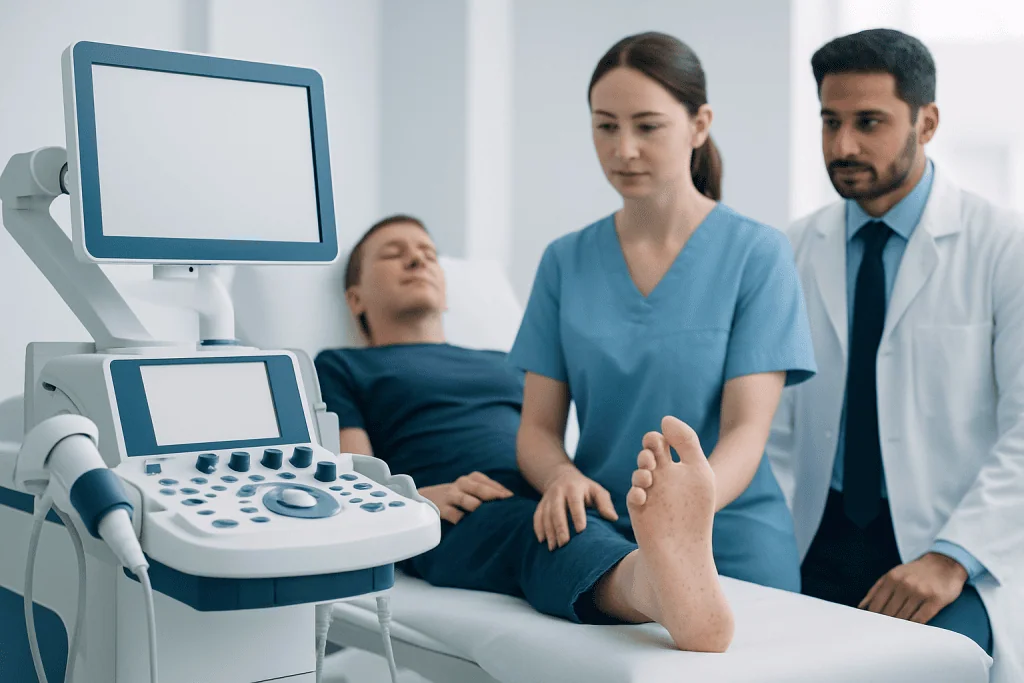
The most typical sign is clusters of tiny pits on the soles, especially on pressure-bearing areas such as the heels, balls of the feet, and undersides of the toes. When the skin is wet, these pits may look more obvious. The affected skin may appear whitish, soggy, or macerated, particularly after time in shoes or after bathing.
Foot odor is very common and may be the symptom that causes the most distress. The smell develops because bacteria produce sulfur-containing compounds as they break down skin proteins. Some people also notice slipperiness, mild itching, burning, tenderness, or a feeling that the skin is softer than usual.
Not everyone has pain. In many cases, the condition is more unpleasant than dangerous. Still, the skin barrier can become irritated, and persistent moisture may make the feet vulnerable to other problems. If cracks, significant soreness, or spreading redness appear, a clinician should assess the feet to rule out other infections or irritation.
- Tiny shallow pits on the soles
- Strong or unusual foot odor
- White, softened, or soggy-looking skin
- Mild burning, tenderness, or itching in some cases
Why pitted keratolysis happens

Pitted keratolysis develops when bacteria thrive in a moist environment on the feet. Several bacterial species can be involved, including Corynebacterium species and related organisms that colonize the surface of the skin. These bacteria produce enzymes that digest keratin, the protein that helps form the tough outer layer of skin. As keratin is broken down, small pits form.
The main risk factor is excessive sweating of the feet, also called plantar hyperhidrosis. Constant moisture softens the skin and creates conditions that allow bacteria to multiply more easily. Tight, non-breathable shoes, synthetic socks, hot climates, and long hours in boots or sports footwear all increase the risk.
Other factors can make the problem more likely or more persistent. These include poor foot ventilation, repeated friction, prolonged standing, and not changing damp socks promptly. People who already have other foot conditions, including fungal infections or eczema-like irritation, may find that the symptoms overlap. In some cases, doctors also consider whether broader skin care or dermatology care is needed to address contributing issues.
How doctors diagnose it
Diagnosis is usually made clinically, meaning a doctor often identifies pitted keratolysis by examining the feet and asking about sweating, footwear, daily activities, and the timing of symptoms. The pattern of tiny pits on weight-bearing areas, together with odor and dampness, is often very characteristic.
Because several foot conditions can look similar, a clinician may also consider athlete’s foot, eczema, contact dermatitis, warts, or bacterial infection involving deeper skin layers. If scaling, toe-web involvement, or uncertainty is present, testing may be done to check for fungus. The goal is not only to confirm the diagnosis but also to find any coexisting conditions that may need separate treatment.
In most cases, advanced testing is not necessary. However, if symptoms are unusual, severe, recurrent, or not improving with standard treatment, a doctor may reassess the diagnosis. Careful foot examination is especially important for people with diabetes, reduced circulation, or nerve problems, because even minor skin issues can require closer follow-up.
Treatment options
Treatment usually works best when it addresses both the bacteria and the moisture that allows them to grow. Doctors commonly recommend topical antibiotic medicines such as clindamycin, erythromycin, mupirocin, or fusidic acid, depending on local practice and individual needs. Antiseptic washes or cleansers may also help reduce the bacterial load on the skin.
Managing sweating is just as important as treating the infection itself. If feet remain damp all day, pitted keratolysis can return even after the pits improve. Measures may include antiperspirants for the feet, drying powders, moisture-wicking socks, and changes in footwear habits. In people with significant sweating, a clinician may discuss treatment approaches used for excessive sweating when appropriate.
Oral antibiotics are not needed in most cases, but they may be considered if the condition is extensive, persistent, or complicated. If there is uncertainty about the diagnosis, or if other skin disorders seem to be contributing, referral for specialist skin evaluation may be helpful. Treatment should always be individualized, especially for people with sensitive skin, chronic conditions, or repeated flare-ups.
Improvement often begins within a few weeks when moisture control and topical treatment are used consistently. Even after the skin looks better, prevention habits matter because the same warm, damp conditions can allow the bacteria to return.
Self-care and prevention
Daily foot care can make a major difference. The aim is to keep the feet as dry and ventilated as possible. Washing the feet regularly and drying them carefully, especially around the toes and pressure areas, helps reduce moisture and surface bacteria. Some people benefit from using a separate towel for the feet and changing it often.
Footwear choices are also important. Breathable shoes and moisture-wicking socks can reduce the warm, damp environment that supports bacterial growth. Rotating shoes so each pair has time to dry fully between uses may help. For people who exercise, changing out of sweaty socks and shoes promptly after activity is a practical step.
Self-care measures that may help include:
- Changing socks once or more daily if they become damp
- Choosing shoes with better airflow when possible
- Allowing feet to dry completely before putting on socks and shoes
- Using foot antiperspirants or drying products if advised by a clinician
- Avoiding wearing the same closed shoes every day without drying time
If symptoms repeatedly come back, it may help to look for contributing conditions such as heavy sweating or a fungal infection. Sometimes recurrent odor or scaling is related to more than one problem, and treatment needs to address each cause separately.
When to seek medical care
Many cases of pitted keratolysis improve with simple measures and topical treatment, but medical advice is worthwhile if the diagnosis is uncertain or symptoms are persistent. A doctor should assess the feet if there is significant pain, redness, swelling, cracking, bleeding, or signs that the problem may involve more than the superficial skin layer.
People with diabetes, poor circulation, immune system problems, or reduced feeling in the feet should seek care promptly for any persistent foot skin changes. In these groups, even minor skin conditions can become more complicated and deserve professional review.
It is also sensible to seek medical care if the condition keeps coming back despite careful foot hygiene and dryness measures. A clinician can check for overlapping issues such as fungal foot infection or troublesome sweating. Near the end of the care pathway, if specialist support is needed, Acibadem International’s multidisciplinary specialists and JCI-accredited hospitals diagnose and treat foot and skin conditions for international patients.
Frequently asked questions
Is pitted keratolysis contagious?
Pitted keratolysis is caused by bacteria that grow in moist skin, but it is not usually thought of as highly contagious in the way some infections are. The main issue is the local environment on the feet, especially sweating and occlusive footwear. Good hygiene and not sharing footwear or towels are still sensible precautions.
Can pitted keratolysis go away on its own?
Mild cases may improve if the feet are kept dry and the conditions causing excess moisture are corrected. However, the problem often persists or comes back without targeted treatment and better sweat control. A clinician can recommend the most suitable topical treatment if symptoms continue.
How is pitted keratolysis different from athlete’s foot?
Pitted keratolysis is a bacterial condition, while athlete’s foot is a fungal infection. Pitted keratolysis tends to cause tiny pits and strong odor on pressure-bearing areas of the sole, whereas athlete’s foot often causes scaling, peeling, and itching, especially between the toes. Some people can have both at the same time.
What kind of shoes are best if someone has pitted keratolysis?
Shoes that allow airflow and reduce trapped moisture are generally most helpful. Rotating pairs, allowing shoes to dry completely, and choosing socks that wick moisture away from the skin can support treatment. If work requires boots or closed footwear, changing socks during the day may help.
Does pitted keratolysis mean foot hygiene is poor?
Not necessarily. Many people with good hygiene develop pitted keratolysis because of heavy sweating, hot environments, sports, or long hours in closed shoes. Hygiene helps, but moisture control and appropriate medical treatment are often the key steps.
When should someone worry about foot odor and pits?
Medical advice is recommended if odor and pits do not improve, keep returning, or are joined by pain, redness, swelling, or cracks in the skin. Prompt assessment is especially important for people with diabetes, circulation problems, or reduced sensation in the feet. A healthcare professional can confirm the diagnosis and rule out other conditions.
References
- American Academy of Dermatology
- National Health Service
- DermNet
- Merck Manual Consumer Version
This article is for general information only and is not a substitute for professional medical advice. Please consult a qualified doctor about your individual situation.
Explore treatments in Turkey — costs, top hospitals & a free quote
JCI-accredited · board-certified surgeons · reply within 24h