Cat Nap: A Complete Medical Overview
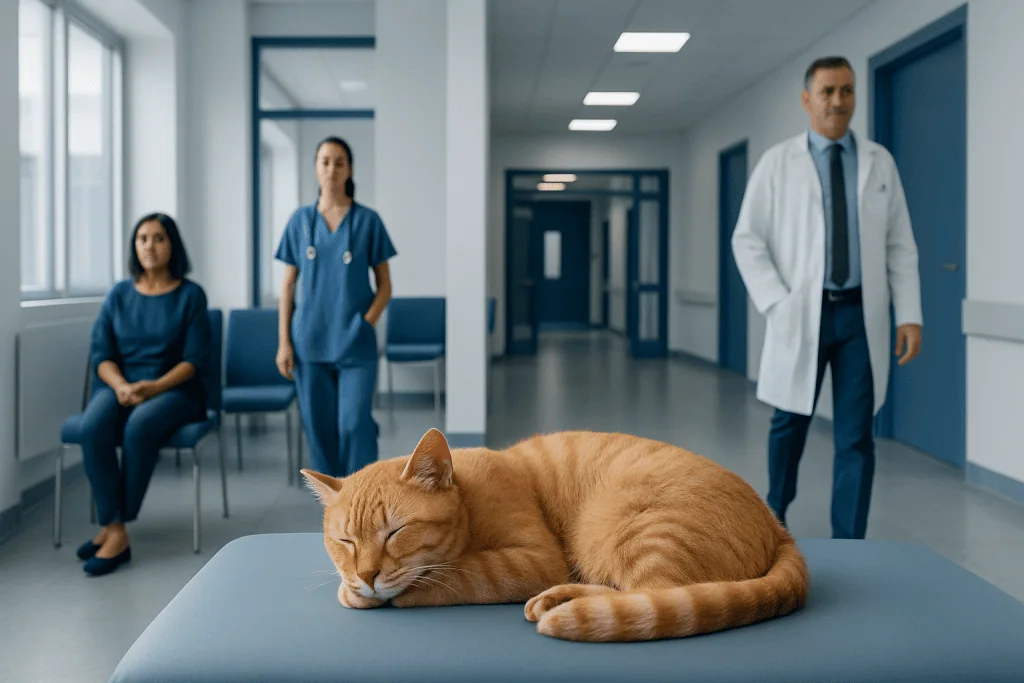
A cat nap usually means a short daytime nap of about 10 to 30 minutes. Brief naps may improve alertness, concentration, and mood when they are timed well.
Key Takeaways
- A cat nap usually means a short daytime nap of about 10 to 30 minutes.
- Brief naps may improve alertness, concentration, and mood when they are timed well.
- Long, late, or frequent naps can interfere with nighttime sleep or point to sleep deprivation or illness.
- The best nap timing for most adults is early to mid-afternoon rather than late evening.
- Persistent daytime sleepiness deserves medical evaluation, especially if it affects daily life or safety.
A cat nap is a brief daytime sleep, usually lasting 10 to 30 minutes, taken to reduce sleepiness and improve alertness. For many people it can be helpful, but frequent or poorly timed naps may also signal an underlying sleep or health problem.
What Is a Cat Nap?
A cat nap is a short period of daytime sleep, often taken to quickly restore energy and alertness. In everyday use, the term usually refers to a light, brief nap rather than a long sleep. Most sleep specialists consider a short nap to be around 10 to 30 minutes, although individual needs vary.
Many people use cat naps to cope with a short night of sleep, demanding work schedules, jet lag, or the natural dip in alertness that often happens in the early afternoon. A well-timed nap may help a person feel refreshed without causing the grogginess that can follow longer daytime sleep.
A cat nap is not automatically a sign of poor health. Children, shift workers, older adults, and people recovering from illness may nap more often. However, if a person needs naps every day because they cannot stay awake, or if naps are getting longer and less refreshing, it may be a clue that the body is not getting enough restorative sleep at night or that another medical condition is present.
How a Cat Nap Affects the Body and Brain
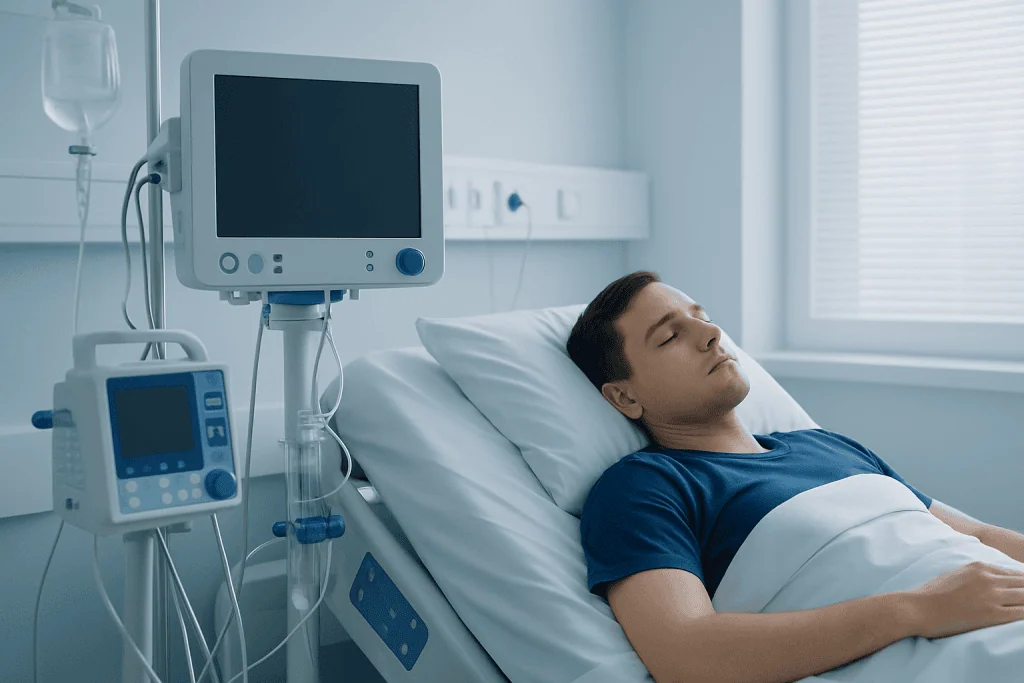
Sleep happens in stages. During a very short nap, a person may remain in lighter stages of sleep, which can support mental refreshment while making it easier to wake up. This is one reason brief naps are often preferred over long naps for adults who want a quick boost in attention or mood.
If a nap becomes longer, the sleeper may enter deeper stages of sleep. Waking from deep sleep can cause sleep inertia, a temporary period of grogginess, slower thinking, and reduced coordination. This effect may be especially important for anyone who needs to drive, work with machinery, or make important decisions soon after waking.
Daytime napping also interacts with the body’s internal clock, or circadian rhythm. A short nap early in the afternoon is less likely to disturb nighttime sleep than a nap taken late in the day. For people already struggling with insomnia or irregular sleep patterns, poorly timed naps can make it harder to fall asleep at bedtime.
Potential Benefits of a Cat Nap

For some adults, a brief cat nap can improve alertness, reaction time, concentration, and mood. It may be useful after a short night of sleep, during travel across time zones, or on days of unusual mental demand. Some people also find that a short nap helps reduce irritability and supports productivity without replacing nighttime sleep.
A cat nap may be most helpful when it is planned rather than taken out of desperation. Going to sleep in a quiet, dim space and setting an alarm can reduce the chance of sleeping too long. Many people feel best after naps of about 10 to 20 minutes.
- May improve short-term alertness and attention
- Can reduce the feeling of afternoon sleepiness
- May support mood and mental performance
- Can be helpful during temporary sleep loss or jet lag
Even so, napping is not a substitute for healthy nighttime sleep. If a person depends on naps because they rarely get enough sleep at night, improving the main sleep schedule is usually more important than adding more daytime sleep.
When a Cat Nap May Be a Problem
A cat nap becomes less helpful when it is long, frequent, or poorly timed. Napping for more than 30 minutes may increase the chance of grogginess after waking. Late-afternoon or evening naps can delay bedtime and worsen difficulty falling asleep, especially in people with insomnia.
Excessive daytime napping can also be a symptom rather than a lifestyle choice. Conditions such as sleep apnea, restless legs syndrome, chronic pain, depression, medication side effects, and some neurological disorders may lead to persistent daytime fatigue. Loud snoring, witnessed pauses in breathing, morning headaches, or waking unrefreshed may suggest sleep apnea and deserve medical review.
Sometimes naps reflect a mismatch between work demands and the body clock. Shift workers may feel sleepy at unusual times and may need structured sleep strategies rather than casual napping alone. People with ongoing daytime sleepiness may benefit from a formal sleep evaluation, and in some cases a doctor may recommend a sleep study to better understand the cause.
How to Take a Cat Nap Without Disrupting Night Sleep
The most effective cat naps are usually short and intentional. For many adults, the ideal length is around 10 to 20 minutes, with 30 minutes as an upper limit if grogginess is not a problem. Setting an alarm before lying down helps prevent a short nap from turning into a long sleep.
Timing matters as much as length. Early to mid-afternoon is often the best time because it aligns with a natural dip in alertness for many people. Napping too late in the day can reduce sleep pressure and make nighttime sleep less restful or harder to start.
- Keep the nap short, usually 10 to 30 minutes
- Nap earlier in the afternoon rather than near evening
- Use a cool, dark, quiet environment if possible
- Avoid relying on naps to compensate for chronic sleep loss
- If insomnia is present, ask a doctor whether naps should be limited
People who have chronic insomnia, very fragmented sleep, or heavy daytime sleepiness should not assume that more naps are the best answer. Sleep specialists may suggest changes in sleep habits, testing, or targeted care such as sleep disorder treatment depending on the underlying issue.
How Doctors Evaluate Frequent Napping and Daytime Sleepiness
Doctors look beyond the nap itself and ask why it is needed. They usually review bedtime and wake time, total sleep hours, snoring, breathing pauses, shift work, caffeine and alcohol use, medications, mood symptoms, and any recent illness. Keeping a sleep diary for one to two weeks can provide useful clues.
A physical exam and selected tests may be recommended when symptoms suggest an underlying disorder. If a person snores heavily, wakes choking, or feels very sleepy despite enough time in bed, sleep testing may be considered. In some cases, evaluation may include neurology consultation or referral to a sleep specialist, particularly when symptoms involve sudden sleep attacks, unusual nighttime movements, or unexplained fatigue.
Diagnosis focuses on the whole pattern. A nap that is normal for one person may be a warning sign for another, depending on age, health conditions, and daily functioning. The main goal is to distinguish healthy, occasional napping from sleepiness that could affect health, safety, work, or quality of life.
Self-Care, Prevention, and When to Seek Medical Care
Healthy sleep habits can reduce the need for unplanned cat naps. Helpful steps include keeping a regular sleep schedule, getting enough sleep at night, limiting caffeine late in the day, managing stress, and creating a quiet sleep environment. Regular physical activity and morning daylight exposure may also support a more stable body clock.
A person should seek medical care if daytime sleepiness is new, persistent, or interfering with work, school, driving, or daily activities. Medical advice is also important if naps are becoming longer and less refreshing, or if symptoms come with loud snoring, breathing pauses during sleep, chest discomfort, depression, memory problems, or sudden episodes of falling asleep.
Children, older adults, pregnant people, and those with chronic illnesses may have different sleep needs, so persistent changes in napping patterns should be discussed with a qualified clinician. Near the end of the evaluation process, some patients may choose care at centers such as Acibadem International, where multidisciplinary specialists in JCI-accredited hospitals assess sleep-related concerns for international patients.
In most cases, a cat nap is simply a short daytime rest and can be part of a healthy routine when it is brief and well timed. The key question is whether the nap supports overall well-being or whether it is masking a problem that needs attention.
Frequently asked questions
How long should a cat nap be?
For most adults, a cat nap is best kept to about 10 to 20 minutes. Some people may do well with up to 30 minutes, but longer naps are more likely to cause grogginess or affect nighttime sleep.
Is a cat nap the same as a power nap?
They are often used in a similar way. Both usually refer to a short daytime nap meant to improve alertness, although people may define the terms differently.
Can a cat nap be good for health?
A brief, well-timed nap may help with alertness, mood, and concentration. It is most helpful as an occasional tool and not as a replacement for getting enough sleep at night.
Why do I need a cat nap every day?
Daily napping can happen for many reasons, including not getting enough sleep, irregular schedules, stress, medication effects, or an underlying sleep disorder. If the need to nap is persistent or affects daily life, it is sensible to discuss it with a doctor.
When is the best time to take a cat nap?
Early to mid-afternoon is usually the best time for a short nap. Napping late in the afternoon or evening is more likely to delay bedtime and reduce nighttime sleep quality.
Should people with insomnia take cat naps?
It depends on the person and the severity of the insomnia. For some, daytime naps can make it harder to fall asleep at night, so a doctor or sleep specialist may recommend limiting or avoiding them.
References
- American Academy of Sleep Medicine
- Centers for Disease Control and Prevention
- National Heart, Lung, and Blood Institute
- National Institute of Neurological Disorders and Stroke
- MedlinePlus
This article is for general information only and is not a substitute for professional medical advice. Please consult a qualified doctor about your individual situation.
Explore treatments in Turkey — costs, top hospitals & a free quote
JCI-accredited · board-certified surgeons · reply within 24h