What Does Depression Feel Like? A Doctor-Reviewed Answer

Depression can feel different from person to person, including sadness, numbness, fatigue, guilt, or loss of interest. Brief low mood is common, but symptoms that persist for two weeks or more deserve medical attention.
Key Takeaways
- Depression can feel different from person to person, including sadness, numbness, fatigue, guilt, or loss of interest.
- Brief low mood is common, but symptoms that persist for two weeks or more deserve medical attention.
- Doctors diagnose depression through a conversation about symptoms, functioning, medical history, and mental health screening.
- Treatment may include psychotherapy, medication, lifestyle changes, or a combination of approaches.
- Urgent help is needed for thoughts of self-harm, suicide, psychosis, or inability to care for basic needs.
Depression can feel like more than sadness. It often shows up as a lasting sense of emptiness, low motivation, hopelessness, irritability, or emotional numbness that starts to affect sleep, work, relationships, or daily routines.
Overview: what depression can feel like
For many people, depression does not feel dramatic or obvious at first. It can begin with a sense that something is simply “off”—less enjoyment, less energy, more irritability, or a heavier emotional load than usual. Short periods of low mood can happen to anyone, especially during stress, grief, illness, or major life changes, and these episodes often improve with time and support.
When people ask, what does depression feel like, the answer is usually broader than sadness alone. Depression may feel like emptiness, emotional numbness, constant tiredness, guilt, slowed thinking, difficulty concentrating, or a loss of interest in people and activities that once mattered. Some people cry often, while others feel unable to cry at all.
A key difference is persistence and impact. Depression tends to last most of the day, on most days, and starts to affect sleep, appetite, work, school, relationships, and self-care. It can also overlap with conditions such as anxiety disorders, which may make symptoms feel more restless, tense, or physically uncomfortable.
How depression may feel emotionally, mentally, and physically
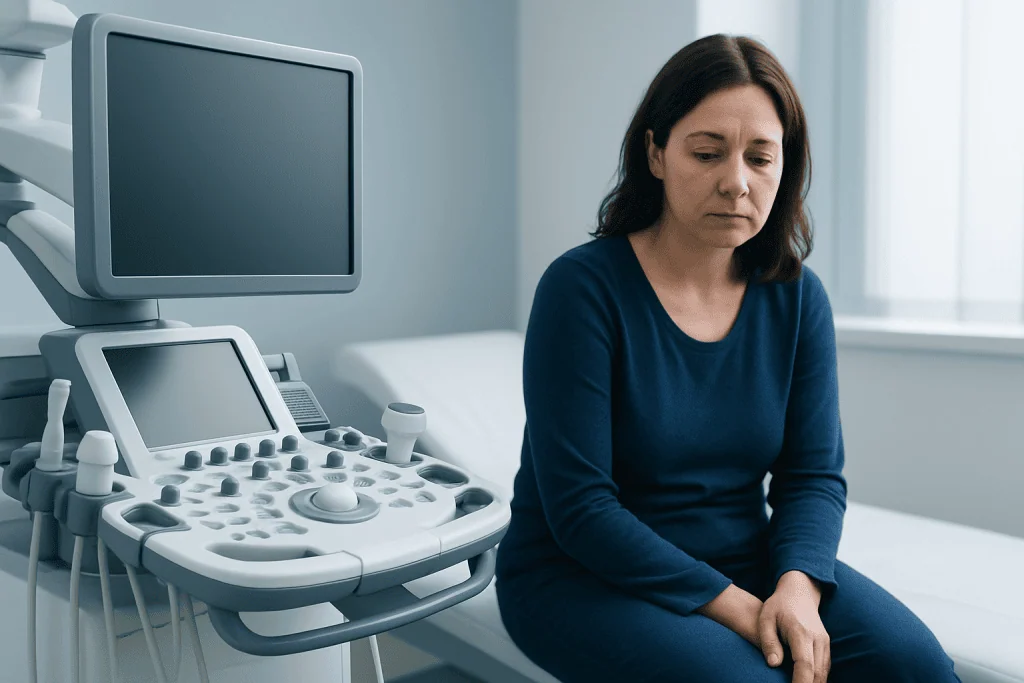
Emotionally, depression may feel like a deep sadness that does not lift, but it can also feel like flatness or disconnection. People often describe losing interest in hobbies, socializing, intimacy, or future plans. A person may feel hopeless, easily overwhelmed, unusually guilty, or convinced that they are failing even when others do not see it that way.
Mentally, depression can make thinking feel slow, foggy, or negative. Concentration may drop, small decisions can feel exhausting, and memory may seem less reliable. Some people notice repetitive self-critical thoughts or a strong sense that nothing will improve, even when circumstances are not objectively worsening.
Physical symptoms are also common. Depression may show up as persistent fatigue, changes in sleep, reduced or increased appetite, body aches, headaches, or a heavy sensation in the limbs. These symptoms are real and can be distressing, which is one reason doctors look at both mental and physical health when evaluating depression.
- Low mood or emotional numbness
- Loss of pleasure or motivation
- Fatigue or low energy
- Sleep problems, including insomnia or oversleeping
- Changes in appetite or weight
- Trouble focusing or making decisions
- Feelings of guilt, worthlessness, or hopelessness
- Physical aches without a clear cause
Why it can be hard to recognize

Depression is not always easy to identify because it does not look the same in every person. Some continue working, caring for family, and keeping up appearances while feeling exhausted inside. Others mainly notice irritability, anger, or social withdrawal rather than sadness, which can lead them to overlook depression as a possible cause.
Age, culture, personality, and life experience can shape how symptoms are expressed. Teenagers may seem more irritable than tearful. Older adults may report fatigue, poor sleep, or loss of appetite before they mention low mood. People who are used to managing stress on their own may describe themselves as “burned out” or “lazy” when they are actually struggling with a treatable health condition.
Depression can also happen alongside grief, chronic pain, thyroid problems, hormonal changes, substance use, or other mental health conditions. Because the boundaries can be blurred, a professional assessment is helpful when symptoms are persistent, worsening, or interfering with daily life.
Common causes and risk factors
Depression does not have a single cause. It usually develops through a combination of biological, psychological, and social factors. Family history can increase risk, suggesting that genetics may play a role. Brain chemistry, major stress, trauma, ongoing conflict, loneliness, financial pressure, and long-term medical conditions can also contribute.
Certain life stages and health changes may raise risk as well. These include pregnancy and the postpartum period, menopause, chronic illness, sleep disorders, substance use, and some medications. A person does not need to have a clear external reason to develop depression, and symptoms are not a sign of weakness or lack of effort.
Risk factors help explain who may be more vulnerable, but they do not define the future. Many people improve with appropriate support, treatment, and time. Recognizing risk factors early can make it easier to seek help before symptoms become more severe.
When to seek medical care
Low mood that follows stress or disappointment often improves gradually, especially with rest, routine, and support from trusted people. Medical review becomes more important when symptoms last two weeks or more, keep returning, or begin to affect work, study, parenting, relationships, sleep, eating, or personal hygiene. A person should also seek care if they feel emotionally numb, unusually agitated, or unable to experience pleasure for a sustained period.
Some symptoms should be treated as urgent. These include thoughts of self-harm or suicide, feeling that others would be better off without them, hearing or seeing things that others do not, severe confusion, or being unable to care for basic needs such as eating, drinking, or staying safe. In these situations, immediate emergency or crisis support is needed.
It is also sensible to seek medical care if symptoms might be related to another condition, such as a sleep disorder, chronic pain problem, medication effect, or hormone imbalance. A doctor can help determine whether depression, anxiety, bereavement, burnout, or a physical health issue is the main driver of the symptoms.
How doctors diagnose depression
Diagnosis begins with a careful conversation, not a single blood test or scan. A doctor will usually ask how long symptoms have been present, how often they occur, whether they are getting worse, and how much they affect daily functioning. Questions often cover sleep, appetite, energy, concentration, mood, anxiety, substance use, and any history of trauma or previous episodes.
Doctors may use structured screening questionnaires to better understand symptom severity, but these tools support rather than replace clinical judgment. They will also ask about medical conditions and medications that can mimic or worsen depressive symptoms. Depending on the situation, basic laboratory tests may be ordered to look for contributing problems such as anemia, thyroid disease, vitamin deficiencies, or other health concerns.
An important part of the assessment is safety. Doctors routinely ask about thoughts of self-harm, suicide, or feeling unable to cope. This can feel uncomfortable, but it is a standard and caring step that helps guide the right level of support. If symptoms are severe, the doctor may recommend psychiatric evaluation or more urgent mental health care.
Treatment options and what recovery may look like
Depression is treatable, and care is tailored to the individual. Many people benefit from psychotherapy, including approaches that help identify unhelpful thought patterns, improve coping skills, and rebuild daily structure. In some cases, doctors may recommend psychiatric care and medication, particularly when symptoms are moderate to severe, recurring, or significantly affecting safety and function.
Lifestyle measures can support recovery, although they are not a substitute for professional treatment when depression is significant. Useful steps may include regular sleep habits, balanced meals, reduced alcohol or drug use, physical activity as tolerated, time outdoors, and keeping social contact even when motivation is low. Small routines often matter more than dramatic changes.
If symptoms are linked with other conditions, treatment may involve coordinated care. For example, a person with marked worry, panic, or health-related fear may need assessment for anxiety treatment alongside depression care. In complex cases, doctors may also recommend psychotherapy as part of a broader plan involving primary care and mental health specialists.
Recovery is not always linear. Some people improve steadily, while others notice ups and downs before progress becomes clearer. Near the end of the care pathway, it may help to know that Acibadem International’s multidisciplinary specialists and JCI-accredited hospitals diagnose and treat depression and related mental health conditions for international patients.
Self-care, support, and preventing symptoms from worsening
Self-care starts with reducing pressure rather than demanding perfect habits. When energy is low, it can help to set very small goals, such as getting out of bed at a regular time, taking a shower, eating one balanced meal, or walking for a short period. Breaking tasks into smaller steps can make daily life feel more manageable.
Support from others is often protective. Telling a trusted friend, family member, or healthcare professional what is happening can reduce isolation and make it easier to get treatment. It may also help to limit alcohol, avoid recreational drugs, and keep a regular sleep schedule, since these can all affect mood stability.
Prevention is not always possible, but early action can reduce the chance of worsening symptoms or relapse. People who have had depression before may benefit from ongoing therapy, stress management, exercise, and regular medical follow-up. If symptoms start to return, seeking help early is often more effective than waiting until daily life feels unmanageable.
Frequently asked questions
Does depression always feel like sadness?
No. Depression can also feel like emptiness, numbness, irritability, exhaustion, or a loss of interest in daily life. Some people mainly notice physical symptoms or difficulty thinking clearly rather than obvious sadness.
How is depression different from normal stress or a bad week?
Stress and short-term low mood are common and often improve as circumstances change. Depression is more persistent, usually lasts at least two weeks, and begins to interfere with sleep, appetite, work, relationships, or self-care.
Can depression cause physical symptoms?
Yes. Depression can contribute to fatigue, body aches, headaches, sleep problems, digestive changes, and appetite changes. Because these symptoms can have many causes, a doctor may evaluate both physical and mental health.
When should someone talk to a doctor about possible depression?
A medical appointment is a good idea if symptoms last two weeks or more, keep coming back, or affect daily life. Urgent help is needed right away if there are thoughts of self-harm or suicide, psychosis, or inability to stay safe.
What will a doctor ask during an evaluation?
The doctor will usually ask about mood, sleep, appetite, energy, concentration, stress, medications, and how symptoms affect everyday life. They may also ask safety questions and consider tests for medical conditions that can mimic depression.
Can depression improve with treatment?
Yes. Many people improve with psychotherapy, medication, lifestyle support, or a combination of treatments. Recovery may take time, but depression is a treatable condition and early care often helps.
References
- National Institute of Mental Health
- American Psychiatric Association
- World Health Organization
- National Health Service
- Mayo Clinic
This article is for general information only and is not a substitute for professional medical advice. Please consult a qualified doctor about your individual situation.
Depression in Turkey — costs, top hospitals & a free quote
JCI-accredited · board-certified surgeons · reply within 24h