HIV 1: What Patients Need to Know

HIV 1 is the most common form of HIV and is managed with lifelong antiretroviral treatment. Many people have no symptoms at first, so testing is essential after possible exposure or as part of routine care.
Key Takeaways
- HIV 1 is the most common form of HIV and is managed with lifelong antiretroviral treatment.
- Many people have no symptoms at first, so testing is essential after possible exposure or as part of routine care.
- With regular treatment, HIV 1 can be controlled to very low levels, protecting health and reducing transmission risk.
- Diagnosis involves blood or saliva testing, and follow-up care includes measuring viral load and immune function.
- Safe sex, not sharing needles, and preventive medicines such as PrEP and PEP can lower the risk of HIV 1 infection.
HIV 1 is the most common type of human immunodeficiency virus worldwide. It can weaken the immune system over time, but early diagnosis and modern treatment help many people live long, active, and healthy lives.
Overview
HIV 1 is the most common type of human immunodeficiency virus. It attacks key cells in the immune system, especially CD4 cells, which help the body fight infections. Without treatment, HIV 1 can gradually weaken immunity and increase the risk of serious infections and some cancers. With today’s medicines, however, HIV 1 is considered a manageable long-term condition for many people.
HIV 1 is different from HIV 2, a less common type found mainly in parts of West Africa. HIV 1 is more widespread globally and is the form most people mean when they say “HIV.” Both viruses can lead to acquired immunodeficiency syndrome, or AIDS, if they are not treated. AIDS is the late stage of HIV infection, when the immune system becomes severely damaged.
A clear diagnosis and early treatment matter. A person with HIV 1 may feel well for years, but the virus can still be active in the body. Starting care early helps protect the immune system, lowers the amount of virus in the blood, and supports long-term health.
How HIV 1 Spreads and What It Does in the Body
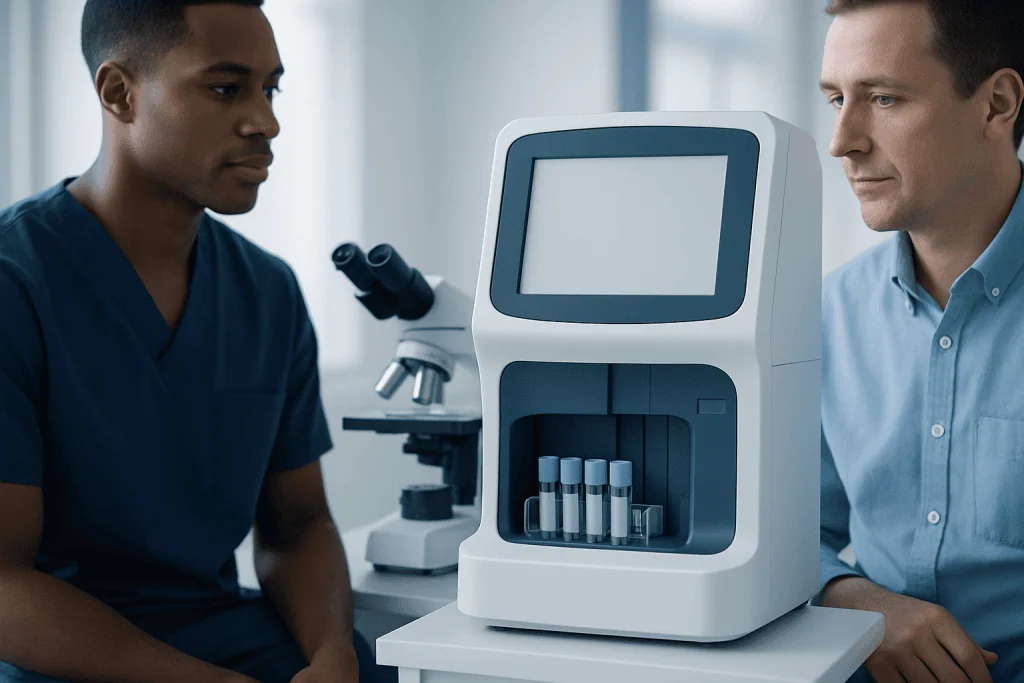
HIV 1 spreads through certain body fluids, including blood, semen, vaginal fluids, rectal fluids, and breast milk. Transmission can happen through unprotected sexual contact, sharing needles or injection equipment, or from parent to baby during pregnancy, birth, or breastfeeding. It does not spread through casual contact such as hugging, sharing dishes, coughing, or using the same toilet.
After entering the body, HIV 1 makes copies of itself inside immune cells. Over time, this can reduce the number of healthy CD4 cells and make it harder for the body to fight infection. The damage usually happens gradually, which is why some people do not notice symptoms right away.
Modern treatment can stop the virus from multiplying effectively. When treatment works well, the amount of virus in the blood can become undetectable on standard tests. This helps preserve immune function and is a central goal of HIV care.
Symptoms of HIV 1

Symptoms of HIV 1 can vary by stage. In the first few weeks after infection, some people develop a short flu-like illness called acute HIV infection. This may include fever, sore throat, rash, swollen lymph nodes, fatigue, headache, or muscle aches. Others have very mild symptoms or none at all.
After this early phase, HIV 1 may enter a longer stage with few or no symptoms. Even when a person feels healthy, the virus can still affect the immune system. For this reason, symptoms alone cannot confirm or rule out HIV 1, and testing remains the only reliable way to know.
If HIV 1 is not treated and the immune system becomes weaker, more serious problems can develop. These may include unexplained weight loss, persistent fever, night sweats, ongoing diarrhea, repeated infections, or infections that are unusual in healthy people. Advanced HIV disease may overlap with conditions related to immune deficiency and requires prompt medical attention.
- Early symptoms: fever, rash, sore throat, fatigue, swollen glands
- Later signs: recurring infections, weight loss, night sweats, chronic diarrhea
- Important note: many people have no symptoms for long periods
Causes, Risk Factors, and Who Should Consider Testing
The cause of HIV 1 is infection with the virus after exposure to infected body fluids. Risk increases with unprotected vaginal or anal sex, having multiple sexual partners, sharing needles, or exposure through non-sterile instruments. A person may also be at higher risk if a sexual partner has HIV and is not on effective treatment.
Testing is recommended for anyone who may have been exposed, anyone with symptoms that could fit HIV, and many adults as part of routine healthcare. Pregnant people are also routinely screened because early treatment greatly lowers the chance of passing HIV to the baby. People with another sexually transmitted infection may be offered HIV testing as well, since the risks can overlap.
Some people may benefit from prevention medicines. Pre-exposure prophylaxis, often called PrEP, can reduce the chance of getting HIV for people at ongoing risk. Post-exposure prophylaxis, or PEP, may be used after a recent possible exposure and should be started as soon as possible. People worried about HIV 1 may also need assessment for sexually transmitted diseases that can occur alongside it.
How HIV 1 Is Diagnosed
HIV 1 is diagnosed with laboratory tests, usually from a blood sample and sometimes from oral fluid. Many modern tests look for both HIV antibodies and a viral protein called p24 antigen. This helps detect infection earlier than antibody-only tests. If an initial test is positive, confirmatory testing is done to identify the type of HIV and confirm the diagnosis.
Timing matters because every test has a window period, which is the time between exposure and when a test can reliably detect infection. A healthcare professional can advise when testing should be repeated if exposure was recent. A negative test soon after exposure may need follow-up testing to be certain.
Once HIV 1 is confirmed, further tests help guide care. These commonly include viral load, which shows how much virus is in the blood, and a CD4 count, which reflects immune strength. Other tests may check kidney and liver function, screen for hepatitis and tuberculosis, and look for infections that can affect treatment choices. In some settings, doctors may use specialized laboratory and check-up services to organize baseline evaluation and long-term monitoring.
Treatment Options and Long-Term Care
The standard treatment for HIV 1 is antiretroviral therapy, often called ART. ART uses a combination of medicines that stop the virus from making copies of itself. Treatment does not cure HIV 1, but it can lower the viral load to very low or undetectable levels, protect the immune system, and reduce the risk of complications.
Doctors usually recommend starting treatment as soon as possible after diagnosis. Taking medicines exactly as prescribed is very important, because missed doses can allow the virus to multiply and may lead to drug resistance. Regular follow-up visits help monitor viral load, side effects, and overall health.
Long-term care also includes vaccinations, screening for other infections, mental health support, and attention to heart, bone, kidney, and liver health. HIV care is often multidisciplinary, especially if a person has other medical needs. If treatment side effects or medication interactions become a concern, the care team may adjust therapy and provide broader infectious diseases treatment support. Near the end of the care pathway, some patients may choose evaluation at centers such as Acibadem International, where multidisciplinary specialists in JCI-accredited hospitals diagnose and treat HIV-related conditions for international patients.
Prevention, Daily Self-Care, and Living Well With HIV 1
Prevention focuses on reducing exposure and using proven protective measures. Condoms and other barrier methods lower the risk of sexual transmission. Not sharing needles or injection equipment is also essential. PrEP may be appropriate for people at ongoing risk, while PEP may help after a recent possible exposure if started quickly under medical guidance.
For people living with HIV 1, daily self-care supports overall health. This includes taking treatment consistently, attending follow-up appointments, sleeping well, eating a balanced diet, staying physically active, and avoiding smoking when possible. Emotional well-being matters too, since a new diagnosis can affect mood, relationships, and daily routines.
Many people with HIV 1 can work, study, travel, and have families. Good control of the virus helps people stay healthier and lowers transmission risk. Some patients also need supportive services such as psychological counseling to cope with stress, stigma, or adjustment after diagnosis.
When to Seek Medical Care
A person should seek medical care if they think they may have been exposed to HIV 1, especially after unprotected sex or sharing needles. Fast assessment matters because PEP is time-sensitive and works best when started very soon after exposure. Testing can also clarify whether symptoms are related to HIV or another condition.
Anyone with persistent fever, unexplained weight loss, ongoing diarrhea, swollen glands, severe fatigue, or repeated infections should arrange a medical evaluation. People already diagnosed with HIV 1 should contact their care team if they are struggling to take medicines, develop side effects, or notice new symptoms.
Emergency care may be needed for serious breathing problems, confusion, dehydration, chest pain, or signs of a severe infection. Prompt treatment can prevent complications and improve recovery. A qualified doctor can advise on next steps, testing, and the most appropriate treatment plan.
Frequently asked questions
What is HIV 1?
HIV 1 is the most common type of human immunodeficiency virus worldwide. It affects the immune system by targeting CD4 cells, and without treatment it can progress to advanced HIV disease or AIDS.
Is HIV 1 the same as AIDS?
No. HIV 1 is the virus, while AIDS is the late stage of infection that can develop if HIV is not treated. Many people with HIV 1 never develop AIDS because modern treatment can control the virus effectively.
Can HIV 1 have no symptoms?
Yes. Many people have no symptoms for months or even years after infection. That is why testing is so important after possible exposure or as part of routine healthcare.
How is HIV 1 treated?
HIV 1 is treated with antiretroviral therapy, which uses a combination of medicines to suppress the virus. Treatment is usually lifelong, but it helps many people live long and healthy lives when taken consistently.
Can HIV 1 be cured?
There is currently no routine cure for HIV 1. However, treatment can reduce the virus to very low levels and protect the immune system, making HIV a manageable chronic condition for many patients.
When should someone get tested for HIV 1?
Testing is advised after a possible exposure, if symptoms suggest HIV, during pregnancy, and often as part of routine health screening. A doctor can also explain the best timing for testing if the exposure was recent.
References
- World Health Organization
- Centers for Disease Control and Prevention
- UNAIDS
- National Institutes of Health
- European Centre for Disease Prevention and Control
This article is for general information only and is not a substitute for professional medical advice. Please consult a qualified doctor about your individual situation.
Explore treatments in Turkey — costs, top hospitals & a free quote
JCI-accredited · board-certified surgeons · reply within 24h

More from the Health Library



Related Specialists

Dr. Ridvan Acar
Emergency Service
Dr. Mustafa Engin Çakmakçı
Otorhinolaryngology
Dr. Zeynep Ekin Kılınç
Oral and Dental Health
Dr. Nima Babavand Arablou
Emergency Service