Quick answer
Tuberculosis is an infectious disease caused by Mycobacterium tuberculosis, most often affecting the lungs but sometimes involving other organs, and it is typically treated with a combination of antibiotics over several months. At Acibadem in Turkey, evaluation may include imaging, laboratory testing, and specialist assessment to confirm the diagnosis and plan treatment, follow-up, and supportive care.
What is tuberculosis?
Tuberculosis, often shortened to TB, is an infectious disease caused by a bacterium (a type of germ) called Mycobacterium tuberculosis. It most often affects the lungs, which doctors call pulmonary tuberculosis, but it can also involve other parts of the body, including the lymph nodes, spine, kidneys, and the membranes around the brain. When people ask “what is tuberculosis,” the simplest answer is that it is a slow-growing bacterial infection that spreads through the air from person to person and that, without treatment, can cause serious and sometimes life-threatening illness.
An important feature of tuberculosis is that infection does not always mean illness. Many people who breathe in the bacteria develop what is called latent TB infection. In latent infection, the bacteria are present in the body but are kept in check by the immune system (the body’s natural defense against infection). People with latent TB have no symptoms and cannot spread the disease to others. However, in some of these people the infection can later become active TB disease, in which the bacteria multiply, cause symptoms, and can be passed to other people.
Tuberculosis can affect anyone, but it is more common in certain groups. People who live in or travel to regions where TB is widespread, people who live or work in crowded settings, and people with weakened immune systems are at higher risk. Children, older adults, and people with certain chronic illnesses may also be more vulnerable to developing active disease once infected. Although tuberculosis is often thought of as a disease of the past, it remains a major health concern in many parts of the world, and cases occur in every country.
Symptoms of tuberculosis
Tuberculosis symptoms depend on whether the infection is latent or active, and on which part of the body is affected. As noted above, latent TB infection causes no symptoms at all; it is usually discovered only through testing. Active TB disease, by contrast, tends to develop gradually over weeks or months, which is one reason it is sometimes mistaken for other conditions at first.
Common symptoms of active pulmonary tuberculosis (TB in the lungs) include:
- A persistent cough lasting three weeks or longer
- Coughing up phlegm (sputum), which may sometimes contain blood
- Chest pain, especially when breathing deeply or coughing
- Unintended weight loss and loss of appetite
- Fever, often low-grade and worse in the evening
- Night sweats that may drench clothing or bedding
- Fatigue or a general feeling of weakness
When tuberculosis affects organs outside the lungs, a form doctors call extrapulmonary TB, the symptoms reflect the organ involved. TB in the lymph nodes may cause painless swelling in the neck. TB in the spine may cause back pain and, in advanced cases, weakness in the legs. TB affecting the membranes around the brain, known as TB meningitis, may cause headache, confusion, and a stiff neck, and is a medical emergency. TB in the kidneys or bladder may cause blood in the urine.
Because many of these symptoms overlap with other illnesses, such as pneumonia, lung cancer, or chronic bronchitis, tuberculosis symptoms alone are not enough to confirm the diagnosis. A prolonged cough combined with weight loss, night sweats, and fever should always prompt a medical evaluation, particularly in people with known risk factors.
Causes and risk factors
The direct cause of tuberculosis is infection with Mycobacterium tuberculosis. The bacteria spread through the air when a person with active TB of the lungs or throat coughs, sneezes, speaks, or sings, releasing tiny droplets that others can inhale. Understanding tuberculosis causes helps explain who is most at risk: transmission usually requires prolonged, close contact, such as living in the same household, rather than a brief encounter. TB does not spread through shaking hands, sharing food or drink, or touching surfaces, and people with latent infection or with TB only outside the lungs generally cannot pass it on.
Not everyone who is exposed becomes infected, and not everyone who is infected becomes ill. Several factors increase the risk of either catching the infection or progressing from latent infection to active disease:
- Close contact with someone who has active TB, especially in the same household
- Living in or traveling to regions where TB is common
- A weakened immune system, for example due to HIV infection, cancer treatment, organ transplant medications, long-term steroid use, or certain biologic drugs
- Diabetes, which impairs the body’s ability to control the infection
- Chronic kidney disease and severe malnutrition
- Smoking and heavy alcohol use
- Crowded or poorly ventilated living conditions, including shelters, prisons, and some care facilities
- Very young or advanced age, when the immune system is less robust
- Recent infection, since the risk of progression to active disease is highest in the first one to two years after exposure
People with healthy immune systems who develop latent infection often keep the bacteria under control for life. In others, particularly those with the risk factors above, the bacteria can reactivate years or even decades after the original exposure.
Diagnosis of tuberculosis
Tuberculosis diagnosis involves a combination of medical history, physical examination, imaging, and laboratory tests. Because latent infection and active disease are managed differently, doctors first work out which situation applies.
Tests for TB infection
Two main tests show whether a person has been infected with TB bacteria at some point:
- Tuberculin skin test (TST): A small amount of purified protein from the bacteria is injected under the skin of the forearm. A trained health professional checks the site two to three days later; a raised, firm area of a certain size suggests infection.
- Interferon-gamma release assay (IGRA): A blood test that measures how the immune system reacts to TB proteins. It requires only one visit and is not affected by prior BCG vaccination (a vaccine against TB given in many countries).
A positive result from either test means the person has been infected at some point, but it does not by itself show whether the disease is active. Further evaluation is needed.
Tests for active TB disease
- Chest X-ray or CT scan: Imaging of the lungs can show shadows, cavities (hollow areas), or scarring that suggest tuberculosis.
- Sputum smear microscopy: Samples of coughed-up phlegm are examined under a microscope for the bacteria, using a special stain.
- Sputum culture: The samples are also grown in a laboratory. Culture is the most reliable way to confirm TB, though because the bacteria grow slowly, results can take several weeks.
- Molecular (nucleic acid amplification) tests: Rapid laboratory tests that detect the genetic material of the bacteria within hours and can also identify resistance to some medications.
- Drug susceptibility testing: Once the bacteria are identified, laboratory testing shows which antibiotics will work against that particular strain. This is essential for choosing effective treatment.
For suspected TB outside the lungs, doctors may take samples of fluid or tissue from the affected area, for example a lymph node biopsy (removal of a small piece of tissue for examination) or a sample of spinal fluid. Blood tests, urine tests, and additional imaging may also be used depending on the site of disease.
Treatment options for tuberculosis
Tuberculosis treatment is highly effective when it is started promptly, matched to the specific strain of bacteria, and completed in full. The cornerstone of treatment is a course of antibiotics taken for several months. Watchful waiting is not appropriate for active TB disease, because untreated tuberculosis tends to worsen over time and remains contagious; however, in latent infection doctors sometimes weigh the benefits and risks of preventive medication for each individual, and in selected low-risk situations monitoring may be discussed.
Treatment of active TB disease
Standard treatment for drug-susceptible TB (TB that responds to the usual medicines) typically involves a combination of several antibiotics, commonly including isoniazid, rifampin, pyrazinamide, and ethambutol, taken for about six months. Multiple drugs are used together because this kills the bacteria more effectively and prevents them from developing resistance. The first weeks of effective treatment usually make a person much less contagious, but the full course must be completed to cure the infection.
Taking every dose as prescribed is critical. Stopping early or skipping doses allows surviving bacteria to become resistant to the drugs, which makes the disease much harder to treat. For this reason, many treatment programs offer support such as directly observed therapy, in which a health worker watches or confirms each dose, or video-based check-ins.
Treatment of drug-resistant TB
Some strains of tuberculosis do not respond to one or more of the standard drugs. Multidrug-resistant TB (MDR-TB) resists at least the two most important first-line medicines. Treating resistant TB requires different combinations of medications, often taken for longer periods, and close monitoring for side effects. Specialists design these regimens based on drug susceptibility test results.
Treatment of latent TB infection
People with latent infection who are at meaningful risk of developing active disease are often offered preventive treatment, usually one or two antibiotics taken for several months. This greatly reduces the chance that the infection will ever become active disease.
Procedures and surgery
Surgery is not a routine part of tuberculosis care, but it may be considered in specific situations, for example to remove a severely damaged portion of lung in some cases of drug-resistant disease, to drain collections of infected fluid, or to stabilize the spine when TB has damaged the vertebrae. These decisions are made case by case by a specialist team.
Because TB care involves infection control, drug monitoring, and coordination over many months, it is usually managed by infectious disease specialists, sometimes together with lung specialists. At Acibadem, this condition is managed within the Infectious Diseases Department, and further details about the condition and its care pathway are available on the dedicated tuberculosis page. Throughout treatment, doctors typically monitor liver function and other blood values, since TB medicines can affect the liver, and they may adjust the regimen if side effects occur.
Living with tuberculosis and outlook
For most people with drug-susceptible tuberculosis who complete the full course of treatment, the outlook is good: the infection can usually be cured, and many people return to their normal activities. Recovery, however, takes time. Symptoms such as fatigue and cough often improve within the first weeks of treatment, but the medicines must be continued for the entire prescribed period, typically around six months and sometimes longer.
During the early, contagious phase of pulmonary TB, doctors usually advise staying home, avoiding close contact with others, covering coughs, and ventilating rooms well until tests and clinical progress show that the risk of spreading the infection has fallen. Household members and other close contacts are generally tested so that latent infection can be found and treated early.
Living well during treatment often involves practical steps: taking every dose on schedule, attending follow-up appointments, eating a balanced diet to regain lost weight, avoiding alcohol (which increases the risk of liver side effects from TB medicines), and not smoking. People with other conditions such as diabetes or HIV benefit from having those conditions managed alongside the TB treatment.
Outcomes are less predictable with drug-resistant TB, with very advanced disease, or when treatment is interrupted, and some people are left with lasting lung scarring or reduced lung capacity even after cure. No doctor can guarantee a particular outcome, but early diagnosis, an appropriate drug regimen, and full adherence to treatment give the best chance of complete recovery.
Frequently asked questions
What is tuberculosis in simple terms?
Tuberculosis is an infection caused by bacteria that spread through the air when someone with active TB coughs or sneezes. It most often affects the lungs, causing a long-lasting cough, fever, night sweats, and weight loss, but it can involve other organs as well. Many infected people carry the bacteria without symptoms (latent infection), while others develop active disease that needs treatment.
Can tuberculosis be cured completely?
In many cases, yes. Drug-susceptible tuberculosis is usually curable with a full course of combination antibiotics, typically taken for about six months. Cure depends heavily on completing every dose as prescribed, because stopping early can allow the bacteria to survive and become resistant. Drug-resistant TB can also often be treated successfully, though the treatment is longer and more complex.
How serious is tuberculosis if it is not treated?
Untreated active tuberculosis is a serious illness. It tends to progressively damage the lungs or other affected organs and can be fatal over time. An untreated person with pulmonary TB can also pass the infection to others, often family members and close contacts. This is why prompt diagnosis and treatment matter both for the individual and for the people around them.
How do doctors confirm a tuberculosis diagnosis?
Doctors usually combine several steps: a skin or blood test to detect infection, a chest X-ray or CT scan to look for changes in the lungs, and laboratory testing of sputum (coughed-up phlegm) to identify the bacteria under the microscope, by rapid molecular tests, and by culture. Culture and drug susceptibility testing also show which antibiotics will work against the particular strain.
Is tuberculosis contagious, and for how long?
Active TB of the lungs or throat is contagious through the air, mainly during prolonged close contact. People with latent infection and most people with TB only outside the lungs are not contagious. After starting effective treatment, contagiousness typically falls considerably within the first weeks, but your doctor will advise you individually, often based on symptoms and follow-up sputum tests, before you resume normal contact with others.
What are the first symptoms of tuberculosis?
Early tuberculosis symptoms are often subtle: mild fatigue, a cough that will not go away, low-grade fever in the evenings, night sweats, reduced appetite, and gradual weight loss. Because these signs develop slowly and resemble other illnesses, they are easy to dismiss at first. A cough lasting three weeks or more, especially with any of the other symptoms, warrants a medical evaluation.
How long does recovery from tuberculosis take?
Most people begin to feel better within a few weeks of starting effective treatment, but full treatment usually lasts about six months for drug-susceptible TB and longer for resistant forms. Fatigue and reduced stamina can persist for a while after the medicines are finished, and some people have lasting lung scarring. Regular follow-up helps your care team confirm that the infection has been fully treated.
When to see a doctor
See a doctor promptly if you have a cough lasting three weeks or longer, especially together with fever, night sweats, or unexplained weight loss, or if you have had close contact with someone diagnosed with active tuberculosis. If you have a weakened immune system, diabetes, or another condition that raises your risk, mention this at your visit, since it may change how quickly testing is arranged.
Seek urgent medical care if you experience any of the following red-flag warning signs:
- Coughing up blood, even in small amounts
- Severe shortness of breath or difficulty breathing at rest
- Chest pain that is severe or worsening
- High fever with confusion, severe headache, or a stiff neck, which may suggest TB affecting the brain’s membranes
- New weakness or numbness in the legs or loss of bladder or bowel control, which may indicate spinal involvement
- Rapid, unexplained weight loss with drenching night sweats
- Yellowing of the skin or eyes, dark urine, severe nausea, or abdominal pain during TB treatment, which can signal a medication side effect affecting the liver
If you are already being treated for tuberculosis, contact your care team before stopping or changing any medication, even if side effects occur. Early medical attention gives the best chance of a safe and complete recovery.
From the Acibadem Blog
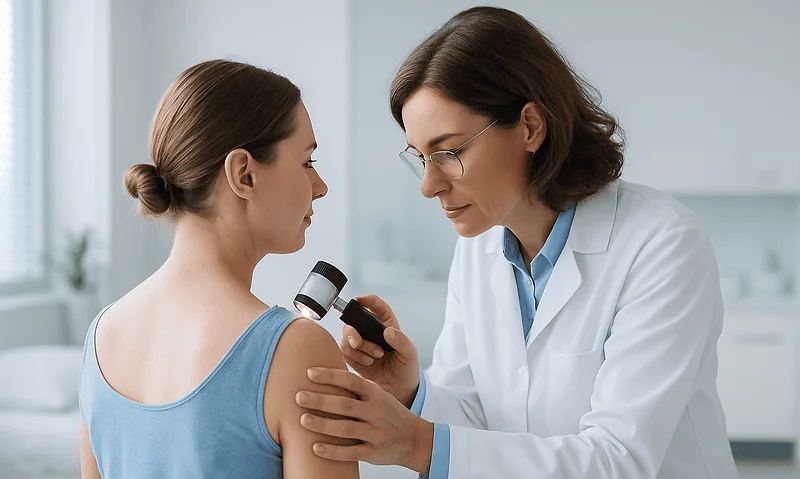
The PPD Skin Test: How TB Screening Works and How Results Are Read
A PPD test, also called a tuberculin skin test, screens for tuberculosis infection. A tiny amount of purified protein derivative is injected just under…
Medically reviewed by the Acıbadem International Medical Board September 2, 2026
See our medical review board →
Update history
- PublishedJune 14, 2026
- Medical review approvedSeptember 2, 2026
- Last content updateSeptember 2, 2026
Treatments for This Condition
Care at Acibadem

Doctors Who Treat This Condition



Infectious Diseases & Clinical Microbiology
Prof. Cihadiye Elif Öztürk, MD
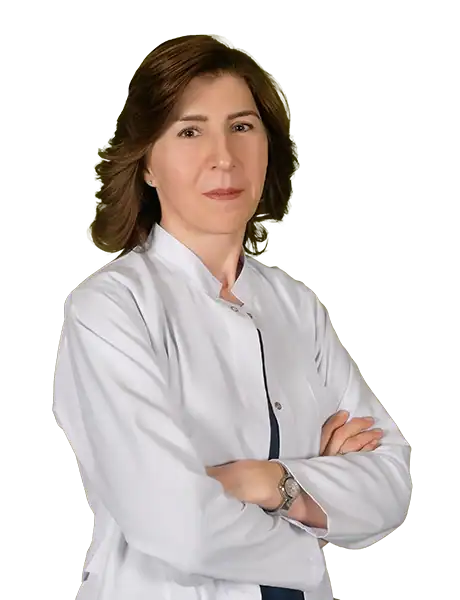
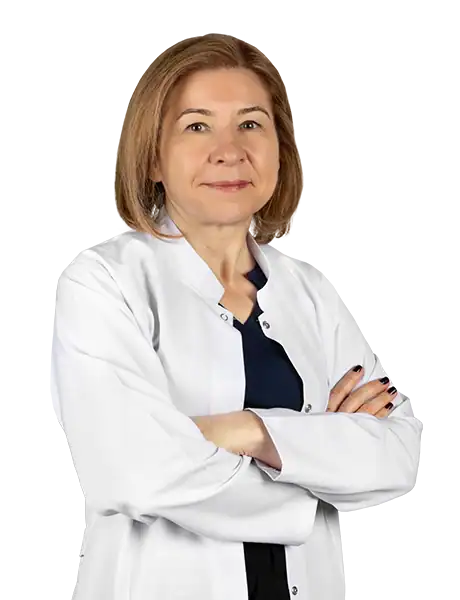


Infectious Diseases & Clinical Microbiology
Assoc. Prof. Aslıhan Demirel, MD

Infectious Diseases & Clinical Microbiology