Tuberculosis Treatment
Tuberculosis is a contagious bacterial infection, most often affecting the lungs, treated with a structured course of antibiotics and close medical monitoring to prevent complications and resistance.

Quick answer
Tuberculosis (TB) is a bacterial infection caused by Mycobacterium tuberculosis. It most often affects the lungs but can involve lymph nodes, bones, the brain and other organs. Treatment is a supervised course of several antibiotics taken together over a period of months, with regular monitoring of symptoms, laboratory results and, in pulmonary TB, sputum tests to confirm the infection is responding.
What Is Tuberculosis?
Tuberculosis is a bacterial infection caused by Mycobacterium tuberculosis. It most often affects the lungs, where it causes a slowly progressive illness with cough, fever and weight loss, but it can also involve lymph nodes, bones and joints, the brain and spinal cord, the kidneys, the abdomen and other organs. Treatment is a planned course of antibiotics taken over several months under medical supervision, and it is intended for people with confirmed active disease, strong clinical evidence of tuberculosis, or a dormant infection that carries a meaningful risk of becoming active later.
The infection exists in two states, and the difference shapes everything that follows. Active tuberculosis means the bacteria are multiplying, causing illness, and, when the lungs or airways are involved, potentially spreading to other people. Latent tuberculosis means the bacteria are present in the body but inactive: the person feels well, has no signs of disease on evaluation, and cannot pass the infection on. Treatment goals, medication choices, monitoring schedules and precautions for the people around the patient all differ between these two situations.
Many people first hear the word tuberculosis after weeks of coughing, unexplained fatigue, fever, night sweats, weight loss or an abnormal chest X-ray. Others are diagnosed without feeling ill at all, after close contact with someone who has active disease, during immigration or occupational screening, or while being evaluated for another condition entirely. Both routes to diagnosis are common, and both deserve a careful, structured response rather than alarm.
What is consumption tuberculosis?
Consumption is the historical name for tuberculosis, used for centuries before the bacterium was identified. The name described what untreated pulmonary tuberculosis did to patients: the illness appeared to consume the body, causing relentless weight loss, wasting, pallor and a slow decline over months or years. When you see references to consumption disease in older literature or family histories, they almost always mean tuberculosis of the lungs. The disease itself has not changed, but its outlook has. What was once a lingering, largely untreatable illness is now an infection that responds to well-established antibiotic regimens when they are prescribed correctly and completed. The old name survives as a reminder of why treatment discipline matters: the bacteria are the same organism that earned that reputation.
Is tuberculosis contagious?
Active pulmonary tuberculosis is contagious; latent tuberculosis is not. When a person with active TB in the lungs or airways coughs, speaks, sings or sneezes, they release tiny airborne droplets containing bacteria, which other people can inhale. Transmission usually requires prolonged or repeated exposure in shared indoor air, households, workplaces, dormitories, healthcare settings and other crowded, poorly ventilated spaces are where most spread happens. Brief, casual contact carries a much lower risk. TB does not spread through handshakes, shared cutlery, food, water or touching surfaces. Importantly, contagiousness is not permanent: once effective treatment begins and takes hold, the risk of transmitting the infection falls, and physicians use clinical response and repeat sputum testing to judge when a patient no longer poses a risk to others.
How is tuberculosis transmitted?
Someone gets tuberculosis by breathing in airborne bacteria released by a person with active disease of the lungs or airways: this is essentially the only common route of transmission. After the bacteria are inhaled, one of several things can happen. The immune system may eliminate them entirely. It may contain them without destroying them, producing latent infection that can persist silently for years or decades. Or the bacteria may multiply and cause active disease, either soon after exposure or much later, when immune defences weaken. This is why tuberculosis can appear in someone whose exposure happened long ago, in another country or another chapter of life. Risk of progression from latent infection to active disease is higher in people with HIV, diabetes, chronic kidney disease, malnutrition, or those receiving immune-suppressing treatment such as chemotherapy, transplant medication or biologic therapy. Extrapulmonary tuberculosis, TB outside the lungs, is generally not contagious, because the bacteria are not being released into the air.
Tuberculosis Symptoms
Tuberculosis symptoms usually develop gradually, over weeks rather than days, and this slow onset is one of the reasons diagnosis is often delayed. Early pulmonary TB can resemble bronchitis, a stubborn viral illness or mild pneumonia, and patients frequently receive one or more courses of ordinary antibiotics before anyone considers tuberculosis. Symptoms that persist or steadily worsen over several weeks, particularly after known TB exposure or time spent in a region where the disease is common, warrant proper medical evaluation rather than another round of watchful waiting.
- A cough lasting several weeks, sometimes producing mucus or blood
- Chest pain or discomfort with breathing or coughing
- Fever, chills, or a recurrent low-grade temperature that keeps returning
- Night sweats heavy enough to soak clothing or bedding
- Unexplained weight loss or a persistent loss of appetite
- Ongoing fatigue, weakness, or reduced tolerance for physical activity
- Swollen lymph nodes, most often in the neck, sometimes painless and slow-growing
- Back pain, headache, abdominal complaints or urinary symptoms when TB involves organs outside the lungs
Extrapulmonary tuberculosis produces symptoms that depend entirely on the organ involved, which is why it is so often mistaken for something else. TB of the spine can present as chronic back pain; TB of the membranes around the brain as headache, confusion or neck stiffness; TB of the abdomen as pain, swelling or bowel changes; TB of the kidneys as urinary symptoms. Because these presentations overlap with many other conditions, from Crohn disease in the abdomen to malignancy in the lungs and lymph nodes, tissue confirmation is often needed before treatment begins.
A substantial number of people have no symptoms at all and are identified through screening. This happens after close contact with a person who has active TB, during pre-employment or school health checks, before starting biologic or immune-suppressing medication, before organ transplantation, or during evaluation for HIV, cancer treatment, kidney disease and other immune-related conditions. A positive screening test in a well person usually points to latent infection, which is managed very differently from active disease.
What happens if you have tuberculosis?
What happens depends on whether the infection is latent or active, and on whether active disease is treated. With latent infection, nothing may ever happen: the bacteria can remain dormant for a lifetime, though they retain the capacity to reactivate, especially if immunity later weakens. With untreated active disease, the illness typically progresses: the bacteria destroy lung tissue, may form cavities, can spread through the bloodstream to other organs, and cause complications such as coughing blood, fluid around the lungs, spinal deformity, neurological injury or life-threatening systemic illness. With treated active disease, the trajectory usually changes within weeks: fever settles, appetite returns, coughing eases and energy gradually improves, while the medication continues its slower work of eliminating the remaining bacteria. The practical answer, then, is that a tuberculosis diagnosis marks the start of a structured medical pathway, assessment, confirmation, a supervised medication course and follow-up, rather than a fixed outcome.
Latent TB Infection and Active TB Disease
Latent TB infection means the immune system has walled off the bacteria without destroying them. The person feels well, has a normal or stable chest X-ray, produces no bacteria in tests of sputum or tissue, and cannot infect anyone. Treatment of latent infection is preventive: its purpose is to lower the chance that the dormant bacteria will reactivate in the future. Preventive therapy is particularly important for people with weakened immune systems, recent close contact with an infectious case, certain chronic diseases, or plans for immune-suppressing treatment ahead, situations where reactivation is more likely or would be more dangerous.
Active TB disease means the bacteria are multiplying and causing illness. Symptoms, imaging changes and laboratory findings are usually present, and pulmonary disease may be contagious. Treatment of active disease is therapeutic and more intensive: multiple antibiotics, a longer course, closer monitoring and, when the lungs are involved, infection-control measures until contagiousness resolves. The distinction between latent and active TB is not always obvious from a single test, which is why evaluation combines the patient’s history, examination, imaging and microbiology before a treatment decision is made.
How Tuberculosis Is Diagnosed
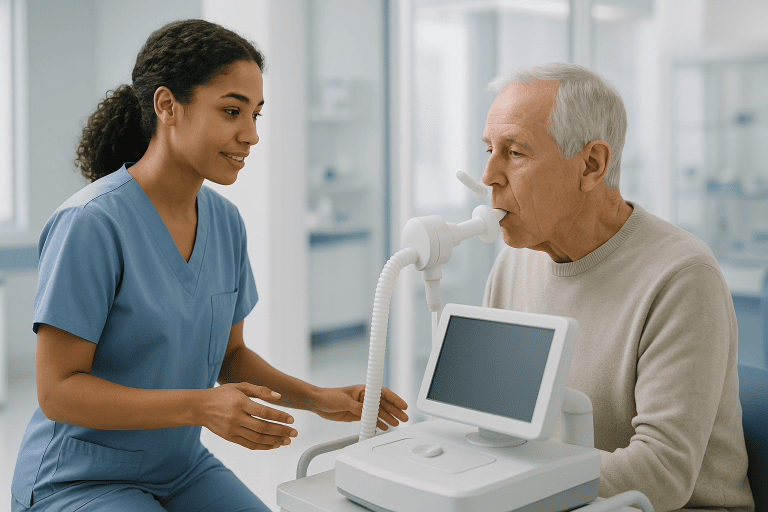
Diagnosing tuberculosis usually takes more than one test. A tuberculin skin test or a blood-based immune test (an interferon-gamma release assay) can show whether the immune system has encountered TB bacteria at some point, but neither reliably distinguishes latent infection from active disease, and neither proves that current symptoms are caused by TB. These tests are most useful for screening and for evaluating people without symptoms; when active disease is suspected, they are only the starting point.
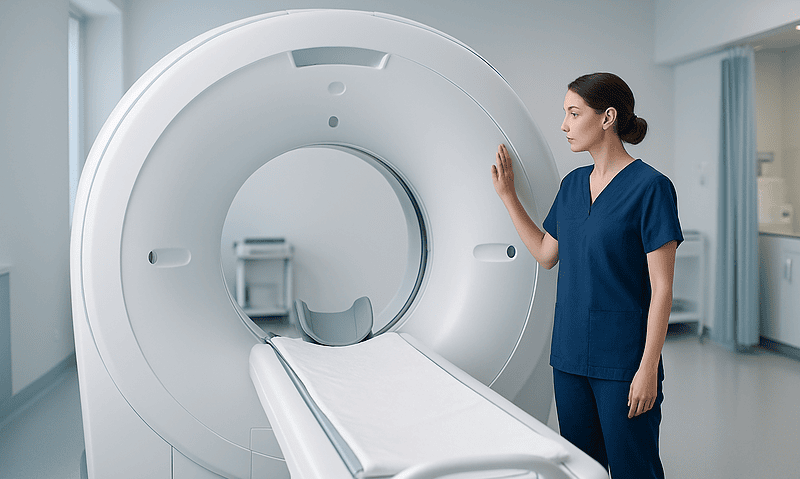
Imaging comes next. A chest X-ray is often the first study, and it may show infiltrates, cavities, enlarged lymph nodes, fluid or scarring in patterns suggestive of tuberculosis. Computed tomography provides more detail when the picture is complex, when the diagnosis is uncertain, or when physicians need to map the extent of disease before sampling. Imaging of the spine, abdomen, brain or other regions is added when extrapulmonary TB is suspected, and repeat imaging later helps document response to treatment.
Microbiology is the core of TB diagnosis because it does three things no other test can: it confirms the organism, it establishes contagiousness, and it enables drug susceptibility testing. For suspected pulmonary TB, sputum samples are examined under the microscope for acid-fast bacilli, tested with molecular methods that detect TB genetic material within hours and can flag common resistance patterns, and cultured to grow the organism itself. Culture is slower but remains essential, because a living isolate allows full susceptibility testing: the laboratory work that tells physicians which medicines will actually work against this particular strain. When a patient cannot produce sputum, induced sputum techniques or bronchoscopy may be used in appropriate cases.
For tuberculosis outside the lungs, diagnosis usually requires a sample from the affected site: lymph node biopsy, lumbar puncture for suspected meningitis, aspiration of fluid around the lungs or heart, endoscopic sampling in the abdomen, or image-guided biopsy of bone and soft tissue. These decisions are tailored to the patient’s symptoms and the organ involved. TB of the membrane around the heart, for example, is evaluated alongside other pericardial diseases, and pulmonary TB is assessed against the wider spectrum of pulmonary disease that can look similar on imaging.
In complex cases, multidisciplinary discussion brings together infectious disease, pulmonology, radiology, microbiology, neurology or surgery as needed. The aim is to answer the questions that actually determine treatment: Is this active TB? Is the patient contagious? Which medicines are likely to work? Are there complications that need attention beyond the antibiotics themselves?
Who May Need Tuberculosis Treatment
Treatment is considered for people with confirmed TB infection, strong clinical evidence of active disease, or latent infection with a raised risk of future activation. The decision rests on symptoms, exposure history, imaging, microbiology, immune status and the likelihood of drug resistance. Tuberculosis treatment addresses several distinct conditions, and the plan differs for each:
- Active pulmonary tuberculosis: disease involving the lungs: the most common form, and the form most likely to spread through the air when the patient coughs, speaks or sings.
- Latent tuberculosis infection: dormant bacteria without symptoms or contagiousness, treated preventively to reduce the risk of future active disease.
- Extrapulmonary tuberculosis: disease of the lymph nodes, bones, spine, kidneys, abdomen, pericardium, central nervous system or other organs outside the lungs.
- Disseminated or miliary tuberculosis: infection that has spread through the bloodstream to multiple organs, requiring urgent, carefully monitored therapy.
- Tuberculous meningitis: TB of the membranes around the brain and spinal cord: a serious condition needing prompt treatment and specialist care.
- Bone, joint or spinal tuberculosis: musculoskeletal disease that can cause pain, deformity, neurological symptoms or abscess formation.
- Drug-resistant tuberculosis: infection that does not respond to one or more standard medicines and must be treated with an individualised regimen built on susceptibility results.
- TB in immune-suppressed patients: disease in people living with HIV, transplant recipients, patients on cancer therapy or biologics, and those with chronic kidney disease, diabetes or other conditions that weaken immune defences.
Because tuberculosis can mimic many other diseases, accurate diagnosis comes before treatment whenever the patient’s condition allows. At the same time, when disease is severe or the clinical picture is highly convincing, physicians may begin therapy while final culture results are pending and adjust the regimen once laboratory information arrives. A person recently exposed to a contagious case may also be offered preventive therapy, depending on test results, age, immune status and the timing of exposure.
What Tuberculosis Treatment Involves
Tuberculosis treatment is a planned course of antimicrobial medicines designed to eliminate the bacteria, stop the infection spreading, prevent complications and reduce the risk of recurrence. Because TB bacteria grow slowly and can persist in a semi-dormant state, treatment lasts far longer than for most bacterial infections: the course is measured in months, not days. The exact regimen depends on whether the patient has latent infection, active drug-susceptible disease, drug-resistant disease, or TB in sensitive sites such as the brain or spine.
Initial assessment and preparation
Treatment begins with a detailed evaluation. Physicians review symptoms, exposure history, any previous TB treatment, travel and residence history, vaccination status, immune-related conditions, pregnancy status, current medications, allergies, alcohol use and any prior adverse reactions to antibiotics. This information shapes the two judgements that matter most at the outset: how likely drug resistance is, and which regimen will be safest for this particular patient.
Baseline testing follows. Blood tests typically cover liver and kidney function and blood counts, since several TB medicines are processed by the liver and monitoring starts from a known baseline: a point of particular importance for patients with existing liver disease. Depending on the patient, vision testing, hearing assessment, pregnancy testing, HIV testing, hepatitis screening or diabetes evaluation may be added, because each of these can influence which medicines are chosen and how closely they are watched.
Patients with suspected contagious pulmonary TB may need respiratory isolation until the transmission risk falls. In hospital, this can mean a designated room with appropriate air handling and staff wearing respiratory protection; at home, it means guidance on ventilation, mask use, cough etiquette and limiting close indoor contact. These measures protect household members, other patients and healthcare workers, and they are temporary: they end when clinical response and test results show the patient is no longer infectious.
The treatment pathway, step by step
Although every case is individualised, most patients move through the same sequence:
- Assessment: history, examination and risk evaluation, including the likelihood of resistance.
- Infection control: isolation and household precautions where pulmonary disease may be contagious.
- Diagnostic confirmation: imaging, sputum or tissue sampling, molecular testing and culture.
- Regimen selection: a combination of medicines matched to the disease type and susceptibility results.
- Monitoring: scheduled reviews of symptoms, side effects, laboratory values and microbiological response.
- Completion and follow-up: documented end of therapy, with review of imaging and residual symptoms where needed.
Medication phases
For drug-susceptible active TB, treatment begins with several antibiotics taken together. Combination therapy is not optional: exposing TB bacteria to a single inadequate medicine is precisely how resistance develops. The initial intensive phase uses multiple drugs to cut the bacterial load quickly, improve symptoms and reduce contagiousness. A continuation phase follows with fewer medicines, eliminating the slower-growing bacteria that cause relapse if left behind. Schedules may be daily or otherwise structured according to evidence-based protocols and local public health requirements. Some patients benefit from directly observed therapy or digital adherence support, particularly when disease is contagious, resistance is a concern, or previous treatment was interrupted. The purpose is practical, not punitive: it helps patients complete a genuinely demanding course safely. Latent infection is treated differently, with shorter preventive combinations or a longer single-medicine regimen, chosen according to patient factors, drug interactions and physician judgement.
Is tuberculosis curable?
Drug-susceptible tuberculosis is generally treatable, and most patients who complete the full prescribed regimen clear the infection and return to their normal lives. The honest caveats matter, though. Success depends on taking every medicine for the entire course, even after symptoms disappear: the bacteria that remain once a patient feels well are exactly the ones that cause relapse. Drug-resistant disease is also treatable, but the course is longer, the medicines are harder to tolerate, and the outcome depends heavily on accurate susceptibility testing and specialist supervision. And treatment eliminates the infection, not necessarily its footprint: extensive lung disease can leave scarring, and severe extrapulmonary disease can leave lasting effects even after the bacteria are gone. Early diagnosis narrows all of these caveats.
What about TB that resists standard medicines?
Drug-resistant tuberculosis requires a fundamentally different plan. If the bacteria are resistant to one or more standard medicines, the regimen must be rebuilt around laboratory testing and expert interpretation, drawing on medicines active against the patient’s specific strain. These regimens usually last longer, demand more intensive monitoring for side effects and interactions, and often involve coordination among infectious disease specialists, pulmonologists, microbiologists and radiologists, plus other specialists when additional organs are involved. Resistance most often develops through incomplete or incorrect prior treatment, which is why the treatment history taken at the first visit is so detailed, and why rapid molecular resistance testing at diagnosis has become standard practice: it prevents weeks of ineffective therapy.
Monitoring during treatment
Close monitoring is one of the most important parts of tuberculosis care. Patients are reviewed regularly to assess symptom improvement, adherence, side effects and, in pulmonary disease, contagiousness. Blood tests are repeated to track liver function and other safety markers. Sputum tests are repeated to document microbiological response, and imaging is used when symptoms persist, complications are suspected or the baseline disease was extensive. The treating team explains which warning signs to report between visits: yellowing of the skin or eyes, severe nausea, dark urine, significant abdominal pain, vision or hearing changes, numbness or tingling, rash, severe fatigue or unexplained bleeding. Many side effects are manageable when identified early, whereas interrupting therapy without medical review is one of the main drivers of relapse and resistance, if any medicine needs to change, the treating physician reassesses the whole regimen so the remaining drugs are not left under-powered.
Duration and hospitalisation
Duration depends on the type of disease and its susceptibility. Drug-susceptible pulmonary TB typically requires several months of therapy. Meningitis, bone or spinal disease, disseminated infection, slow response and drug resistance all extend the course. Latent TB regimens vary in length according to the medicines selected. Not every patient needs hospital admission: many are treated as outpatients once clinically stable and once infection-control measures are in place at home. Hospital care becomes appropriate for severe illness, breathing difficulty, suspected meningitis, major bleeding, complex diagnostic procedures, medication intolerance, drug-resistant disease requiring supervision, or circumstances that make safe isolation at home impractical.
Why Acting Early Matters
Early diagnosis and treatment protect both the patient and the people around them. Active pulmonary tuberculosis spreads through shared indoor air, and every week of untreated contagious disease extends exposure for household members, colleagues and classmates. Starting effective therapy shortens that window and allows close contacts to be evaluated before they become ill themselves.
For the patient, delay gives the bacteria time to destroy lung tissue, spread to other organs, and cause complications: coughing blood, fluid around the lungs, spinal deformity, neurological injury, kidney involvement or meningitis. In people with weakened immune systems, tuberculosis can progress rapidly and become life-threatening without prompt treatment.
Delay also increases the chance of receiving partial or inappropriate antibiotic treatment for presumed pneumonia or another illness. Ordinary antibiotics may temporarily blunt symptoms, but they do not eliminate TB, they muddy the diagnostic picture, and, when they include medicines with some activity against the bacteria, they can contribute to resistance. Incomplete or incorrect treatment is one of the principal ways drug-resistant tuberculosis arises, and once resistance is established, treatment becomes longer, more complex and harder to tolerate.
Acting early does not mean starting medicines before testing. It means completing the diagnostic steps quickly, beginning the right regimen at the right time, and remaining under medical supervision until the course is genuinely finished, not merely until the symptoms fade.
Benefits of Tuberculosis Treatment
When tuberculosis is accurately diagnosed, appropriately prescribed for and treated to completion under supervision, the benefits extend to both the patient and the community.
| Benefit | What It Means for You |
|---|---|
| Controls the infection | Effective therapy reduces the bacterial load, improves symptoms and lets the body recover from active disease. |
| Reduces contagiousness | As treatment takes hold, the risk of spreading pulmonary TB to family, colleagues and others falls under medical guidance. |
| Prevents serious complications | Timely treatment lowers the risk of progressive lung damage, spread to other organs, neurological injury and severe systemic illness. |
| Decreases relapse risk | Completing the full course eliminates the persistent bacteria that would otherwise allow TB to return later. |
| Helps prevent drug resistance | The correct combination of medicines, taken as prescribed, reduces the risk that the bacteria will become harder to treat. |
| Supports long-term planning | A documented treatment plan and follow-up record can assist with travel, work, immigration, study and future medical care. |
Recovery After Starting Tuberculosis Treatment
Recovery varies with disease severity, organ involvement, drug susceptibility, immune status and how early treatment begins, but many patients follow a broadly similar pattern.
| Time Period | What Patients Can Expect |
|---|---|
| Day 1 | Evaluation, infection-control guidance, baseline tests and, where indicated, the first doses of therapy, with clear instructions on medication use and warning symptoms. |
| First week | Some patients notice early improvement in fever or appetite; others feel much the same at first. Monitoring focuses on tolerance, adherence and safety. |
| First month | Cough, night sweats, fatigue and weight loss usually begin to ease if the bacteria are susceptible and the medicines are taken correctly. Follow-up testing may be arranged. |
| Several months | Many patients complete the main course for drug-susceptible TB during this period, with imaging and sputum results used to confirm response. |
| Longer term | Energy and lung function continue to improve. Some patients need extended therapy or follow-up for residual lung changes, extrapulmonary disease or drug-resistant infection. |
How long does it take to recover from tuberculosis (TB)?
Most patients start to feel noticeably better within the first weeks of effective therapy, fever settles, appetite returns, coughing eases and energy climbs, but feeling better and being treated are two different things. The medication course itself runs for months, because the slow-growing bacteria that survive the early phase are precisely the ones that cause relapse if therapy stops too soon. Beyond the medication, physical recovery has its own timeline: lung healing continues for months after the bacteria are gone, and patients with extensive disease may notice reduced stamina or residual scarring for some time. Extrapulmonary disease, disseminated infection and drug-resistant TB all lengthen both the treatment and the recovery. Nutrition, rest, a gradual return to activity and attendance at follow-up appointments all support the process.
Can a person with TB go to work?
Not immediately, if the disease is contagious, and yes, in due course, once it is not. A person with active pulmonary tuberculosis is usually asked to stay away from workplaces, schools and other shared indoor spaces until treatment has taken effect and the treating team, guided by clinical response and repeat sputum testing, judges that the transmission risk has passed. How long that takes varies with the extent of disease, the regimen and the individual response, so the decision is made case by case rather than by the calendar. People with latent infection face no such restriction, because latent TB cannot spread; the same is generally true of extrapulmonary disease that does not involve the lungs or airways. Once cleared to return, most patients resume work while continuing their medication, adjusting workload to their recovering energy levels.
Factors That Influence Outcomes
Drug susceptibility is the single most influential factor. Tuberculosis caused by bacteria sensitive to standard medicines is generally more straightforward to treat than resistant disease, and rapid identification of resistance lets physicians correct the regimen before ineffective treatment runs on. This is why culture and molecular testing sit at the centre of modern TB care rather than at its margins.
The extent and location of disease matter too. Limited pulmonary TB identified early tends to respond more predictably than advanced cavitary lung disease, disseminated infection, meningitis or spinal involvement. Extrapulmonary disease may need additional imaging, longer therapy or input from neurologists, orthopaedic surgeons, neurosurgeons, urologists and other specialists depending on the organ affected.
Adherence is central. The course is long, and patients commonly feel well before the infection is fully cleared, which is exactly when the temptation to stop is strongest and the consequences of stopping are worst. Missed doses, interruptions and unsupervised changes raise the risk of relapse and resistance. A good treatment plan anticipates this by building in education, scheduled follow-up, practical medication instructions and a clear point of contact within the care team for side effects and questions.
Coexisting conditions shape both safety and response. HIV, diabetes, chronic kidney disease, liver disease, malnutrition, cancer therapy, transplantation, immune-suppressing medication, pregnancy and advanced age can all affect which medicines are chosen and how closely they are monitored. Drug interactions deserve particular attention: TB medicines can interact with anticoagulants, seizure medications, HIV therapy, transplant medicines, hormonal contraception and many other drugs, so a complete medication review by the treating physician reduces avoidable risk before the first dose.
General condition counts as well. Several TB medicines are processed by the liver, so patients are usually advised to avoid alcohol during treatment. Stopping smoking supports lung healing. Adequate protein, calories and vitamins, and steady management of underlying illnesses, help the body do its share of the work.
Finally, continuity of care is essential. A tuberculosis course runs for months, and patients sometimes change physicians, move house or transfer between services before it ends. Clear documentation, test results, susceptibility data, imaging reports, exact medication names and doses, and the follow-up plan, is what allows a new treating team to continue a months-long course safely, without gaps and without repeating steps that have already been completed.
Tuberculosis Care at Acibadem
At Acibadem, tuberculosis is managed as a structured medical pathway rather than a single prescription. Physicians evaluate the type and extent of infection, test the bacteria for drug susceptibility where possible, assess coexisting conditions and medications, and monitor the patient throughout therapy. Depending on the case, care may involve the Infectious Diseases Department together with pulmonology, radiology, microbiology, internal medicine, paediatrics, neurology, thoracic surgery, orthopaedics or intensive care, and complex infections can be reviewed through multidisciplinary collaboration, particularly valuable for extrapulmonary disease, suspected resistance, immune-suppressed patients, or presentations where TB resembles cancer, inflammatory disease or another infection.
Diagnostic pathways are built to answer the questions that drive treatment. Imaging defines the extent of disease; microbiology and molecular testing identify the bacteria and their resistance patterns; laboratory monitoring tracks medication safety through the months of therapy. The specific tests recommended for each patient depend on symptoms, prior results and clinical urgency, not on a fixed menu.
Because tuberculosis affects households as well as individuals, the care pathway also considers the people around the patient. Close contacts of a person with contagious pulmonary disease may be advised to undergo screening, and physicians explain which precautions apply at home while treatment takes hold, ventilation, mask use and limits on close indoor contact, as well as when those precautions can be lifted. Where notification of the diagnosis is required, the hospital handles reporting in line with the applicable public health regulations, so the patient is not left to navigate that process alone.
Travel timing deserves plain words. If active pulmonary tuberculosis is suspected or confirmed, journeys in shared enclosed spaces, long flights above all, may need to be postponed until the patient is medically stable and no longer considered contagious; the care team advises on timing and precautions based on clinical findings rather than convenience. The aim throughout is to make a complex diagnosis manageable: accurate testing, evidence-based regimens, careful monitoring and practical guidance for the patient’s life beyond the hospital.
Completing Treatment and Looking Ahead
Tuberculosis is a serious infection, but it is one for which structured, completed treatment changes the outcome decisively. The steps that matter are consistent across every form of the disease: timely evaluation of persistent symptoms or positive screening results, accurate diagnosis with susceptibility testing wherever possible, the right regimen started at the right time, and steady follow-up until the course is genuinely finished.
The end of treatment is a defined medical milestone, not simply the day the tablets run out. Physicians confirm completion, review final test results and imaging where indicated, document the regimen and its dates, and set out any longer-term follow-up, for residual lung changes, for extrapulmonary sites that need extended surveillance, or for the rare situations where symptoms return. That documentation travels with the patient: it answers future questions from doctors, employers, schools and immigration services, and it means that a positive immune test years later can be read in its proper context. A disease once called consumption is now, for most patients who complete therapy, a closed chapter with a clear record, which is precisely what disciplined treatment is designed to achieve.
Preparation
- Evaluation usually includes a medical history, physical examination, chest imaging, sputum testing, and blood tests. Drug-susceptibility testing may be needed to choose the correct antibiotic plan. Patients should inform their doctor about pregnancy, liver disease, HIV status, and all current medications.
Aftercare
- Take all prescribed tuberculosis medicines exactly as directed, even if symptoms improve early. Regular follow-up visits, sputum tests, and liver function monitoring may be required. Patients may need temporary isolation or mask use until they are no longer contagious.
Frequently Asked Questions
What affects the cost of tuberculosis treatment?
Cost depends on the type of tuberculosis, whether it is active or latent, whether drug resistance is suspected, the need for imaging and laboratory testing, medication monitoring, specialist follow-up and whether inpatient isolation is required.
How can I get a personalised quote for tuberculosis care in Turkey?
You can request a free consultation and share your medical records, test results, imaging, medication history and current symptoms. A specialist team can then advise which evaluations are needed and provide a personalised estimate.
Is tuberculosis treatment usually outpatient or inpatient?
Many patients can be managed as outpatients, but inpatient care may be needed if the patient is very unwell, has complications, needs isolation or requires close monitoring. The decision is made by the treating specialist.
Do travel plans affect tuberculosis treatment costs?
Yes. Travel planning may involve medical clearance, infection control guidance, translated reports, medication continuity and follow-up arrangements. Patients with potentially contagious tuberculosis should not travel without specialist advice.
Why are drug susceptibility tests important for cost and treatment planning?
These tests help determine which antibiotics are likely to work. If resistance is suspected or confirmed, treatment may require different medicines, closer monitoring and more specialist follow-up, which can change the overall cost.
Medically reviewed by the Acıbadem International Medical Board August 31, 2026
See our medical review board →
Update history
- PublishedJune 8, 2026
- Medical review approvedAugust 31, 2026
- Last content updateSeptember 8, 2026
References3
- Tuberculosis who.int
- Tuberculosis nhs.uk
- Tuberculosis medlineplus.gov
Trusted care for international patients
From the Acibadem Blog
When a Household Member Is Treated for Tuberculosis: Contact Screening and Everyday Precautions
Living with someone with tuberculosis usually means the local health department or care team will offer you a TB skin or blood test, often…

How Is Tuberculosis Diagnosed? Skin and Blood Tests, Sputum Cultures and Chest Imaging
Tuberculosis is diagnosed in two stages. A skin test or a blood test (interferon-gamma release assay) shows whether the immune system has ever met…