Mysophobia: An Evidence-Based Guide for Patients

Mysophobia is a persistent fear of germs or contamination that can interfere with daily life. It is different from simply being careful about hygiene or infection prevention.
Key Takeaways
- Mysophobia is a persistent fear of germs or contamination that can interfere with daily life.
- It is different from simply being careful about hygiene or infection prevention.
- Symptoms may include distress, avoidance, repetitive cleaning, and difficulty functioning in everyday settings.
- Assessment usually focuses on symptoms, triggers, and whether mysophobia is linked with anxiety or obsessive-compulsive disorder.
- Treatment often includes psychotherapy, especially exposure-based approaches, and sometimes medication.
- Early help can reduce distress and improve quality of life.
Mysophobia is an intense fear of germs, dirt, or contamination that goes beyond ordinary cleanliness concerns. It can affect routines, relationships, and wellbeing, but effective treatment and support are available.
Overview: what mysophobia means
Mysophobia is an intense, ongoing fear of germs, dirt, contamination, or becoming infected. Many people prefer clean environments and sensible hygiene, but mysophobia goes further: the fear feels hard to control and may lead to significant distress, avoidance, or repeated cleaning behaviors. In practical terms, it can interfere with work, school, travel, social activities, and daily routines.
The term is sometimes used alongside “germophobia,” although clinicians usually focus less on labels and more on how symptoms affect a person’s life. Mysophobia can occur on its own as a specific phobia, or it may overlap with other mental health conditions, especially anxiety disorders and obsessive-compulsive disorder. Understanding that difference is important because treatment is based on the pattern of symptoms, not just the fear itself.
It is also important to note that concern about infection is not automatically a mental health disorder. During flu season, after a medical procedure, or when following public health advice, cleaning hands and avoiding obvious sources of illness can be appropriate. Mysophobia is different because the fear is excessive for the situation, persists over time, and causes disruption or suffering.
How mysophobia may feel in daily life
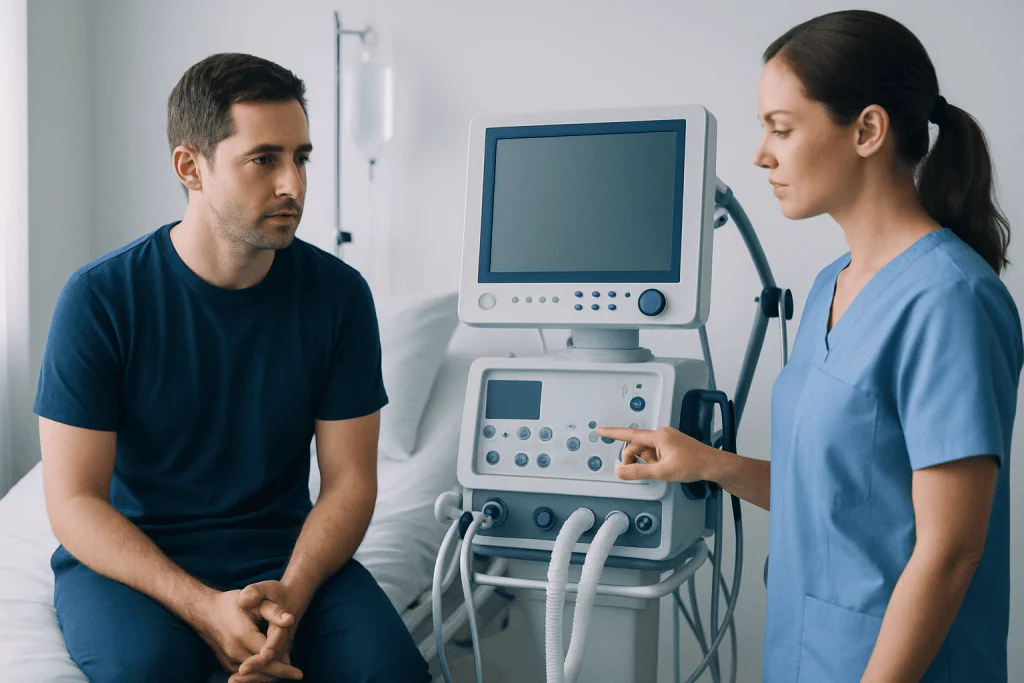
People with mysophobia often describe a strong sense of danger when they think about touching objects, being in public places, shaking hands, using bathrooms, or coming near dirt, bodily fluids, or items they believe are contaminated. The distress may appear suddenly and feel overwhelming, even when there is no clear medical risk. Some people recognize that the fear is out of proportion, while others mainly feel compelled to act on it to get relief.
Common symptoms can include anxiety, disgust, racing thoughts, physical tension, sweating, rapid heartbeat, or panic-like symptoms when exposed to triggers. To reduce that discomfort, a person may avoid places or situations they associate with germs, seek reassurance from others, or spend a great deal of time cleaning, washing, or replacing items.
Examples of behaviors linked with mysophobia may include:
- Frequent handwashing beyond routine hygiene needs
- Avoiding public transport, elevators, shared offices, or restaurants
- Using tissues, gloves, or barriers to touch everyday objects
- Throwing away items viewed as contaminated
- Repeatedly asking family members whether something is “clean enough”
- Difficulty relaxing at home if others do not follow strict cleaning rules
Over time, the pattern can become self-reinforcing. Avoidance and rituals may bring short-term relief, but they can make the fear stronger in the long run because the person has fewer chances to learn that many situations are safe and manageable.
Causes and risk factors

There is no single cause of mysophobia. Like many anxiety-related conditions, it is thought to develop through a combination of biological, psychological, and environmental factors. Some people may have a family tendency toward anxiety, heightened sensitivity to threat, or a temperament that makes uncertainty especially uncomfortable. Others may trace the fear to a stressful experience involving illness, contamination, or witnessing someone else’s strong fear of germs.
Learning and life experience can also play a role. Repeated messages about danger, strict cleanliness expectations, or growing up in an environment where contamination was strongly emphasized may shape how a person interprets normal contact with everyday surfaces. Major health scares, media exposure, or personal loss related to illness can worsen existing fears in some individuals.
Mysophobia may also be associated with other mental health conditions. In some people, the main problem is a specific phobia centered on contamination. In others, intrusive thoughts and repetitive rituals suggest a broader condition such as an anxiety disorder or obsessive-compulsive disorder. Depression, health anxiety, and traumatic stress can sometimes occur alongside it, affecting how treatment is planned.
How doctors and mental health professionals diagnose it
There is no blood test or scan that confirms mysophobia. Diagnosis is made through a careful clinical evaluation. A doctor, psychologist, or psychiatrist will usually ask about the person’s fears, triggers, behaviors, physical symptoms, and how long the problem has been present. Just as importantly, they will explore how much the fear interferes with daily life, relationships, and responsibilities.
The assessment often looks at whether the pattern fits a specific phobia, obsessive-compulsive disorder, or another anxiety-related condition. This distinction matters because someone who avoids dirt because of a fear response may need a slightly different treatment approach from someone who has intrusive contamination thoughts followed by compulsive rituals. Screening may also include questions about mood, sleep, stress, substance use, and any past trauma.
Doctors may also consider physical health where relevant. For example, if symptoms such as palpitations, dizziness, or panic are prominent, they may evaluate whether another medical issue is contributing. The goal is not to dismiss the fear, but to understand the whole picture so care can be tailored appropriately and safely.
Treatment options that can help
Mysophobia is treatable, and many people improve with structured care. The mainstay of treatment is psychotherapy, particularly cognitive behavioral therapy (CBT). CBT helps a person understand how thoughts, emotions, and behaviors interact, and it teaches practical skills to reduce avoidance and respond differently to fear. A key part of treatment may be exposure therapy, a gradual, supervised approach in which the person learns to face feared situations safely and tolerate the anxiety until it lessens.
When symptoms are severe, long-lasting, or linked with obsessive-compulsive disorder or broader anxiety, medication may also be considered. A psychiatrist or other qualified doctor can explain the possible benefits and side effects of anti-anxiety or antidepressant medicines and decide whether they are appropriate. Medication is often most helpful when combined with therapy rather than used alone.
Depending on the individual, treatment may include psychiatric care and psychological counseling as part of a coordinated plan. If OCD features are prominent, a clinician may evaluate for targeted OCD treatment. In complex cases, support from a wider team can be useful, especially when fear has significantly reduced functioning or led to social isolation.
Improvement usually takes time rather than happening all at once. Small, steady gains matter. The aim is not to remove all concern about germs—which would be unrealistic—but to restore balance so normal hygiene practices no longer dominate a person’s life.
Self-care, coping strategies, and prevention of worsening
There is no guaranteed way to prevent mysophobia, but early attention to anxiety symptoms can reduce the chance that fear becomes deeply ingrained. A helpful starting point is to distinguish evidence-based hygiene from fear-driven rituals. Following routine medical advice on handwashing, food safety, and illness prevention is sensible; adding repeated, time-consuming, or rigid behaviors that are not medically necessary may maintain the problem.
Some people benefit from keeping a record of triggers, anxious thoughts, and the behaviors that follow. This can reveal patterns, such as specific places, situations, or news stories that increase distress. Relaxation exercises, slow breathing, regular sleep, physical activity, and limiting reassurance-seeking may also support recovery, especially when practiced consistently.
It is usually best not to force sudden exposure without professional guidance if the fear is severe. Instead, a clinician may help create a graded plan with manageable steps. Family members can be supportive by listening without judgment and encouraging treatment, while avoiding becoming part of rituals such as constant cleaning, repeated checking, or repeated reassurance.
For international patients seeking multidisciplinary evaluation, Acibadem International’s JCI-accredited hospitals offer assessment and treatment through specialists in mental health and related fields, including neurology input when symptoms overlap with broader neurological or psychiatric concerns.
When to seek medical care
Medical or mental health support is advisable when fear of germs begins to control daily decisions, causes intense distress, or leads to avoidance that affects work, school, travel, eating, sleep, or relationships. Help is also important if handwashing or cleaning rituals take up a large part of the day, cause skin damage, or do not bring lasting relief.
A person should seek prompt professional help if anxiety is accompanied by panic attacks, depression, misuse of alcohol or drugs, or thoughts of self-harm. Parents should consider evaluation when a child’s fear of contamination leads to school refusal, severe family conflict, or major changes in behavior. Early care can make symptoms easier to treat and may prevent the pattern from becoming more disabling.
If there is uncertainty about whether symptoms reflect ordinary caution or a treatable condition, a qualified clinician can help clarify the difference. Seeking advice is not an overreaction; it is a practical step toward understanding the cause of distress and finding the most suitable support.
Frequently asked questions
Is mysophobia the same as being clean or careful about hygiene?
No. Many people prefer cleanliness and follow good hygiene practices, especially during illness seasons or in healthcare settings. Mysophobia involves excessive fear, distress, or avoidance that goes beyond normal caution and starts to interfere with daily life.
Is mysophobia a form of OCD?
Sometimes, but not always. Mysophobia can exist as a specific phobia focused on germs or contamination, and it can also appear as part of obsessive-compulsive disorder. A professional evaluation helps determine which pattern is present and what treatment is likely to help most.
What are the most common signs of mysophobia?
Common signs include intense fear of contamination, avoiding public places or shared objects, repeated handwashing, excessive cleaning, and a strong need for reassurance. The key feature is that these symptoms cause distress or disrupt work, school, relationships, or routine activities.
Can mysophobia be treated successfully?
Yes. Many people improve with evidence-based treatments such as cognitive behavioral therapy and exposure therapy. In some cases, medication may also help, particularly when symptoms are severe or occur alongside other anxiety-related conditions.
Can children and teenagers develop mysophobia?
Yes. Children and adolescents can develop intense fears related to germs or contamination, sometimes after stressful experiences or illness-related worries. If the fear leads to avoidance, family distress, or problems at school, professional support is recommended.
Should a person try to face the fear alone?
Mild symptoms may improve with education and supportive coping strategies, but severe fear is usually best addressed with professional guidance. Unplanned self-exposure can feel overwhelming and may backfire, while a structured treatment plan is designed to be gradual and safe.
References
- National Institute of Mental Health
- American Psychiatric Association
- National Health Service
- Mayo Clinic
- World Health Organization
This article is for general information only and is not a substitute for professional medical advice. Please consult a qualified doctor about your individual situation.
Explore treatments in Turkey — costs, top hospitals & a free quote
JCI-accredited · board-certified surgeons · reply within 24h

More from the Health Library



Related Specialists

Assoc. Prof. Dr. Onur Tunali
Orthopedic Surgery & Traumatology
Dr. Safiye Küçükgül
Ophthalmology
Dr. Maşallah Candemir
Pediatrics
Dr. Mürüvvet Ayten Tüzünalp
Ophthalmology