Primary Sclerosing Cholangitis: Early Signs, Risk Factors, and How It Is Treated

Primary sclerosing cholangitis often causes no symptoms at first and is frequently detected through abnormal liver blood tests. Early signs can include fatigue, itching, right upper abdominal discomfort, and jaundice. Seek medical care promptly if fever, chills, or worsening pain and jaundice develop, as these may indicate a bile duct infection.
Key Takeaways
- Primary sclerosing cholangitis affects the bile ducts and can lead to chronic liver damage over time.
- Many people have no symptoms at first, while others notice fatigue, itching, abdominal discomfort, or jaundice.
- It is often linked with inflammatory bowel disease, especially ulcerative colitis.
- There is no single medicine that cures PSC, but regular follow-up helps manage symptoms and detect complications early.
- Some people need procedures to open narrowed bile ducts, and advanced disease may require liver transplantation.
Sometimes the first clue is nothing more than an itch that won’t settle, or a blood test taken for another reason that comes back abnormal. That can be how primary sclerosing cholangitis makes itself known.
In this long-term disease, the bile ducts become inflamed, scarred, and narrowed. Bile flows more slowly, and over time the liver is affected. Treatment focuses on monitoring, relieving symptoms, managing complications, and assessing whether advanced care such as endoscopic therapy or liver transplantation is needed.
Overview
Primary sclerosing cholangitis is a chronic disease of the bile ducts. In this condition, inflammation and scar tissue develop in the ducts that carry bile from the liver to the intestine. As these ducts become narrowed, bile cannot flow normally. Over time, this can injure the liver and may lead to cirrhosis or liver failure in some people.
The condition is called “primary” because it does not start as a result of another known bile duct problem, and “sclerosing” refers to hardening or scarring. Primary sclerosing cholangitis may affect small ducts within the liver, larger ducts outside the liver, or both. Its course varies widely. Some people remain stable for years, while others develop symptoms or complications sooner.
The disease is uncommon, but it does need long-term specialist follow-up. It is also closely associated with inflammatory bowel disease, especially ulcerative colitis. For this reason, care often involves both liver and digestive specialists, especially when symptoms, abnormal blood tests, or bowel disease occur together.
Early Signs and Symptoms
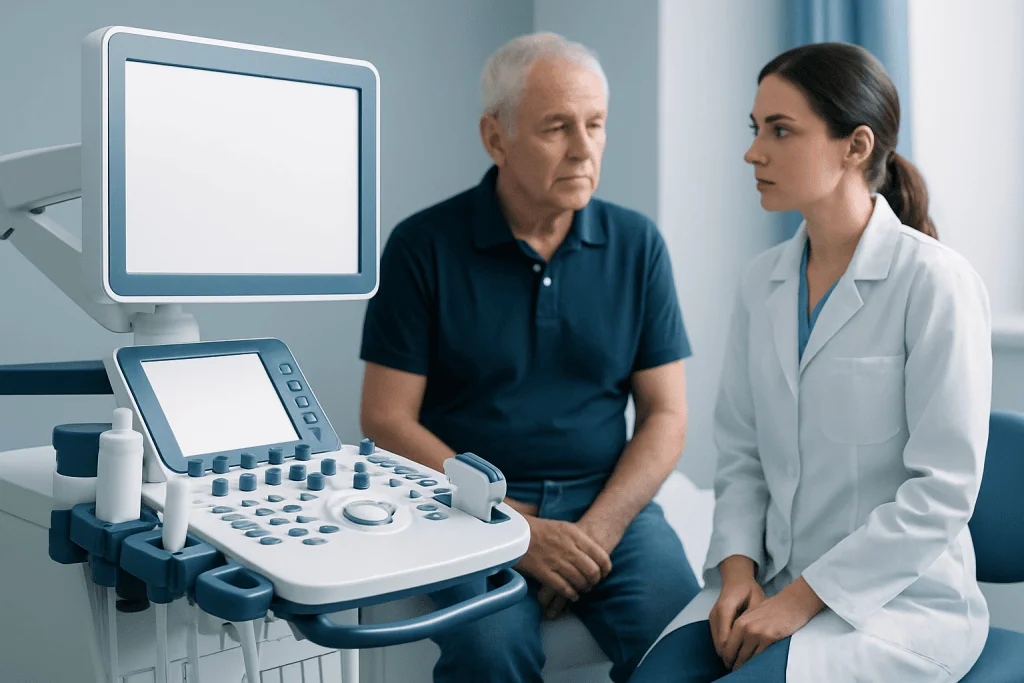
Many people with primary sclerosing cholangitis have no symptoms when the disease is first found. It may be suspected after routine blood tests show a cholestatic pattern, meaning markers related to bile flow are elevated. When symptoms do appear, they are often gradual rather than sudden.
Common early symptoms include tiredness, itching of the skin, discomfort in the upper right abdomen, and yellowing of the skin or eyes. Some people notice dark urine or pale stools because bile is not reaching the intestine normally. These symptoms can come and go, especially early in the disease.
If a narrowed bile duct becomes more severely blocked or infected, symptoms can be more noticeable. Fever, chills, worsening abdominal pain, and jaundice may suggest an episode of cholangitis, which needs prompt medical attention. Symptoms may also overlap with ulcerative colitis or other digestive conditions, so proper evaluation is important.
- Fatigue
- Itching without an obvious rash
- Right upper abdominal discomfort
- Jaundice
- Dark urine and pale stools
- Fever or chills if infection develops
Causes and Risk Factors

The exact cause of primary sclerosing cholangitis is not fully understood. Current evidence suggests it may involve an abnormal immune response in people who are genetically susceptible. Environmental factors may also play a role, but no single trigger has been confirmed.
One of the strongest associations is inflammatory bowel disease, especially ulcerative colitis. A substantial number of people with PSC also have colitis, although bowel symptoms may be mild or even absent at first. PSC can also occur with Crohn’s disease, but this is less common. Because of this link, doctors may evaluate the colon even if bowel disease has not yet been diagnosed.
Other risk factors and related issues include family history, male sex, and diagnosis in early or middle adulthood, although PSC can affect anyone. It is different from more common bile duct problems such as gallstones and is also distinct from cirrhosis, though untreated or advanced PSC can eventually lead to cirrhosis as scarring progresses within the liver.
How Primary Sclerosing Cholangitis Is Diagnosed
Diagnosis usually begins with a medical history, physical examination, and liver blood tests. Doctors often notice elevations in alkaline phosphatase and other markers that suggest slowed bile flow. Blood tests may also help rule out other liver diseases and look for signs of inflammation, vitamin deficiency, or impaired liver function.
Imaging of the bile ducts is central to diagnosis. Magnetic resonance cholangiopancreatography, or MRCP, is commonly used because it can show narrowing and beading of the bile ducts without an invasive procedure. In some situations, endoscopic retrograde cholangiopancreatography may be needed, particularly if there is concern for a dominant stricture, tissue sampling, or the need to relieve a blockage through ERCP treatment.
Some people also need ultrasound, CT, or a liver biopsy, especially if small-duct disease or overlap with autoimmune hepatitis is being considered. PSC increases the risk of bile duct cancer and is linked with bowel disease, so the diagnosis does more than give the condition a name. It shapes your surveillance, your colon assessment, and your long-term follow-up with gastroenterology specialists.
Treatment Options and Ongoing Management
There is currently no single medicine proven to cure primary sclerosing cholangitis or reliably stop its progression in every patient. Treatment is therefore individualized and focused on careful monitoring, symptom relief, management of complications, and timely intervention when duct narrowing or advanced liver disease develops. Follow-up usually includes blood tests, imaging, and assessment for nutritional and bone health issues.
Itching can often be managed with prescription medicines and skin-care strategies recommended by a clinician. Doctors also treat vitamin deficiencies, osteoporosis risk, and episodes of bacterial cholangitis when they occur. If a major bile duct narrowing is causing jaundice, recurrent infection, or worsening liver tests, an endoscopic procedure may be used to stretch the duct or place a temporary stent.
When PSC progresses to severe liver damage, persistent symptoms, recurrent infections, or complications of portal hypertension, liver transplantation may be considered. This can be a highly effective option for selected patients with advanced disease. In complex cases, evaluation by specialists in liver transplantation may become part of long-term planning. Near the end of the care pathway, some international patients choose centers such as Acibadem International, where multidisciplinary specialists and JCI-accredited hospitals evaluate and treat hepatobiliary and liver conditions.
Monitoring, Complications, and Daily Self-care
Primary sclerosing cholangitis changes over time, so monitoring is part of the treatment itself. Doctors watch for worsening liver function, recurrent bile duct blockage, signs of infection, and complications such as portal hypertension. They may also recommend regular screening for cholangiocarcinoma and colon surveillance when inflammatory bowel disease is present.
Possible complications include cirrhosis, enlargement of the spleen, fluid buildup in the abdomen, vitamin deficiencies related to poor bile flow, thinning of the bones, and increased risk of certain cancers involving the bile ducts, gallbladder, colon, or liver. Not everyone runs into these problems. Routine follow-up simply catches them earlier, when they are easier to manage.
Daily self-care supports overall liver health but does not replace medical treatment. Helpful measures often include avoiding excessive alcohol, discussing all medicines and supplements with a clinician, staying up to date with recommended vaccines, maintaining balanced nutrition, and reporting new symptoms promptly. People who also have inflammatory bowel disease benefit from coordinated digestive and liver care, including evaluation for conditions such as colonoscopy when advised.
When to Seek Medical Care
Medical review is important for anyone with ongoing itching, unexplained fatigue, yellowing of the eyes or skin, dark urine, pale stools, or persistent upper abdominal discomfort. Even mild symptoms can be useful clues when they occur alongside abnormal liver tests or known inflammatory bowel disease. Early assessment can help confirm the cause and establish a safe follow-up plan.
Urgent medical attention is needed if fever, chills, increasing abdominal pain, confusion, severe jaundice, vomiting, black stools, or sudden abdominal swelling develop. These symptoms may suggest infection, advanced liver dysfunction, or another serious complication. People with known PSC should also seek prompt care if their symptoms change noticeably or become more frequent.
The disease can be silent early on, so keep your appointments even when you feel perfectly well. Ongoing care with a qualified doctor helps guide testing, symptom control, and decisions about specialist procedures or transplant evaluation if needed.
Frequently asked questions
Is primary sclerosing cholangitis curable?
There is no medicine that cures primary sclerosing cholangitis at present. Treatment focuses on monitoring the disease, relieving symptoms, treating complications, and considering procedures or liver transplantation when needed.
What are the first signs of primary sclerosing cholangitis?
Some people have no symptoms at first and only learn about it after abnormal liver blood tests. Early symptoms can include fatigue, itching, mild upper abdominal discomfort, jaundice, dark urine, or pale stools.
Is primary sclerosing cholangitis related to ulcerative colitis?
Yes. Primary sclerosing cholangitis is strongly associated with inflammatory bowel disease, especially ulcerative colitis. Because of this link, doctors often assess the colon even if bowel symptoms are mild or absent.
How serious is primary sclerosing cholangitis?
The severity varies from person to person. Some individuals stay stable for many years, while others develop progressive liver scarring, recurrent infections, or complications that require more advanced treatment.
How is primary sclerosing cholangitis diagnosed?
Diagnosis usually combines liver blood tests with imaging of the bile ducts, most often MRCP. In selected cases, ERCP, liver biopsy, or additional scans may be used to clarify the diagnosis or treat a blockage.
Can lifestyle changes help with primary sclerosing cholangitis?
Lifestyle changes cannot cure PSC, but they can support overall liver health. Avoiding excessive alcohol, checking medicines and supplements with a doctor, keeping up with vaccines, and attending regular follow-up visits are all helpful.
This article is for general information only and is not a substitute for professional medical advice. Please consult a qualified doctor about your individual situation.
Persistent digestive symptoms? Get evaluated in Turkey
7 JCI-accredited hospitals · board-certified surgeons · reply within 24h
Add us as a Preferred Source to see more of our trusted health content across Google Search, AI Overviews and Discover.

Medically reviewed by the Acıbadem International Medical Board — August 24, 2026
See our medical review board →
Update history
- PublishedAugust 6, 2026
- Medical review approvedAugust 24, 2026
- Last content updateAugust 24, 2026
References1
- Primary Sclerosing Cholangitis - MedlinePlus — medlineplus.gov
Gastroenterology
Diagnosis and treatment of the digestive system and liver, with advanced endoscopy.
43 specialists in this unitGastroenterology Specialists at Acibadem




Related Treatments
Related Conditions
More from the Health Library

How Colon Cancer Can Change Stool and When to Get Checked

Duodenitis: Early Signs, Risk Factors, and How It Is Treated

Barrett’s Esophagus Screening Uses Endoscopy and Biopsies

Vomiting and Diarrhea Together: Causes and Warning Signs

Digestive Disease Treatment Depends on Finding the Cause