Being Sick Poo: An Evidence-Based Guide for Patients

Being sick poo most often means diarrhea with or without vomiting, commonly caused by a viral or bacterial stomach illness. The main early concern is dehydration, especially in children, older adults, and people with chronic illness.
Key Takeaways
- Being sick poo most often means diarrhea with or without vomiting, commonly caused by a viral or bacterial stomach illness.
- The main early concern is dehydration, especially in children, older adults, and people with chronic illness.
- Rest, oral fluids, and bland foods are often enough for mild cases, but antibiotics are not routinely needed.
- Blood in the stool, high fever, severe abdominal pain, or symptoms lasting more than a few days should be assessed by a doctor.
- Good hand hygiene, safe food handling, and attention to travel-related risks can help prevent many cases.
Being sick poo usually refers to diarrhea, vomiting, or both happening together, often because of a short-term stomach infection, food-related illness, or irritation in the digestive tract. Most episodes settle within a few days, but dehydration, blood in the stool, severe pain, or symptoms that persist need medical attention.
Overview: what “being sick poo” usually means
“Being sick poo” is an informal way people may describe diarrhea, vomiting, or both at the same time. In medical terms, this often points to a short-lived digestive illness such as gastroenteritis, sometimes called a stomach bug, although food poisoning, medication side effects, and other gut conditions can cause similar symptoms.
For many people, the illness is uncomfortable but self-limiting. The body typically recovers within a few days with rest and careful fluid replacement. The main issue doctors watch for is not the number of bowel movements alone, but whether the person is becoming dehydrated or has warning signs that suggest a more serious cause.
It is also important to remember that “being sick poo” is a symptom description, not a diagnosis. Loose stools after a rich meal, ongoing bowel changes due to a chronic digestive condition, or sudden vomiting after contaminated food can look similar at first. Looking at timing, triggers, severity, and associated symptoms helps clarify what is happening.
Common symptoms and what they can feel like
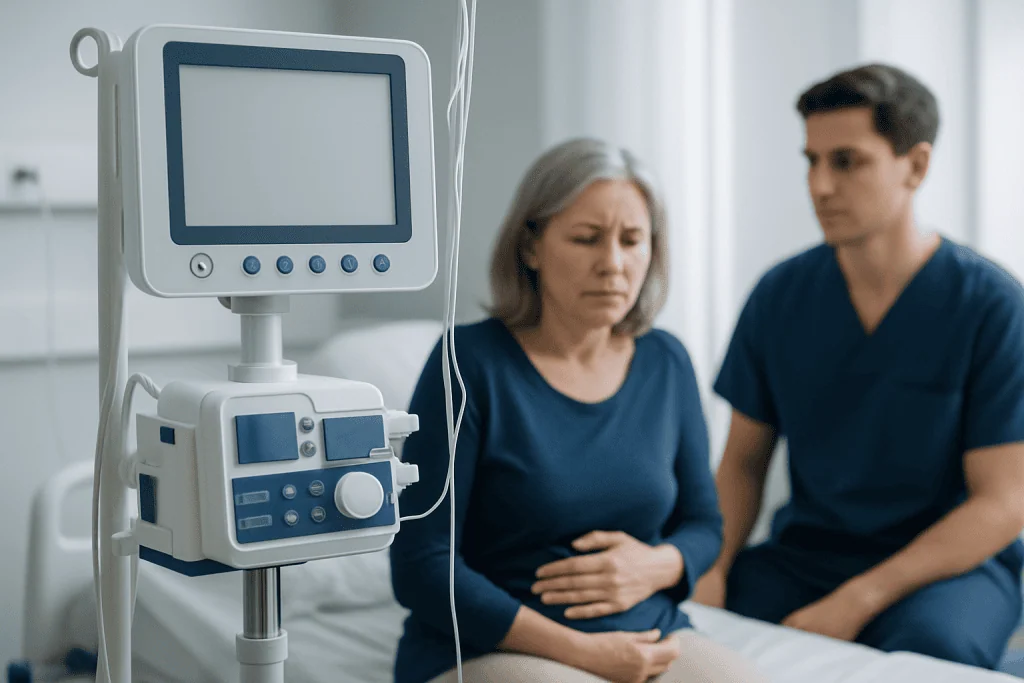
The most common symptoms are frequent loose or watery stools, nausea, vomiting, stomach cramps, bloating, and an urgent need to use the toilet. Some people also have a mild fever, loss of appetite, tiredness, headache, or body aches, especially when the cause is a viral infection.
Symptoms may start suddenly over a few hours or build over a day or two. Vomiting can come first, followed by diarrhea, or the reverse. In foodborne illness, symptoms often begin relatively soon after eating contaminated food, although the timing depends on the germ or toxin involved.
Signs of dehydration deserve careful attention. These can include thirst, a dry mouth, reduced urination, dark urine, dizziness, unusual sleepiness, weakness, or feeling faint. In children, parents may notice fewer wet diapers, no tears when crying, or unusual irritability.
- Mild illness: a few loose stools, mild cramps, able to keep fluids down
- Moderate illness: repeated diarrhea or vomiting, tiredness, reduced appetite
- More serious illness: blood in stool, severe pain, confusion, signs of dehydration
Causes and risk factors

The most common cause of being sick poo is an infection affecting the stomach and intestines. Viruses such as norovirus and rotavirus are frequent causes, especially when symptoms spread among family members, in schools, or during travel. Bacteria and, less commonly, parasites can also cause diarrhea and vomiting, particularly after contaminated food or water.
Not every case is infectious. Food intolerance, overeating, alcohol, certain medications, and digestive disorders may lead to similar symptoms. Antibiotics can disturb the natural balance of bacteria in the gut and cause diarrhea. People who have persistent symptoms, weight loss, blood in the stool, or repeated episodes may need assessment for other bowel conditions such as Crohn’s disease or ulcerative colitis.
Several factors increase the likelihood of illness or complications. Young children, older adults, pregnant people, and those with weakened immune systems are more vulnerable to dehydration and prolonged illness. Recent travel, eating undercooked foods, unpasteurized dairy, untreated water, or close contact with someone who is unwell can all raise risk.
Stress and irritable bowel syndrome can also change bowel habits, but they do not usually cause fever or vomiting. If symptoms recur without obvious infection, a doctor may consider conditions such as irritable bowel syndrome alongside other causes.
How doctors assess the problem
Doctors usually begin with a careful history. They may ask when the symptoms started, how many episodes of diarrhea or vomiting have occurred, whether there is fever or blood, what foods were eaten recently, whether anyone nearby is ill, and whether there has been recent travel or antibiotic use.
A physical examination may focus on hydration status, temperature, heart rate, abdominal tenderness, and signs of complications. In many mild, short-lived cases, tests are not necessary because the likely cause is a viral infection that improves on its own.
Testing may be helpful if symptoms are severe, persistent, or unusual. Depending on the situation, a doctor may request stool tests, blood tests, or imaging. If there is concern about dehydration, severe abdominal pain, chronic bowel disease, or another structural problem, further evaluation may be arranged through specialist services such as gastroenterology evaluation.
Treatment options and supportive care
The foundation of treatment is replacing fluid and salts lost through diarrhea and vomiting. Small, frequent sips of water, oral rehydration solutions, clear soups, or diluted drinks may be easier to tolerate than large amounts at once. Babies and children should continue age-appropriate feeding unless a clinician advises otherwise.
Food can usually be reintroduced gradually once vomiting settles. Simple foods such as rice, toast, bananas, potatoes, applesauce, crackers, or soup are often easier on the stomach. Greasy foods, heavy meals, alcohol, and excess caffeine may worsen symptoms for a time.
Medicines may sometimes help, but they are not right for everyone. Anti-nausea treatment or short-term anti-diarrheal medicines may be appropriate in selected adults. Antibiotics are only used when a bacterial cause is suspected or confirmed, or when a person is at higher risk of complications. People with severe dehydration may need hospital-based treatment with intravenous fluids through intravenous fluid support if they cannot keep enough down by mouth.
If symptoms do not settle or suggest another digestive illness, doctors may consider further management through colonoscopy or other tests, depending on age, duration of symptoms, and associated warning signs. Treatment always depends on the underlying cause, not just the symptom of diarrhea.
Self-care, hygiene, and prevention
Most people can recover at home with sensible self-care. Resting, drinking fluids regularly, eating lightly as appetite returns, and avoiding intense exercise for a day or two can support recovery. It is usually best to avoid preparing food for others while symptoms are active.
Hand hygiene is one of the most effective ways to prevent spread. Washing hands with soap and water after using the toilet, after changing diapers, and before eating or preparing food helps reduce transmission. Surfaces in bathrooms and kitchens should be cleaned carefully, especially if vomiting or diarrhea has occurred.
Food safety also matters. Meat, eggs, and seafood should be cooked thoroughly; raw and cooked foods should be kept separate; and perishable foods should be refrigerated promptly. During travel, safer choices may include bottled or treated water and well-cooked foods served hot.
For people who have repeated digestive symptoms, a symptom diary may help identify patterns such as certain foods, medications, or times of stress. This can be useful when discussing symptoms with a doctor, especially if the problem is not a one-time stomach infection.
When to seek medical care
Medical advice should be sought if symptoms are severe, persistent, or concerning. This includes diarrhea lasting more than a few days, vomiting that prevents fluid intake, blood or black material in the stool, high fever, severe or worsening abdominal pain, or signs of dehydration such as dizziness, confusion, very little urine, or fainting.
Extra caution is important for infants, older adults, pregnant people, and anyone with diabetes, kidney disease, inflammatory bowel disease, or a weakened immune system. These groups can become dehydrated more quickly or may need treatment sooner.
If symptoms point to a condition beyond a simple stomach bug, specialist review may be advised. Acibadem International’s multidisciplinary specialists in JCI-accredited hospitals diagnose and treat digestive conditions for international patients, including those who may need advanced evaluation or hospital care.
Frequently asked questions
Is being sick poo usually a stomach bug?
Often, yes. Many short episodes of diarrhea and vomiting are caused by viral gastroenteritis, but food poisoning, medication side effects, and other digestive conditions can cause similar symptoms. The pattern of symptoms and how long they last help doctors tell the difference.
How long does being sick poo usually last?
Many mild cases improve within 1 to 3 days, though bowel habits can take a little longer to fully normalize. If symptoms continue beyond a few days, keep returning, or are getting worse, medical assessment is sensible.
What should someone eat after diarrhea and vomiting?
Once vomiting eases, small amounts of simple foods are usually best, such as toast, rice, bananas, soup, or crackers. The priority early on is fluids and electrolyte replacement rather than forcing a full meal. Heavy, greasy, or very spicy foods may irritate the stomach at first.
Can antibiotics treat being sick poo?
Not usually. Many cases are caused by viruses, and antibiotics do not help viral infections. A doctor may prescribe antibiotics only when a bacterial cause is suspected or confirmed, or when the patient has higher-risk features.
When is diarrhea or vomiting an emergency?
Emergency care may be needed for severe dehydration, confusion, fainting, persistent vomiting, severe abdominal pain, or blood in the stool. Very young children, older adults, and people with significant medical conditions should be assessed earlier if they are unable to keep fluids down.
Can stress cause being sick poo?
Stress can affect the gut and may trigger loose stools, urgency, nausea, or cramping in some people. However, stress alone does not usually cause fever, significant vomiting, or blood in the stool, so those symptoms should not be assumed to be stress-related without medical advice.
This article is for general information only and is not a substitute for professional medical advice. Please consult a qualified doctor about your individual situation.
Persistent digestive symptoms? Get evaluated in Turkey
JCI-accredited · board-certified surgeons · reply within 24h
Add us as a Preferred Source to see more of our trusted health content across Google Search, AI Overviews and Discover.
Check your numbers in seconds
BMI, calories, due date, blood pressure and 30+ more clinical calculators — free, instant, doctor-reviewed ranges.

More from the Health Library

Amaranth: An Evidence-Based Guide for Patients
Deviated Septum Self Check: An Evidence-Based Guide for Patients

Inferiority Complex: A Complete Medical Overview

Tea Tree Oil and Fungal Nail: What Patients Need to Know

Microalbuminuria: A Complete Medical Overview