Endoscopy & Colonoscopy
Endoscopy and colonoscopy are minimally invasive digestive tract examinations that help diagnose symptoms, detect inflammation, ulcers, polyps, and cancers, and sometimes allow biopsy or minor treatment during the procedure.
Quick answer
Endoscopy and colonoscopy are examinations of the digestive tract using a thin, flexible tube fitted with a camera. Upper endoscopy inspects the oesophagus, stomach and duodenum; colonoscopy inspects the colon and rectum. Both are usually performed with sedation, allow biopsies or polyp removal during the same session, and most patients go home the same day once the sedative has worn off.
Endoscopy & Colonoscopy in Turkey: A Direct Look at the Digestive Tract
Endoscopy and colonoscopy are examinations of the digestive tract performed with a thin, flexible tube that carries a light and a small camera. Upper endoscopy inspects the oesophagus, stomach and the first part of the small intestine; colonoscopy inspects the rectum and the full length of the colon. Both are used to find the cause of digestive symptoms, to screen for cancer and precancerous change, and, where appropriate, to take tissue samples or remove polyps during the same session. If you are weighing up endoscopy & colonoscopy in Turkey, this page explains what each examination involves, how you prepare, what the procedures can and cannot show, and how the process typically works when you travel for care.
Digestive symptoms are easy to dismiss at first. Bloating after meals, heartburn that keeps returning, a change in bowel habit, unexplained abdominal pain, nausea, difficulty swallowing or blood in the stool can seem intermittent, or easy to blame on stress, diet or a minor stomach upset. When symptoms persist, recur or begin to interfere with daily life, the question becomes harder to put off: what is causing this, and how serious could it be?
That uncertainty is often the hardest part. You may worry about cancer, ulcers, inflammatory bowel disease, bleeding or something that has been overlooked. You may also feel uneasy about the idea of an internal examination, about discomfort, sedation, safety, recovery time and what the test might reveal. These concerns are common, and they are reasonable. What endoscopy and colonoscopy offer in return is something blood tests and scans often cannot: direct evidence. The physician sees the lining of the digestive tract in real time, rather than inferring what might be there from indirect findings. Once the cause is known, treatment decisions become more precise and, in many cases, more effective. For some patients, the most meaningful benefit is simply clarity.
What is an endoscopy?
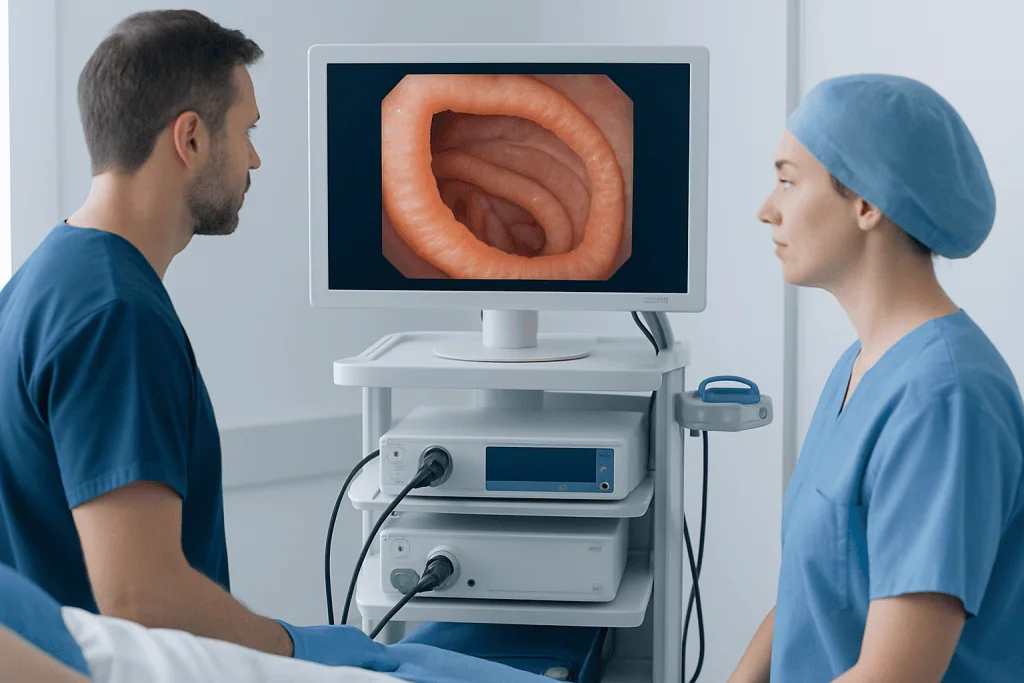
An endoscopy is an examination of the inside of the body using an endoscope: a flexible tube with a light source and a small camera at its tip. In digestive medicine, the word usually refers to upper gastrointestinal endoscopy, in which the scope is passed through the mouth to inspect the oesophagus, stomach and duodenum. The images appear on a monitor in real time, so the physician can inspect the lining closely, photograph and document abnormal areas, and pass tiny instruments through the endoscope and its working channel to take biopsies or treat what is found. No incision is needed; the scope travels through a natural body opening.
What is a colonoscopy?
A colonoscopy is an endoscopic examination of the large intestine. A longer flexible scope, the colonoscope, is inserted through the rectum and advanced around the colon, allowing the physician to inspect the entire lining, sample areas that look inflamed or abnormal, and remove polyps before they have the chance to develop into cancer. Colonoscopy is both a diagnostic tool, used to investigate bleeding, altered bowel habit, anaemia or pain, and the central test in colorectal cancer screening, because polyps and early cancers frequently cause no symptoms at all.
Although both examinations are usually described as tests, they can also be treatments. During endoscopy or colonoscopy, the physician may take biopsies, remove polyps, control a bleeding point, dilate a narrowed segment or perform other minor interventions, depending on what is found. This is one of the main reasons these procedures are so valuable: diagnosis and treatment can sometimes happen in the same sitting, which shortens the path from symptom to plan and can spare you a second procedure. Because there are no incisions, recovery is generally quick, and most patients return to normal activities within a short time, depending on the type of examination and any intervention performed.
Upper Endoscopy: Gastroscopy, EGD and Esophagogastroduodenoscopy
Esophagogastroduodenoscopy, gastroscopy and EGD are three names for the same examination of the upper digestive tract. The longest term simply spells out the anatomy involved: the oesophagus, the stomach (gastro) and the duodenum. Some referral letters shorten it further, or describe an esophagoduodenoscopy procedure; whatever the label, the territory examined is the same. If your doctor has recommended an EGD procedure, this is the test being described.
Upper endoscopy is commonly used to investigate difficulty or pain with swallowing, persistent reflux, upper abdominal pain or burning, nausea, vomiting, suspected bleeding and unexplained anaemia. Because the camera passes directly over the lining of the oesophagus, stomach and duodenum, the physician can distinguish between conditions that produce very similar symptoms, for example, reflux-related inflammation, an ulcer, a stricture or a suspicious lesion, and take targeted samples where visual inspection alone cannot give a definitive answer.
Who May Need Endoscopy or Colonoscopy
Doctors recommend endoscopy or colonoscopy when symptoms, laboratory findings, imaging results, screening tests or personal risk factors suggest that a closer look at the digestive tract is needed. For some patients the need is urgent, bleeding, significant pain or concern about a serious underlying condition. For others, the procedure is planned electively, as part of routine screening or the evaluation of chronic symptoms.
Common symptoms that may lead to upper endoscopy include:
- Persistent heartburn or reflux symptoms
- Difficulty or pain with swallowing
- Upper abdominal pain or burning
- Nausea or vomiting that does not resolve
- Vomiting blood or passing black stools
- Unexplained iron deficiency anaemia
- Unexplained weight loss or loss of appetite
Common symptoms that may lead to colonoscopy include:
- Blood in the stool or rectal bleeding
- A persistent change in bowel habits
- Chronic diarrhoea or constipation
- Lower abdominal pain or cramping
- Unexplained anaemia
- Unintended weight loss
- A positive faecal occult blood or stool DNA test
Some patients need these procedures even when they have no symptoms at all. Colonoscopy is widely used for colorectal cancer screening precisely because polyps and early cancers may not announce themselves. Screening can detect precancerous growths at a stage when they can often be removed before cancer develops. Patients with a family history of colorectal cancer, inherited gastrointestinal syndromes, long-standing inflammatory bowel disease or previous polyps may need surveillance at intervals recommended by their specialist.
Diagnosis usually begins with a medical history and physical examination, often followed by blood tests, stool tests or imaging studies. These tools can point toward a problem, but they often cannot define it with enough certainty. Anaemia may suggest slow gastrointestinal bleeding without revealing the source. A CT scan may show thickening or inflammation without determining whether it reflects infection, ulceration, inflammatory bowel disease or cancer. Endoscopy and colonoscopy answer those questions directly, by putting eyes, and, where needed, biopsy forceps, on the tissue itself.
In some situations, both procedures are performed during the same visit, particularly when evaluating bleeding, anaemia, weight loss or unexplained symptoms that could involve either the upper or the lower digestive tract. Whether you need one examination or both depends on your age, symptoms, personal and family history, prior test results and the clinical judgement of your treating team.
What Diseases Can Be Detected by an Endoscopy?
Endoscopy and colonoscopy can detect a wide range of digestive conditions, from common inflammation and ulcers to precancerous change and cancer itself. They are not limited to cancer detection, although that is an important role. In everyday practice, they help clarify many common and complex gastrointestinal disorders that other tests can only hint at.
Conditions commonly identified or assessed with upper endoscopy include:
- Gastro-oesophageal reflux disease and reflux-related damage to the oesophagus
- Oesophagitis, gastritis and duodenitis
- Peptic ulcers
- Barrett’s oesophagus
- Oesophageal narrowing or strictures
- Coeliac disease and other causes of malabsorption
- Upper gastrointestinal bleeding
- Benign or malignant tumours of the upper digestive tract
Conditions commonly identified or assessed with colonoscopy include:
- Colon polyps
- Colorectal cancer
- Ulcerative colitis and Crohn’s disease involving the colon
- Microscopic colitis, when biopsies are taken
- Diverticular disease and diverticular bleeding
- Lower gastrointestinal bleeding
- Ischaemic or infectious colitis
- Benign or malignant narrowing of the colon
Biopsy is one of the most important features of both examinations. Small tissue samples can be taken through the scope for laboratory analysis; the sampling itself is not usually felt. Pathology can confirm inflammation, infection, precancerous change, cancer, coeliac disease, microscopic colitis and other abnormalities that cannot be diagnosed by visual inspection alone. Some diagnoses, microscopic colitis is a good example, depend entirely on biopsy, because the lining can look normal to the naked eye.
The other major advantage is polyp removal during colonoscopy. Because some polyps gradually develop into cancer over time, removing them is both diagnostic and preventive: the tissue goes to pathology, and the growth is gone. Similarly, if a source of bleeding is seen during endoscopy or colonoscopy, the physician may be able to treat it during the same procedure using specialised instruments passed through the scope, without any need for open surgery.
It is worth being clear about limits. Endoscopy and colonoscopy examine the lining of the digestive tract; they do not assess organs outside it, such as the liver, pancreas or gallbladder, which usually require imaging or other specialised tests. A standard examination also does not reach most of the small intestine, which lies between the territory of the two scopes. When findings point beyond the reach of these procedures, your team will explain which additional tests make sense.
How the Endoscopy Procedure Is Performed
The endoscopy procedure begins well before you arrive at the hospital. You receive detailed instructions based on the type of examination, your medical history, your medications and any planned intervention. Preparation matters because it affects both safety and accuracy. If the bowel is not adequately prepared for colonoscopy, important lesions are harder to detect. If blood-thinning medication is not reviewed by the treating doctor before a biopsy or polyp removal, bleeding risk may increase. Pre-procedure planning is therefore handled carefully and individually, never as a standard checklist applied to everyone.
Before the Procedure
For upper endoscopy, you are usually asked not to eat or drink for a set number of hours beforehand so the stomach is empty; the practical detail of this is covered in our guide on when to stop eating, drinking or smoking before a procedure. For colonoscopy, bowel preparation is required. This typically involves a liquid diet for a defined period and a bowel-cleansing solution taken to a specific schedule. Bowel prep is widely considered the least pleasant part of colonoscopy, and it is also the most important step you control: a clean colon lets the doctor see the lining clearly and reduces the chance that small polyps or early lesions are missed. Our detailed guide to bowel preparation before colonoscopy walks through what to expect day by day.
Your medications are reviewed in advance by the clinical team, particularly blood thinners, diabetes medications and drugs that interact with sedation. Any changes are decided by your treating doctor, not made on your own. You will also be asked about allergies, prior reactions to anaesthesia, heart and lung conditions, kidney disease, implanted devices, pregnancy and previous abdominal or intestinal surgery. If biopsies or polyp removal may be needed, this planning becomes even more important, because it shapes what the physician can safely do during the examination itself.
Arrival and Sedation
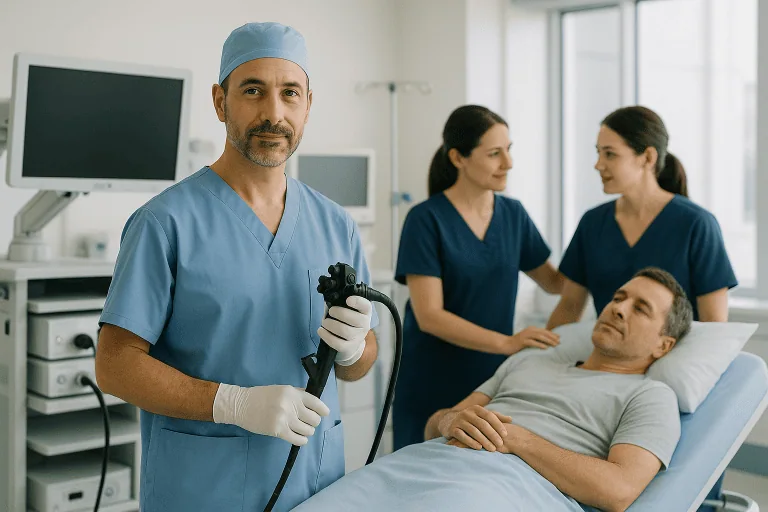
On arrival, the clinical team confirms the indication for the procedure, reviews consent, checks your vital signs and places an intravenous line if sedation is planned. Most endoscopy and colonoscopy procedures are performed under conscious sedation or deeper sedation, depending on the patient and the complexity of the examination. Throughout the procedure, monitoring equipment tracks your oxygen levels, heart rate, blood pressure and breathing, with the goal of keeping you comfortable and stable from start to finish. If sedation is new to you, our guide on how to prepare for a sedation procedure explains what to expect before and after.
How Upper Endoscopy Is Done
A typical upper endoscopy follows a consistent sequence:
- Step 1. You lie on your side, and a mouth guard is placed to protect your teeth and the scope.
- Step 2. The doctor gently passes the endoscope through the mouth into the oesophagus, then the stomach and duodenum.
- Step 3. Air or carbon dioxide is introduced to open the area for better visibility.
- Step 4. High-definition imaging lets the physician assess the lining in detail, looking for inflammation, ulcers, suspicious lesions, bleeding or structural abnormalities.
- Step 5. If needed, biopsies are taken through the scope with tiny instruments; sampling is not usually felt.
The examination itself is relatively brief, though your total time in the unit is longer because of preparation and recovery.
How Colonoscopy Is Done
Colonoscopy follows a similar logic, adapted to the anatomy of the large bowel:
- Step 1. You lie on your side, and the colonoscope is inserted through the rectum.
- Step 2. The scope is advanced around the colon, with air or carbon dioxide used to expand the bowel gently for a clearer view.
- Step 3. The physician examines the lining while advancing and, importantly, while withdrawing the scope, when inspection is often at its most detailed.
- Step 4. Polyps can be removed with specialised instruments, and biopsies taken from areas that look inflamed, abnormal or only subtly changed.
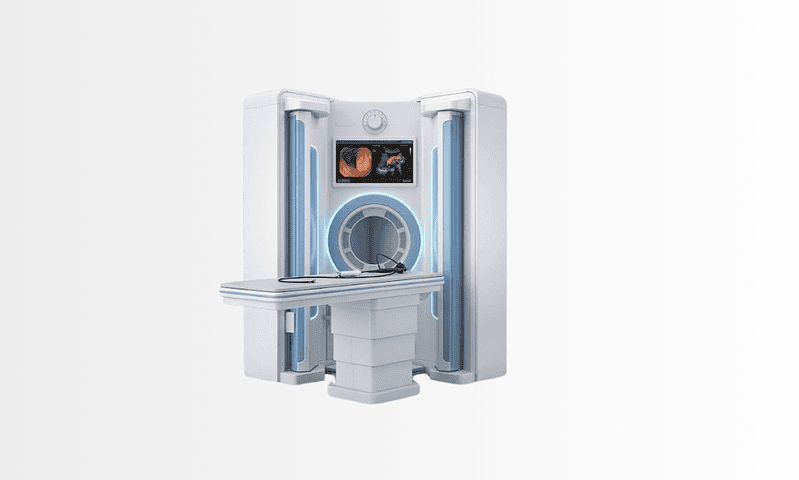
In both procedures, image quality matters. Modern endoscopy systems provide sharp, magnified views and enhanced visualisation of mucosal patterns. These tools help physicians distinguish normal from abnormal tissue more accurately, identify flat lesions that are harder to see, guide targeted biopsy and document findings clearly. When treatment is needed, specialised accessories allow bleeding control, tissue sampling, polyp removal and treatment of narrowings without surgery. For a step-by-step account of the day itself, see our colonoscopy procedure day and recovery guide.
How long does an endoscopy take?
A straightforward diagnostic upper endoscopy usually takes a matter of minutes, while colonoscopy generally takes longer, particularly if the examination is technically complex or several polyps are removed. Procedure time depends on whether the examination is diagnostic only or includes biopsies, polyp removal or other interventions. Plan for considerably more time at the endoscopy unit than the examination itself: preparation, sedation and recovery all add to the visit. If both procedures are performed in one session, a common arrangement when both the upper and lower tract need assessment, the visit is longer still, but many patients prefer one comprehensive evaluation to two separate appointments.
Is endoscopy painful?
Most patients do not experience the examination as painful, because sedation is used and many remember little or nothing of it afterwards. That said, honesty matters here: some pressure, bloating or gas discomfort can occur, a mild sore throat is common after upper endoscopy, and cramping can follow colonoscopy as the introduced gas passes. These effects are usually temporary and settle within hours. The sedation approach is tailored to you, some patients need only light sedation, others deeper sedation, and the team monitors comfort throughout.
After the Procedure
Once the examination is complete, you are monitored in a recovery area while the sedation wears off. Mild bloating, gas or a sore throat can occur temporarily, depending on the procedure. Most patients go home the same day, but you should not drive, travel alone or make significant decisions until the sedative effects have fully resolved, which is why an accompanying adult is generally required after sedation. If biopsies were taken or polyps removed, the team explains which symptoms are expected in the days that follow and which findings should prompt urgent medical attention.
Some findings are discussed immediately after the procedure, while you are still at the unit. If tissue samples go to pathology, final results take longer, typically days rather than hours. In a well-coordinated setting, those results are then integrated with your symptoms, prior testing and specialist assessment so the next step is clear: medication, surveillance, further imaging, surgery, oncology assessment or, quite often, straightforward reassurance.
Risks and Limitations, Stated Plainly
Endoscopy and colonoscopy are established, routinely performed procedures, but no internal examination is entirely without risk. Possible complications include reactions to sedation, bleeding, particularly after biopsy or polyp removal, and, rarely, perforation of the digestive tract wall. Your team will discuss these risks with you before consent, in the context of your own health and the specific examination planned, and will explain how each is minimised and managed. The examinations also have honest limits: preparation quality affects what can be seen, very small or flat lesions can occasionally be missed, and the standard scopes do not reach most of the small intestine. Understanding these limits is part of using the tests well, and it is why findings are always interpreted alongside your symptoms and other results rather than in isolation.
Why Acting Early Can Make a Meaningful Difference
Many gastrointestinal conditions are easier to treat when identified early. This is true not only for cancer, but also for ulcers, inflammatory bowel disease, significant reflux damage, coeliac disease, precancerous polyps and sources of gastrointestinal bleeding. When evaluation is postponed, an underlying condition may progress, become harder to manage, or lead to complications that might have been preventable.
Consider what delay can mean in practice. Ongoing bleeding can lead to worsening anaemia, fatigue, breathlessness and the need for urgent treatment. Persistent reflux can contribute to chronic inflammation and, in some patients, precancerous changes in the oesophagus. Undiagnosed inflammatory bowel disease may result in more extensive inflammation, nutritional problems, strictures or repeated flares. Colon polyps, left in place long enough, can sometimes evolve into invasive cancer.
Delayed diagnosis also prolongs uncertainty. Patients can spend months trying different diets, over-the-counter remedies or repeated short courses of medication without knowing whether the underlying issue is benign, inflammatory, structural or malignant. Endoscopy & colonoscopy replace that guesswork with direct evidence. Early evaluation does not mean every symptom is serious, many findings are neither cancer nor life-threatening disease. But when symptoms persist, worsen, recur or come with bleeding, anaemia or weight loss, timely investigation is often the most responsible and, ultimately, the most reassuring step.
Potential Benefits of Endoscopy and Colonoscopy
These procedures can provide both diagnostic clarity and, in some cases, immediate treatment. The table below summarises what each benefit means in practical terms.
| Benefit | What It Means for You |
|---|---|
| Direct visualisation of the digestive tract | Your doctor inspects the lining of the oesophagus, stomach or colon in real time rather than relying only on indirect tests. |
| Earlier and more accurate diagnosis | Conditions such as ulcers, inflammation, bleeding sources, polyps or cancer can often be identified sooner and with greater confidence. |
| Ability to take biopsies | Tissue samples confirm what a visual finding means, so treatment is guided by pathology rather than suspicion alone. |
| Removal of polyps during colonoscopy | Some abnormal growths can be treated immediately, which may reduce the risk of future cancer development. |
| Minimally invasive approach | Most patients need no incisions, no hospital admission and no long recovery period. |
| Guidance for next-step care | Results help determine whether you need medication, surveillance, lifestyle changes, surgery or additional specialist treatment. |
Typical Recovery Timeline
Recovery is usually straightforward, although the exact experience depends on whether sedation, biopsy or polyp removal was involved. The pattern below describes what most patients can expect; your team will adjust it to what was actually done during your examination.
| Time Period | What Patients Can Expect |
|---|---|
| Day 1 | A short stay in the recovery area after the procedure. Mild drowsiness, bloating, gas or a mild sore throat can occur. Most patients go home the same day, with an escort if sedation was used. |
| First week | Normal eating and daily activities usually resume quickly, unless your doctor gives specific instructions after polyp removal or another intervention. Biopsy or pathology results often become available during this period. |
| First month | If a condition is diagnosed, treatment or follow-up planning is typically under way, medications, dietary adjustments, surveillance planning or referral to another specialist. |
| Longer term | Future care depends on the findings. Some patients need no further action; others need repeat surveillance, chronic disease management or care coordinated through a multidisciplinary team. |
For patients who have travelled for the procedure, the practical question of the return journey matters too. Timing depends on sedation, any intervention performed and your individual circumstances; our guide on when you can fly after a procedure covers this in detail, and your treating team will confirm what applies to you before discharge.
What Influences Outcomes and the Value of the Procedure
The usefulness of endoscopy or colonoscopy depends on more than simply completing the test. Several factors influence how informative and clinically valuable the examination will be, and it is worth understanding them before you go in.
Preparation quality is one of the most important factors, especially for colonoscopy. If bowel cleansing is incomplete, small lesions are harder to detect and the examination may need to be repeated sooner than planned. Following the preparation instructions carefully is the single biggest contribution you can make to the quality of your own exam.
The reason for the procedure also matters. A clearly defined clinical question guides the examination, whether the goal is screening, investigating anaemia, finding a bleeding source, assessing inflammatory bowel disease or sampling suspicious tissue. A scope done without a clear question tends to produce answers without context.
Physician experience and technique are central to quality. Careful inspection, an appropriate biopsy strategy, recognition of subtle abnormalities and sound judgement about when to remove a lesion or refer for further treatment all shape what the procedure is actually worth to you.
Technology and image quality support better detection and documentation. Advanced visualisation systems help identify flat or subtle lesions, distinguish inflammatory from suspicious tissue and guide targeted intervention.
Pathology interpretation is another key element. A biopsy is only as useful as the expertise applied to analysing it. Accurate pathology determines whether a lesion is benign, precancerous, inflammatory, infectious or malignant, and it often shapes the entire next stage of care.
Follow-up coordination is just as important as the procedure itself. A well-performed examination should lead to a clear plan. That may mean reassurance and routine screening, but it may equally mean timely referral to gastroenterology, general surgery, colorectal surgery, oncology, nutrition or another specialty, depending on the result. An examination that ends with a report and no plan has done only half its job.
Coming to Turkey for Endoscopy and Colonoscopy: Planning the Visit
Many international patients arrange endoscopy & colonoscopy in Turkey as part of a single, planned visit, sometimes as stand-alone screening, sometimes as the diagnostic step in a broader evaluation. Because both examinations are usually day procedures, the visit can often be compact, but it works best when the sequence is organised before you travel rather than improvised on arrival.
A typical care pathway starts with a review of your history, symptoms, previous test results and current medications, so that the right examination, upper endoscopy, colonoscopy or both in one session, is planned in advance, along with the sedation approach and any anticipated biopsies. You receive preparation instructions suited to your travel schedule, including fasting times and, for colonoscopy, the bowel preparation plan; if you have diabetes or other conditions that affect fasting and preparation, this is factored in beforehand rather than adjusted at the last minute. On the day itself, the visit follows the standard sequence of admission, pre-procedure checks, the examination, monitored recovery and a discharge conversation covering findings, aftercare and next steps.
Practicalities matter as much as clinical planning. You will need an accompanying adult after sedation, someone to hear the discharge instructions with you and see you back to your accommodation; our guide on what your companion can do on procedure day explains this role in detail. Build a margin into your travel plans: even a routine examination deserves a buffer for recovery from sedation, and if biopsies are taken, pathology results follow days later. Results and reports can be reviewed with you before you leave or shared with you and your home doctors afterwards, so that surveillance intervals, medication decisions or any further treatment can be continued wherever you live. Follow-up does not end at the airport: a clear written report, images where relevant and a defined plan are what make the visit worthwhile once you are home.
At Acibadem, endoscopy and colonoscopy sit inside a wider hospital environment rather than a stand-alone unit. That matters most when results are not straightforward. A patient with anaemia and gastrointestinal bleeding may need input from gastroenterology, internal medicine, radiology, surgery and sometimes haematology or oncology. A patient with polyps or suspected colorectal cancer may need pathology review, additional imaging and multidisciplinary discussion before treatment is finalised. A patient with inflammatory bowel disease may need long-term planning involving gastroenterologists, colorectal surgeons and dietitians. Because pathology, imaging and the related specialties operate within the same care network, the path from examination to diagnosis to treatment can proceed without unnecessary delay. International patient services support appointments, medical documentation, logistics and communication with the clinical team in multiple languages: a practical help when you are anxious about symptoms and want to be certain you have understood the instructions and the findings.
Planning is also personal rather than standardised. Someone travelling for routine screening has different needs from someone seeking urgent evaluation of bleeding or an abnormal scan. Timing, sedation approach, biopsy strategy and follow-up are shaped by symptoms, age, risk profile, medical history and the realities of your travel schedule, with the aim of making the diagnostic process thorough, efficient and clinically appropriate rather than merely fast.
From Uncertainty to a Plan
If you have ongoing digestive symptoms, an abnormal screening result, unexplained anaemia or a family history that raises your risk, endoscopy or colonoscopy is often the step that turns an open question into a defined answer. These procedures are routine parts of modern digestive medicine, yet they carry unusual weight: they can reveal problems early, guide precise treatment based on tissue rather than suspicion, and in some cases treat the problem in the same session in which it is found.
For most patients, the decision becomes easier once the procedure is understood. The examination is brief, sedation keeps most people comfortable, recovery is usually measured in hours, and the information gained shapes everything that follows, whether that is reassurance, medication, a surveillance schedule or referral for further specialist care. Understanding what endoscopy and colonoscopy involve, what they can honestly show and where their limits lie is the best foundation for deciding, together with your doctors, whether one or both examinations belong in your diagnostic path.
Preparation
- Your doctor reviews your symptoms, medications, allergies, and medical history before the procedure. Colonoscopy usually requires bowel preparation and a clear-liquid diet the day before, while endoscopy often requires fasting for several hours. Blood thinners or diabetes medications may need temporary adjustment under medical guidance.
Aftercare
- Patients are monitored until sedation wears off and usually go home the same day with an escort. Mild bloating, gas, or throat discomfort can occur briefly after the test. Follow your doctor's advice on diet, medications, and when biopsy or pathology results will be available.
Frequently Asked Questions
What is the difference between endoscopy and colonoscopy?
Endoscopy usually refers to an upper gastrointestinal examination, where a thin flexible camera is passed through the mouth to look at the esophagus, stomach, and first part of the small intestine. Colonoscopy examines the large intestine and rectum through the anus. Both are commonly used to investigate symptoms such as pain, bleeding, anemia, reflux, or changes in bowel habits. At Acibadem, specialists decide which test, or whether both, best fits your symptoms and medical history.
Why might I need an endoscopy or colonoscopy?
Doctors may recommend these procedures to find the cause of symptoms such as abdominal pain, bloating, difficulty swallowing, persistent heartburn, rectal bleeding, chronic diarrhea, constipation, unexplained weight loss, or iron deficiency anemia. They are also used for screening, especially for colon polyps and bowel cancer. In many cases, biopsies can be taken during the same procedure for more accurate diagnosis. Acibadem specialists provide a personalized assessment based on your age, symptoms, and previous test results.
Are endoscopy and colonoscopy painful?
Most patients tolerate both procedures well, especially with sedation. During an upper endoscopy, you may feel mild throat discomfort or pressure, but it is usually brief. During colonoscopy, some people notice bloating or cramping from air used to expand the bowel. Sedation helps you stay relaxed and comfortable, and many patients remember very little afterward. Your care team at Acibadem explains the sedation plan in advance and monitors you closely throughout the procedure.
How should I prepare for a colonoscopy or endoscopy before traveling to Turkey?
Preparation depends on the test. Colonoscopy usually requires a special low-residue diet, clear liquids the day before, and bowel-cleansing medication so the colon can be seen clearly. For upper endoscopy, you generally need to stop eating and drinking for several hours beforehand. If you are traveling internationally, it helps to share your medications, allergies, and medical reports in advance. Acibadem teams guide patients step by step so preparation is clear and manageable before arrival.
Can biopsies or polyps be removed during endoscopy or colonoscopy?
Yes. One major benefit of these procedures is that diagnosis and minor treatment can often happen at the same time. During endoscopy, the doctor can take biopsies from the esophagus, stomach, or duodenum. During colonoscopy, polyps can often be removed and suspicious areas sampled for laboratory analysis. Taking a biopsy does not always mean cancer; it simply helps clarify the diagnosis. At Acibadem, gastroenterology specialists tailor the procedure to your individual findings and needs.
How long do endoscopy and colonoscopy take, and when can I return to normal activities?
The procedure itself is usually relatively short, though total time at the hospital is longer because of preparation, consent, sedation, and recovery. Many patients are able to go back to light activities the same day, but if sedation is used, you should not drive, sign important documents, or travel alone immediately afterward. Some people feel temporary bloating or mild throat irritation. Acibadem teams give personalized discharge advice based on the type of procedure and your recovery.
Is it safe to have endoscopy and colonoscopy?
These procedures are widely performed and are generally considered safe when done by experienced teams. As with any medical procedure, there are some risks, including reactions to sedation, bleeding after biopsy or polyp removal, and rarely perforation of the digestive tract. The overall risk depends on your age, health conditions, and what is done during the examination. At Acibadem, specialists review your medical history carefully and monitor you before, during, and after the procedure to support safety.
Will I be asleep during an endoscopy or colonoscopy?
Many patients receive sedation so they feel drowsy, relaxed, and comfortable during the examination. In some situations, lighter sedation or no sedation may be appropriate, depending on the procedure, your health status, and personal preference. The anesthesia or sedation approach is discussed beforehand, especially if you have heart, lung, or sleep-related conditions. Acibadem specialists provide a personalized assessment to choose the most suitable option and to help ensure a smooth experience for international patients.
When will I get my endoscopy or colonoscopy results?
The doctor can often discuss the main visual findings shortly after the procedure, once you are awake and comfortable. If biopsies or polyps are sent to the laboratory, the final pathology results usually take longer. Your report may include images, descriptions of any inflammation, ulcers, polyps, or other findings, and recommendations for treatment or follow-up. At Acibadem, international patient teams help coordinate communication of results and next steps, including further consultations if needed.
Can I combine endoscopy and colonoscopy in one visit at Acibadem in Turkey?
In many cases, yes. If your symptoms or screening needs suggest that both the upper and lower digestive tract should be examined, doctors may arrange the procedures during the same visit, often under one sedation plan. This can be convenient for international patients and may reduce overall recovery time compared with separate appointments. Whether this is suitable depends on your medical condition, preparation, and test goals. Acibadem specialists evaluate each case individually and organize a practical care plan.
Medically reviewed by the Acıbadem International Medical Board September 13, 2026
See our medical review board →
Update history
- PublishedJuly 19, 2026
- Medical review approvedSeptember 13, 2026
- Last content updateSeptember 12, 2026
From the Acibadem Blog
Why You Need an Escort After Endoscopy or Colonoscopy and How Companions Can Help
You need an escort after colonoscopy or endoscopy sedation because the medicines used slow reaction time, blur judgment and cloud memory for hours after…
Colonoscopy: How Long It Takes, Whether It Hurts and How Sedation Works
The colonoscopy itself usually takes 30 to 60 minutes, though you should plan on two to three hours at the facility for check-in, sedation…