

Infertility
Infertility care identifies male, female or combined fertility factors and offers individualized options such as ovulation induction, IUI, IVF or ICSI to help couples achieve pregnancy.
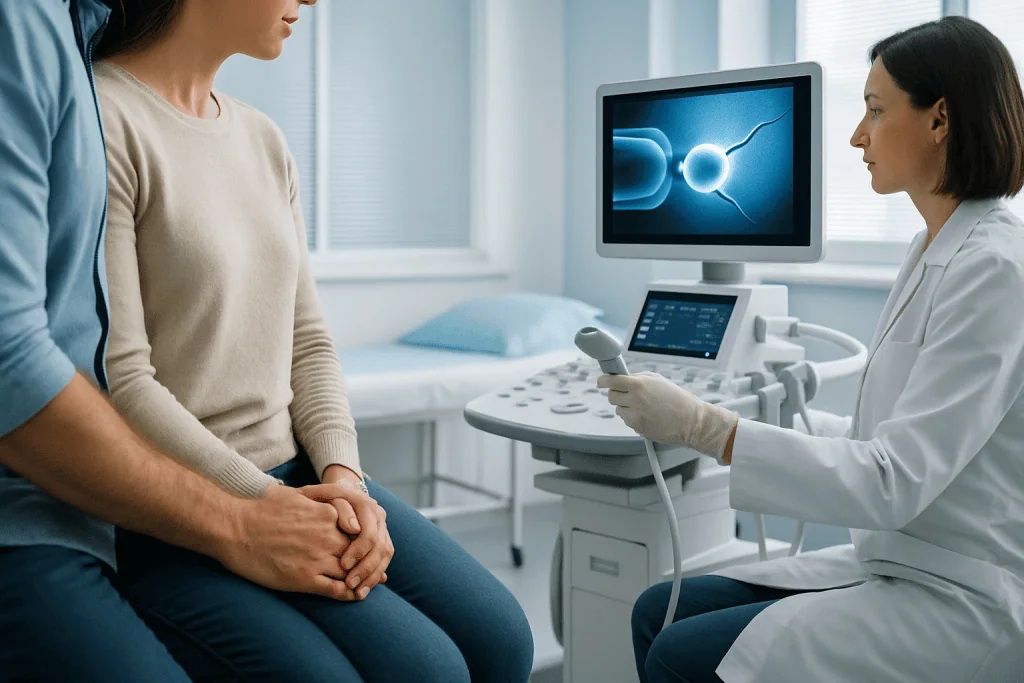
Quick answer
Infertility is difficulty achieving pregnancy, and treatment begins by identifying female, male, or combined factors through a structured fertility evaluation. At Acibadem in Turkey, care is individualized and may include ovulation induction, intrauterine insemination, IVF, or ICSI, selected according to the underlying cause and reproductive goals.
Infertility Care Begins With Understanding, Not Assumptions
Infertility is often described in medical terms, but for many people it is first experienced emotionally: months of waiting, repeated negative pregnancy tests, uncertainty about timing, and the quiet pressure of not knowing whether something is wrong. Couples may wonder if they have waited too long, whether prior surgery or a medical condition is affecting fertility, or whether treatment will be physically and emotionally demanding. Some patients are also considering care abroad and need to understand not only the medical options, but how the entire process will be coordinated safely and respectfully.
Infertility care is designed to answer these questions with evidence, clarity and compassion. The goal is to identify whether fertility is affected by female factors, male factors, combined factors or unexplained causes, and then to select the most appropriate pathway to pregnancy. For some patients, this may involve lifestyle and timing guidance or medications that support ovulation. For others, intrauterine insemination, in vitro fertilization or intracytoplasmic sperm injection may offer a more effective route.
Modern fertility medicine is highly individualized. Age, ovarian reserve, sperm quality, fallopian tube function, uterine health, prior pregnancies, previous treatment attempts, genetic considerations and personal values all influence the plan. A good fertility evaluation does not move every patient immediately toward the most complex treatment. It helps determine what is medically sensible, what is time-sensitive and what gives the couple a reasonable chance while protecting health and emotional wellbeing.
What Infertility Treatment Is
Infertility treatment is a structured medical approach to help individuals or couples achieve pregnancy when conception has not occurred naturally or when known medical factors make natural conception difficult. It begins with diagnosis and counseling, then progresses to treatment options that range from less invasive methods to advanced assisted reproductive technologies.
In general, infertility is considered when pregnancy has not occurred after about one year of regular, unprotected intercourse. For women aged 35 or older, evaluation is often recommended after six months, because fertility potential changes more quickly with age. Earlier assessment may be appropriate when there are irregular periods, known endometriosis, prior pelvic infection, repeated miscarriage, previous ovarian or testicular surgery, cancer treatment history, or known sperm abnormalities.
Treatment may include ovulation induction, where medications stimulate or regulate ovulation; intrauterine insemination, often called IUI, where prepared sperm are placed directly into the uterus around the time of ovulation; in vitro fertilization, or IVF, where eggs are retrieved from the ovaries and fertilized with sperm in a laboratory; and intracytoplasmic sperm injection, or ICSI, where a single sperm is injected into an egg to assist fertilization, commonly used for significant male factor infertility or prior fertilization problems.
Additional services may include fertility preservation, embryo freezing, genetic testing when medically indicated, surgical correction of selected uterine or pelvic problems, and coordinated care for endocrine or gynecologic conditions affecting fertility. The treatment plan is built around medical findings, the couple’s reproductive goals and the safest path forward.
Who May Need Infertility Evaluation and Treatment
Infertility evaluation is appropriate for couples who have been trying to conceive without success, but it is also important for people who already know they may face fertility challenges. Not every fertility problem produces obvious symptoms. A woman may have regular menstrual cycles and still have reduced ovarian reserve or blocked fallopian tubes. A man may feel completely healthy and still have low sperm count, reduced motility or abnormal sperm shape. This is why evaluation should include both partners whenever possible.
Common signs that may suggest a female fertility factor include irregular or absent periods, very painful menstruation, pelvic pain, a history of endometriosis, previous pelvic infection, known fibroids or polyps, recurrent pregnancy loss, thyroid or prolactin disorders, and symptoms of polycystic ovary syndrome, such as irregular ovulation, acne or excess hair growth. Age is also a major consideration because both egg number and egg quality decline over time, especially after the mid-30s.
Male fertility factors may be suspected when there is a history of undescended testicles, testicular injury, varicocele, prior infection, chemotherapy or radiation, hormonal disorders, erectile or ejaculation difficulties, or previous abnormal semen analysis. However, many men with sperm-related infertility have no symptoms, making semen testing a central part of the diagnostic process.
Diagnosis usually begins with a careful medical and reproductive history. For women, evaluation may include blood tests to assess hormones and ovarian reserve, ultrasound imaging of the ovaries and uterus, and testing to evaluate whether the fallopian tubes are open. Depending on findings, hysteroscopy or other imaging may be used to examine the uterine cavity in more detail. For men, semen analysis is the first-line test, sometimes followed by hormone testing, genetic evaluation or urologic assessment.
Patients may seek infertility care after one or more unsuccessful pregnancies, failed prior treatments, recurrent miscarriage, or a diagnosis such as endometriosis, polycystic ovary syndrome or male factor infertility. Others come for a second opinion because they have been told that IVF is their only option, or because previous cycles did not result in pregnancy and they want a deeper review of embryo development, stimulation protocols, uterine factors and sperm parameters.
Conditions and Indications Addressed by Infertility Care
Infertility care addresses a wide range of reproductive conditions. Some are relatively straightforward and respond well to medication or minor procedures. Others are complex and require coordinated care among reproductive medicine specialists, embryologists, andrologists, gynecologic surgeons, urologists, genetic counselors and maternal-fetal medicine physicians when pregnancy risk is elevated.
Female factors may include ovulation disorders, diminished ovarian reserve, fallopian tube blockage, endometriosis, uterine fibroids, endometrial polyps, intrauterine adhesions, congenital uterine differences and hormonal conditions affecting the menstrual cycle. Polycystic ovary syndrome is one of the most common causes of ovulatory infertility and may require careful medication selection to reduce the risk of overstimulation or multiple pregnancy.
Male factors include low sperm count, poor sperm motility, abnormal sperm morphology, absence of sperm in the ejaculate, sperm DNA fragmentation concerns, varicocele and reproductive tract obstruction. In selected cases, sperm may be retrieved surgically and used with ICSI if appropriate. A male infertility evaluation can also identify underlying health conditions that may need treatment beyond fertility care.
Combined infertility occurs when both partners have contributing factors. Unexplained infertility is diagnosed when standard testing does not identify a clear cause, yet pregnancy has not occurred. This does not mean nothing is wrong; rather, it reflects the limits of current testing. In these cases, treatment may be guided by age, duration of infertility, prior pregnancy history and whether less invasive options have already been tried.
Infertility services may also support patients who need fertility preservation before cancer treatment or surgery, people with genetic conditions who wish to reduce the risk of passing on a serious inherited disease, and couples who require donor gametes or advanced laboratory techniques according to applicable medical, ethical and legal frameworks.
How Infertility Treatment Is Performed Step by Step
Initial Consultation and Medical Review
The process begins with a detailed consultation. Physicians review menstrual history, timing and duration of trying to conceive, previous pregnancies, miscarriages, surgeries, medications, lifestyle factors, chronic diseases and any prior fertility tests or treatments. For international patients, sharing previous records, ultrasound reports, semen analyses, operative notes and laboratory results before travel can help reduce repetition and make the first in-person visit more efficient.
The physician explains which tests are needed and why. Some tests must be performed at specific points in the menstrual cycle, so coordination is important. A care team familiar with international patient logistics can help patients plan the timing of travel, appointments, laboratory work and treatment steps.
Diagnostic Testing and Treatment Planning
Female evaluation may include transvaginal ultrasound to assess the ovaries, follicle count, uterine lining and visible uterine abnormalities. Blood tests may measure ovarian reserve markers and reproductive hormones. Tubal patency testing can help determine whether the fallopian tubes are open. If the uterine cavity needs closer evaluation, hysteroscopy or specialized imaging may be recommended.
Male evaluation usually includes semen analysis performed under standardized laboratory conditions. The sample is assessed for sperm concentration, movement, shape and other parameters. If significant abnormalities are found, repeat testing, hormonal evaluation, genetic tests or consultation with a urologist specializing in male reproduction may be recommended.
Once diagnostic information is available, the physician discusses options. A patient with irregular ovulation and normal tubes and sperm may begin with ovulation induction. A couple with mild male factor infertility or unexplained infertility may consider IUI. A patient with blocked tubes, advanced maternal age, severe male factor infertility, diminished ovarian reserve or previous failed treatments may be advised to consider IVF or ICSI sooner.
Ovulation Induction
Ovulation induction uses oral or injectable medications to help the ovaries develop and release an egg. It may be used for women who do not ovulate regularly or as part of timed intercourse or IUI treatment. Monitoring with ultrasound and sometimes hormone blood tests helps determine follicle growth and the best timing for intercourse or insemination.
This approach is less invasive than IVF, but it must still be monitored carefully. The aim is to improve the chance of ovulation while limiting the risk of multiple pregnancy or excessive ovarian response. Medication choice and dosage are individualized according to diagnosis, age, ovarian reserve and prior response.
Intrauterine Insemination
IUI is a procedure in which a prepared sperm sample is placed directly into the uterus around the time of ovulation. The sperm preparation process concentrates motile sperm and removes substances that should not be introduced into the uterus. IUI may be performed in a natural cycle or with ovulation induction, depending on the patient’s situation.
The procedure itself is usually brief and does not require anesthesia. A thin catheter is passed through the cervix, and the prepared sperm sample is introduced into the uterine cavity. Patients can typically resume normal activities soon afterward. IUI is often considered for mild male factor infertility, unexplained infertility, ovulation disorders after ovulation is induced, or certain cervical factors.
In Vitro Fertilization and ICSI
IVF is a multi-step treatment in which the ovaries are stimulated to develop multiple mature eggs. During stimulation, patients use hormone injections for a number of days and attend monitoring visits. Ultrasound and hormone testing help the physician adjust medication and determine the appropriate timing for the final maturation injection.
Egg retrieval is performed through the vagina under ultrasound guidance, usually with sedation or anesthesia. A thin needle is used to collect fluid from the ovarian follicles. The embryology laboratory then identifies the eggs and combines them with sperm. In conventional IVF, eggs and sperm are placed together in controlled laboratory conditions. In ICSI, an embryologist injects a single sperm directly into each mature egg. ICSI is often used when sperm parameters are significantly abnormal, when sperm has been surgically retrieved, or when prior fertilization has been poor.
Embryos are observed as they develop in the laboratory. Embryologists assess fertilization and embryo development over several days. Depending on the patient’s circumstances, one or more embryos may be transferred to the uterus, or embryos may be frozen for transfer in a later cycle. Frozen embryo transfer may be recommended when the uterine lining needs further preparation, when hormone levels are not ideal, when genetic testing is being performed, or when freezing offers a safer strategy for the patient.
Embryo transfer is usually a short procedure that does not require anesthesia. A thin catheter is used to place the embryo into the uterus under ultrasound guidance. After transfer, patients receive instructions about medications, activity and the timing of pregnancy testing. The waiting period can be emotionally difficult, and clear communication from the care team is important.
Technology Used in Modern Fertility Care
Fertility treatment depends on precise diagnostics and carefully controlled laboratory conditions. Ultrasound imaging helps evaluate ovarian response, guide egg retrieval and support embryo transfer. Hormone testing assists with medication timing and cycle safety. Advanced embryology laboratories use controlled temperature, air quality and culture systems to support embryo development. Micromanipulation equipment enables ICSI and selected embryo biopsy procedures when medically indicated. Cryopreservation technology allows eggs, sperm or embryos to be frozen and stored for future use.
Technology does not replace clinical judgment. It helps physicians and laboratory teams make more accurate decisions, reduce avoidable risks and personalize treatment. The most important factor is how diagnostic findings, laboratory information and patient goals are interpreted together.
Typical Duration and Recovery
The duration of infertility care depends on the treatment. Diagnostic evaluation may take one menstrual cycle, especially if tests need to be timed. Ovulation induction or IUI cycles are usually completed within a single cycle. IVF typically involves ovarian stimulation, egg retrieval, fertilization, embryo development and either fresh transfer or embryo freezing, with the overall timeline varying according to the chosen strategy.
Recovery after IUI is minimal. After egg retrieval, patients may experience cramping, bloating, light spotting or fatigue for a few days. Most return to usual daily activities quickly, although strenuous exercise may be restricted for a short period. After embryo transfer, patients usually continue daily life with reasonable precautions rather than strict bed rest, unless their physician advises otherwise.
Why Acting Early Matters
Fertility is influenced by time, especially for women. Egg quantity and egg quality decline with age, and this affects both the chance of conception and the risk of miscarriage. Men may also experience changes in sperm quality with age or health conditions, though the pattern is different. Delaying evaluation can reduce the range of available options, particularly when ovarian reserve is already low or when a condition is progressive.
Early evaluation does not mean every patient needs immediate advanced treatment. It means patients can make informed decisions before time-sensitive factors become more limiting. If a woman has blocked fallopian tubes, months of timed intercourse are unlikely to help. If semen analysis shows a severe sperm issue, IUI may not be appropriate. If endometriosis, fibroids or uterine adhesions are present, treatment planning may need to address the anatomy before pregnancy attempts continue.
Delay may also increase emotional strain. Repeated unsuccessful cycles without a diagnosis can create frustration, anxiety and self-blame. A structured evaluation can replace uncertainty with a plan. For some patients, the best recommendation may be to continue trying naturally for a period of time. For others, the safest advice may be to move directly to a more effective treatment pathway.
Benefits of Infertility Treatment
The benefits of infertility care extend beyond the treatment procedure itself; they include diagnosis, risk reduction and a clearer reproductive plan.
| Benefit | What It Means for You |
|---|---|
| Clear identification of fertility factors | Testing can reveal female, male, combined or unexplained causes, helping avoid months of uncertainty or unsuitable treatment. |
| Individualized treatment options | Your plan may range from ovulation support to IUI, IVF or ICSI, depending on age, diagnosis, prior history and personal goals. |
| More precise timing and monitoring | Ultrasound and hormone monitoring help identify the best timing for ovulation, insemination, egg retrieval or embryo transfer. |
| Support for male factor infertility | Advanced sperm assessment, preparation and ICSI can help address sperm-related barriers that may not be improved by timing alone. |
| Embryo and fertility preservation options | Freezing eggs, sperm or embryos may help patients plan future treatment or preserve fertility before medical therapies that could affect reproduction. |
| Informed decisions after prior failed treatment | A second opinion can review stimulation response, embryo development, uterine factors and sperm quality to refine the next approach. |
Recovery Timeline After Fertility Procedures
Recovery varies according to the treatment performed, but many patients are able to continue normal routines with specific medical instructions.
| Time Period | What Patients Can Expect |
|---|---|
| Day 1 | After IUI or embryo transfer, most patients can leave shortly after the procedure. After egg retrieval, mild cramping, bloating, spotting or sleepiness from sedation may occur. |
| First Week | Patients may continue prescribed hormones and follow activity guidance. Heavy exercise may be limited after egg retrieval because the ovaries can remain enlarged for a short time. |
| First Two Weeks | The waiting period before pregnancy testing can feel emotionally intense. Symptoms from medications may mimic early pregnancy, so blood testing is used for confirmation. |
| First Month | If pregnancy occurs, follow-up blood tests and ultrasound are scheduled. If treatment is unsuccessful, the physician reviews the cycle and discusses whether changes are advisable. |
| Longer Term | Some patients continue with frozen embryo transfer, additional cycles, surgical treatment or alternative strategies. Ongoing care is adjusted to medical findings and patient preferences. |
Factors That Influence Outcomes
Fertility treatment outcomes depend on many variables, and no responsible program can predict the result with certainty for an individual patient. The most important factor in female fertility is age, especially egg quality. Ovarian reserve testing helps estimate how the ovaries may respond to stimulation, but it does not fully define the chance of pregnancy. A younger patient with fewer eggs may still have good embryo potential, while an older patient with many follicles may face higher rates of chromosomal abnormality in embryos.
Diagnosis matters. Patients with ovulation disorders may respond well when ovulation is restored. Tubal disease often requires IVF because the egg and sperm cannot meet reliably in the fallopian tube. Severe male factor infertility may be addressed with ICSI, but sperm quality and underlying genetic factors still influence fertilization and embryo development. Endometriosis can affect ovarian reserve, pelvic anatomy, inflammation and implantation, and treatment decisions must balance surgical benefit against potential impact on ovarian tissue.
Uterine health is another key factor. Polyps, submucosal fibroids, adhesions or congenital uterine differences may interfere with implantation or pregnancy development. In selected cases, treating the uterine cavity before embryo transfer can improve the environment for pregnancy. Thyroid disease, uncontrolled diabetes, obesity, smoking, certain medications and autoimmune or clotting conditions may also influence fertility and pregnancy safety.
Laboratory quality and clinical coordination are important in IVF and ICSI. Egg handling, sperm preparation, fertilization technique, embryo culture, cryopreservation and transfer timing all require precision. At the same time, the best outcomes are usually achieved when laboratory data are combined with thoughtful medical decision-making: selecting the right stimulation protocol, avoiding excessive ovarian response, choosing fresh or frozen transfer appropriately and recommending the number of embryos to transfer with attention to both pregnancy chance and multiple pregnancy risk.
Previous treatment history can guide improvement. A prior cycle may reveal low response to medication, unexpected egg maturity issues, fertilization problems, slow embryo development or difficulty with the uterine lining. Reviewing these details carefully can help refine future cycles rather than simply repeating the same plan.
Why International Patients Choose Acibadem for Infertility Care
International patients considering fertility treatment abroad often want more than access to medical procedures. They need a program that can interpret complex records, coordinate appointments efficiently, communicate clearly in their language and provide care that meets recognized standards of safety. Acibadem Hospitals in Turkey care for international patients through JCI-accredited hospitals and organized international patient services designed to support medical travel before, during and after treatment.
Infertility care at Acibadem is based on individualized evaluation rather than a single pathway for every patient. Reproductive medicine physicians assess both partners when applicable and coordinate with embryology, andrology, gynecology, urology, genetics and other specialties as needed. In complex cases, multidisciplinary discussion may help determine whether surgery, medical treatment, IVF, ICSI, fertility preservation or additional diagnostic testing is the most appropriate next step.
For patients who have already undergone treatment elsewhere, a second opinion can be especially valuable. The medical team may review stimulation records, medication doses, hormone levels, ultrasound findings, egg retrieval results, fertilization method, embryo development, transfer notes, semen analysis and uterine evaluation. This review can identify whether a different stimulation protocol, sperm strategy, laboratory approach, uterine assessment or transfer plan may be reasonable.
Acibadem’s fertility services are supported by modern diagnostic pathways and reproductive laboratory technologies used to evaluate and manage infertility. Ultrasound monitoring, hormone testing, semen analysis, sperm preparation, IVF, ICSI, embryo culture and cryopreservation are integrated into treatment planning. Where genetic counseling or testing is medically indicated, patients receive guidance on what the test can and cannot answer, as well as how results may affect embryo selection or pregnancy planning.
International patient services are an important part of the experience. Patients traveling from the United States, Europe, the Middle East, Central Asia or other regions may need help with appointment scheduling, medical record transfer, translation, hospital registration and coordination between departments. Acibadem International provides support in more than 20 languages, helping patients navigate logistics while the medical team focuses on diagnosis and treatment.
Choosing fertility care abroad is a personal decision. Patients often compare medical expertise, communication, laboratory standards, legal considerations, travel timing and emotional comfort. At Acibadem, the emphasis is on careful evaluation, realistic counseling and a personalized treatment plan. Patients are encouraged to ask direct questions about their diagnosis, expected timeline, medication plan, embryo strategy, risks, alternatives and follow-up. Clear expectations are essential, because fertility care can involve uncertainty even when treatment is well planned.
Moving Forward With Clarity and Support
If you are facing infertility, seeking answers is not a sign that you have failed; it is a constructive step toward understanding your options. Some patients need only a small correction in ovulation timing or a treatable diagnosis. Others may benefit from IUI, IVF, ICSI, surgical treatment or fertility preservation. The right plan begins with careful evaluation and an honest discussion of what is medically appropriate for your situation.
For international patients, a consultation or second opinion can help clarify whether travel for treatment is advisable, which tests should be completed before arrival and how long you may need to stay. Bringing prior records, laboratory results and treatment summaries can make the process more efficient and allow the medical team to provide more specific recommendations.
Acibadem’s fertility teams work with patients to understand the diagnosis, review available options and plan care in a way that respects both medical evidence and personal priorities. If you are ready to learn more, you may request a consultation or second opinion to discuss your fertility history and possible next steps.
This information is general and educational. It is not a substitute for professional medical advice, diagnosis or treatment from a qualified healthcare provider.
Preparation
- Evaluation usually includes medical history, hormone tests, ultrasound, semen analysis and, when needed, genetic or tubal assessment. Patients may be advised to optimize weight, stop smoking, review medications and time treatment with the menstrual cycle.
Aftercare
- After procedures such as IUI or embryo transfer, patients can usually return to daily activities with limited restrictions. Follow-up includes medication guidance, pregnancy testing and ultrasound monitoring if pregnancy occurs.
Turkey vs UK, Germany & USA
Infertility care varies by country because diagnostic pathways, laboratory services, medication plans, and access models differ. Comparing these factors can help patients understand what may influence both cost and experience before requesting a personalised fertility quote.
For international patients, the overall cost of infertility care is shaped by the fertility tests required, the treatment method recommended, medication needs, embryology laboratory services, and whether care is arranged as a coordinated package.
| Factor | Turkey | UK | Germany | USA |
|---|---|---|---|---|
| Pricing model | Often package-based for self-funded international patients, with diagnostics, consultations, and treatment steps coordinated together. | May vary between public eligibility pathways and private self-funded care; private fertility care is commonly itemised. | Often structured through regulated medical billing and private clinic arrangements; inclusions can differ by clinic. | Highly variable depending on clinic, insurance status, medication coverage, and laboratory add-ons. |
| Hospital and clinic factors | Costs may reflect specialist experience, fertility laboratory capability, and care in internationally accredited hospitals such as JCI-accredited facilities. | Costs may depend on whether care is delivered in a private fertility centre or through a public referral pathway. | Costs may reflect physician-led care, laboratory standards, and the scope of diagnostics performed before treatment. | Costs may reflect clinic reputation, specialist fees, laboratory technology, and insurance network arrangements. |
| Waiting time and access | International patient departments may help arrange appointments and treatment planning with comparatively direct access for self-funded patients. | Public pathways can involve eligibility rules and waiting periods; private access may be faster but self-funded. | Access depends on clinic availability, referral requirements, and regional practice patterns. | Access can be rapid in private care, but scheduling and insurance authorisation may affect timelines. |
| Travel and language logistics | Commonly supported by international patient teams, interpreter services, and assistance with appointments, travel planning, and hospital navigation. | Language barriers are generally lower for English-speaking patients; travel and accommodation are arranged independently unless supported by a clinic. | International patients may need language support and help understanding local documentation and clinic processes. | English-language care is standard, but travel distances, accommodation, and local transport can add to the overall experience and cost. |
| Typical package inclusions | Packages may include specialist consultation, ultrasound monitoring, selected laboratory procedures, treatment coordination, and patient support; medication and advanced add-ons may be separate. | Private packages may include defined treatment steps, while tests, medication, embryo storage, and add-ons may be billed separately. | Packages may include consultations and core procedures, with medication, laboratory techniques, and storage often clarified separately. | Packages vary widely; medication, genetic testing, embryo storage, anaesthesia, and lab services may be separate line items. |
What affects your final cost
- Diagnosis: male factor, female factor, combined factors, unexplained infertility, or recurrent pregnancy loss evaluation.
- Treatment plan: ovulation induction, IUI, IVF, ICSI, surgical sperm retrieval, or fertility preservation.
- Medication protocol: type and duration of ovarian stimulation or hormonal support.
- Laboratory services: embryo culture, ICSI, assisted hatching, freezing, storage, or genetic testing where appropriate and legally available.
- Additional investigations: ultrasound monitoring, hormone tests, semen analysis, hysteroscopy, laparoscopy, or genetic and immunological assessments when indicated.
- Logistics: travel, accommodation, interpreter support, length of stay, and follow-up arrangements.
Compare your options
Infertility treatment is individualised after assessment of both partners where relevant. Suitability for any option is decided by a fertility specialist based on age, ovarian reserve, semen analysis, medical history, previous treatment, and patient preferences.
| Option | What it is | Typical use | Key considerations |
|---|---|---|---|
| Fertility assessment | A diagnostic workup using consultation, ultrasound, hormone tests, semen analysis, and targeted investigations. | Used to identify male, female, combined, or unexplained fertility factors before treatment planning. | Accurate diagnosis helps avoid unnecessary treatment and supports a realistic, personalised plan. |
| Ovulation induction | Medication is used to support or trigger ovulation, often with ultrasound monitoring. | Commonly considered for ovulation disorders or selected cases where tubes and semen parameters are suitable. | Requires monitoring to reduce risks such as excessive ovarian response and multiple pregnancy. |
| IUI | Prepared sperm is placed directly into the uterus around the time of ovulation. | May be used for mild male factor, ovulation-related infertility, cervical factors, or unexplained infertility in selected patients. | Depends on tubal patency, semen quality, timing, and ovulation response; not suitable for every diagnosis. |
| IVF | Eggs are collected after ovarian stimulation, fertilised in the laboratory, and resulting embryos are transferred to the uterus. | Often considered for tubal factor, endometriosis, unexplained infertility, advanced reproductive age, or previous unsuccessful simpler treatments. | Cost and planning are influenced by medication, monitoring, laboratory work, embryo freezing, and follow-up needs. |
| ICSI | A selected sperm is injected into an egg in the embryology laboratory. | Often considered for significant male factor infertility, previous fertilisation difficulty, or when specialist embryology support is recommended. | Requires advanced laboratory expertise and may be combined with IVF monitoring and embryo transfer planning. |
| Fertility preservation | Eggs, sperm, or embryos are frozen for possible future use. | May be considered before cancer treatment, surgery, age-related fertility decline, or personal reproductive planning. | Storage, future treatment, legal consent, and timing should be discussed carefully with the specialist team. |
Trusted care for international patients
General information only — not medical or financial advice. Final costs depend on the factors above and your individual case; request a free, personalised quote.
Medical Units
Frequently Asked Questions
What affects the cost of infertility treatment?
The final cost depends on the diagnosis, the recommended treatment, medication needs, monitoring, embryology laboratory procedures, freezing or storage, and any additional tests. A personalised quote is only possible after a specialist reviews the couple’s medical history and test results.
How can I get a personalised quote from Acibadem?
You can request a free consultation by sharing relevant medical records, previous fertility reports, hormone tests, ultrasound findings, and semen analysis if available. The fertility team can then suggest the likely pathway and clarify what is included in the proposed package.
Are medications included in infertility treatment packages?
Medication inclusion varies by treatment plan and patient response. Ovarian stimulation medicines, hormonal support, and additional prescriptions may be quoted separately, so it is important to ask what is included before confirming treatment.
Why can IVF and ICSI costs vary between patients?
Costs can vary because patients may need different stimulation protocols, monitoring schedules, laboratory techniques, embryo freezing, genetic testing, or additional procedures. The specialist decides which steps are medically appropriate.
Is infertility treatment in Turkey suitable for international patients?
Turkey is a common destination for self-funded international fertility care because hospitals may offer coordinated appointments, international patient support, interpreter services, and package-based planning. Suitability depends on the patient’s medical situation and should be assessed by a fertility specialist.
Is this information medical or financial advice?
No. This is general educational information only. For medical guidance and an accurate cost estimate, patients should request a free consultation and receive an individual assessment from a qualified fertility specialist.