Signs of IBS: Common Causes, Related Conditions, and When to See a Doctor

Common signs of IBS include abdominal pain, bloating, gas, diarrhea, constipation, or alternating bowel habits. IBS is a functional gastrointestinal disorder, which means symptoms are real even when standard tests may look normal.
Key Takeaways
- Common signs of IBS include abdominal pain, bloating, gas, diarrhea, constipation, or alternating bowel habits.
- IBS is a functional gastrointestinal disorder, which means symptoms are real even when standard tests may look normal.
- Stress, gut sensitivity, infections, diet, and changes in the gut-brain connection may contribute to IBS symptoms.
- Diagnosis is based on symptom patterns and checking for warning signs that suggest another condition.
- Treatment often combines diet changes, stress management, and medicines tailored to the person's main symptoms.
- New or severe symptoms such as bleeding, weight loss, fever, or nighttime symptoms should be assessed by a doctor.
Signs of IBS usually include recurring abdominal pain linked with changes in bowel habits, such as diarrhea, constipation, or both. Although IBS does not damage the intestines, a medical evaluation is important to confirm the diagnosis and rule out other digestive conditions.
Overview: what the signs of IBS usually look like
The signs of IBS most often include recurring abdominal pain or cramping together with changes in bowel habits. Some people mainly have diarrhea, some mainly have constipation, and others alternate between the two. Bloating, excess gas, and a feeling that the bowel movement was incomplete are also common.
IBS stands for irritable bowel syndrome. It is a functional gastrointestinal disorder, meaning the digestive tract looks normal on routine testing but does not always work normally. The symptoms are genuine and can affect work, sleep, meals, travel, and social life, even though IBS does not cause the same kind of inflammation or tissue damage seen in some other bowel diseases.
One reason IBS can be confusing is that symptoms often come and go. A person may feel well for days or weeks and then notice flares after stress, certain foods, illness, or hormonal changes. Because many digestive conditions can overlap, a clinician may compare IBS with problems such as Crohn’s disease or other bowel disorders before confirming the diagnosis.
Common signs and symptom patterns
Abdominal pain is one of the hallmark signs of IBS. The pain is often described as cramping, aching, pressure, or discomfort in the lower abdomen, though it can occur anywhere in the belly. It frequently improves after a bowel movement, but not always.
Changes in bowel habits are another key feature. These may include loose stools, urgent trips to the bathroom, hard stools, straining, fewer bowel movements than usual, or switching between diarrhea and constipation. Many people notice mucus in the stool, but blood is not considered a typical sign of IBS and should be evaluated.
Bloating and visible abdominal distension are especially common and may become worse later in the day or after meals. Gas, rumbling, and a sense of incomplete emptying can add to discomfort. Some people also report fatigue, nausea, or pelvic discomfort, although these symptoms are less specific and can occur with many other conditions.
- IBS-D: IBS with diarrhea-predominant symptoms
- IBS-C: IBS with constipation-predominant symptoms
- IBS-M: IBS with mixed bowel habits, alternating diarrhea and constipation
- IBS-U: IBS that does not fit neatly into the above groups
Why IBS happens: common causes and risk factors

There is no single known cause of IBS. Instead, it appears to develop through a combination of factors that affect how the gut and brain communicate. In some people, the intestine may be more sensitive to normal stretching or movement, so ordinary digestion feels painful or urgent.
Changes in gut motility can also play a role. If the intestines move too quickly, diarrhea may occur; if they move too slowly, constipation may become more likely. Some people develop IBS symptoms after a stomach infection, a pattern sometimes called post-infectious IBS. Alterations in the gut microbiome may also contribute in certain cases.
Triggers differ from person to person. Common ones include large meals, fatty foods, caffeine, alcohol, highly processed foods, and certain fermentable carbohydrates. Emotional stress does not cause IBS by itself, but it can worsen symptoms because the digestive tract and nervous system are closely linked. Women may notice that symptoms change around menstruation, and anxiety or poor sleep can make flares harder to manage.
Related conditions that can resemble IBS
Several digestive disorders can cause symptoms that look similar to the signs of IBS. These include inflammatory bowel disease, celiac disease, lactose intolerance, chronic constipation, bile acid diarrhea, and infections. Conditions outside the digestive tract, such as thyroid disorders or gynecologic conditions, may also contribute to abdominal discomfort or altered bowel habits.
Because the symptom overlap is broad, doctors look carefully for clues that suggest another diagnosis. For example, persistent diarrhea with weight loss, blood in the stool, fever, or waking from sleep due to symptoms raises concern for causes beyond IBS. If symptoms include swallowing difficulty, unexplained anemia, or a strong family history of bowel disease, additional testing may be needed.
When symptoms are persistent or atypical, a specialist may recommend further evaluation through gastroenterology assessment and, if appropriate, tests such as colonoscopy. In some cases, clinicians may also consider conditions like ulcerative colitis if the symptom pattern suggests inflammation rather than a functional bowel disorder.
How doctors diagnose IBS
IBS is usually diagnosed based on symptom history, not from one single test. Doctors often use symptom-based criteria that focus on recurring abdominal pain associated with bowel movements or changes in stool frequency or form. They will also ask how long the symptoms have been present, what tends to trigger them, and whether they interfere with daily life.
A physical examination and a review of medications, diet, and medical history are important parts of the evaluation. Depending on age, symptoms, and risk factors, a clinician may order blood tests, stool tests, or screening for celiac disease to rule out other causes. Not everyone needs extensive testing, especially if the pattern is typical for IBS and there are no warning signs.
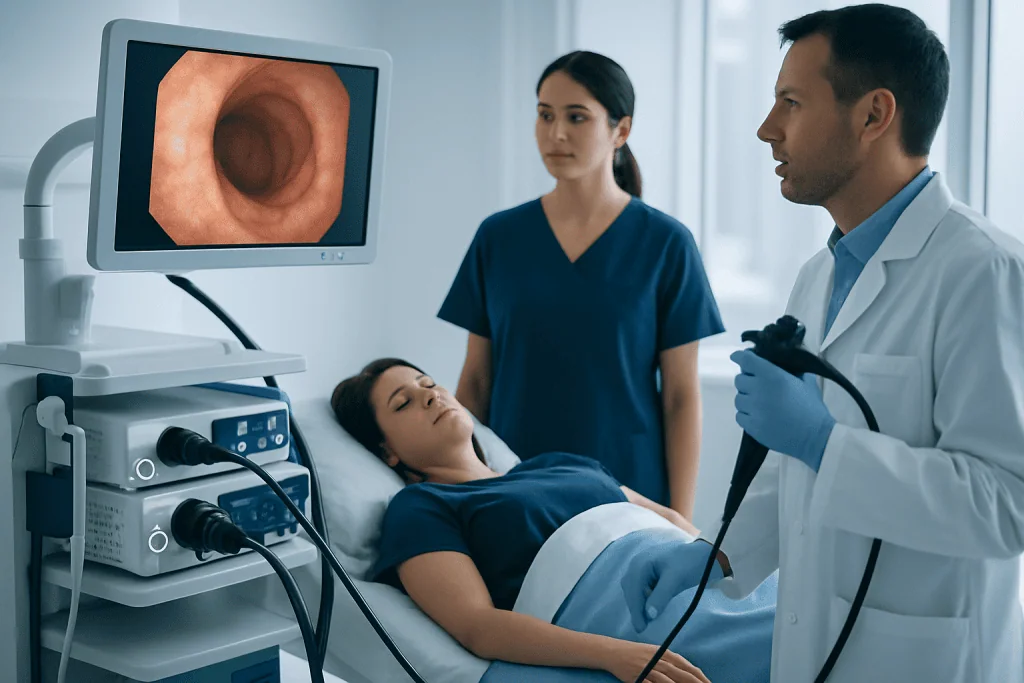
In selected cases, imaging or endoscopic tests may be advised. These are used to exclude other conditions rather than to prove IBS itself. This careful but measured approach helps avoid unnecessary procedures while making sure serious problems are not missed.
Treatment options and day-to-day management
IBS treatment is individualized because symptoms vary from person to person. The main goals are to reduce pain, improve bowel habits, and help the person recognize triggers. Many people benefit from a combination of dietary changes, stress reduction, regular physical activity, and medicines chosen for their dominant symptoms.
Dietary management often starts with simple steps such as regular meals, adequate hydration, limiting foods that clearly trigger symptoms, and avoiding overeating. Some patients improve with a structured low-FODMAP approach guided by a qualified professional. Fiber may help some people, especially with constipation, but the type and amount matter because certain fibers can worsen bloating.
Medicines may be used for diarrhea, constipation, cramping, or pain, depending on the symptom pattern. In some cases, probiotics, gut-directed psychological therapies, or other supportive treatments are considered. For people whose symptoms are more persistent or complex, colorectal surgery is not a routine treatment for IBS, but specialist review can help make sure another structural condition is not being overlooked.
Prevention, self-care, and when to seek medical care
IBS cannot always be prevented, but many people can reduce flares by understanding their own symptom patterns. Keeping a simple food and symptom diary may help identify triggers such as particular meals, stress, poor sleep, or skipped eating times. Gentle exercise, hydration, regular sleep, and stress-management techniques can support bowel regularity and overall well-being.
It is sensible to seek medical care if symptoms are new, persistent, or disruptive, especially if abdominal pain keeps returning with bowel changes. Prompt evaluation is also important if there is blood in the stool, unexplained weight loss, fever, vomiting, anemia, symptoms that wake the person from sleep, or a family history of inflammatory bowel disease or colorectal cancer. These features do not automatically mean a serious disease is present, but they should not be ignored.
If symptoms are difficult to control, referral to a digestive specialist may help clarify the diagnosis and tailor treatment. Acibadem International’s multidisciplinary specialists in JCI-accredited hospitals evaluate and treat digestive conditions, including IBS, for international patients.
Frequently asked questions
What are the first signs of IBS?
Early signs of IBS often include recurring abdominal discomfort, bloating, and changes in stool pattern. Some people first notice diarrhea after meals, constipation, or alternating bowel habits. The pattern usually repeats over time rather than happening as a one-time illness.
How can someone tell if it is IBS or something more serious?
IBS commonly causes pain linked to bowel movements and changes in stool form or frequency, but it does not usually cause bleeding, fever, or unexplained weight loss. Warning signs such as blood in the stool, nighttime symptoms, anemia, or persistent vomiting should be assessed by a doctor. A medical evaluation helps rule out inflammatory, infectious, or structural causes.
Can stress cause IBS symptoms?
Stress does not fully explain IBS, but it can trigger or worsen symptoms in many people. The gut and brain communicate closely, so emotional stress may increase cramping, urgency, or bloating. Stress management is often one useful part of a broader treatment plan.
Is bloating a sign of IBS?
Yes, bloating is a very common sign of IBS. Some people feel fullness or pressure, while others notice visible swelling of the abdomen, especially later in the day or after meals. Because bloating also occurs in other conditions, it should be interpreted along with other symptoms.
Does IBS always cause diarrhea?
No. Some people with IBS mainly have diarrhea, but others mainly have constipation, and some alternate between both. This is why doctors often describe IBS by subtype, such as IBS-D, IBS-C, or IBS-M. The treatment plan may differ depending on the main bowel pattern.
What tests are usually done for IBS?
There is no single test that proves IBS. Doctors usually diagnose it by reviewing symptoms, checking for warning signs, and sometimes ordering blood tests, stool tests, or celiac screening to rule out other causes. More advanced tests are reserved for cases with atypical symptoms or red flags.
References
- National Institute of Diabetes and Digestive and Kidney Diseases
- American College of Gastroenterology
- National Health Service
- International Foundation for Gastrointestinal Disorders
This article is for general information only and is not a substitute for professional medical advice. Please consult a qualified doctor about your individual situation.
Persistent digestive symptoms? Get evaluated in Turkey
JCI-accredited · board-certified surgeons · reply within 24h