Sleep the Phone — Explained by Medical Evidence, Not Myths

Sleep the phone refers to limiting or stopping phone use before bedtime to support healthy sleep. Phone-related sleep disruption is not only about blue light; alerts, emotional content, and habit-driven scrolling also matter.
Key Takeaways
- Sleep the phone refers to limiting or stopping phone use before bedtime to support healthy sleep.
- Phone-related sleep disruption is not only about blue light; alerts, emotional content, and habit-driven scrolling also matter.
- Simple changes such as a screen curfew, dimmer settings, and keeping the phone out of reach can improve sleep habits.
- Persistent insomnia, loud snoring, choking during sleep, or severe daytime sleepiness should be assessed by a doctor.
- Good sleep hygiene works best when it is consistent and matched to a person’s daily routine.
Sleep the phone means putting the phone away before bedtime so the brain and body can settle into sleep more naturally. Medical evidence suggests that late-night phone use can interfere with falling asleep, sleep quality, and next-day alertness, especially when it combines bright light, mental stimulation, and interruptions from notifications.
What “sleep the phone” means
“Sleep the phone” is a simple way of saying that the phone should be rested before the person tries to sleep. In practice, this means stopping phone use for a period before bedtime, silencing unnecessary notifications, and keeping the device from interrupting the night. The goal is not to make technology seem harmful, but to reduce factors that can delay sleep or make sleep lighter and less refreshing.
Medical evidence supports this idea. Evening phone use can affect sleep through several pathways at the same time: exposure to light, mental stimulation, emotional arousal, habit-driven checking, and sleep interruptions from sounds or vibrations. For many people, the combination matters more than any single factor alone.
This topic is different from common myths that focus only on “blue light.” Blue light can play a role, but it is only part of the picture. Watching exciting videos, replying to messages, doomscrolling, gaming, or checking work emails late at night may keep the brain alert even if brightness is reduced.
For someone who is sleeping well, occasional bedtime phone use may not cause major problems. But if sleep is already short, irregular, or poor in quality, “sleep the phone” can be a practical first step in improving healthy sleep habits.
How phones can affect sleep
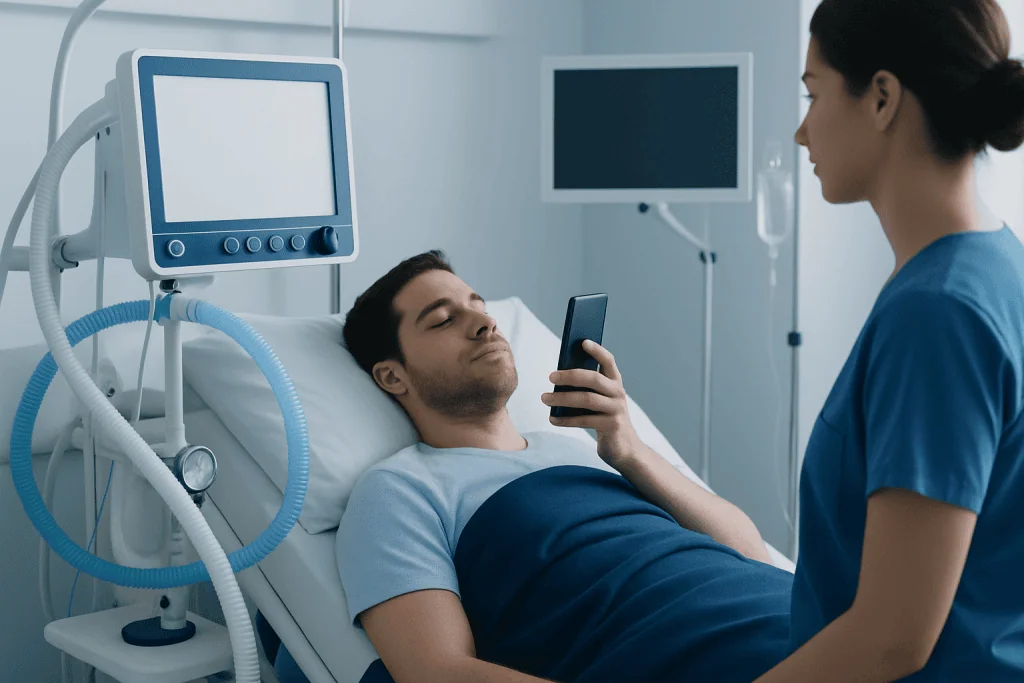
Sleep is guided by the body’s internal clock and by sleep pressure that builds during the day. Bright light in the evening, especially light close to the face, can signal the brain to stay more wakeful. This may delay the natural release of melatonin, a hormone involved in the timing of sleep, making it harder to feel sleepy at the usual hour.
However, the effect is not just biological. Phones are designed to attract attention. Messages, news updates, social media feeds, videos, and games can make it difficult to stop at the intended time. This “time displacement” matters because even a small delay each night can gradually reduce total sleep duration.
Content also matters. Stressful news, emotional conversations, work tasks, or competitive gaming can raise alertness and make it harder for the body to relax. Even if a person falls asleep quickly afterward, sleep may be less restful if the mind remains activated.
Finally, phones can disturb sleep after it begins. Notification sounds, vibrations, screen flashes, and the habit of checking the time overnight may lead to awakenings. In people with existing sleep problems such as insomnia, these repeated interruptions may reinforce a cycle of lighter, more fragmented sleep.
Common signs that phone habits may be disrupting sleep

Not everyone who uses a phone at night has a sleep problem, so it helps to look for patterns. A common sign is needing much longer to fall asleep on nights when the phone stays in use until bedtime. Another is intending to sleep at one time but losing track of time while scrolling, streaming, or messaging.
Some people notice that sleep becomes lighter or more interrupted when the phone is on the bedside table. Waking to check notifications, reading messages after a brief awakening, or using the phone as soon as sleep feels difficult can train the brain to associate the bed with alertness instead of rest.
Daytime clues are also important. Morning grogginess, difficulty concentrating, irritability, headaches, and a stronger need for caffeine may all suggest that sleep quantity or quality is not optimal. In teenagers and adults alike, late-night screen habits can contribute to an inconsistent sleep schedule.
- Takes longer than usual to fall asleep after bedtime phone use
- Bedtime keeps drifting later because of scrolling or streaming
- Night awakenings are followed by phone checking
- Feels unrefreshed in the morning despite enough time in bed
- Daytime sleepiness, reduced focus, or mood changes
What the evidence says about blue light, scrolling, and sleep quality
Research suggests that evening screen exposure can affect sleep, but the size of the effect varies from person to person. Brightness, distance from the eyes, timing, duration, content, age, and individual sensitivity all influence the outcome. This is why one person may notice a clear effect while another notices little change.
Blue-enriched light can delay the body clock, especially when exposure is close to bedtime and the room is otherwise dark. Night mode settings, warmer screen tones, and lower brightness may reduce this effect, but they do not remove the stimulating aspects of phone use. A dim phone used for stressful work or exciting media may still interfere with sleep.
Behavioral factors are often underestimated. Many people use the phone in bed because it feels relaxing, yet the device may encourage one more video, one more message, or one more news check. The result can be later sleep onset and shorter total sleep time. In this sense, “sleep the phone” is as much a habit strategy as a light strategy.
If a person has repeated trouble falling asleep, staying asleep, or feeling rested, a structured evaluation may help identify whether the issue is simple sleep hygiene or a sleep disorder that needs attention. In some cases, doctors may recommend assessment through sleep study testing when symptoms suggest a more specific cause.
Practical ways to “sleep the phone”
The most effective approach is usually simple and consistent. Many sleep specialists suggest setting a “digital sunset,” meaning a phone curfew before bedtime. The exact timing can vary, but the key is to create a predictable transition from stimulation to rest. Even a modest routine, followed most nights, can be more helpful than occasional strict rules.
Moving the phone away from the bed is often one of the most useful changes. When the device is out of reach, the temptation to check messages or scroll during brief awakenings is lower. If the phone is used as an alarm, placing it across the room or switching to a separate alarm clock may help.
Phone settings can support better sleep habits. Do Not Disturb, bedtime mode, reduced brightness, and disabling non-urgent notifications may all reduce disruptions. These settings are supportive, but they work best when combined with behavior changes such as ending work chats, social media, and videos before trying to sleep.
- Set a regular screen curfew before bedtime
- Keep the phone out of bed and, if possible, out of reach
- Use Do Not Disturb or silence non-essential alerts overnight
- Dim the screen and use warmer display settings in the evening
- Choose a calming pre-sleep routine such as reading, stretching, or quiet music
- Wake at a consistent time each day to support the body clock
When phone habits are not the only issue
Sometimes reducing phone use helps, but sleep remains poor. This can happen because sleep problems have many causes, including stress, anxiety, depression, shift work, caffeine, alcohol, chronic pain, menopause, medications, and underlying sleep disorders. In these situations, focusing only on the phone may miss the broader picture.
Some symptoms suggest that another condition should be considered. Loud snoring, witnessed pauses in breathing, gasping during sleep, waking with a dry mouth, and significant daytime sleepiness may point to sleep apnea. Restless legs, frequent nighttime urination, reflux, or persistent early-morning waking may also have medical explanations.
People with chronic insomnia may benefit from evidence-based treatment rather than repeated trial and error. A clinician may discuss behavioral strategies, mental health factors, and the timing of sleep. In some cases, a referral to a sleep specialist is appropriate, especially if symptoms last for weeks or affect safety, work, school, or mood.
For international patients who need further evaluation, Acibadem International’s multidisciplinary specialists and JCI-accredited hospitals diagnose and treat sleep-related conditions, including assessment with sleep apnea treatment options when clinically indicated.
When to seek medical care
Medical care should be considered if sleep problems are frequent, persistent, or interfere with daily life despite reducing bedtime phone use. A doctor can help determine whether the problem is mainly behavioral or whether another condition is contributing. Seeking help is especially important when poor sleep affects concentration, mood, work performance, or driving safety.
Prompt assessment is advisable if there is loud habitual snoring, choking or gasping during sleep, witnessed pauses in breathing, severe daytime sleepiness, unusual movements during sleep, or difficulty staying awake while driving. These symptoms may suggest a sleep disorder that needs medical evaluation rather than self-care alone.
It is also wise to seek care if anxiety, low mood, trauma-related symptoms, or panic are strongly affecting sleep. Children, teenagers, pregnant people, and older adults may have different sleep needs and should be assessed with age-appropriate guidance when concerns are ongoing.
If a doctor suspects a specific sleep condition, the next steps may include a sleep history, review of medications and habits, or referral for specialist care such as sleep disorder treatment. Early evaluation can make treatment more targeted and more effective.
Frequently asked questions
What does “sleep the phone” actually mean?
It means putting the phone into a sleep-friendly mode before bed by stopping active use, limiting notifications, and reducing overnight interruptions. The idea is to protect sleep by lowering light exposure, mental stimulation, and the chance of nighttime checking.
Is blue light the main reason phones affect sleep?
Blue light is one factor, but it is not the only one. Bedtime phone use can also delay sleep because of stimulating content, emotional conversations, work tasks, gaming, and the habit of continuing longer than planned.
How long before bed should a person stop using a phone?
There is no single rule that fits everyone, but a regular screen-free period before bed is often helpful. The best timing is one a person can follow consistently while noticing whether falling asleep becomes easier and sleep feels more refreshing.
Do night mode or blue-light filters solve the problem?
They may help reduce the light-related effect, especially when brightness is also lowered. However, they do not address stimulating content, emotional arousal, or the tendency to keep using the phone longer than intended.
Can someone use a phone as an alarm and still sleep well?
Yes, but it helps to reduce temptation and interruptions. Keeping the phone across the room, using Do Not Disturb, and avoiding checking it during the night can make bedtime alarm use less disruptive.
When should poor sleep be checked by a doctor?
A medical review is sensible if sleep problems continue despite good sleep habits or if they affect daytime function. Immediate assessment is more important when there is loud snoring, breathing pauses, choking at night, severe sleepiness, or safety concerns such as drowsy driving.
References
- American Academy of Sleep Medicine
- Centers for Disease Control and Prevention
- National Institutes of Health
- Sleep Foundation
- World Health Organization
This article is for general information only and is not a substitute for professional medical advice. Please consult a qualified doctor about your individual situation.
Explore treatments in Turkey — costs, top hospitals & a free quote
JCI-accredited · board-certified surgeons · reply within 24h

More from the Health Library



Related Specialists

Dr. Mustafa Şener Yıldırım
Intensive Care
Assoc. Prof. Dr. Afag Aghayeva
General Surgery
Assoc. Prof. Dr. Ayşe Ebru Bahadır
Ophthalmology
Dr. Ülkü Tuba Parlakkılıç
Breast Clinic Clinical Service