Balance Ball Pregnancy: What Is Normal, What Is Not, and When to Seek Care
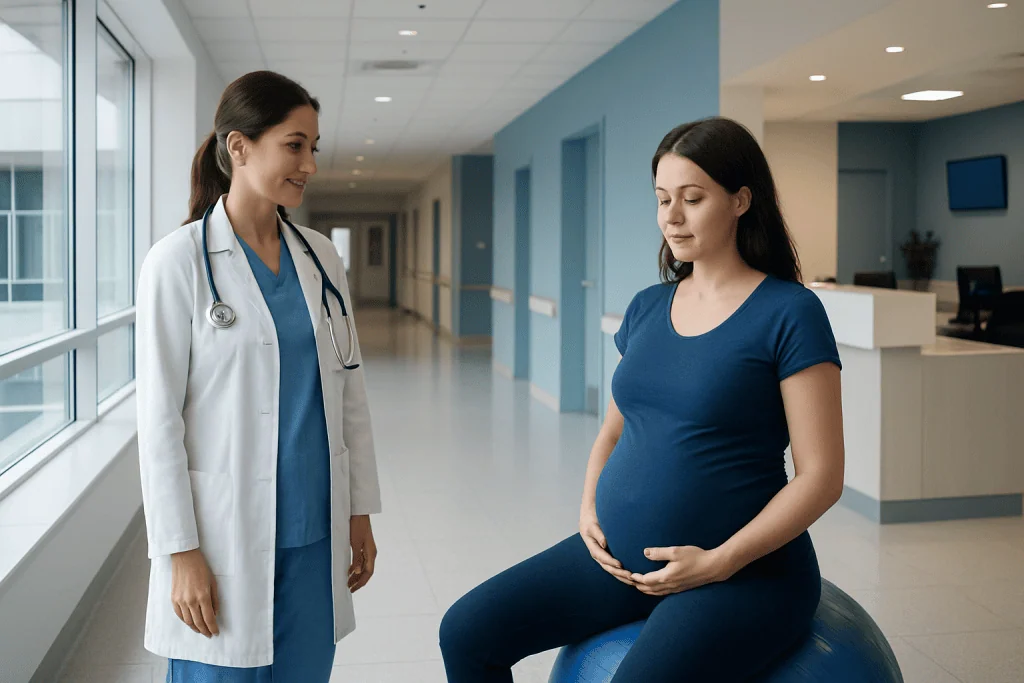
A balance ball can be a safe support tool in pregnancy when used on a stable surface and with good posture. Gentle sitting, pelvic tilts, and hip circles are commonly used for comfort and mobility during pregnancy.
Key Takeaways
- A balance ball can be a safe support tool in pregnancy when used on a stable surface and with good posture.
- Gentle sitting, pelvic tilts, and hip circles are commonly used for comfort and mobility during pregnancy.
- Sharp pain, vaginal bleeding, leaking fluid, regular contractions, faintness, or reduced fetal movement are not normal and need medical advice.
- People with high-risk pregnancies or significant pain should ask their obstetric clinician before starting balance ball exercises.
- Safety matters: choose the right ball size, avoid unstable movements, and stop if symptoms worsen.
Balance ball pregnancy use is often normal and can help with posture, comfort, and gentle movement when pregnancy is uncomplicated. It is not normal if the ball causes falls, worsening pain, bleeding, leaking fluid, dizziness, reduced fetal movement, or symptoms that could signal preterm labor or another problem.
Overview: what is normal with a balance ball in pregnancy?
In most uncomplicated pregnancies, using a balance ball, often called a birth ball or exercise ball, is considered a normal way to sit, stretch, and move gently. Many pregnant people find that it supports upright posture, reduces pressure on the lower back, and makes it easier to perform mild pelvic movements. When used correctly, it is generally a comfort and mobility tool rather than a treatment.
What is usually normal includes feeling more comfortable while sitting, gentle stretching through the hips and lower back, and mild muscle fatigue after activity. Some people also use a balance ball in childbirth preparation classes because it can encourage an upright position and controlled movement. However, it should not cause severe discomfort, loss of balance, or symptoms such as bleeding or contractions.
The key question is not simply whether a ball is being used, but how the body responds. Pregnancy changes balance, joints, and circulation, so an activity that feels fine one day may need adjusting another day. A person should stop and seek advice if symptoms move beyond ordinary pregnancy discomfort and begin to suggest injury, overexertion, or an obstetric concern.
How a balance ball may help during pregnancy
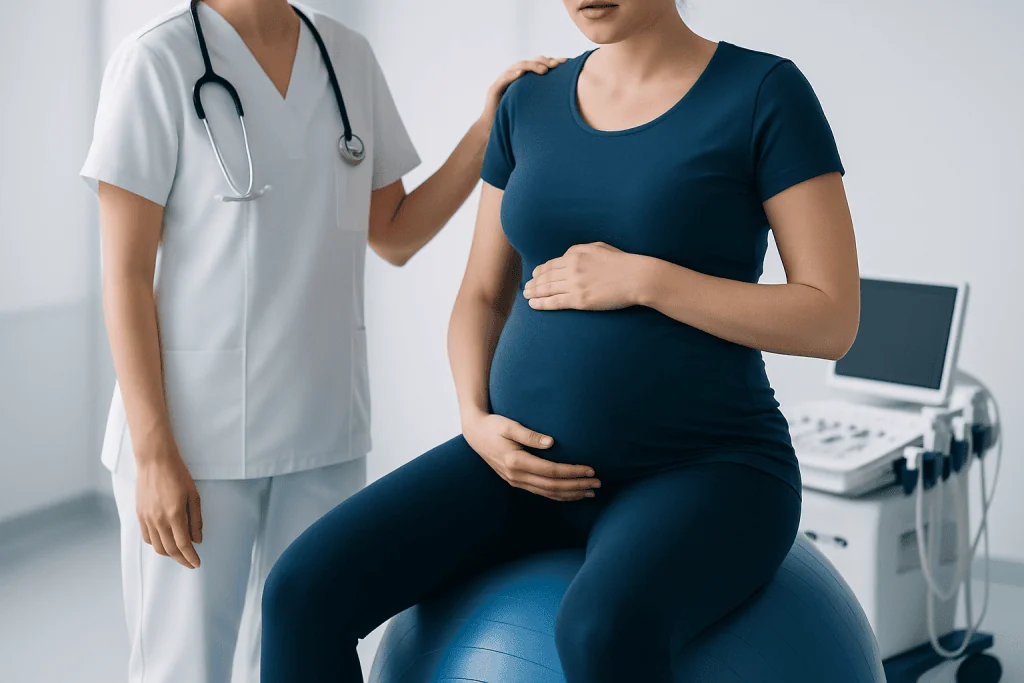
A balance ball can support comfortable sitting because it encourages the pelvis to stay mobile and may reduce slouching. This can be helpful when a growing abdomen shifts the center of gravity and places extra strain on the lower back. Gentle movement on the ball may also ease stiffness after sitting for long periods.
For some, the ball becomes a practical alternative to a soft chair. Sitting upright with both feet flat on the floor can promote a neutral spine and reduce pressure in the hips. Slow pelvic tilts or circles may also help a person become more aware of posture and core support without high-impact exercise.
People sometimes use a balance ball as part of a broader pregnancy exercise plan that may include walking, stretching, or guided physiotherapy. If pelvic or back pain is significant, assessment may be needed to rule out conditions such as sciatica or other musculoskeletal causes. A clinician may also suggest physical therapy and rehabilitation when pain, weakness, or movement limitations are interfering with daily life.
- May improve sitting comfort
- Can encourage upright posture
- May reduce lower back stiffness
- Supports gentle hip and pelvic mobility
- Can be part of low-impact pregnancy exercise
What is considered normal and what is not
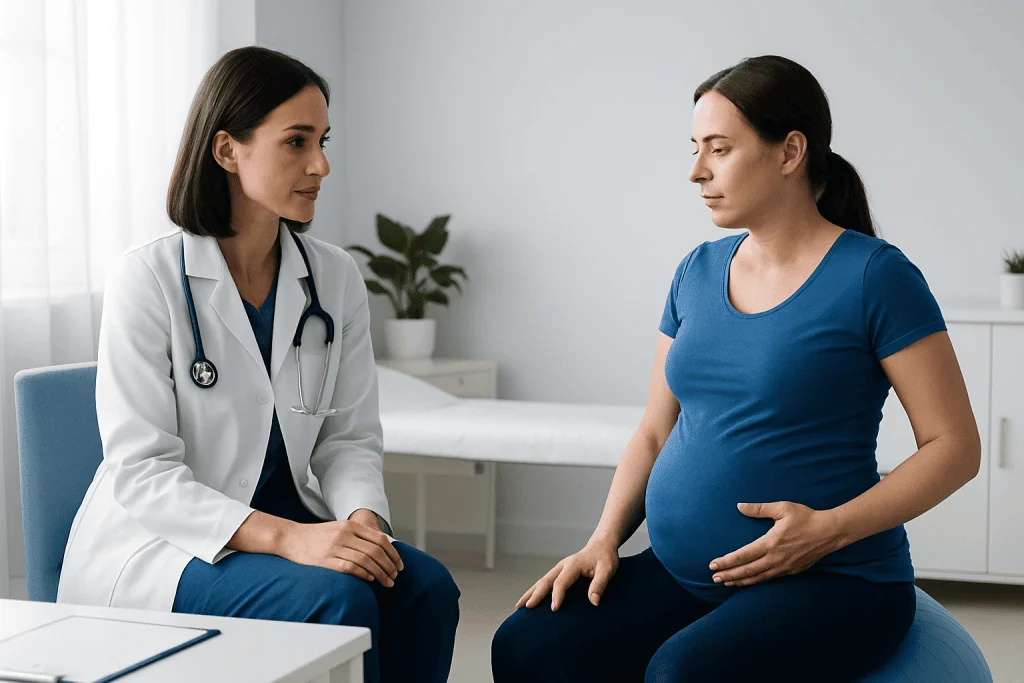
Normal responses to balance ball use in pregnancy usually include mild stretching, a sense of pressure relief in the lower back, and gentle muscle work in the hips or trunk. Brief fatigue after activity can also be expected, especially later in pregnancy. These effects should improve with rest and should not leave the person feeling unsteady or unwell.
Not normal are symptoms that are intense, persistent, or clearly different from ordinary pregnancy discomfort. Sharp abdominal pain, severe pelvic pain, worsening back pain, numbness, faintness, chest pain, or shortness of breath are warning signs. Vaginal bleeding, leaking fluid, regular tightening that may be contractions, or a noticeable decrease in fetal movement should never be ignored.
A fall from the ball is also not normal, even if there is no immediate pain. Because balance changes during pregnancy, a slip or sudden jolt deserves attention, especially if there is abdominal impact, cramping, or reduced fetal movement afterward. If symptoms suggest a pregnancy complication, clinicians may evaluate for issues such as preterm labor or other obstetric causes.
Safety tips for using a pregnancy balance ball
Safe use starts with choosing the correct ball size so the knees are at about hip level or slightly lower while sitting. The ball should be well inflated but not overly hard, and it should be placed on a dry, uncluttered, non-slip surface. Supportive footwear or bare feet can provide better traction than slippery socks.
Getting on and off the ball slowly is important because pregnancy can affect balance and blood pressure. The person should sit in the center of the ball with feet placed wide enough for stability and avoid bouncing high or making sudden movements. If needed, sitting near a wall, sturdy chair, or helper can add reassurance.
Exercises should remain gentle and controlled. Common examples include sitting upright, small pelvic tilts, slow hip circles, and light rocking. A person should avoid any movement that causes pain, dizziness, breathlessness beyond normal exertion, or a feeling of instability. If there is uncertainty about safe activity in a high-risk pregnancy, an obstetric clinician or women’s health physiotherapist can advise on whether pregnancy follow-up or exercise modification is needed.
Who should ask a doctor before using one
Not every pregnancy has the same activity recommendations. Anyone with a high-risk pregnancy should ask their clinician before starting or continuing balance ball exercises. This includes people with a history of preterm birth, cervical shortening, significant vaginal bleeding, placenta-related concerns, ruptured membranes, uncontrolled high blood pressure, or severe pregnancy-related symptoms.
People with important musculoskeletal problems may also benefit from advice first. Severe pelvic girdle pain, recurrent falls, major balance problems, or nerve symptoms such as weakness or radiating leg pain can make a balance ball less suitable without supervision. In these situations, a clinician may recommend modified exercise or structured therapy instead.
Medical review is also sensible if there are conditions affecting circulation, breathing, or fainting. The goal is not to avoid movement unnecessarily, but to match activity to the person’s health needs and stage of pregnancy. Tailored guidance may help them stay active while reducing avoidable risks.
When to seek medical care
A pregnant person should seek prompt medical advice if balance ball use is followed by vaginal bleeding, leaking fluid, painful or regular contractions, severe abdominal pain, sudden pelvic pressure, or reduced fetal movement. These symptoms are not typical effects of exercise or sitting posture changes. They may indicate an obstetric issue that needs assessment.
Medical care is also important after a fall, especially if there was impact to the abdomen, ongoing cramping, dizziness, or any change in how the baby is moving. Even if symptoms seem mild at first, it is wise to contact the maternity team for guidance. They can decide whether monitoring or an examination is needed.
Emergency evaluation is appropriate for chest pain, severe shortness of breath, fainting, one-sided weakness, or a severe headache with visual symptoms. If back or leg symptoms become disabling, clinicians may investigate causes and sometimes use tests such as MRI when clinically appropriate in pregnancy. For international patients who need assessment, Acibadem International’s multidisciplinary specialists and JCI-accredited hospitals diagnose and treat pregnancy-related and musculoskeletal concerns with individualized care.
Diagnosis and medical evaluation if symptoms are not normal
If symptoms occur during or after balance ball use, the first step is usually a clinical review of what happened, what the symptoms feel like, and whether there are any pregnancy risk factors. The clinician may ask about gestational age, fetal movement, vaginal symptoms, pain pattern, and whether there was a fall. This history often helps distinguish ordinary strain from something more serious.
Examination may include checking blood pressure, pulse, tenderness, mobility, and neurologic symptoms if back or leg pain is present. In pregnancy-related concerns, fetal wellbeing and uterine activity may also be assessed. Depending on the situation, the clinician may recommend monitoring, ultrasound, or other tests to evaluate both maternal and fetal health.
When pain appears to be mainly musculoskeletal, the focus is often on posture, joint support, and activity modification. If symptoms point to obstetric causes, treatment follows the underlying condition rather than the ball use itself. The balance ball is then reassessed as part of a safer daily routine or paused until the patient is cleared to resume activity.
Practical self-care and safer ways to continue
For many people, the safest approach is to use the ball in short sessions and pay attention to how the body responds. Starting with five to ten minutes of supported sitting or gentle circles can be enough. If symptoms remain mild and improve afterward, sessions can be continued as tolerated, while avoiding prolonged use that increases fatigue or pressure.
Combining the ball with other healthy habits may improve comfort more than relying on one tool alone. Helpful measures can include regular walking, posture changes, hydration, supportive footwear, rest breaks, and a sleep position that supports the body. If work or home routines involve long periods of sitting, alternating between a chair and the ball may be more practical than replacing a chair entirely.
It is also important to remember that a balance ball is not a substitute for prenatal care. Ongoing symptoms such as persistent pelvic pain, worsening back pain, or repeated dizziness deserve professional review. With the right guidance, many pregnant people can continue gentle movement safely while recognizing the signs that call for medical attention.
Frequently asked questions
Is it safe to sit on a balance ball during pregnancy?
For many people with uncomplicated pregnancies, yes. Sitting on a correctly sized ball on a stable surface is commonly used for comfort and gentle movement. It is best to stop and ask a clinician if it causes pain, dizziness, contractions, bleeding, or a feeling of instability.
Can a balance ball help induce labor?
A balance ball does not reliably induce labor on its own. Gentle rocking or upright positions may help comfort and mobility late in pregnancy, but they are not a proven method to start labor. If there are concerns about overdue pregnancy or labor symptoms, an obstetric clinician should advise on safe next steps.
What exercises on a birth ball are usually considered safe?
Common low-intensity options include sitting upright, small pelvic tilts, gentle hip circles, and light rocking. Movements should be slow, controlled, and pain-free. High bouncing, unstable positions, or anything that risks a fall should be avoided.
When should someone stop using a balance ball while pregnant?
They should stop if they feel sharp pain, worsening pelvic pressure, dizziness, shortness of breath beyond normal exertion, or if they feel unsteady. Vaginal bleeding, leaking fluid, regular contractions, or reduced fetal movement need medical advice rather than continued exercise. After a fall, it is sensible to contact the maternity team.
Can a balance ball hurt the baby?
Used carefully, a balance ball itself does not usually harm the baby. The main concern is not the ball, but unsafe use, falls, or ignoring warning symptoms. Good technique and attention to symptoms are the most important safety measures.
Is a balance ball helpful for back pain in pregnancy?
It can be helpful for some people because it encourages posture changes and gentle pelvic movement. However, back pain in pregnancy has many causes, and a ball will not suit everyone. If pain is severe, radiates down the leg, or limits daily activities, a medical review is recommended.
References
- American College of Obstetricians and Gynecologists
- Royal College of Obstetricians and Gynaecologists
- National Health Service
- World Health Organization
This article is for general information only and is not a substitute for professional medical advice. Please consult a qualified doctor about your individual situation.
Joint and spine care in Turkey — expert assessment & treatment
JCI-accredited · board-certified surgeons · reply within 24h
Check your numbers in seconds
BMI, calories, due date, blood pressure and 30+ more clinical calculators — free, instant, doctor-reviewed ranges.