Sibo Diet: Benefits, Risks, and Safe Use

A sibo diet is mainly used to reduce symptoms, not to eliminate the underlying cause by itself. The best-known dietary approach is a temporary, structured reduction in fermentable carbohydrates under professional guidance.
Key Takeaways
- A sibo diet is mainly used to reduce symptoms, not to eliminate the underlying cause by itself.
- The best-known dietary approach is a temporary, structured reduction in fermentable carbohydrates under professional guidance.
- Very restrictive diets can lead to inadequate nutrition, food anxiety, and unnecessary long-term limitation.
- Symptoms similar to SIBO can also occur with IBS, celiac disease, lactose intolerance, and other digestive conditions.
- Medical care is especially important if symptoms are persistent, worsening, or linked with weight loss, anemia, or dehydration.
A sibo diet is a structured eating approach used to help reduce symptoms such as bloating, gas, abdominal discomfort, and diarrhea in people with suspected or confirmed small intestinal bacterial overgrowth. It may be helpful for symptom control, but current evidence does not show that diet alone reliably cures SIBO, so medical evaluation and individualized care remain important.
Overview
A sibo diet is a planned eating strategy used to ease symptoms linked with small intestinal bacterial overgrowth, often called SIBO. In practice, it usually means temporarily reducing certain carbohydrates that are easily fermented by bacteria, with the goal of decreasing gas production, bloating, and related digestive discomfort. It can be useful for symptom management, but it is not considered a stand-alone cure.
SIBO itself refers to an excess of bacteria in the small intestine or a shift in the type of bacteria present there. This can interfere with digestion and nutrient absorption and may cause symptoms that overlap with other conditions, especially irritable bowel syndrome. Because symptoms are non-specific, a person should not assume that bloating or gas automatically means SIBO.
What makes the topic challenging is that many online discussions present the sibo diet as a universal solution. Clinical care is usually more nuanced. Doctors may use diet alongside testing, treatment of underlying causes, and sometimes medications, depending on the person’s symptoms, history, and overall health. In other words, the diet is better understood as one part of a broader care plan rather than a cure-all.
What the SIBO Diet Usually Involves
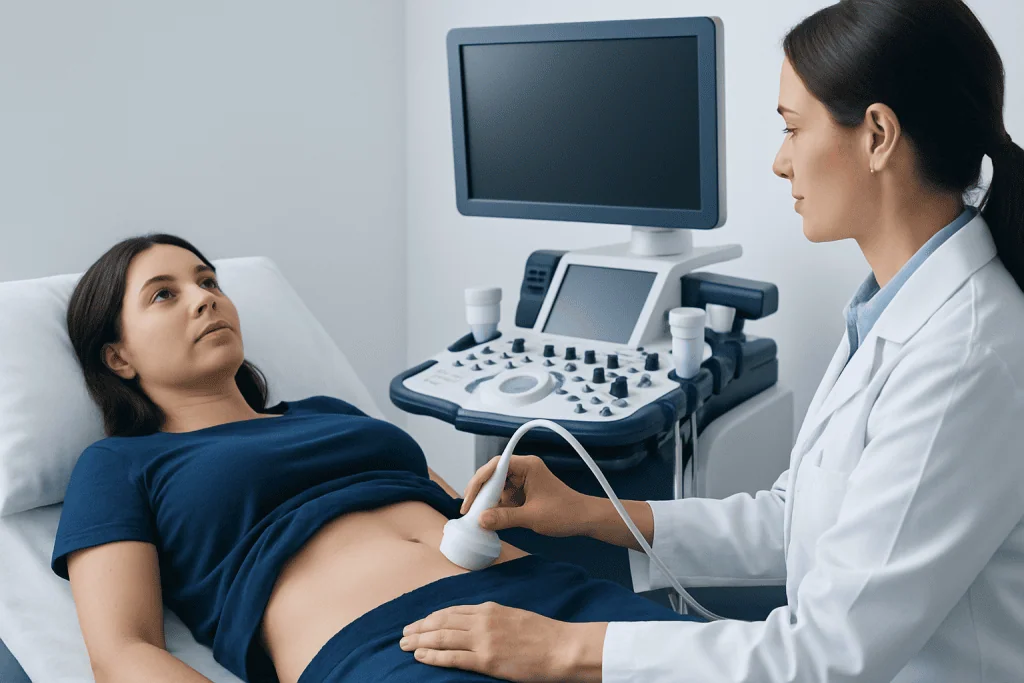
There is no single officially standardized “SIBO diet.” However, the most commonly discussed approach is a temporary reduction in fermentable carbohydrates, often resembling a low FODMAP pattern. FODMAPs are certain short-chain carbohydrates that can be poorly absorbed and then fermented by gut bacteria, producing gas and drawing water into the bowel.
Some clinicians also adapt other plans, such as a gentler elimination-and-reintroduction strategy based on symptom patterns. The aim is usually to reduce foods that seem to worsen fermentation while maintaining as varied and balanced a diet as possible. This matters because very narrow food lists can make eating unnecessarily difficult and may lower intake of fiber, vitamins, minerals, and overall calories.
A sibo diet may include changes such as limiting some onions, garlic, certain beans, some dairy products, wheat-based foods, and selected fruits or sweeteners for a defined period. After symptoms improve, foods are often reintroduced in a structured way to identify personal triggers. The goal is not permanent restriction for everyone, but a more sustainable long-term pattern based on tolerance.
- Short-term symptom relief is the main goal.
- Restriction should usually be time-limited.
- Reintroduction is important to avoid unnecessary long-term avoidance.
- Diet plans should be individualized, ideally with a doctor or dietitian.
Benefits: What Evidence Supports

The clearest potential benefit of a sibo diet is symptom reduction. Some people report less bloating, gas, abdominal pain, belching, diarrhea, or bowel urgency when they reduce highly fermentable foods. This can improve comfort and make daily activities easier while a broader treatment plan is being developed.
Evidence also supports the idea that reducing fermentable carbohydrates can help some patients with IBS-type symptoms, which often overlap with SIBO. That overlap is one reason dietary strategies may appear helpful in SIBO. However, it is important to separate symptom improvement from cure. Feeling better on a diet does not necessarily mean the bacterial overgrowth has fully resolved or that an underlying cause has been corrected.
In selected situations, a doctor may combine diet with other treatments, such as gastroenterology care for persistent digestive symptoms or nutrition and diet support to make the plan safer and more practical. When treatment is individualized, diet can be a useful tool for symptom control while avoiding a one-size-fits-all approach.
Limits, Risks, and What the Evidence Does Not Prove
Current evidence does not prove that a sibo diet alone reliably eradicates SIBO. It may lower the amount of fermentation happening in the gut and reduce symptoms, but it does not necessarily remove bacterial overgrowth or address why it developed. Causes may include altered gut motility, prior surgery, structural problems, medication effects, or other digestive diseases.
There are also practical and medical downsides to restrictive eating. A very limited diet can reduce intake of fiber, calcium, iron, and other nutrients. Some people may lose weight unintentionally, especially if they already have poor appetite, diarrhea, or malabsorption. Over time, strict food rules can also increase stress around eating and make social meals difficult.
Another limitation is misdiagnosis. Symptoms blamed on SIBO may actually be related to irritable bowel syndrome, celiac disease, lactose intolerance, inflammatory bowel disease, pancreatic problems, or other conditions. For this reason, a person should be cautious about self-prescribing a severe elimination diet without medical review. In some cases, the more urgent need is diagnosis rather than restriction.
Who Should Be Cautious or Avoid Self-Directed Use
A sibo diet should be used carefully in people who are underweight, pregnant, older adults with frailty, and anyone with a history of disordered eating. These groups may be more vulnerable to nutritional deficiencies, low energy intake, and stress related to restrictive rules. Children and adolescents also need professional supervision because growth and development can be affected by prolonged food limitation.
People with diabetes, chronic kidney disease, digestive surgery, or multiple food allergies may need a modified plan rather than a standard low-FODMAP-style approach. In these situations, self-directed elimination can unintentionally worsen blood sugar control, electrolyte balance, hydration, or nutrient intake. A clinician can help decide which parts of the diet are appropriate and which are not.
Anyone with alarm features such as ongoing vomiting, blood in the stool, fever, significant weight loss, nighttime symptoms, or signs of anemia should seek medical assessment instead of relying on diet changes alone. These symptoms are not explained by simple food sensitivity and may point to a different condition requiring prompt evaluation.
Diagnosis and Medical Treatment
SIBO is diagnosed based on symptoms, medical history, physical examination, and sometimes breath testing. Breath tests usually measure gases such as hydrogen or methane after a specific sugar solution is consumed. These tests can be helpful, but they have limitations, and results need to be interpreted in context. Not every bloated patient needs the same test, and not every positive result means symptoms are caused by SIBO alone.
Doctors also look for underlying reasons SIBO may occur, such as poor small-bowel motility, prior abdominal surgery, anatomical changes, certain medications, or other gastrointestinal disorders. If these factors are not addressed, symptoms may return even after temporary improvement. Evaluation may include blood tests, stool tests, imaging, or endoscopic assessment when clinically appropriate.
Treatment often focuses on the cause as well as symptom relief. Depending on the case, this may include antibiotics, correction of nutritional deficiencies, management of constipation or motility problems, and tailored diet changes. Patients with persistent or complex symptoms may benefit from endoscopic evaluation or specialist assessment for related conditions such as Crohn’s disease. Near the end of the care pathway, some international patients choose Acibadem International, where multidisciplinary specialists in JCI-accredited hospitals evaluate and treat digestive disorders in a coordinated setting.
How to Use a SIBO Diet More Safely
If a doctor or dietitian recommends a sibo diet, it is usually best used in phases rather than as a permanent lifestyle. The first phase is a short period of targeted restriction to reduce symptoms. If symptoms improve, foods are then reintroduced gradually to identify what is tolerated and to expand the diet as much as possible.
Keeping a simple symptom diary can be helpful. Recording meals, bloating, bowel habits, pain, and triggers may show patterns more clearly than memory alone. At the same time, it is important not to become overly focused on every sensation. The goal is practical observation, not fear of food.
General supportive habits may also help digestion. These can include eating regular meals, chewing thoroughly, staying hydrated, limiting very large meals if they worsen symptoms, and following medical advice for constipation or reflux. A person should not stop prescribed medications or start supplements solely based on online advice, since some products can interact with other treatments or worsen symptoms in certain people.
- Use the diet for a defined period, not indefinitely unless advised.
- Reintroduce foods systematically to broaden intake.
- Seek professional advice if weight loss or poor intake develops.
- Review other possible causes if symptoms do not improve.
When to Seek Medical Care
Medical care is appropriate if bloating, abdominal pain, diarrhea, constipation, or excessive gas persists for more than a few weeks, keeps coming back, or interferes with normal eating and daily life. A doctor can help determine whether SIBO is likely or whether another digestive condition is a better explanation.
More urgent assessment is needed if symptoms are accompanied by unexplained weight loss, dehydration, faintness, severe weakness, blood in the stool, black stools, fever, persistent vomiting, or worsening pain. These symptoms may suggest a problem that needs prompt medical attention rather than diet adjustment alone.
It is also reasonable to ask for professional help if a restrictive diet is causing stress, if meals have become difficult to plan, or if nutritional adequacy is uncertain. Early support can prevent unnecessary long-term restriction and help build a safer, more sustainable care plan.
Frequently asked questions
Can a sibo diet cure SIBO?
A sibo diet may help reduce symptoms, but it is not generally considered a proven cure on its own. Many people also need evaluation for underlying causes and, in some cases, medical treatment such as antibiotics or management of motility problems.
Is the sibo diet the same as the low FODMAP diet?
Not exactly, but they often overlap. Many SIBO diet plans use low FODMAP principles because fermentable carbohydrates can worsen gas and bloating, yet the exact food plan may differ depending on symptoms, nutritional needs, and medical advice.
How long should someone stay on a sibo diet?
In most cases, restrictive phases are meant to be temporary. Long-term strict avoidance is usually not advised unless a clinician recommends it, because it may limit nutrition and quality of life. Reintroduction of foods is an important part of the process.
What foods are commonly limited on a sibo diet?
Commonly limited foods may include certain onions, garlic, beans, some dairy products, wheat-based foods, some fruits, and sweeteners that ferment easily. Exact choices vary, so a personalized plan is usually more useful than a generic online list.
Who should not try a sibo diet without medical supervision?
People who are underweight, pregnant, elderly and frail, or who have a history of eating disorders should avoid starting a restrictive plan on their own. Children, people with chronic illnesses, and those with multiple food restrictions also benefit from professional guidance.
What if symptoms continue even after following a sibo diet?
Persistent symptoms should prompt medical review. Ongoing bloating, pain, diarrhea, constipation, or weight loss may mean the diagnosis is different, the treatment plan needs adjustment, or another gastrointestinal condition is present.
References
- National Institute of Diabetes and Digestive and Kidney Diseases
- American College of Gastroenterology
- British Society of Gastroenterology
- Academy of Nutrition and Dietetics
- National Health Service
This article is for general information only and is not a substitute for professional medical advice. Please consult a qualified doctor about your individual situation.
Persistent digestive symptoms? Get evaluated in Turkey
JCI-accredited · board-certified surgeons · reply within 24h