Dermabrasion: A Complete Medical Overview

Dermabrasion mechanically resurfaces the skin and is different from creams, peels, or laser treatments. It may help improve acne scars, uneven texture, sun-damaged skin, and some fine lines.
Key Takeaways
- Dermabrasion mechanically resurfaces the skin and is different from creams, peels, or laser treatments.
- It may help improve acne scars, uneven texture, sun-damaged skin, and some fine lines.
- Not everyone is a good candidate; skin tone, medical history, and scar type affect safety and results.
- Recovery usually involves redness, tenderness, and strict sun protection while new skin heals.
- A specialist consultation is important to weigh expected benefits, risks, and alternative treatments.
Dermabrasion is a medical skin-resurfacing procedure that removes the outer layers of skin to improve surface irregularities such as acne scars, sun damage, and some fine wrinkles. It is performed by trained specialists after a careful skin assessment, and results, recovery time, and risks depend on skin type, treatment depth, and aftercare.
What dermabrasion is and what it can treat
Dermabrasion is a physician-performed skin-resurfacing procedure that uses a rapidly rotating instrument to carefully remove the outer layers of skin. The goal is to allow smoother, newer skin to form as the treated area heals. It is most often used on the face, but in selected cases it may also be used on other areas with visible scarring or textural change.
People usually ask about dermabrasion to improve acne scars, uneven skin texture, sun-related skin changes, and certain fine wrinkles. It may also be considered for some surgical scars or traumatic scars once the skin has fully healed. The treatment does not stop skin aging, and it does not remove every mark completely, but it can soften irregularities and improve overall appearance when chosen appropriately.
Dermabrasion is different from microdermabrasion. Microdermabrasion is a more superficial cosmetic exfoliation, while dermabrasion reaches deeper layers and is a true medical procedure with more recovery time and more meaningful results for selected concerns. It is also different from chemical peels and laser resurfacing, which remove skin in different ways and may be better options for some patients.
Who may benefit most from dermabrasion
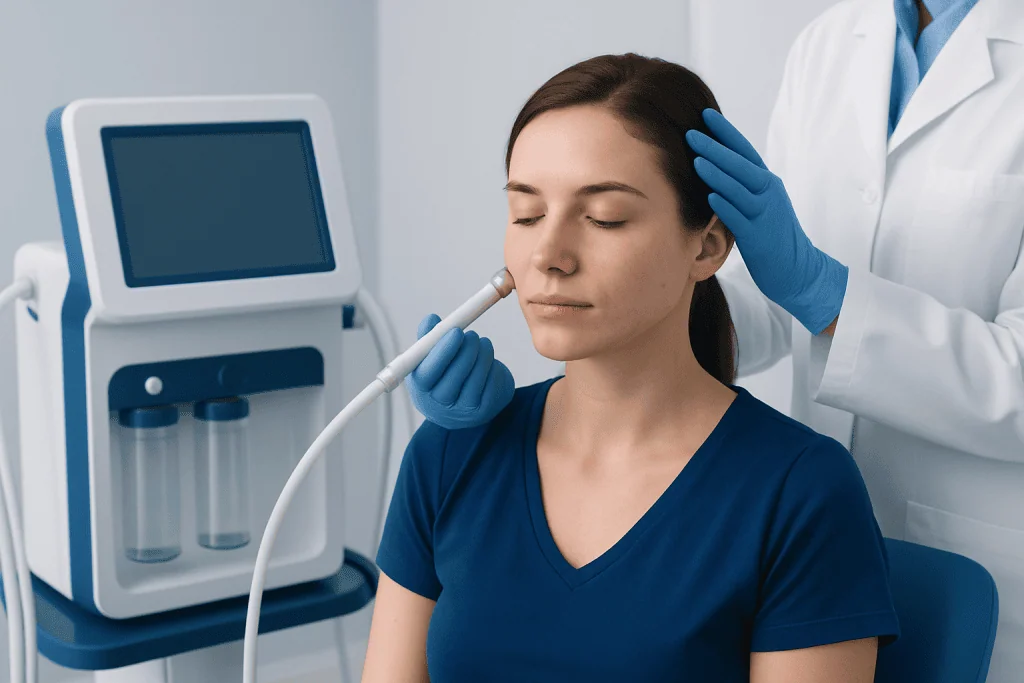
The best candidates are people with realistic expectations and a specific concern that responds well to mechanical resurfacing. Dermabrasion can be especially helpful for certain acne scars, rough skin texture, and well-defined superficial scars. It may also be used to improve some sun-damaged areas and fine lines around the mouth, depending on the skin assessment.
Results depend on the depth and type of the skin problem. For example, shallow boxcar acne scars may improve more than deep ice-pick scars, which often need other methods. A specialist may discuss alternatives or combination approaches such as laser treatment or chemical peel treatment when these are likely to be more suitable.
Skin tone also matters. People with darker skin types can still be evaluated, but they may have a higher risk of pigment changes after treatment. A dermatologist or plastic surgeon considers skin color, tendency to scar, active skin disease, medication history, and healing patterns before recommending dermabrasion.
How the procedure is performed
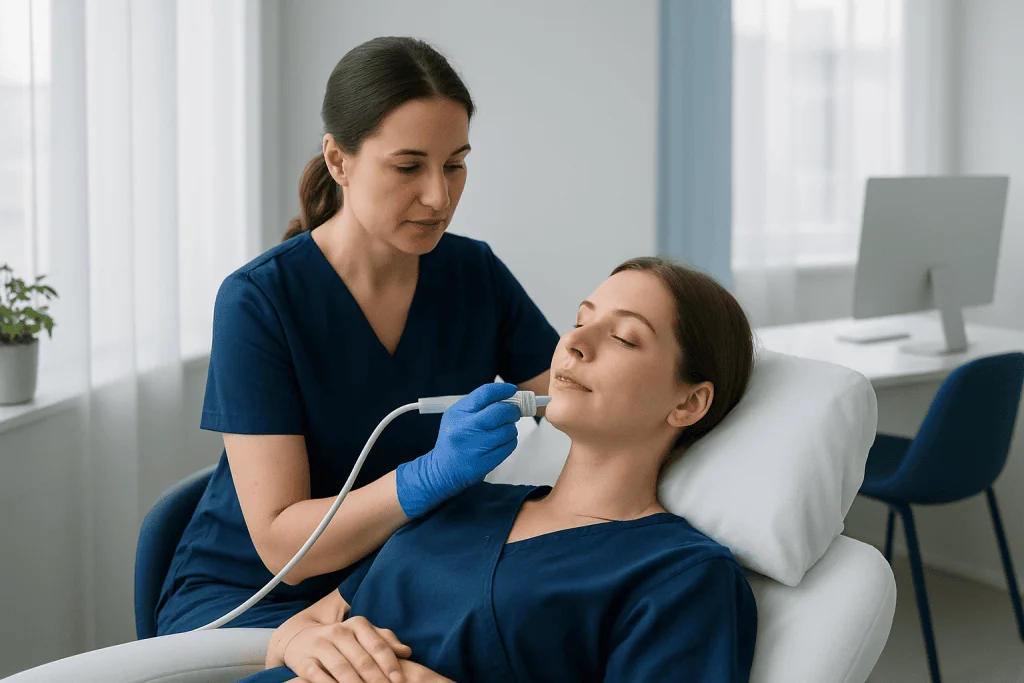
Dermabrasion is usually carried out in a clinic or hospital setting by a dermatologist or plastic surgeon. After cleansing the skin, the treatment area is numbed with local anesthesia, and in some cases sedation may be used. The specialist then uses a controlled abrasive device to remove the outer skin layers to a planned depth.
The exact technique depends on the area treated and the condition being addressed. Small scars may be treated very precisely, while broader resurfacing may be performed for more diffuse texture changes. The skin is then covered with a protective dressing, and the patient receives detailed instructions about cleansing, ointments, and sun avoidance.
Before the procedure, the specialist may advise stopping certain skin products or medications that raise the risk of irritation, bleeding, or abnormal healing. If there is a history of recurrent cold sores, preventive medication may be considered because resurfacing around the mouth can trigger a herpes simplex outbreak.
Risks, side effects, and who may not be a good candidate
Like any medical procedure, dermabrasion has potential risks. Short-term effects commonly include redness, swelling, tenderness, oozing, crusting, and sensitivity while the skin heals. These reactions are expected during recovery, but they should be monitored carefully to make sure healing is progressing normally.
Less common but important risks include infection, prolonged redness, milia, worsening of scars, and changes in skin color such as darkening or lightening. Some people are more likely to develop noticeable pigment changes, especially if they have darker skin, recent sun exposure, or a history of post-inflammatory hyperpigmentation. A tendency to form keloids or thick raised scars is another reason to assess suitability very carefully.
Dermabrasion may not be appropriate for people with active acne breakouts, active skin infection, certain inflammatory skin disorders, recent use of isotretinoin, or uncontrolled medical conditions that affect healing. It also may be postponed in people with frequent herpes infections unless preventive planning is in place. If a patient has a related skin condition such as acne or rosacea, the underlying issue usually needs evaluation and management before resurfacing is considered.
Recovery and aftercare
Recovery after dermabrasion is a gradual healing process rather than an instant cosmetic change. The treated skin is often pink or red, tender, and swollen at first. As new skin forms, the surface may feel tight or itchy, and crusting can occur. Healing time varies with treatment depth and the size of the area, but careful aftercare is essential throughout.
Patients are usually advised to keep the area clean, use prescribed or recommended ointments, avoid picking or rubbing, and protect the skin from sun exposure. Sun protection is especially important because newly healed skin is more vulnerable to burning and pigment changes. Makeup and skincare products are reintroduced only when the treating specialist says the skin barrier has recovered enough.
Visible improvement often continues for weeks to months as redness fades and the skin remodels. During this period, patience is important because the final result does not appear immediately. If the goal is scar improvement, more than one session or a combined treatment plan may sometimes be discussed.
- Follow wound-care instructions exactly.
- Avoid direct sun and use broad-spectrum sun protection.
- Do not use harsh exfoliants until cleared by the doctor.
- Report increasing pain, pus, fever, or spreading redness promptly.
Dermabrasion compared with other skin-resurfacing options
Dermabrasion is one of several resurfacing methods used to improve texture and scarring. Compared with microdermabrasion, it is deeper, more effective for selected scars, and associated with more downtime. Compared with chemical peels and laser resurfacing, it is a different technique rather than a universally better one. The right choice depends on skin type, concern, recovery preferences, and the specialist’s examination.
For some people, lasers offer more precision or may be preferred for certain wrinkle and scar patterns. For others, a peel may address pigmentation and roughness with a different recovery profile. In patients with multiple concerns, a doctor may recommend a staged plan that combines resurfacing with scar-specific methods or dermatology care to optimize skin health before and after treatment.
A thorough consultation should include discussion of expected improvement, number of sessions if relevant, likely downtime, risk of pigment changes, and whether another treatment would achieve the goal more safely. This individualized planning is one of the most important parts of good dermabrasion care.
When to seek medical care
Medical advice is important before dermabrasion if there is uncertainty about the diagnosis, a history of poor wound healing, frequent cold sores, unusual scarring, or darkening of the skin after previous irritation. An in-person assessment also helps identify lesions that should not be treated cosmetically until they are properly examined.
After the procedure, prompt medical review is needed if there is fever, increasing pain, foul-smelling drainage, rapidly spreading redness, significant bleeding, or healing that seems to worsen instead of improve. These symptoms can suggest infection or another complication that needs timely care.
Anyone considering dermabrasion should also seek professional advice if the concern may be related to an ongoing skin disorder rather than only surface texture. In experienced centers, multidisciplinary specialists can evaluate whether dermabrasion or another option is more appropriate. Acibadem International’s multidisciplinary teams in JCI-accredited hospitals diagnose and treat skin concerns for international patients when specialist assessment is needed.
Frequently asked questions
Is dermabrasion the same as microdermabrasion?
No. Dermabrasion is a deeper medical resurfacing procedure performed by a trained specialist, while microdermabrasion is a more superficial exfoliating treatment. Because dermabrasion reaches deeper skin layers, it can improve certain scars and texture problems more effectively, but it also involves more recovery time.
What skin problems can dermabrasion improve?
Dermabrasion may improve some acne scars, rough skin texture, sun-damaged skin, certain surgical or traumatic scars, and fine wrinkles. It does not work equally well for every scar type or every skin concern. A specialist can explain whether the expected benefit is likely to be mild, moderate, or limited.
How long does it take to recover from dermabrasion?
Initial healing often takes days to weeks, depending on how deeply and how widely the skin was treated. Redness can last longer while the new skin matures. Full cosmetic improvement may continue to develop over several weeks or months.
Is dermabrasion painful?
The procedure itself is usually performed with local anesthesia, and sometimes sedation, to make it more comfortable. Afterward, the skin often feels sore, tight, or tender for a period of time. The treating doctor provides aftercare guidance to help manage discomfort safely.
Can dermabrasion remove acne scars completely?
Dermabrasion usually improves acne scars rather than removing them completely. The amount of improvement depends on the scar type, depth, location, and skin healing response. Some people need a combination of treatments for the best result.
Who should avoid dermabrasion?
It may not be suitable for people with active skin infections, inflammatory skin conditions, a strong tendency to form keloids, recent isotretinoin use, or skin types with a high risk of pigment changes unless carefully assessed. It should also be approached cautiously in people with frequent cold sores or medical conditions that affect healing. A qualified doctor can determine whether another resurfacing method is safer.
References
- American Academy of Dermatology
- American Society of Plastic Surgeons
- National Health Service
- Mayo Clinic
- British Association of Dermatologists
This article is for general information only and is not a substitute for professional medical advice. Please consult a qualified doctor about your individual situation.
Dermabrasion in Turkey — costs, top hospitals & a free quote
JCI-accredited · board-certified surgeons · reply within 24h