Float Therapy: Early Signs, Risk Factors, and How It Is Treated

Float therapy involves floating in body-temperature water with a high concentration of Epsom salt in a low-stimulation environment. Many people use float therapy for relaxation, stress reduction, and short-term relief of muscle tension or minor aches.
Key Takeaways
- Float therapy involves floating in body-temperature water with a high concentration of Epsom salt in a low-stimulation environment.
- Many people use float therapy for relaxation, stress reduction, and short-term relief of muscle tension or minor aches.
- It is generally considered a wellness intervention rather than a standard medical treatment for disease.
- People with certain conditions, such as open wounds, active skin infections, uncontrolled seizures, or severe claustrophobia, may need to avoid it or seek medical advice first.
- Persistent pain, dizziness, anxiety, sleep problems, or neurological symptoms should be assessed by a qualified doctor rather than self-managed with float therapy alone.
Float therapy is a wellness practice in which a person floats in warm, highly salted water inside a quiet, low-stimulation tank or room. It may help some people relax and temporarily reduce stress, muscle tension, or discomfort, but it is not a replacement for medical diagnosis or treatment when symptoms suggest an underlying health condition.
Overview: What float therapy is and what it may help with
Float therapy is a relaxation method in which a person lies back in a shallow pool or enclosed tank filled with warm water and a high concentration of Epsom salt. The salt makes the body buoyant, so it floats with very little effort. The setting is designed to reduce outside stimulation by limiting sound, light, and physical pressure points on the body.
People often seek float therapy to promote calm, improve relaxation, or ease temporary muscle tightness after stress or physical activity. Some also report short-term benefits for mental unwinding, better sleep, or reduced sensory overload. These effects can be meaningful for comfort and well-being, but they vary from person to person.
Importantly, float therapy is not a cure for chronic pain, depression, anxiety disorders, neurological disease, or sleep disorders. If someone has ongoing symptoms, a medical assessment can help identify the real cause and guide treatment. For example, persistent headaches, nerve-related symptoms, or unexplained pain may need evaluation for conditions affecting the nervous system.
How float therapy works
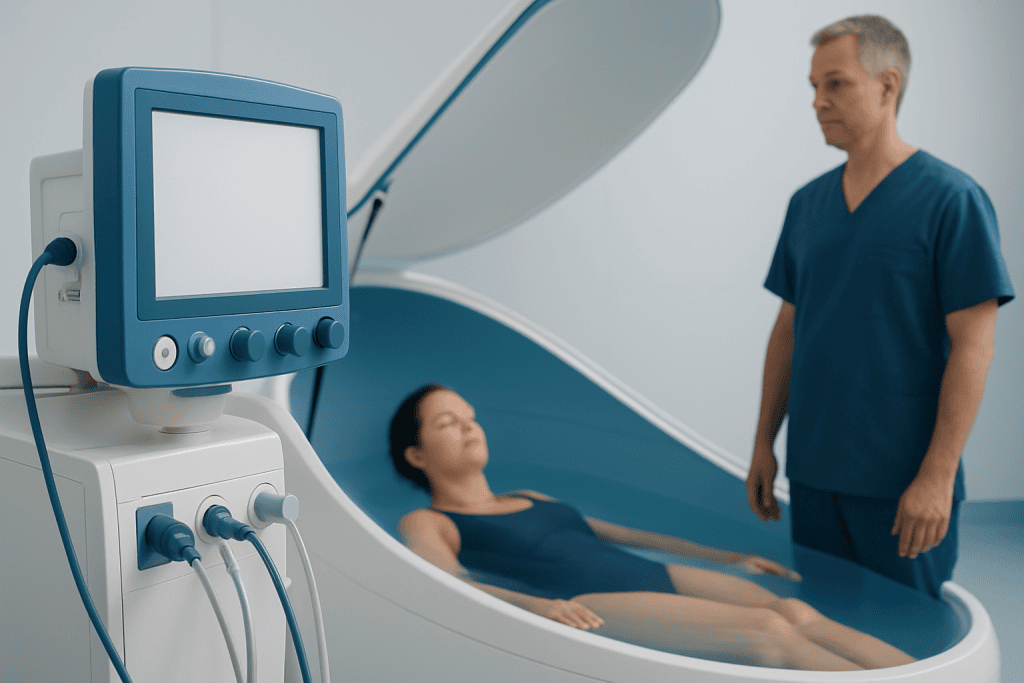
The experience combines several factors that may encourage physical and mental relaxation. Warm water can reduce the feeling of gravity on joints and muscles, while buoyancy decreases pressure on the body. The quiet environment may also reduce sensory input, which some people find calming and restorative.
Because the body does not need to work to stay afloat, many users describe a temporary sense of lightness and reduced muscle guarding. This may be especially noticeable in the neck, back, shoulders, or legs after long periods of tension. Some people also find that intentional breathing or mindfulness is easier in a quiet floating space.
Research on float therapy is still developing. Small studies suggest it may support relaxation and short-term symptom relief in selected people, but evidence is not strong enough to define it as a primary medical treatment. It is best viewed as a complementary wellness approach that may sit alongside clinician-guided care such as physical therapy and rehabilitation or structured treatment for stress-related symptoms.
Possible benefits and the early signs it may be helping

People often notice the effects of float therapy as changes in comfort or mood rather than as dramatic medical improvements. Early signs that a session is helping may include a slower breathing pattern, a calmer mental state, less awareness of muscle tightness, and a feeling of physical ease after the session ends. Some people also feel more rested that evening or find it easier to unwind before sleep.
Benefits are typically modest and individual. Float therapy may be most useful for temporary stress relief, recovery after strenuous activity, or a short break from overstimulation. It may also help some people become more aware of posture, tension patterns, or stress-related body sensations.
It is important to distinguish a wellness benefit from treatment of disease. If pain keeps returning, if sleep problems are severe, or if low mood and anxiety interfere with daily life, the person may need medical evaluation rather than more floating sessions. In those settings, care may involve approaches such as psychiatric assessment and treatment or targeted care for a known condition such as depression.
- Commonly reported short-term effects include relaxation, reduced muscle tension, and a sense of mental quiet.
- Some people feel refreshed and sleep better after a session.
- Others may notice little change, or may simply not enjoy the enclosed environment.
Risks, side effects, and who should be cautious
Float therapy is usually well tolerated when the facility follows appropriate hygiene and safety standards, but it is not right for everyone. Some people feel uncomfortable in enclosed spaces, become anxious in silence, or dislike the sensation of floating. Mild dizziness, irritation of the eyes, or skin sensitivity can also occur, especially if there are small cuts or recent shaving.
Anyone with an open wound, active skin infection, uncontrolled epilepsy, severe balance problems, or a condition that impairs safe movement should seek medical advice before trying float therapy. People with incontinence, contagious illness, or significant confusion may also be advised not to use float tanks. Individuals with severe claustrophobia or panic symptoms may find the experience distressing rather than calming.
Float therapy should not delay proper care for symptoms such as chest pain, fainting, severe headache, weakness, numbness, or thoughts of self-harm. In those situations, medical attention is more important than a wellness session. If symptoms involve chronic pain or reduced mobility, clinicians may suggest evidence-based options such as pain management as part of a broader plan.
Who may benefit most and what increases the chance of a poor experience
People most likely to appreciate float therapy are often those looking for a quiet, structured form of relaxation. It may suit individuals with high daily stress, minor muscle tension, or sensory fatigue from constant noise and stimulation. Those who already practice mindfulness, breathing exercises, or body-awareness techniques may find it easier to settle into the session.
On the other hand, certain factors increase the chance that float therapy will feel uncomfortable or unhelpful. These include fear of enclosed spaces, sensitivity to silence, active skin irritation, poorly controlled medical conditions, or unrealistic expectations that one session will solve chronic symptoms. Dehydration, rushing into the experience, or using float therapy while feeling acutely unwell can also lead to a poor session.
It can help to think of float therapy as one option within a broader self-care plan rather than as a stand-alone answer. A clinician may recommend exercise, sleep hygiene, counseling, medical treatment, or rehabilitation depending on the underlying issue. If someone has unexplained dizziness, headaches, or nerve symptoms, an evaluation in neurology may be more appropriate than repeated wellness sessions.
How concerns are evaluated and what treatment may involve
There is no medical test specifically for deciding whether float therapy is suitable. Instead, doctors evaluate the symptoms a person hopes to address. For example, muscle pain may be related to overuse, posture, arthritis, or nerve irritation, while poor sleep may be linked to stress, breathing problems during sleep, mood disorders, or other health conditions.
A medical assessment may include a symptom history, physical examination, and sometimes blood tests or imaging, depending on the problem. This step matters because wellness treatments can mask symptoms temporarily without addressing the cause. A person who feels short-term relief after floating may still need a diagnosis if symptoms continue.
Treatment depends on the underlying issue. It may involve exercise guidance, medication, counseling, sleep-focused care, rehabilitation, or specialist referral. Float therapy can sometimes be used as a complementary practice if a doctor considers it safe, but it works best when it supports rather than replaces evidence-based care.
Practical self-care tips before and after a float session
People who choose float therapy can improve comfort and safety with a few simple steps. It is sensible to avoid floating with fresh cuts, after shaving, or when feeling acutely ill. Eating a light meal beforehand and staying hydrated may help reduce discomfort, while arriving with enough time can make the session feel less rushed.
After the session, many people benefit from standing up slowly, drinking water, and taking a few minutes before driving or returning to a busy schedule. If the person notices skin irritation, dizziness, or anxiety, it is wise to stop further sessions until the cause is clear. Facilities should explain hygiene procedures, emergency access, and what to do if the user wants to end the session early.
Near the end of the care journey, some international patients may seek both medical evaluation and supportive wellness advice in one place. Acibadem International’s multidisciplinary specialists and JCI-accredited hospitals diagnose and treat related health concerns for international patients when symptoms need professional assessment.
When to seek medical care
Medical care is advisable if symptoms are persistent, worsening, or interfering with normal daily life. This includes recurring pain, severe anxiety, ongoing insomnia, frequent headaches, dizziness, numbness, weakness, or unexplained fatigue. Float therapy should not be used to postpone diagnosis when warning signs are present.
Urgent medical attention is needed for chest pain, shortness of breath, fainting, sudden severe headache, confusion, seizures, or thoughts of self-harm. These symptoms can signal conditions that need immediate care. A doctor can help determine whether float therapy is a reasonable supportive option after the underlying problem has been assessed.
Frequently asked questions
What is float therapy used for?
Float therapy is mainly used for relaxation and short-term relief of stress or muscle tension. Some people also use it as part of a broader self-care routine for recovery, mindfulness, or better sleep.
Is float therapy medically proven?
Evidence suggests float therapy may help some people feel calmer and less tense for a short time. However, it is not considered a standard medical treatment for most diseases, and research is still limited.
Can float therapy help with anxiety?
Some people report feeling less anxious after a session because the environment is quiet and physically relaxing. Still, ongoing or severe anxiety should be assessed by a qualified doctor or mental health professional.
Who should avoid float therapy?
People with open wounds, active skin infections, uncontrolled seizures, severe claustrophobia, or conditions that make floating unsafe should avoid it or speak with a doctor first. Anyone who feels unwell, dizzy, or confused should also be cautious.
Are there side effects of float therapy?
Possible side effects include mild dizziness, eye irritation, skin stinging if there are small cuts, or anxiety in enclosed spaces. Most effects are temporary, but any persistent symptoms should be discussed with a healthcare professional.
Can float therapy replace medical treatment?
No. Float therapy is best viewed as a complementary wellness practice, not a replacement for diagnosis or treatment of pain, mental health conditions, neurological symptoms, or sleep disorders.
References
- World Health Organization
- National Center for Complementary and Integrative Health
- National Institutes of Health
- American Academy of Family Physicians
- Centers for Disease Control and Prevention
This article is for general information only and is not a substitute for professional medical advice. Please consult a qualified doctor about your individual situation.
Explore treatments in Turkey — costs, top hospitals & a free quote
JCI-accredited · board-certified surgeons · reply within 24h

More from the Health Library



Related Specialists

Prof. Dr. Volkan Özben
General Surgery
Dr. Esin Özlem Atmış
Otorhinolaryngology
Dt. Beril Karakaya Gökçimen
Oral & Dental Health
Dr. Turgut Furkan Kuybulu
Aesthetic Plastic and Reconstructive Surgery