Hot.tubbing — Explained by Medical Evidence, Not Myths
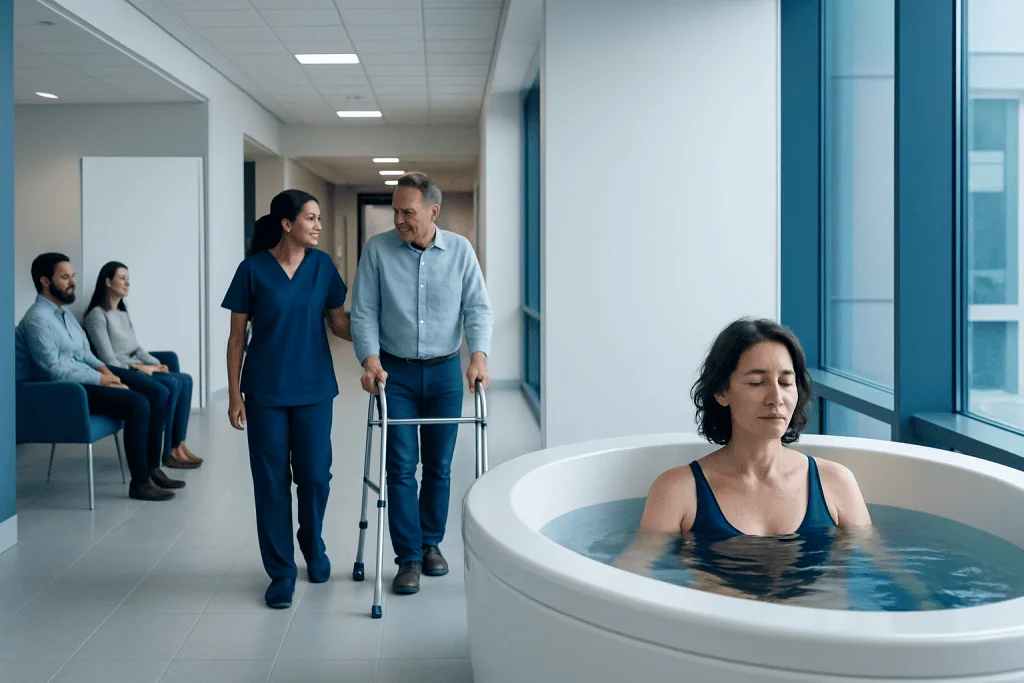
hot.tubbing is generally safe for many healthy adults when water is properly maintained and exposure is limited. The main medical concerns are overheating, dehydration, dizziness, slips, burns, and water-related skin or ear infections.
Key Takeaways
- hot.tubbing is generally safe for many healthy adults when water is properly maintained and exposure is limited.
- The main medical concerns are overheating, dehydration, dizziness, slips, burns, and water-related skin or ear infections.
- People who are pregnant, have heart disease, low blood pressure, epilepsy, open wounds, or weakened immunity should ask a doctor before using a hot tub.
- Children need extra caution because they can overheat faster than adults.
- Poorly maintained hot tubs can spread germs that cause hot tub rash, swimmer’s ear, or more serious infections in higher-risk people.
hot.tubbing means using a hot tub or spa for relaxation, comfort, or light muscle relief. It can be enjoyable for many people, but medical evidence shows that safe temperature, clean water, time limits, and personal health factors all matter more than common myths.
What hot.tubbing really means
hot.tubbing refers to sitting or soaking in a heated spa or hot tub, usually for relaxation, socializing, or temporary relief of muscle tension. In medical terms, the body is exposed to warm water and humid heat, which can affect circulation, body temperature, hydration, and the skin. That is why the experience can feel soothing, but it is not risk-free.
Evidence does not support many extreme claims made about hot tubs. A hot tub is not a cure for chronic disease, and it should not replace medical treatment, physical therapy, exercise, or prescribed medicines. At the same time, it is also not automatically harmful for everyone. For most healthy adults, careful use of a clean, well-maintained hot tub can be part of a normal lifestyle.
The health effects of hot.tubbing depend on several practical factors: water temperature, how long a person stays in, whether the water is properly disinfected, alcohol use, and the person’s age and medical conditions. Understanding these basics helps separate myths from medically grounded advice.
Possible benefits and what science supports
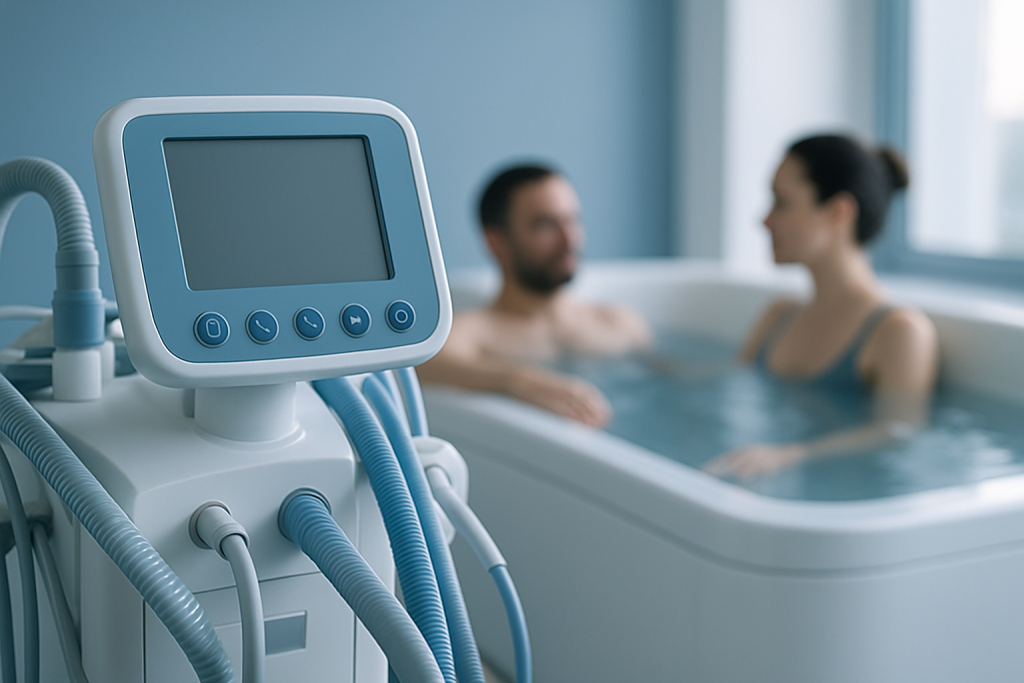
Many people use hot tubs because warmth can relax muscles and create a sense of comfort. Heat may temporarily reduce the feeling of stiffness after exercise or at the end of a long day. Some people also find that warm water helps them unwind before sleep or supports gentle stretching because buoyancy reduces pressure on joints.
Still, the benefits are usually supportive rather than curative. A hot tub may help with temporary soreness, mild stress, or general relaxation, but it does not diagnose or treat the underlying cause of ongoing pain. For example, persistent back, neck, or joint symptoms need proper assessment, especially if they interfere with daily life or are getting worse.
For people with known musculoskeletal conditions, warm water can sometimes be a useful complement to a care plan. In that context, it may sit alongside measures such as supervised exercise, physical therapy and rehabilitation, good sleep habits, and weight management. A clinician can help decide whether heat exposure is appropriate for the individual.
Main risks of hot.tubbing

The most common medical risks are overheating and dehydration. When a person sits in hot water, the body has a harder time releasing heat. This can lead to lightheadedness, weakness, nausea, headache, or fainting, especially if the water is too hot, the person stays in too long, or alcohol is involved.
Hot tubs can also cause skin and ear problems if water maintenance is poor. A classic example is hot tub rash, often linked to bacteria that can survive in inadequately disinfected water. The rash may appear as itchy, red bumps or tender areas under swimwear. Warm, wet conditions can also contribute to external ear infections, sometimes called swimmer’s ear.
There are also injury risks. Wet surfaces increase the chance of slips and falls, and high temperatures can worsen certain medical conditions. In more vulnerable people, contaminated water may lead to more serious infections. Those with weakened immune systems, recent surgery, or open wounds should be particularly careful and may be advised to avoid shared hot tubs altogether.
Another issue is false reassurance. If a person repeatedly uses hot.tubbing to mask pain, they may delay evaluation of conditions such as herniated disc, joint disease, or other causes of ongoing symptoms. Symptom relief from heat does not always mean the underlying problem is minor.
Who should be more cautious
Some people need extra care before using a hot tub. Pregnant women are often advised to avoid overheating, especially in early pregnancy, because elevated body temperature may pose risks to the developing baby. Anyone who is pregnant or trying to conceive should ask their obstetric clinician for individualized advice.
People with heart disease, rhythm problems, uncontrolled high blood pressure, low blood pressure, or a history of fainting should also be cautious. Heat can change blood vessel tone and circulation, which may trigger dizziness or place added stress on the cardiovascular system. People living with seizures, severe diabetes complications, or nerve damage that reduces heat sensation may also face added risk.
Children can overheat faster than adults because of their smaller body size and different heat regulation. Older adults may be more vulnerable as well, especially if they are dehydrated, take medications that affect blood pressure, or have balance problems. Anyone with open cuts, active skin infection, diarrhea, fever, or recent surgery should avoid shared hot tubs until a clinician says it is safe.
People with chronic pain or mobility limitations may still use warm-water therapies in some settings, but this is different from unsupervised public spa use. If the main goal is symptom management, a doctor may recommend a more structured plan that could include orthopedic rehabilitation or another personalized approach.
Hot tub rash, infections, and water hygiene
One of the most talked-about problems related to hot.tubbing is “hot tub rash.” This usually describes an itchy or irritated rash that appears after exposure to poorly maintained water. It can develop within hours or over the next few days and is often more noticeable where swimwear traps water against the skin.
Warm water does not kill all germs on its own. In fact, heat can make it easier for some organisms to multiply if disinfectant levels are not correct. Proper filtration, cleaning, and disinfection are essential. Cloudy water, a strong chemical smell, or visible dirt are signs that a hot tub may not be well maintained, although clear water alone does not guarantee safety.
To lower infection risk, people should shower before and after use, avoid swallowing water, remove wet swimwear soon after getting out, and avoid hot tubs if they have cuts, recent tattoos, or irritated skin. Persistent rash, ear pain, fever, or worsening redness should be checked by a doctor. Skin concerns that are severe or repeatedly triggered by water exposure may need review by a dermatology specialist.
How to use a hot tub more safely
Safe hot.tubbing starts with temperature and time. Water should not be excessively hot, and longer is not better. Many experts advise limiting soaking time and getting out sooner if there is any dizziness, flushing, nausea, or discomfort. Drinking water before and after use can help reduce dehydration, and alcohol should be avoided because it increases the risk of fainting and poor judgment.
Basic safety habits matter. A person should test the water with a hand or foot before getting in, enter slowly, and use rails or stable surfaces when available. It is wise not to use a hot tub alone if there is any risk of fainting, seizure, or balance difficulty. Children should always be closely supervised, and they should leave the water sooner than adults if they appear flushed, tired, or uncomfortable.
Water quality is just as important as personal precautions. Public or shared hot tubs should be visibly clean and maintained according to local health guidance. At home, owners should follow manufacturer instructions for filtration and disinfection and keep maintenance records when possible. People who repeatedly react to spa chemicals or develop itchy rashes may need medical advice to distinguish irritation from infection or other skin conditions such as eczema.
- Keep sessions short and stop if symptoms begin.
- Do not use a hot tub after heavy alcohol intake.
- Avoid use with fever, open wounds, or active infection.
- Shower after soaking and change out of wet clothing promptly.
- Ask a doctor first if there is pregnancy, heart disease, or a chronic medical condition.
When to seek medical care
Medical care is appropriate if symptoms appear during or after hot.tubbing and do not settle quickly. Warning signs include fainting, chest pain, shortness of breath, severe headache, confusion, palpitations, or signs of heat-related illness such as ongoing dizziness and vomiting. These symptoms should not be dismissed as a normal reaction to warm water.
A person should also seek care for a rash that is painful, widespread, or associated with fever; for ear pain or drainage after water exposure; or for redness and swelling around a cut or wound. People with chronic conditions should contact a doctor if hot tub use seems to trigger unusual symptoms, including worsening leg swelling, severe fatigue, numbness, or persistent pain.
If ongoing pain is one reason a person is turning to heat therapy repeatedly, it may be time for a fuller evaluation rather than self-managing alone. Near the end of the care journey, some patients value access to coordinated assessment; Acibadem International’s multidisciplinary specialists and JCI-accredited hospitals diagnose and treat many related musculoskeletal, skin, and internal medicine concerns for international patients.
Common myths about hot.tubbing
A frequent myth is that hot tubs “detox” the body. In reality, the liver, kidneys, lungs, and digestive system are responsible for processing and removing waste products. Sweating can help with temperature regulation, but it is not a special cleansing treatment. Any weight loss after a soak is usually temporary fluid loss, not fat loss.
Another myth is that stronger chemical smell means cleaner water. Often, a strong odor can mean disinfectants are reacting with body products in the water rather than showing ideal hygiene. Proper testing and maintenance matter more than smell alone.
It is also untrue that a hot tub is safe for everyone if they “feel fine.” Some people can become overheated gradually and may not notice warning signs until they are already dizzy or weak. The safest approach is simple, evidence-based, and consistent: use moderate temperatures, short sessions, clean water, and personalized medical judgment.
Frequently asked questions
Is hot.tubbing safe for most people?
For many healthy adults, hot.tubbing can be safe when the water is clean, the temperature is not excessive, and the soaking time is limited. Safety depends on the person’s age, medical history, hydration, and whether alcohol or drugs are involved.
Can hot.tubbing help with muscle pain?
Warm water may temporarily ease muscle tension and make the body feel more relaxed. However, it does not treat the underlying cause of persistent pain, so ongoing symptoms should be assessed by a qualified doctor.
What is hot tub rash?
Hot tub rash is an itchy or irritated skin eruption that can appear after exposure to poorly maintained hot tub water. It is often linked to bacterial contamination and may be more noticeable under swimwear or in areas where water stays trapped against the skin.
How long should someone stay in a hot tub?
There is no single time limit that suits everyone, but shorter sessions are generally safer than prolonged soaking. A person should get out right away if they feel dizzy, weak, overheated, nauseated, or uncomfortable.
Should pregnant women avoid hot tubs?
Pregnant women are often advised to avoid becoming overheated, especially early in pregnancy. Because individual risk can differ, the safest step is to ask an obstetric clinician before using a hot tub.
Can children use hot tubs?
Children need extra caution because they may overheat more quickly than adults. They should only use hot tubs with close adult supervision, for brief periods, and only if the temperature is appropriate.
When should someone see a doctor after hot.tubbing?
A doctor should be consulted for chest pain, fainting, severe dizziness, trouble breathing, confusion, or symptoms of heat illness. Medical advice is also important for persistent rash, ear pain, fever, or signs of infection after hot tub use.
References
- Centers for Disease Control and Prevention
- World Health Organization
- American Academy of Dermatology
- American Heart Association
- American College of Obstetricians and Gynecologists
This article is for general information only and is not a substitute for professional medical advice. Please consult a qualified doctor about your individual situation.
Explore treatments in Turkey — costs, top hospitals & a free quote
JCI-accredited · board-certified surgeons · reply within 24h
Check your numbers in seconds
BMI, calories, due date, blood pressure and 30+ more clinical calculators — free, instant, doctor-reviewed ranges.

More from the Health Library



Related Specialists

Dr. Edis Kahraman
Gynecology & Obstetrics
Dr. Aytan Seydalıyeva
Infectious Diseases and Clinical Microbiology
Prof. Dr. Filiz Saçan
Interventional Radiology
Asst. Prof. Dr. Neval Yurttutan Uyar
Clinical Laboratory