Unipolar Depression: What Patients Need to Know

Unipolar depression involves persistent depressive symptoms without manic highs. Symptoms can affect mood, sleep, appetite, concentration, energy, and physical well-being.
Key Takeaways
- Unipolar depression involves persistent depressive symptoms without manic highs.
- Symptoms can affect mood, sleep, appetite, concentration, energy, and physical well-being.
- Diagnosis is based on a clinical assessment of symptoms, duration, and their effect on daily life.
- Effective treatment often includes psychotherapy, medication, lifestyle support, or a combination.
- Urgent medical help is needed for suicidal thoughts, self-harm risk, or psychotic symptoms.
Unipolar depression is a mood disorder marked by ongoing low mood or loss of interest without episodes of mania or hypomania. It is a real medical condition, not a personal weakness, and many people improve with timely diagnosis, therapy, lifestyle support, and, when appropriate, medication.
Overview: what unipolar depression means
Unipolar depression is a common mental health condition in which a person experiences a sustained depressed mood, loss of interest or pleasure, or both. The word “unipolar” helps distinguish it from bipolar disorder: symptoms move in one direction toward depression, without episodes of mania or hypomania. In clinical practice, unipolar depression is often discussed under the broader term major depressive disorder, although depressive illnesses can range in severity and pattern.
It can influence emotions, thinking, sleep, appetite, energy, work, school performance, and relationships. Some people describe sadness, emptiness, guilt, or hopelessness, while others mainly notice physical tiredness, poor concentration, or loss of motivation. Symptoms can develop gradually or more abruptly and may be triggered by stress, illness, or life changes, though they can also appear without a clear cause.
Unipolar depression is not a character flaw or a lack of willpower. It is a health condition linked to a mix of biological, psychological, and social factors. Because it can affect the whole person, effective care usually looks at emotional symptoms together with sleep, physical health, medication use, stressors, and social support.
Symptoms and how they may appear in daily life
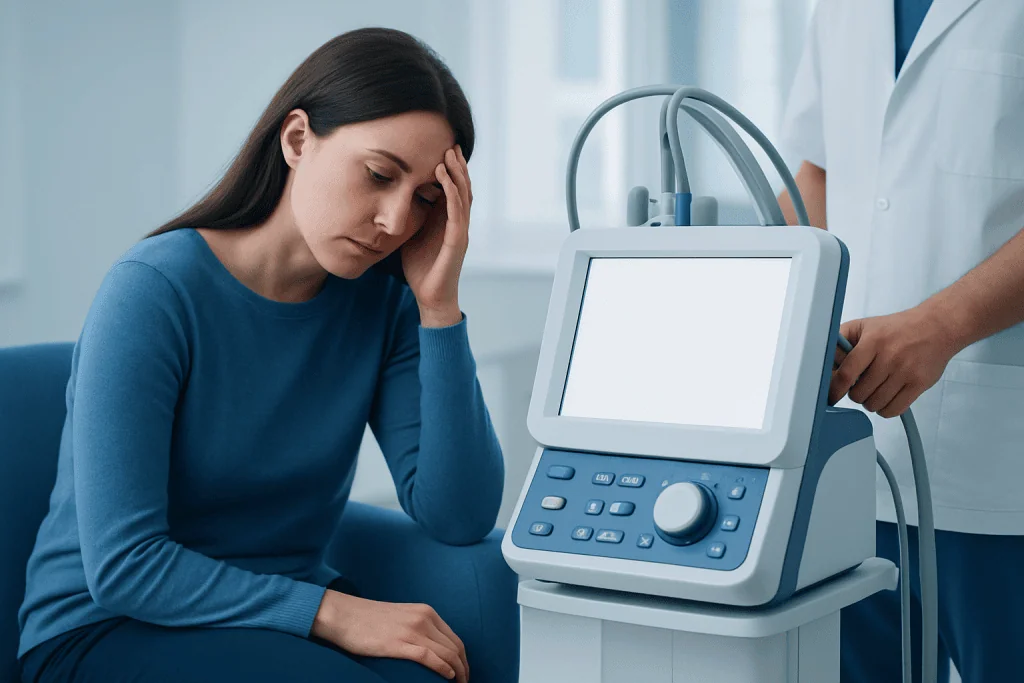
Symptoms vary from person to person, but they usually persist most of the day, nearly every day, for at least two weeks. A person may feel low, tearful, numb, or unusually irritable. Activities that used to feel rewarding may seem flat or exhausting. Everyday tasks such as getting out of bed, preparing meals, answering messages, or staying focused at work can become much harder.
Depression also commonly affects the body. Sleep may become lighter, shorter, or much longer than usual. Appetite may decrease or increase, and some people notice weight change. Low energy, slowed movement, restlessness, headaches, muscle aches, or digestive upset can occur alongside emotional symptoms.
Common symptoms include:
- Persistent sadness, emptiness, or low mood
- Loss of interest or pleasure in usual activities
- Fatigue or low energy
- Sleep problems, including insomnia or oversleeping
- Changes in appetite or weight
- Poor concentration, indecisiveness, or forgetfulness
- Feelings of guilt, worthlessness, or hopelessness
- Slowed thinking or agitation
- Thoughts of death, self-harm, or suicide
Not everyone presents with obvious sadness. In children, teens, and some adults, depression may show up more as irritability, withdrawal, falling grades, reduced self-care, or increased physical complaints. In older adults, cognitive changes, sleep disturbance, or unexplained fatigue can sometimes be more noticeable than low mood itself.
Causes and risk factors

There is no single cause of unipolar depression. It usually develops through the interaction of several factors. Family history can increase vulnerability, suggesting a genetic contribution. Brain chemistry and the way stress systems function may also play a role, although depression cannot be explained by one simple “chemical imbalance.”
Life experiences matter as well. Chronic stress, grief, trauma, relationship difficulties, financial strain, major transitions, loneliness, and lack of social support can all contribute. Medical conditions such as thyroid disorders, chronic pain, neurological illness, hormonal changes, and sleep disorders may either worsen depression or mimic some of its symptoms. Substance and alcohol use can also trigger or intensify depressive episodes.
Some groups may have higher risk, including people with a previous depressive episode, anxiety disorders, a history of trauma, long-term medical illness, or close relatives with mood disorders. Because several conditions can overlap, doctors may also consider related mental health problems such as anxiety disorders or evaluate whether symptoms could fit another mood condition, including bipolar disorder, before confirming the diagnosis.
How doctors diagnose unipolar depression
Diagnosis begins with a careful clinical conversation rather than a single laboratory test or scan. A doctor or mental health professional asks about mood, sleep, appetite, energy, concentration, daily functioning, medical history, medication use, alcohol or drug use, and any recent life changes. The duration of symptoms and how much they interfere with work, study, family life, and self-care are important parts of the assessment.
An essential step is distinguishing unipolar depression from bipolar disorder, grief, adjustment-related distress, substance-related problems, and medical causes of low mood. A person may be asked whether they have ever had periods of unusually elevated mood, decreased need for sleep, impulsive behavior, or racing thoughts. This helps guide safe treatment choices, especially when medication is being considered.
Doctors may perform a physical exam and order tests when needed to look for contributing problems such as anemia, thyroid disease, vitamin deficiencies, or other medical conditions. Screening questionnaires can support diagnosis, but they do not replace a professional evaluation. If symptoms include severe withdrawal, self-harm thoughts, or unusual beliefs or perceptions, an urgent psychiatric assessment may be recommended.
Treatment options and what recovery may involve
Treatment depends on symptom severity, safety concerns, past episodes, other health conditions, and patient preference. For mild to moderate depression, structured psychotherapy is often a core part of care. Approaches such as cognitive behavioral therapy, interpersonal therapy, and behavioral activation can help a person identify unhelpful patterns, improve coping skills, and gradually re-engage with daily life.
Medication may be recommended for moderate to severe symptoms, recurrent depression, or when therapy alone is not enough. Antidepressants can reduce symptoms for many people, but they usually take several weeks to show fuller benefit and should be monitored by a qualified clinician. The choice of medicine depends on age, medical history, side effects, other medications, and whether anxiety, sleep disturbance, or physical symptoms are also present. In some cases, care may include psychiatric evaluation and treatment as part of a broader management plan.
For severe, treatment-resistant, or urgent cases, doctors may discuss other evidence-based options. Depending on the individual situation, this can include more intensive psychotherapy, medication adjustments, or procedures used in specialist settings. Some patients may benefit from a coordinated plan involving psychological support together with medical treatment, and selected cases may be assessed in units experienced in neurological evaluation when symptoms overlap with cognitive or neurological concerns.
Recovery is often gradual rather than immediate. Follow-up matters because treatment may need to be adjusted over time. Many people improve significantly, especially when care starts early and includes practical support for sleep, routines, relationships, and physical health. If depression is recurrent, ongoing monitoring and a relapse-prevention plan can help reduce the chance of future episodes.
Self-care, daily support, and relapse prevention
Self-care does not replace professional treatment, but it can support recovery. Simple routines are often more realistic than major lifestyle overhauls during a depressive episode. Regular wake and sleep times, balanced meals, light physical activity, and short, manageable tasks can help restore structure when motivation is low.
Social connection also matters. Letting a trusted family member or friend know what is happening can reduce isolation and make it easier to attend appointments or follow treatment plans. Some people find it helpful to track mood, sleep, and energy so they can notice patterns and identify early warning signs of relapse.
Helpful strategies may include:
- Keeping a consistent daily routine
- Taking prescribed medication exactly as advised
- Attending therapy sessions regularly
- Limiting alcohol and avoiding recreational drugs
- Making time for gentle exercise and daylight exposure
- Breaking tasks into small, achievable steps
- Seeking support rather than withdrawing completely
It is also important not to stop antidepressant medication suddenly without medical advice, as this can lead to withdrawal-like symptoms or return of depression. A clinician can help decide when and how treatment should be reduced or changed. Near the end of care, many doctors work with patients to create a relapse-prevention plan that identifies personal triggers, early symptoms, and when to ask for help.
When to seek medical care
Medical care should be sought if depressive symptoms last more than two weeks, keep returning, or begin to interfere with work, school, relationships, sleep, or self-care. It is also wise to arrange an assessment if symptoms occur alongside panic, substance use, major weight change, persistent physical complaints, or another ongoing medical condition.
Urgent help is needed if there are thoughts of suicide, self-harm, or harming others, or if the person feels unable to stay safe. Emergency assessment is also important when depression includes psychotic symptoms such as hearing voices, severe confusion, or fixed false beliefs. In these situations, the safest step is to contact emergency services or go to the nearest emergency department immediately.
If symptoms are not urgent but specialist evaluation is needed, multidisciplinary teams can assess emotional, physical, and cognitive aspects together. Acibadem International’s specialists in mental health and related fields, working in JCI-accredited hospitals, diagnose and treat depressive conditions for international patients when advanced or coordinated care is required.
Frequently asked questions
Is unipolar depression the same as major depressive disorder?
The terms are closely related and are often used in overlapping ways. Unipolar depression refers to depressive illness without manic or hypomanic episodes, while major depressive disorder is a formal diagnostic term for a depressive disorder meeting specific clinical criteria.
How is unipolar depression different from bipolar disorder?
In unipolar depression, mood symptoms move toward depression only. In bipolar disorder, depressive episodes can alternate with periods of mania or hypomania, which may include unusually high energy, less need for sleep, impulsivity, or elevated mood.
Can unipolar depression cause physical symptoms?
Yes. Many people have fatigue, sleep changes, appetite changes, headaches, body aches, slowed movement, or digestive symptoms. These symptoms are real and can be part of depression, although doctors may also check for physical illnesses that could contribute.
Does everyone with unipolar depression need medication?
No. Some people improve with psychotherapy, lifestyle support, and close follow-up, especially when symptoms are mild. Medication may be recommended when depression is moderate to severe, long-lasting, recurrent, or significantly affecting safety and daily function.
How long does treatment usually take?
Treatment length varies depending on severity, previous episodes, response to therapy, and other health conditions. Some people feel better within weeks, while others need longer-term treatment and monitoring to reduce the risk of relapse.
Can unipolar depression come back after recovery?
Yes, it can recur, especially in people who have had previous episodes or ongoing stressors. Regular follow-up, a relapse-prevention plan, and early treatment of warning signs can help lower the risk and support longer-term stability.
References
- World Health Organization
- National Institute of Mental Health
- American Psychiatric Association
- National Institute for Health and Care Excellence
- Mayo Clinic
This article is for general information only and is not a substitute for professional medical advice. Please consult a qualified doctor about your individual situation.
Depression in Turkey — costs, top hospitals & a free quote
JCI-accredited · board-certified surgeons · reply within 24h

More from the Health Library



Related Specialists

Prof. Dr. Ferhan Öz
Otorhinolaryngology
Assoc. Prof. Dr. Burcu Bulum Akbulut
Pediatric Nephrology
Asst. Prof. Dr. Zeynep Tuğçe Sarıkaya
Intensive Care
Prof. Dr. Ömer Faruk Taşer
Orthopedic Surgery & Traumatology