Broken Spleen: What Patients Need to Know

A broken spleen is a spleen injury that may cause internal bleeding and can become a medical emergency. Common symptoms include pain in the upper left abdomen, left shoulder pain, dizziness, weakness, and fainting.
Key Takeaways
- A broken spleen is a spleen injury that may cause internal bleeding and can become a medical emergency.
- Common symptoms include pain in the upper left abdomen, left shoulder pain, dizziness, weakness, and fainting.
- Not all spleen injuries need surgery; some are treated with close monitoring, rest, and repeat imaging.
- Anyone with abdominal trauma and signs of shock, worsening pain, or fainting should seek urgent medical care.
A broken spleen usually refers to a spleen injury or ruptured spleen, most often caused by a blow to the abdomen, a fall, or a car accident. It can range from a small tear to severe internal bleeding, so prompt medical assessment is important even when symptoms seem mild at first.
Overview: what a broken spleen means
A broken spleen is a common way patients describe a spleen injury, including a bruise, tear, or complete rupture of the spleen. The spleen sits in the upper left part of the abdomen, under the rib cage. It helps filter blood, remove old blood cells, and support the body’s immune response.
Because the spleen contains a rich blood supply, an injury can sometimes lead to internal bleeding. This is why doctors take possible spleen trauma seriously, especially after a fall, sports injury, or motor vehicle accident. Some injuries are mild and heal with careful observation, while others need urgent procedures or surgery.
One important point for patients is that symptoms do not always appear immediately. A person may feel sore after an accident and only later develop worsening pain, lightheadedness, or weakness. That delayed pattern is one reason medical evaluation is recommended after significant abdominal or lower chest trauma.
Other abdominal conditions can cause similar symptoms, so proper assessment matters. In some cases, doctors also consider problems involving nearby organs or blood vessels, such as abdominal aortic aneurysm, when evaluating severe abdominal pain or internal bleeding symptoms.
Symptoms and warning signs

The most common symptom of a broken spleen is pain in the upper left abdomen. The area may feel tender to touch, and pain can become worse with movement or deep breathing. Some people also notice pain that spreads to the left shoulder, sometimes called referred shoulder pain.
If bleeding is more significant, symptoms may reflect blood loss rather than the spleen itself. These can include dizziness, weakness, pale skin, rapid heartbeat, sweating, confusion, or fainting. Such symptoms can suggest shock, which needs emergency care.
Symptoms vary depending on how severe the injury is. A small injury may cause only mild discomfort, while a larger rupture can cause fast changes in blood pressure and alertness. Children, older adults, and people taking blood thinners may not show the typical pattern right away.
- Upper left abdominal pain or tenderness
- Left shoulder pain
- Abdominal fullness or swelling
- Dizziness or feeling faint
- Weakness, rapid pulse, or clammy skin
- Shortness of breath or worsening pain after trauma
Causes and risk factors
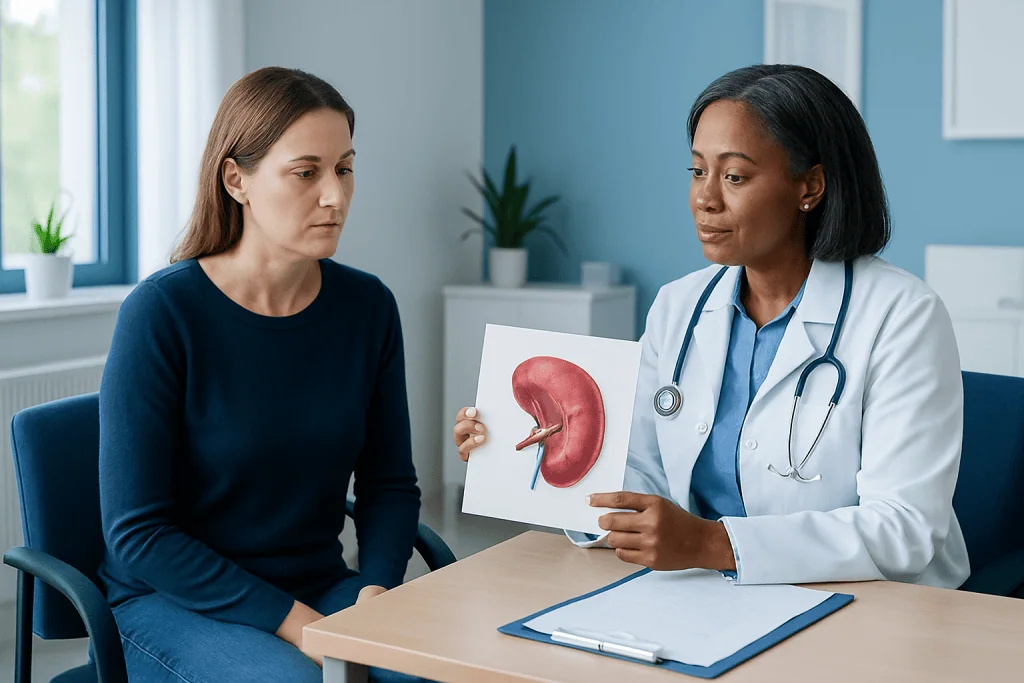
Most broken spleens happen after blunt trauma. Common causes include car accidents, bicycle crashes, contact sports, falls, and direct blows to the abdomen or lower left chest. In some cases, broken ribs can contribute to spleen injury because the spleen lies close to the lower rib cage.
Less often, the spleen can rupture without major trauma if it is already enlarged or weakened. Certain infections, blood disorders, liver disease, or cancers can make the spleen more fragile. Doctors may use the term splenomegaly for an enlarged spleen, and patients can read more about splenomegaly when learning why the spleen may be more vulnerable.
Some medications and health conditions can also affect bleeding risk. Blood thinners, clotting disorders, and low platelet counts may increase the chance that a spleen injury will bleed more heavily. Even a seemingly minor injury can matter more in these settings.
In rare situations, medical procedures or severe infections can be linked to splenic injury. Still, trauma remains the leading cause. Sharing details about the event, medications, and any known blood or liver conditions helps doctors judge the level of risk quickly and accurately.
How doctors diagnose a spleen injury
Diagnosis begins with a medical history and physical examination. Doctors ask how the injury happened, where the pain is, whether symptoms are getting worse, and whether there has been fainting or vomiting. They also check blood pressure, heart rate, breathing, and abdominal tenderness to look for signs of bleeding.
Imaging is often needed to confirm the diagnosis. In an emergency setting, ultrasound may be used first to look for fluid in the abdomen. A CT scan is commonly used in stable patients because it can show the location and severity of a spleen injury and help guide treatment decisions.
Blood tests may also be done to check blood counts, clotting, and overall stability. Sometimes repeat blood tests or repeat imaging are needed because bleeding can evolve over time. This is especially important if symptoms change after the first evaluation.
Doctors often grade spleen injuries from mild to severe based on the imaging findings. That grading helps determine whether observation is likely to be safe or whether a procedure or surgery may be needed. The patient’s vital signs and overall condition are just as important as the scan result when planning care.
Treatment options and recovery
Treatment depends on the severity of the injury and whether the patient is stable. Many people with a mild or moderate broken spleen can be treated without surgery. This approach may include hospital monitoring, bed rest, pain control, repeat examinations, and follow-up imaging while the spleen heals.
When bleeding continues but the patient remains stable, doctors may use a minimally invasive procedure to control it. In selected cases, embolization can block the injured blood vessel and reduce bleeding while preserving as much spleen tissue as possible. This is often done by interventional radiology specialists.
If bleeding is severe or the patient is unstable, emergency surgery may be necessary. Surgery may repair the spleen or remove it, depending on the injury. When removal is required, splenectomy can be lifesaving, but long-term follow-up is important because the spleen plays a role in immune defense.
Recovery time varies. After a nonoperative injury, patients are usually advised to avoid heavy lifting, contact sports, and high-impact activity for a period recommended by their doctor. After surgery, recovery includes wound care, gradual return to movement, and watching for signs of infection or new bleeding. Near the end of the care pathway, some international patients may seek evaluation at Acibadem International, where multidisciplinary specialists in JCI-accredited hospitals diagnose and treat spleen injuries.
Prevention and self-care after diagnosis
Not every spleen injury can be prevented, but safety measures lower risk. Seat belts, child car restraints, protective sports gear, and fall prevention strategies all help reduce serious abdominal trauma. People with enlarged spleens or conditions that affect bleeding should ask their doctor about activity restrictions that fit their situation.
After diagnosis, self-care should follow the medical team’s instructions closely. Rest matters because returning to full activity too soon can increase the risk of renewed bleeding. Patients are usually told which symptoms should prompt immediate reassessment and when they can safely return to work, exercise, or sports.
Good hydration, regular follow-up, and avoiding alcohol or medicines that may affect bleeding unless approved by a doctor may also be advised. Pain should be managed only with recommended medicines, as some over-the-counter drugs are not suitable for every patient, especially after bleeding.
If the spleen is removed, preventive care becomes especially important. Doctors may recommend vaccines and guidance about infection risk, because the body becomes more vulnerable to certain serious infections without a spleen. Patients should keep a clear record of their surgery and share it with future healthcare providers.
When to seek medical care
Anyone who may have a broken spleen should seek prompt medical care after significant trauma to the abdomen, chest, or left side, even if symptoms seem manageable at first. A delayed rupture or delayed bleeding can happen, and early evaluation can identify problems before they become more serious.
Emergency care is especially important if there is fainting, severe or worsening abdominal pain, shoulder pain after trauma, rapid heartbeat, shortness of breath, confusion, or cold clammy skin. These symptoms can suggest internal bleeding and should not be watched at home.
People taking blood thinners, those with known enlarged spleens, and anyone with recent infections or blood disorders should be especially cautious. If symptoms return after discharge, or new dizziness and weakness develop, immediate reevaluation is the safest step.
When in doubt, it is better to be assessed. Doctors can determine whether symptoms are due to a spleen injury or another urgent abdominal problem and arrange the right tests and treatment quickly.
Frequently asked questions
Is a broken spleen the same as a ruptured spleen?
Patients often use the term broken spleen to describe any spleen injury. Doctors may describe the problem more precisely as a bruised, lacerated, or ruptured spleen depending on how much damage is present.
Can a broken spleen heal without surgery?
Yes, many mild to moderate spleen injuries heal without surgery if the patient is stable and bleeding is controlled. Treatment may include hospital observation, repeat exams, blood tests, and temporary activity restrictions.
How serious is a broken spleen?
A broken spleen can range from minor to life-threatening. The main concern is internal bleeding, so the seriousness depends on the amount of bleeding, the grade of the injury, and how stable the patient is.
What does spleen pain feel like?
Spleen pain is usually felt in the upper left abdomen and may be tender or sharp. Some people also feel pain in the left shoulder, especially after trauma, because irritation in the abdomen can cause referred pain.
How long does recovery take after a spleen injury?
Recovery time varies with the severity of the injury and whether surgery was needed. Mild injuries may improve over weeks with rest, while more severe injuries or surgery can require a longer and more closely supervised recovery.
Can someone live normally without a spleen?
Yes, many people live well without a spleen, but they need ongoing attention to infection prevention. Doctors may advise vaccines and prompt treatment for fever or suspected infection because the spleen is part of the immune system.
References
- National Institute of Diabetes and Digestive and Kidney Diseases
- American College of Surgeons
- Merck Manual Consumer Version
- Mayo Clinic
- Cleveland Clinic
This article is for general information only and is not a substitute for professional medical advice. Please consult a qualified doctor about your individual situation.
Explore treatments in Turkey — costs, top hospitals & a free quote
JCI-accredited · board-certified surgeons · reply within 24h
Check your numbers in seconds
BMI, calories, due date, blood pressure and 30+ more clinical calculators — free, instant, doctor-reviewed ranges.

More from the Health Library



Related Specialists

Dt. Ali Osman Maviş
Oral & Dental Health
Dr. Nigar Aliyeva
Pediatric & Adolescent Psychiatry
Prof. Dr. Nazan Bengüdeniz Erda
Ophthalmology
Dr. Savaş Beyaztaş
Cardiology