Chia Seeds and Digestive Health: A Complete Medical Overview

Chia seeds provide soluble and insoluble fiber that can help support regular bowel movements. They should be introduced gradually and taken with enough fluids to reduce the chance of bloating or discomfort.
Key Takeaways
- Chia seeds provide soluble and insoluble fiber that can help support regular bowel movements.
- They should be introduced gradually and taken with enough fluids to reduce the chance of bloating or discomfort.
- People with swallowing problems, bowel narrowing, or certain digestive disorders may need medical advice before using chia regularly.
- Digestive effects vary by portion size, preparation method, overall diet, and individual gut sensitivity.
- Persistent pain, vomiting, trouble swallowing, bleeding, or major bowel habit changes should be medically assessed.
Chia seeds and digestive health are closely connected because chia is rich in fiber and absorbs water, which can support bowel regularity when used appropriately. For some people, however, large portions, inadequate fluids, or underlying digestive conditions can lead to bloating, gas, or constipation-like symptoms.
Overview: How chia seeds affect digestive health
Chia seeds and digestive health are often discussed together because chia seeds contain a large amount of dietary fiber and can absorb many times their weight in water. In practical terms, this means they may help soften stool, support regular bowel movements, and increase feelings of fullness. For many healthy adults, moderate use as part of a balanced diet can be a helpful way to increase daily fiber intake.
At the same time, chia seeds are not a cure-all for digestive problems. Their effects depend on how much is eaten, how they are prepared, how much fluid is taken with them, and whether a person has an underlying gastrointestinal condition. In some people, especially when eaten in large amounts or added too quickly, chia seeds can cause bloating, gas, abdominal discomfort, or make constipation feel worse if fluid intake is low.
A medical overview should also note that digestive health is broader than bowel regularity alone. The gut responds to total dietary pattern, hydration, physical activity, stress, medications, and diseases that affect the stomach or intestines. Chia seeds may be one useful dietary tool, but they work best as part of a wider approach to gut health rather than as a stand-alone treatment.
What in chia seeds supports gut function
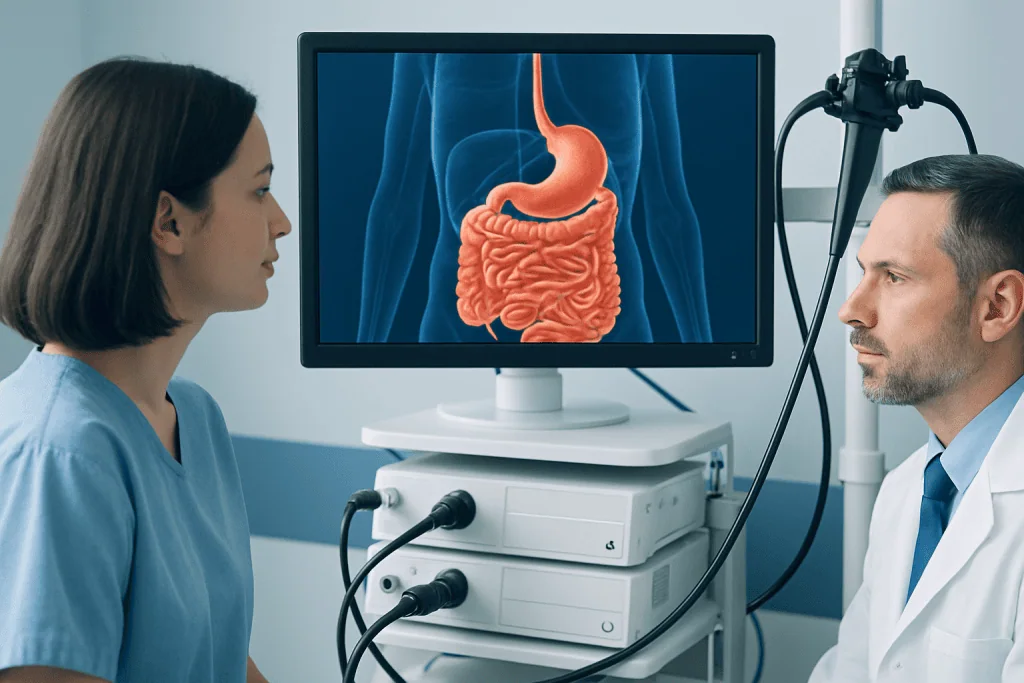
The main reason chia seeds influence digestion is their fiber content. Fiber is the indigestible part of plant foods that helps move material through the digestive tract and supports stool formation. Chia contains both soluble fiber, which forms a gel when mixed with water, and insoluble fiber, which adds bulk to stool. This combination may help some people who want gentler, more regular bowel movements.
When chia seeds absorb liquid, they swell and create a soft gel-like texture. This can slow digestion in the stomach and small intestine, which may contribute to a steadier release of nutrients and greater satiety after meals. In the colon, fiber may also support beneficial gut bacteria by providing fermentable material, although individual responses vary and not all fiber types act the same way.
Chia seeds also contain plant compounds, healthy fats, and minerals, but their digestive role is most strongly related to fiber and water absorption. Because of this, they are best viewed as a functional food for digestive support rather than as a medicine. People who have persistent symptoms should still be evaluated for causes such as irritable bowel syndrome, food intolerance, inflammatory bowel disease, or structural problems in the digestive tract.
Possible benefits for constipation, fullness, and bowel regularity

For people who do not get enough fiber from fruits, vegetables, legumes, and whole grains, chia seeds may help improve bowel regularity. The gel-forming fiber can increase stool moisture when accompanied by enough fluid, while the bulk-forming component may encourage intestinal movement. This is why some people notice easier bowel movements after adding a small daily portion of chia to yogurt, oatmeal, or smoothies.
Chia seeds may also help with fullness after eating. A feeling of satiety can support healthier eating patterns for some individuals, especially when chia is used in place of less nutritious ingredients. However, fullness should not be confused with treatment of a digestive disease, and it should not come at the cost of nausea, pressure, or abdominal pain.
Benefits are more likely when chia is introduced gradually and used consistently in sensible amounts. Good digestive outcomes usually depend on the whole routine: enough water, regular meals, movement, and a generally balanced diet. In people being assessed for chronic constipation or unexplained digestive symptoms, doctors may also consider broader evaluation through services such as gastroenterology care when diet changes alone are not enough.
When chia seeds can cause bloating, gas, or discomfort
Although often described as healthy, chia seeds can cause digestive symptoms in some people. The most common problems are bloating, gas, abdominal cramping, and a sense of heaviness, especially when a large amount is eaten suddenly. This happens because the digestive system and gut bacteria need time to adjust to higher fiber intake.
Another common issue is inadequate fluid intake. Because chia absorbs water, eating it dry or without enough fluids may lead to digestive discomfort and, in some cases, make stool harder to pass. Some people tolerate soaked chia better than dry seeds mixed into food, though this can vary from person to person.
People with sensitive digestive systems may notice that even modest amounts trigger symptoms. This can be particularly relevant in conditions involving altered gut motility or heightened gut sensitivity, such as Crohn’s disease flares or IBS. Chia is not necessarily unsuitable in these situations, but its use should be individualized and discussed with a qualified clinician or dietitian if symptoms are ongoing.
- Eating too much too quickly
- Not drinking enough water
- Using dry seeds in large amounts
- Having an underlying digestive disorder
- Taking other high-fiber foods or supplements at the same time
Who should be cautious with chia seeds
Most healthy adults can include chia seeds in moderation, but some people should be more careful. Anyone with a history of swallowing difficulty, narrowing of the esophagus, or repeated food impaction should avoid eating dry chia and should seek medical advice before using it regularly. Because the seeds expand when wet, they may be harder to swallow safely if there is an existing swallowing problem.
People with known bowel narrowing, prior intestinal obstruction, severe inflammatory bowel disease, or recent abdominal surgery may also need individualized guidance. In these situations, large amounts of fiber can sometimes worsen symptoms or be poorly tolerated. A doctor may recommend a modified diet depending on the clinical picture.
There is also a difference between mild, self-limited digestive discomfort and symptoms that suggest a more significant problem. If someone has severe pain, persistent vomiting, unexplained weight loss, blood in the stool, or major changes in bowel habits, it is important not to assume that chia seeds are the only explanation. Medical evaluation may include consultation in colonoscopy assessment or other diagnostic services when indicated.
How to use chia seeds in a digestion-friendly way
The safest and most practical approach is to start low and go slowly. Rather than adding a large amount at once, people often tolerate a small portion better and can increase gradually if they remain comfortable. Taking chia with adequate fluid matters because fiber works best for bowel regularity when enough water is available in the digestive tract.
Preparation can also influence comfort. Some people prefer soaked chia in water, milk, or yogurt because it is softer and easier to digest. Others do well adding a small amount to oatmeal or blending it into smoothies. There is no single best method for everyone, but gradual introduction and hydration are the two most important principles.
It also helps to remember that digestive health is shaped by patterns, not by one ingredient. Chia is most useful when paired with vegetables, fruits, legumes, whole grains, and regular physical activity. If a person continues to have constipation, bloating, reflux, or pain despite sensible food changes, clinicians may look for conditions such as ulcerative colitis or other gastrointestinal disorders rather than relying on dietary trial and error alone.
- Begin with a small amount rather than a large serving
- Drink enough water through the day
- Consider soaking the seeds before eating
- Increase fiber from all foods gradually
- Stop and seek advice if symptoms consistently worsen
When to seek medical care
Mild bloating or extra gas after increasing fiber is common and often improves as the body adjusts. However, certain symptoms should be assessed by a doctor. Trouble swallowing, chest discomfort after eating chia, severe abdominal pain, repeated vomiting, constipation that does not improve, black or bloody stool, and unexplained weight loss are not typical effects of a simple dietary change and deserve prompt attention.
Medical care is also important if digestive symptoms are frequent, worsening, or interfering with daily life. Ongoing diarrhea, recurrent constipation, nighttime symptoms, fever, anemia, or a family history of bowel disease may point to a condition that needs proper diagnosis. In these cases, the goal is not only symptom relief but also identifying the cause and choosing the right treatment.
Near the end of the care pathway, some people need specialist input rather than general dietary advice. Acibadem International’s multidisciplinary specialists and JCI-accredited hospitals diagnose and treat digestive conditions for international patients, including evaluation through endoscopy when clinically appropriate. The right plan depends on the individual’s symptoms, medical history, and examination findings.
Frequently asked questions
Are chia seeds good for digestion?
They can be helpful for digestion because they provide fiber and absorb water, which may support regular bowel movements. Their benefit depends on portion size, hydration, and the person’s underlying digestive health.
Can chia seeds cause constipation?
Yes, they can contribute to constipation-like symptoms if a person eats too much too quickly or does not drink enough fluids. Fiber usually works best when increased gradually and paired with adequate water intake.
Why do chia seeds make some people feel bloated?
Bloating may happen because chia seeds add a substantial amount of fiber, and gut bacteria ferment some fibers during digestion. A sudden increase in fiber often causes temporary gas or fullness until the digestive system adjusts.
Is it better to eat chia seeds soaked or dry?
Many people find soaked chia easier to tolerate because it is already hydrated and softer in texture. Dry chia is not always harmful, but it should be taken cautiously and with enough fluid, especially in people with swallowing concerns.
Can people with IBS eat chia seeds?
Some people with IBS tolerate small amounts well, while others find that chia increases bloating or cramping. Because IBS symptoms vary widely, it is often best to introduce chia gradually and discuss persistent symptoms with a clinician or dietitian.
How long does it take for chia seeds to affect bowel movements?
Some people notice a change within a few days, while others need longer, especially if their overall diet is low in fiber. The response depends on hydration, activity level, total fiber intake, and the cause of the bowel problem.
References
- National Institute of Diabetes and Digestive and Kidney Diseases
- Academy of Nutrition and Dietetics
- National Institutes of Health
- American Gastroenterological Association
- Mayo Clinic
This article is for general information only and is not a substitute for professional medical advice. Please consult a qualified doctor about your individual situation.
Persistent digestive symptoms? Get evaluated in Turkey
JCI-accredited · board-certified surgeons · reply within 24h