Psycho Eyes: An Evidence-Based Guide for Patients
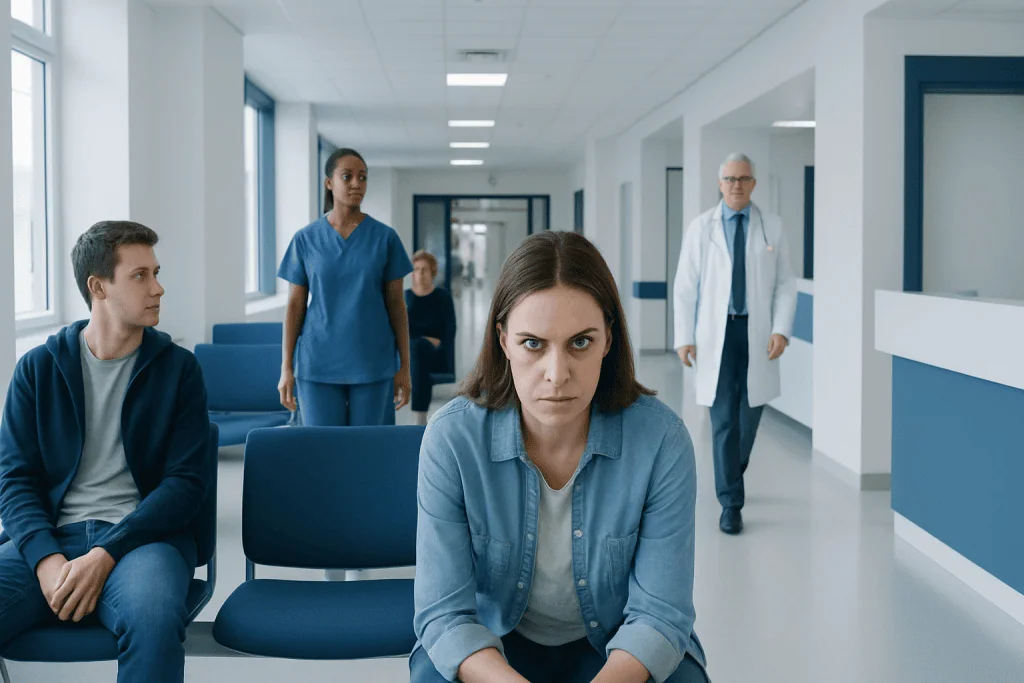
Psycho eyes is a non-medical term for an intense, staring, or unusually wide-eyed appearance. Eye appearance alone cannot diagnose a mental health condition or personality trait.
Key Takeaways
- Psycho eyes is a non-medical term for an intense, staring, or unusually wide-eyed appearance.
- Eye appearance alone cannot diagnose a mental health condition or personality trait.
- Common explanations include stress, sleep loss, lighting, stimulant use, thyroid eye disease, and some neurological or psychiatric conditions.
- Urgent medical care is needed for sudden vision changes, eye pain, one-sided pupil changes, confusion, or new neurological symptoms.
- Assessment may involve an eye exam and, when appropriate, neurological or mental health evaluation.
“Psycho eyes” is not a medical diagnosis. People use the term to describe eyes that look unusually wide, fixed, intense, or unsettling, but this appearance can be linked to normal emotion, lighting, fatigue, certain medical conditions, or mental health symptoms that deserve proper evaluation.
What does “psycho eyes” mean?
“Psycho eyes” is a popular expression, not a medical term. It is usually used to describe eyes that seem unusually intense, wide open, fixed in one direction, overly alert, or emotionally hard to read. Because this description is subjective, two people may look at the same face and interpret the expression very differently.
In everyday life, this look can happen for many non-dangerous reasons. Bright light, camera angles, fear, surprise, anger, lack of sleep, or a naturally prominent eye shape can all make the eyes appear striking. Makeup, cosmetic procedures, dehydration, or dry eyes can also change the way the eyes look in photos and in person.
At the same time, an unusually staring or wide-eyed appearance can sometimes be related to health issues. These may include thyroid-related eye changes, side effects of stimulant substances, certain neurological problems, or episodes of severe anxiety, agitation, mania, or psychosis. This is why eye appearance should be considered in context rather than used as a label.
Most importantly, eye appearance alone cannot tell whether a person is “dangerous,” mentally ill, or unstable. A fair assessment requires symptoms, behavior, medical history, and a proper examination by a qualified clinician.
How the eyes can look intense or unusual
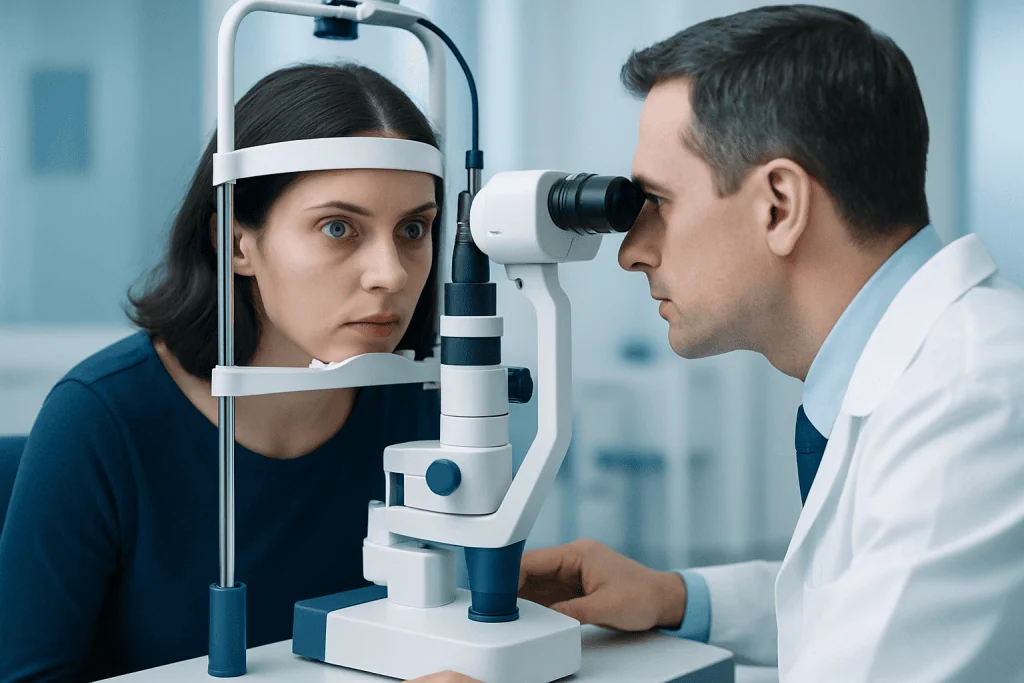
People often use the term when they notice one or more visual features around the eyes. These may include a very steady stare, eyes that appear wider than usual, visible white sclera above or below the colored part of the eye, reduced blinking, enlarged pupils, or a facial expression that seems emotionally mismatched to the situation.
These features do not all point to the same cause. For example, dilated pupils may occur in low light, during fear or excitement, or after using certain medications. Reduced blinking can happen with stress, prolonged screen use, or some neurological conditions. A fixed gaze may reflect concentration, emotional distress, substance effects, or simple social differences rather than illness.
Sometimes the surrounding facial muscles create the effect more than the eyeballs themselves. Raised eyebrows, tense eyelids, a pulled-back upper lid, or facial asymmetry can make the eyes seem more prominent or severe. In photos and videos, shadows and lens distortion may exaggerate these features.
- Wide-eyed or startled appearance
- Staring with reduced blinking
- Eyes that seem “bulging” or more prominent
- Very large or uneven pupils
- A glassy, tired, or highly alert look
- Facial tension around the eyelids and brows
Possible causes: from everyday factors to medical conditions

Many causes are temporary and harmless. Strong emotions such as fear, excitement, anger, or surprise can change eyelid position and pupil size within seconds. Sleep deprivation, stress, caffeine, nicotine, and prolonged screen time may make the eyes look strained, dry, wide, or unusually focused. Some people simply have naturally prominent eyes or a facial structure that creates a more intense gaze.
Medical causes should also be considered when the change is new, persistent, or accompanied by other symptoms. Thyroid eye disease can make the eyes appear more prominent and may cause dryness, irritation, double vision, or trouble closing the eyelids fully. Eye inflammation, injury, severe dry eye, and some infections can also alter eye appearance and comfort. Patients with persistent eye surface symptoms may benefit from a specialist assessment for broader eye diseases.
Neurological and psychiatric factors are another part of the picture. Reduced blinking or a fixed stare can occur in some movement disorders or seizure-related states, while agitation, mania, severe anxiety, intoxication, or psychosis can make the gaze seem unusually intense or disconnected. These situations are not diagnosed by appearance alone, but the eye findings may be part of a larger clinical picture.
Substances and medications matter as well. Stimulants, some decongestants, certain psychiatric medicines, alcohol, and recreational drugs can affect pupil size, alertness, facial expression, and eye movements. If a person’s eye appearance changes after starting a new medication, it is sensible to discuss this with the prescribing clinician rather than stopping treatment without advice.
Can eye appearance signal a mental health problem?
Sometimes it can contribute a clue, but it cannot confirm a diagnosis on its own. During severe anxiety, panic, mania, intoxication, or psychosis, a person may blink less, stare intensely, or seem hyper-alert. However, similar eye findings may also occur with stress, lack of sleep, personality style, autism spectrum traits, migraine, thyroid disease, or no illness at all.
It is also important to avoid stigmatizing language. Terms such as “psycho eyes” can unfairly label people who are frightened, exhausted, neurodivergent, medically unwell, or simply expressing emotion differently. In clinical care, doctors focus on specific symptoms such as confusion, racing thoughts, hallucinations, delusions, agitation, or changes in sleep and behavior rather than appearance-based judgments.
When mental health symptoms are present, evaluation is based on the whole person. A clinician may ask about mood, sleep, stress, substance use, medication changes, recent trauma, and safety concerns. If the eye appearance accompanies major behavioral changes, urgent assessment may be needed to protect the person’s wellbeing and the wellbeing of others.
How doctors evaluate new or concerning eye changes
Evaluation starts with the history. Doctors usually ask when the change began, whether it is constant or intermittent, and whether there are associated symptoms such as pain, redness, dryness, double vision, headaches, tremor, anxiety, hallucinations, fever, confusion, or substance use. They may also ask for old photographs, which can help show whether the eye shape is naturally longstanding or truly new.
The physical examination may include checking visual acuity, pupil size and reactivity, eyelid position, blinking, eye movements, facial symmetry, and the eye surface. If thyroid-related changes are suspected, a clinician may look for lid retraction, swelling, and eye prominence. An ophthalmology review may include a slit-lamp exam and pressure measurement as part of a fuller eye examination.
Depending on the findings, additional tests may be needed. These can include blood tests for thyroid function, imaging of the eye sockets or brain, and neurological or psychiatric assessment. Patients with movement-related eye findings, facial asymmetry, or unexplained staring episodes may be referred to appropriate specialists to rule out underlying disease.
Because several conditions can overlap, coordinated care is sometimes the best approach. Ophthalmologists, neurologists, endocrinologists, and mental health professionals may all be involved when the cause is unclear or symptoms affect daily life.
Treatment depends on the cause
There is no single treatment for “psycho eyes” because the term describes an appearance rather than a diagnosis. Management focuses on the underlying issue. If the cause is fatigue, stress, dehydration, or screen overuse, rest, hydration, better sleep habits, and eye-surface care may improve the look of the eyes. If dryness or irritation is present, an ophthalmologist can advise on appropriate treatment.
When eye prominence, irritation, or double vision is related to thyroid problems, treatment usually involves both endocrine and eye care. Patients with suspected thyroid-related eye changes may need assessment for Graves’ disease as well as targeted ophthalmic follow-up. In selected cases, imaging or other specialist treatments are used based on severity.
If symptoms point to a mental health or substance-related cause, treatment may include crisis support, medication review, counseling, and psychiatric care. Neurological causes are treated according to the specific diagnosis. Sudden or severe eye changes may require hospital-based assessment, especially if there is visual loss, weakness, confusion, or severe headache.
For structural eye concerns, treatment can range from lubricating drops and inflammation control to specialist procedures. When needed, doctors may use advanced neuro-ophthalmology evaluation or imaging to clarify whether the problem arises from the eyes, nerves, muscles, brain, or hormone system.
Self-care, prevention, and when to seek medical care
Helpful self-care begins with the basics. Regular sleep, stress management, hydration, and limiting excess caffeine or stimulant use can reduce a strained or overly alert eye appearance. Screen breaks, good lighting, and not rubbing the eyes may also ease dryness and redness. If new eye changes appear after a medicine is started, the person should speak with a doctor or pharmacist.
Persistent symptoms deserve professional review even if they seem mild. A recurring staring look, dry or gritty eyes, eyelid retraction, eye bulging, double vision, or frequent headaches should not be ignored. For people with known thyroid disease or mental health conditions, a change in the eyes can be a reason to arrange a follow-up visit.
Medical care should be sought promptly if the person has sudden vision loss, severe eye pain, new double vision, one pupil larger than the other, drooping of one eyelid, confusion, fainting, severe agitation, hallucinations, weakness, or a severe headache. These symptoms can signal an urgent eye, neurological, or psychiatric problem and should be assessed without delay.
For international patients who need coordinated care, Acibadem International’s multidisciplinary specialists and JCI-accredited hospitals evaluate eye, neurological, endocrine, and mental health causes of concerning symptoms. In appropriate cases, specialists may combine consultation with tests such as MRI to help identify the cause of persistent or sudden eye changes.
Frequently asked questions
Is “psycho eyes” a real medical diagnosis?
No. It is an informal phrase people use to describe an intense, staring, or unusual eye appearance. Doctors do not diagnose a person based on this term and instead look for specific eye, neurological, hormonal, or mental health symptoms.
Can anxiety make someone look wide-eyed or intense?
Yes. Anxiety, panic, fear, and stress can increase alertness, change blinking, raise the eyelids, and make the pupils look larger in some situations. These changes are not unique to anxiety, so they should be interpreted together with other symptoms.
Do bulging or staring eyes mean thyroid disease?
Not always, but thyroid eye disease is one important possible cause, especially when the change is new and persistent. Dryness, irritation, pressure around the eyes, and double vision make thyroid-related causes more likely and should be assessed by a doctor.
Can a photo make normal eyes look “psycho”?
Yes. Camera angle, flash, shadows, a frozen facial expression, and wide-angle lenses can exaggerate eye size, pupil appearance, and eyelid position. This is one reason appearance in a single photo should not be used to judge health.
When should someone be worried about sudden eye changes?
Sudden vision loss, severe pain, new double vision, unequal pupils, confusion, weakness, drooping on one side of the face, or a severe headache need urgent medical attention. These symptoms can point to serious eye, neurological, or systemic problems.
Can lack of sleep cause intense-looking eyes?
Yes. Sleep deprivation can make the eyes look dry, red, strained, or unusually open, and it can change facial expression and blinking. Restoring sleep and hydration often helps, but ongoing symptoms should still be checked.
References
- American Academy of Ophthalmology
- National Eye Institute
- National Institute of Mental Health
- American Thyroid Association
- MedlinePlus
This article is for general information only and is not a substitute for professional medical advice. Please consult a qualified doctor about your individual situation.
Explore treatments in Turkey — costs, top hospitals & a free quote
JCI-accredited · board-certified surgeons · reply within 24h