Tightening Anus: An Evidence-Based Guide for Patients

A sensation of a tightening anus is a symptom, not a diagnosis. Common causes include constipation, anal fissure, hemorrhoids, muscle spasm, and pelvic floor dysfunction.
Key Takeaways
- A sensation of a tightening anus is a symptom, not a diagnosis.
- Common causes include constipation, anal fissure, hemorrhoids, muscle spasm, and pelvic floor dysfunction.
- Associated pain, bleeding, swelling, fever, or trouble passing stool should be medically assessed.
- Treatment may include bowel habit changes, pain relief, pelvic floor therapy, or treatment of the underlying anorectal condition.
- Persistent or worsening symptoms deserve evaluation by a qualified doctor.
Tightening anus usually refers to a feeling of anal tightness, spasm, or difficulty relaxing the muscles around the anus. In many cases it is linked to constipation, an anal fissure, hemorrhoids, inflammation, or pelvic floor muscle dysfunction, and the best treatment depends on the cause.
Overview: what “tightening anus” usually means
Tightening anus is a common way patients describe a feeling of pressure, spasm, narrowing, or difficulty relaxing around the anal opening. It may happen briefly during a bowel movement, after passing hard stool, or as a recurring symptom throughout the day. Although the phrase is not a formal medical diagnosis, it often points to increased tension in the anal sphincter muscles or irritation in the surrounding tissues.
The anus is controlled by internal and external sphincter muscles. These muscles normally tighten to maintain continence and relax to allow stool to pass. If they become overactive, painful, inflamed, or uncoordinated, a person may notice tightness, pain, straining, incomplete emptying, or a sense that stool is hard to pass.
In many people, the cause is benign and treatable. Constipation, hard stools, an anal fissure, hemorrhoids, and pelvic floor dysfunction are among the most frequent explanations. Less commonly, inflammation, infection, scarring, or a structural narrowing called stenosis may be involved.
Because different conditions can feel similar, the key is not simply to “loosen” the area but to identify why the tightness is happening. A careful medical assessment can usually distinguish muscle spasm from other anorectal problems and guide the most appropriate treatment.
Symptoms that can occur with anal tightness
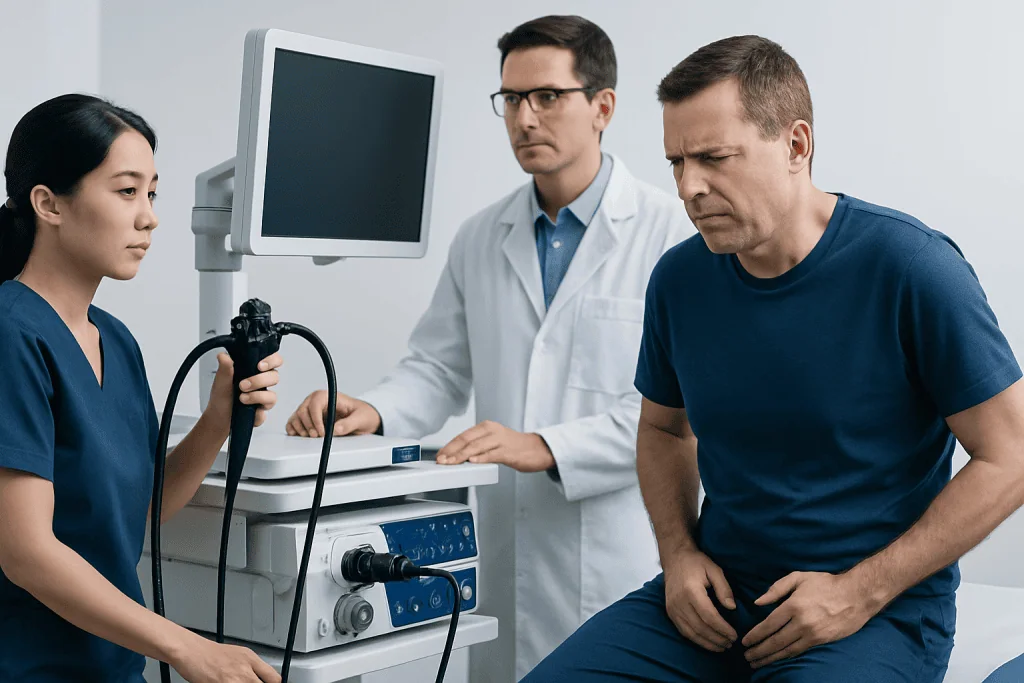
People experience anal tightness in different ways. Some describe a squeezing or clamping sensation. Others feel sharp pain during bowel movements, pressure after using the toilet, or the impression that the anus does not fully relax. Symptoms may be constant, intermittent, or triggered by constipation, prolonged sitting, stress, or straining.
Other symptoms often provide clues to the underlying cause. For example, an anal fissure commonly causes pain with bowel movements and a small amount of bright red blood on the toilet paper. Hemorrhoids may cause itching, swelling, discomfort, or a lump. Pelvic floor dysfunction may lead to straining, incomplete evacuation, or the need to spend a long time on the toilet.
Some patients also report:
- Burning or stinging around the anus
- Difficulty passing stool despite the urge to go
- Rectal pressure or fullness
- Pain after bowel movements
- Constipation or hard stools
- Mucus, irritation, or itching
Less common but more concerning symptoms include fever, pus-like discharge, severe swelling, ongoing bleeding, unexplained weight loss, or a new change in bowel habits that does not improve. These symptoms should not be ignored and may require prompt medical review.
Common causes and risk factors

The most frequent cause of a tightening anus is muscle spasm or pain triggered by local irritation. Hard stool and constipation can stretch and injure the anal lining, leading to a cycle of pain, protective tightening, and more difficult bowel movements. This cycle is especially common with an anal fissure, where a small tear in the lining causes intense discomfort and reflex sphincter spasm.
Another common cause is hemorrhoids, which can produce pressure, swelling, and pain, especially if they become inflamed or thrombosed. Inflammation from diarrhea, repeated wiping, skin irritation, or infections around the anus can also increase sensitivity and muscle tightening. In some people, prior surgery, childbirth trauma, radiation, or chronic inflammation may lead to scarring or narrowing.
Pelvic floor dysfunction is another important possibility. In this condition, the muscles of the pelvic floor and anus do not relax properly during defecation. People may feel blocked, strain heavily, or sense that stool cannot come out even when the rectum is full. Stress and anxiety do not directly cause structural disease, but they can contribute to muscle tension and make symptoms feel worse.
Risk factors include low fiber intake, poor hydration, prolonged straining, sedentary habits, chronic constipation, repeated episodes of diarrhea, pregnancy, prior anorectal procedures, inflammatory bowel disease, and advancing age. A history of pain with bowel movements is particularly relevant because pain itself can trigger further sphincter tightening.
How doctors diagnose the cause
Diagnosis begins with a focused history. A doctor will usually ask when the tightness started, whether pain occurs during or after bowel movements, whether there is bleeding or discharge, and how often constipation or diarrhea happens. The pattern matters: sudden pain after passing hard stool suggests a fissure, while long-standing obstructed defecation may suggest pelvic floor dysfunction or chronic constipation.
A physical examination often includes inspection of the anal area and, when appropriate, a gentle digital rectal examination. This helps assess tenderness, muscle tone, hemorrhoids, fissures, skin changes, swelling, or masses. In very painful cases, the exam may be limited at first, especially if an acute fissure is strongly suspected.
If symptoms are recurrent, unexplained, or severe, further testing may be recommended. Depending on the situation, this can include anoscopy, sigmoidoscopy, colonoscopy, or specialized tests for pelvic floor function. Imaging or laboratory tests may be used if infection, inflammatory bowel disease, abscess, or another deeper problem is suspected.
The goal of evaluation is not only to rule out serious disease but also to identify the mechanism of symptoms. A person with muscle overactivity may benefit from different care than someone with hemorrhoids, a fissure, or scar-related narrowing. This is why self-diagnosis can be misleading when symptoms persist.
Treatment options depend on the cause
There is no single treatment for tightening anus because management depends on the underlying problem. When constipation and hard stools are driving symptoms, doctors often recommend increasing fiber gradually, improving fluid intake, avoiding prolonged straining, and using stool-softening strategies when appropriate. Warm sitz baths may help reduce pain and reflex muscle spasm.
For fissures, hemorrhoids, or significant anorectal pain, treatment may include topical therapies, bowel regulation, and measures to reduce sphincter overactivity. If hemorrhoids are a major factor, a specialist may discuss office-based or procedural options, including hemorrhoid treatment when conservative measures do not provide enough relief. If a fissure remains chronic or severe, management may include targeted medical therapy and, in selected cases, anal fissure surgery.
When pelvic floor dysfunction is present, pelvic floor physical therapy and biofeedback can be especially helpful. These approaches focus on teaching the muscles to coordinate and relax during bowel movements rather than tightening defensively. For some patients, this is more effective than repeatedly trying laxatives alone.
If scarring or true narrowing is suspected, specialist evaluation is important. Treatment may range from medical management of inflammation to procedural care for stenosis or other structural conditions. In patients with persistent symptoms, a colorectal or gastroenterology specialist can determine whether evaluation such as colonoscopy is useful to exclude other causes. Near the end of the care pathway, multidisciplinary teams such as those at Acibadem International may evaluate and treat anorectal and pelvic floor conditions in international patients at JCI-accredited hospitals.
Self-care and prevention strategies
Many episodes of anal tightness improve when bowel habits become softer and more regular. Preventive care is usually aimed at reducing strain and protecting the anal lining. A balanced diet with adequate fiber, regular fluid intake, and consistent physical activity can support easier bowel movements and reduce repeated irritation.
Good toilet habits also matter. It helps to respond to the urge to pass stool without delaying too long, avoid sitting on the toilet for extended periods, and avoid forceful straining. Some people find that using a small footstool during bowel movements improves the anorectal angle and makes passage easier.
Comfort measures may reduce symptoms while the underlying issue is being addressed:
- Warm baths or sitz baths for short periods
- Gentle cleansing rather than aggressive wiping
- Unscented, non-irritating skin products
- Avoiding constipation triggers when possible
- Following a doctor’s advice on stool regulation
Self-care has limits. Persistent pain, recurring bleeding, or ongoing difficulty passing stool should not be treated only at home. If symptoms return often, a medical review can help prevent chronic muscle spasm and identify conditions that need specific treatment.
When to seek medical care
Medical care is appropriate if anal tightness lasts more than a short period, keeps coming back, or interferes with bowel movements or daily comfort. A doctor should also assess symptoms that begin after a new anorectal injury, surgery, or childbirth, or that are associated with chronic constipation or pelvic floor symptoms.
Prompt medical attention is especially important when the tightening is accompanied by severe pain, fever, significant swelling, pus-like discharge, inability to pass stool or gas, heavy rectal bleeding, or a rapidly worsening lump. These features may suggest infection, abscess, thrombosed hemorrhoids, or another condition that needs timely treatment.
Even when symptoms are not urgent, it is sensible to seek care if there is repeated bright red bleeding, unexplained changes in bowel habits, unexplained weight loss, or concern about a mass. These symptoms do not automatically mean something serious, but they deserve proper evaluation rather than guesswork.
People sometimes feel embarrassed discussing anorectal symptoms, yet these concerns are very common in medical practice. Early assessment can relieve discomfort, reduce anxiety, and help the person receive effective treatment based on the actual cause rather than trial and error.
Frequently asked questions
Is tightening anus normal?
A brief feeling of anal tightening can happen because the sphincter muscles normally contract and relax. However, recurring tightness, pain, or trouble passing stool is not something to ignore, because it may signal constipation, a fissure, hemorrhoids, or pelvic floor dysfunction.
Can constipation cause anal tightness?
Yes. Constipation and hard stools are among the most common reasons people feel anal tightness. They can irritate the anal canal, trigger pain, and cause the sphincter muscles to tighten reflexively, which can make bowel movements even harder.
Does anal tightness mean hemorrhoids?
Not always. Hemorrhoids can cause pressure, swelling, itching, and discomfort, but anal tightness can also come from fissures, muscle spasm, pelvic floor dysfunction, inflammation, or scarring. The associated symptoms and examination findings help determine the cause.
How is anal sphincter spasm treated?
Treatment depends on why the spasm is happening. Doctors often focus on relieving pain, softening stools, improving bowel habits, and treating any fissure, hemorrhoids, or inflammation. If muscle coordination is the main issue, pelvic floor therapy and biofeedback may be recommended.
When should someone worry about a tightening anus?
Medical review is important if symptoms persist, keep recurring, or are linked to bleeding, severe pain, fever, swelling, discharge, or inability to pass stool. These symptoms do not always indicate a serious condition, but they do warrant proper assessment.
Can stress make anal tightness worse?
Stress may increase muscle tension and make pelvic floor symptoms feel more noticeable. It is usually not the only cause, but it can contribute to a cycle of tightening, discomfort, and difficulty relaxing during bowel movements.
References
- National Institute of Diabetes and Digestive and Kidney Diseases
- American Society of Colon and Rectal Surgeons
- Mayo Clinic
- National Health Service
- Cleveland Clinic
This article is for general information only and is not a substitute for professional medical advice. Please consult a qualified doctor about your individual situation.
Persistent digestive symptoms? Get evaluated in Turkey
JCI-accredited · board-certified surgeons · reply within 24h