Fifth Disease Treatments: Early Signs, Risk Factors, and How It Is Treated

Fifth disease is a common viral illness caused by parvovirus B19. Most fifth disease treatments focus on rest, fluids, and relief of fever, discomfort, or itching.
Key Takeaways
- Fifth disease is a common viral illness caused by parvovirus B19.
- Most fifth disease treatments focus on rest, fluids, and relief of fever, discomfort, or itching.
- The bright red facial rash often appears after the most contagious stage has passed.
- Pregnant people, people with blood disorders, and those with weak immune systems may need prompt medical advice.
- Diagnosis is often based on symptoms, but blood tests may be used in selected cases.
- Medical care is important if symptoms are severe, prolonged, or linked to complications such as anemia or joint pain.
Fifth disease treatments are usually aimed at easing symptoms rather than curing the virus itself. In most children and healthy adults, the illness caused by parvovirus B19 is mild and resolves on its own, while some people need closer medical follow-up because of pregnancy, anemia, or a weakened immune system.
Overview: what fifth disease treatments usually involve
Fifth disease is a viral infection caused by parvovirus B19. It is best known for a bright red facial rash that can look like a “slapped cheek,” especially in children. When people search for fifth disease treatments, the most important point is that treatment is usually supportive: the virus often clears on its own, so care focuses on comfort and monitoring rather than antibiotics or a specific antiviral medicine.
Many children have only mild symptoms, and some have no noticeable symptoms before the rash appears. Adults can also get fifth disease, and they may be more likely to develop joint pain or stiffness. In certain groups, including pregnant people, those with weak immune systems, and people with some blood disorders, the infection may need more careful medical assessment.
Because fifth disease is a viral illness, antibiotics do not help unless there is a separate bacterial infection. Supportive care may include rest, fluids, and over-the-counter medicines recommended by a doctor to reduce fever or discomfort. If symptoms raise concern for complications, doctors may perform blood tests and provide more targeted care.
Symptoms and early signs
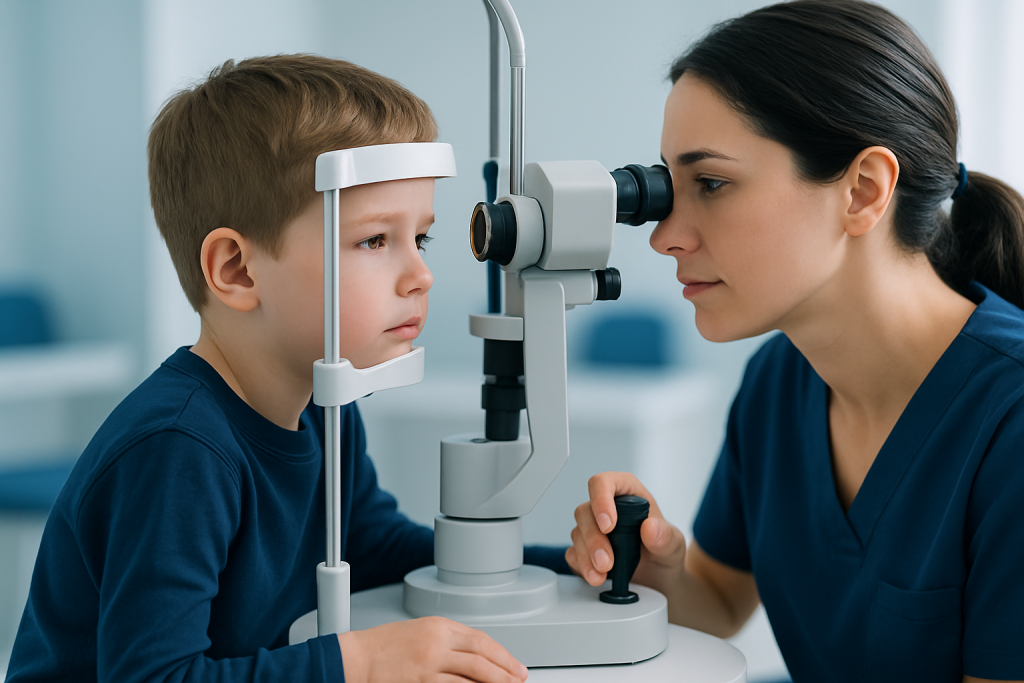
Early signs of fifth disease can resemble a mild cold or flu-like illness. A person may have a low-grade fever, tiredness, headache, runny nose, sore throat, or general body discomfort. In many children, these early symptoms are so mild that the illness is not recognized until the rash appears.
The classic rash often starts with bright red cheeks, followed by a lacy or net-like rash on the arms, trunk, or legs. The rash may fade and return over days or weeks, especially after heat, sunlight, exercise, or stress. Although the rash can look dramatic, the child often feels fairly well by the time it appears.
Adults may be less likely to develop the typical rash and more likely to notice joint symptoms. Pain, swelling, or stiffness can affect the hands, wrists, knees, or ankles. In most cases, these symptoms improve over time, but some adults may need medical advice if joint pain is persistent or affects daily activities.
- Common early signs: mild fever, tiredness, headache, runny nose
- Typical later sign: bright red cheeks with a lacy body rash
- Possible adult symptoms: joint pain, stiffness, or swelling
- Less common concerns: unusual tiredness, paleness, shortness of breath, or worsening weakness
Causes, spread, and risk factors
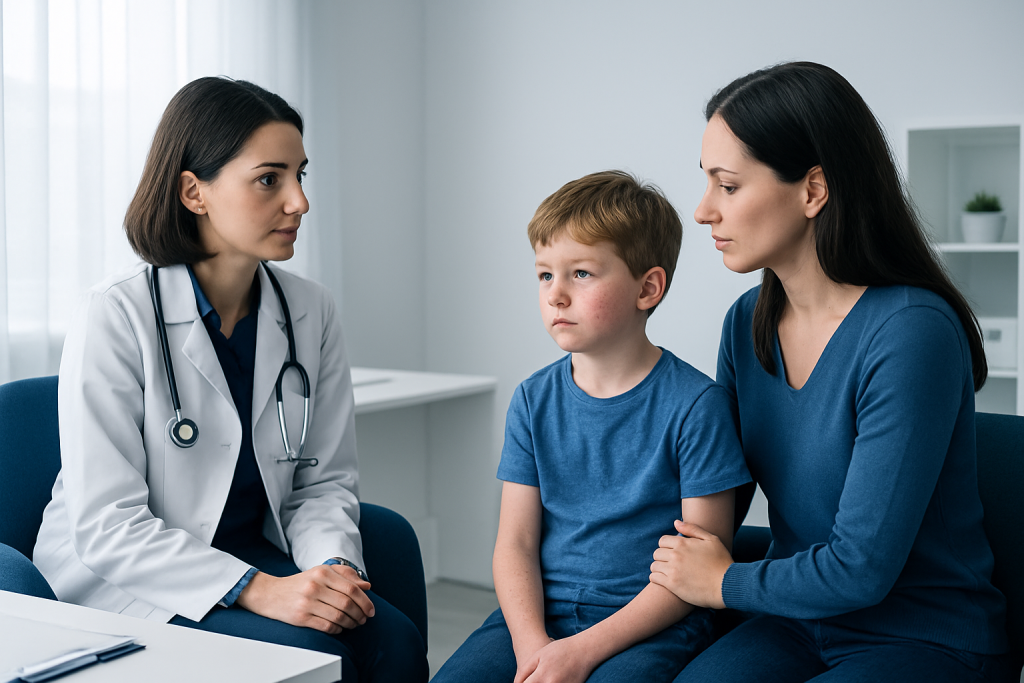
Fifth disease is caused by parvovirus B19, which spreads mainly through respiratory droplets from coughing and sneezing. It can also spread through close contact and, less commonly, through blood exposure. A pregnant person who becomes infected can pass the virus to the fetus, which is why pregnancy deserves special attention.
People are usually most contagious before the rash develops, during the early flu-like phase. Once the rash appears, they are often no longer contagious, which can be reassuring for families. However, people with weakened immune systems may shed the virus differently, so advice should be individualized.
Risk factors for complications include pregnancy, immune suppression, and blood disorders that affect red blood cell production or survival. For example, people with chronic hemolytic anemia may be at risk of a sudden drop in red blood cells. In that setting, symptoms can overlap with other conditions linked to low hemoglobin, such as anemia.
School-age children are commonly affected because the virus can circulate in classrooms and childcare settings. Adults who work closely with children, such as teachers or caregivers, may be exposed more often. Even so, most infections remain mild and resolve without long-term problems.
How fifth disease is diagnosed
Doctors often diagnose fifth disease based on the pattern of symptoms, age, and the appearance of the rash. The combination of mild early illness followed by red cheeks and a lacy rash is often enough to make the diagnosis in a child who otherwise seems well. During a medical visit, the doctor may also ask about pregnancy, chronic illnesses, or recent exposure to sick contacts.
Blood tests are not always needed. They may be used if the diagnosis is uncertain, if the patient is pregnant, or if there are signs of complications such as anemia or prolonged infection. In these situations, tests can help identify recent parvovirus B19 infection or assess whether the virus is affecting blood cell production.
If symptoms include unusual fatigue, pallor, dizziness, or shortness of breath, a doctor may check a complete blood count to look for low red blood cells. Some patients may need a broader evaluation to rule out other causes of rash, fever, or joint pain. If there is concern about severe infection or another diagnosis, a clinician may recommend additional assessment, including diagnostic testing and imaging when appropriate.
Fifth disease treatments and supportive care
For most children and healthy adults, fifth disease treatments are simple supportive measures. These may include rest, drinking enough fluids, and using doctor-recommended medicines to ease fever, headache, or joint discomfort. If the rash itches, gentle skin care and practical measures such as cool baths, loose clothing, and avoiding overheating may help.
Because fifth disease is caused by a virus, antibiotics are not useful unless there is a separate bacterial problem. There is also no routine specific antiviral treatment for uncomplicated fifth disease. The main goal is to help the person feel better while the immune system clears the infection.
Some people need more than home care. Patients with severe anemia may need urgent medical treatment and monitoring. Those with weakened immunity can develop persistent infection and may need specialist evaluation and hospital-based care. In selected situations, care may involve pediatric assessment for children or hematology care if blood-related complications are suspected.
Adults with prominent joint symptoms may benefit from a tailored plan to reduce pain and maintain function. A doctor can advise on safe symptom relief, how long symptoms are expected to last, and whether follow-up is needed. For most patients, reassurance is an important part of treatment because the illness often improves without lasting effects.
Special situations: pregnancy, anemia, and weak immunity
Pregnancy deserves extra care because parvovirus B19 can sometimes affect the fetus. Most pregnancies are not harmed, but infection can occasionally cause fetal anemia or related complications. A pregnant person who has symptoms, a known exposure, or concerns about immunity should contact an obstetric clinician promptly for advice and, if needed, blood testing and follow-up.
People with underlying blood disorders can develop a temporary but important drop in red blood cell production. This can lead to unusual tiredness, paleness, shortness of breath, or rapid heartbeat. In these patients, fifth disease may require timely blood tests and observation, especially if they already live with a condition that affects red blood cells.
Patients with weakened immune systems may have trouble clearing the virus and can develop a more prolonged illness. They may need specialist input, repeat blood tests, and individualized treatment. When symptoms are complex or persistent, doctors may coordinate care across services that can also evaluate related infectious concerns, such as infectious diseases.
Near the end of the care pathway, some patients benefit from multidisciplinary review. Acibadem International’s multidisciplinary specialists in JCI-accredited hospitals diagnose and treat conditions such as fifth disease and its complications for international patients when broader assessment is needed.
Prevention, home care, and return to school or work
There is no vaccine for fifth disease, so prevention relies on general infection-control habits. Regular handwashing, covering coughs and sneezes, and avoiding close contact during the early symptomatic phase can reduce spread. Cleaning commonly touched surfaces may also help in homes, schools, and childcare settings.
At home, most children recover with rest and fluids. The rash may come and go for a while, which can worry parents, but this is often part of the normal course. Heat and sunlight can make the rash look brighter again even after the child is otherwise well.
Many children can return to school or daycare once they feel well enough and the rash has appeared, because the most contagious period is usually earlier. Still, schools and employers may have their own policies, and families should follow a doctor’s advice if there are special circumstances. Pregnant household members, teachers, or caregivers should be informed of possible exposure so they can seek medical guidance if needed.
When to seek medical care
Medical advice is recommended if a child or adult has severe symptoms, is not drinking enough, has trouble breathing, or seems unusually weak or drowsy. A doctor should also be contacted if there is persistent high fever, a rash that does not fit the usual pattern, or symptoms that are getting worse instead of better.
Prompt medical care is especially important for pregnant people, people with blood disorders, and those with weakened immune systems. These patients may need blood tests or closer follow-up because complications can develop even when the initial illness seems mild. Joint pain that is significant or lasts beyond the expected recovery period also deserves medical review.
Emergency care may be needed for signs of severe anemia, such as fainting, marked shortness of breath, chest pain, or extreme paleness. In general, if a patient or caregiver is unsure whether symptoms are typical of fifth disease, a qualified healthcare professional can help confirm the diagnosis and guide safe next steps.
Frequently asked questions
What are the usual fifth disease treatments?
The usual fifth disease treatments are supportive, not curative. Most people improve with rest, fluids, and medicines recommended by a doctor to relieve fever, headache, or joint discomfort. Antibiotics do not treat fifth disease because it is caused by a virus.
How long does fifth disease last?
The early mild illness often lasts a few days, while the rash can come and go for several days or even weeks. In many children, the person feels well by the time the rash appears. Joint symptoms in adults may last longer than the rash.
Is fifth disease contagious after the rash appears?
In many cases, a person is most contagious before the rash develops. Once the typical rash appears, they are often no longer contagious. Even so, people with special health conditions may need individualized advice from a doctor.
Can adults get fifth disease?
Yes, adults can get fifth disease, especially if they were not infected in childhood. Adults may have less obvious rash and more joint pain or stiffness than children. Most recover fully, but persistent symptoms should be discussed with a clinician.
Why is fifth disease a concern during pregnancy?
Parvovirus B19 infection during pregnancy can sometimes affect the fetus, mainly by causing fetal anemia. Most pregnancies are not harmed, but medical follow-up may be needed after exposure or symptoms. Pregnant people should contact their obstetric clinician for individualized advice.
When should a child with fifth disease see a doctor?
A child should see a doctor if symptoms are severe, unusual, or not improving as expected. Medical review is also important for dehydration, breathing difficulty, extreme tiredness, or signs of anemia such as marked paleness. Parents should seek advice if they are unsure the rash is typical of fifth disease.
References
- Centers for Disease Control and Prevention
- American Academy of Pediatrics
- National Health Service
- Mayo Clinic
- World Health Organization
This article is for general information only and is not a substitute for professional medical advice. Please consult a qualified doctor about your individual situation.
Explore treatments in Turkey — costs, top hospitals & a free quote
JCI-accredited · board-certified surgeons · reply within 24h

More from the Health Library



Related Specialists
Dr. Özgür Güler
Anesthesiology
Dr. İpek Betül Özçivit Erkan
Gynecology & Obstetrics
Dt. Emin Gökalp Baş
Oral & Dental Health
Assoc. Prof. Dr. Alpay Medetalibeyoğlu
Internal Medicine