

Insemination
Insemination, usually intrauterine insemination (IUI), places prepared sperm directly into the uterus around ovulation to improve the chance of pregnancy. It is a brief outpatient fertility treatment.
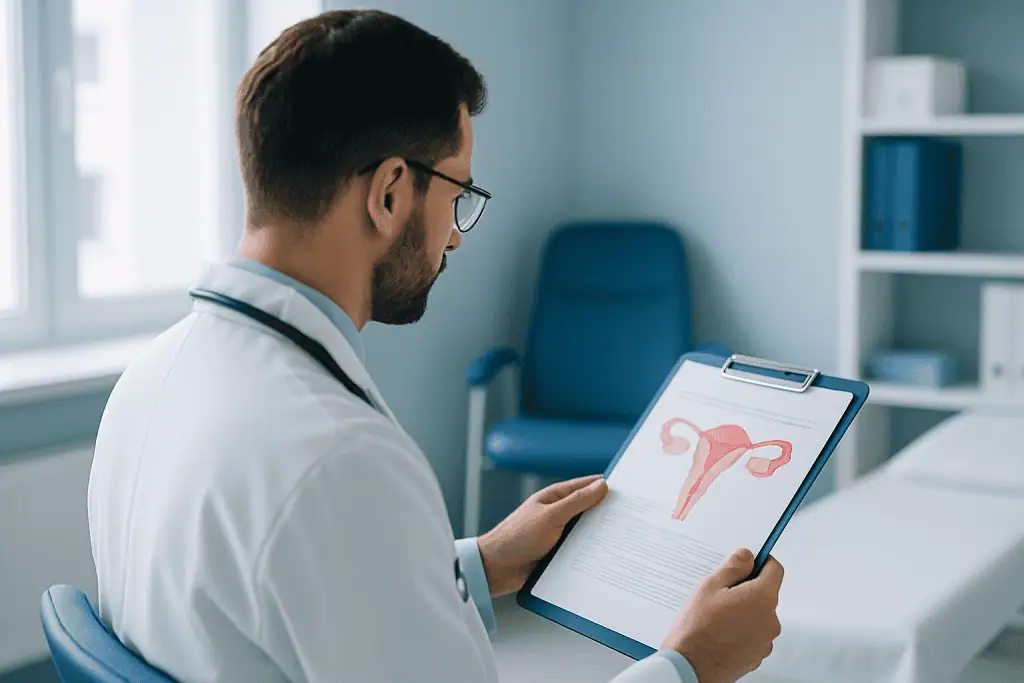
Quick answer
Insemination, most often intrauterine insemination (IUI), is a fertility treatment that places prepared sperm directly into the uterus around ovulation to increase the chance of pregnancy. At Acibadem in Turkey, it is performed as a brief outpatient procedure after fertility assessment and cycle planning, with monitoring to time treatment appropriately.
Considering Insemination When Pregnancy Has Not Happened as Expected
Trying to conceive can become emotionally complex when months pass without a pregnancy, or when a known medical situation makes natural conception less predictable. Many patients arrive at a fertility consultation with the same mixture of questions: Is there a less invasive treatment we can try first? Are we timing intercourse correctly? Is sperm quality affecting our chances? How long should we wait before moving to more advanced options?
Insemination, most commonly performed as intrauterine insemination or IUI, is often one of the first assisted reproductive treatments considered. It is a brief outpatient procedure designed to bring a concentrated sample of healthy, motile sperm closer to the egg at the time of ovulation. For selected patients, this can improve the chance that sperm and egg meet naturally inside the body.
Although IUI is simpler than in vitro fertilization, it still requires careful evaluation, precise timing and a realistic treatment plan. The best results come when the underlying cause of infertility is understood, ovulation is monitored accurately, and sperm preparation is performed in a qualified laboratory. At Acibadem, fertility specialists assess each couple or individual patient with attention to medical history, ovarian function, tubal status, sperm parameters, age, previous pregnancies and prior treatments, so that insemination is used when it is medically appropriate rather than as a routine step for everyone.
For international patients, the decision to seek fertility care abroad may add another layer of concern: language, travel timing, coordination of tests, privacy and continuity of care. A well-organized fertility program helps reduce uncertainty by explaining each step in advance, aligning appointments with the menstrual cycle whenever possible, and providing medical information in a clear, culturally sensitive way.
What Is Insemination?
Insemination is a fertility treatment in which sperm is placed into the female reproductive tract around the time of ovulation to increase the chance of fertilization. The most widely used form is intrauterine insemination, where prepared sperm is introduced directly into the uterus through a thin, flexible catheter. This allows a higher number of motile sperm to reach the fallopian tubes, where fertilization normally occurs.
Before IUI, the semen sample is processed in the laboratory. This step, often called sperm washing or sperm preparation, separates motile sperm from seminal fluid, immotile sperm and other cells. The prepared sample is then placed in a small volume of fluid suitable for intrauterine placement. The procedure itself usually takes only a few minutes and does not require an incision or general anesthesia.
IUI may be performed in a natural cycle, using the patient’s own ovulation, or in a stimulated cycle, where medication helps one or more follicles develop. In both approaches, the timing is essential. Ovulation may be tracked with ultrasound, blood hormone tests, urine ovulation predictor kits or a combination of these methods. In some cycles, an ovulation-trigger injection is used to schedule insemination more precisely.
It is important to understand what IUI can and cannot do. IUI can help overcome certain barriers, such as mild sperm movement issues, cervical factors or difficulty timing intercourse. It does not bypass the fallopian tubes, correct severe sperm abnormalities, overcome significant tubal disease or address many complex infertility factors as effectively as IVF. For this reason, a careful diagnostic pathway is central to deciding whether insemination is the right treatment.
Who May Need Insemination?
Insemination may be recommended for patients who have been trying to conceive without success, as well as for people who need assisted reproduction because of sperm access, ovulation timing or specific medical factors. In general, fertility evaluation is considered after 12 months of regular unprotected intercourse for women under 35, or after 6 months for women 35 and older. Earlier evaluation may be advised when there are irregular periods, known endometriosis, prior pelvic infection, previous reproductive surgery, recurrent pregnancy loss or known sperm concerns.
Typical patient situations that may lead to IUI include unexplained infertility, mild male factor infertility, ovulation disorders responsive to medication, cervical mucus problems, ejaculation difficulties, vaginismus or sexual dysfunction that makes intercourse difficult. IUI may also be considered for single women or same-sex female couples using donor sperm, depending on local regulations, medical eligibility and the treatment pathway offered.
Symptoms that prompt evaluation are not always dramatic. Some patients have regular cycles and no obvious signs of infertility. Others may notice irregular or absent periods, painful menstruation, pelvic pain, previous infections, heavy bleeding, or a history of surgery involving the ovaries, tubes or uterus. Male partners may have a history of varicocele, testicular surgery, hormonal conditions, cancer treatment, erectile or ejaculatory problems, or an abnormal semen analysis.
Diagnosis before insemination typically includes a combination of medical history, physical examination and targeted testing. The female evaluation may include ultrasound assessment of the uterus and ovaries, ovarian reserve testing, hormone tests, confirmation of ovulation and assessment of the fallopian tubes. Tubal evaluation is important because IUI depends on at least one open fallopian tube. This may be done with imaging tests such as hysterosalpingography or ultrasound-based tubal assessment, depending on the patient’s circumstances and physician recommendation.
The male evaluation usually begins with a semen analysis. This measures semen volume, sperm concentration, motility and morphology, and may be repeated if results are abnormal or inconsistent. In some cases, further male fertility assessment is needed before choosing IUI. If sperm counts are severely low or motility is markedly reduced, IVF with intracytoplasmic sperm injection may be more appropriate than insemination.
Conditions and Indications Insemination Can Address
IUI is most useful when the reproductive system can still support natural fertilization inside the body, but the chance of sperm reaching the egg needs to be improved. The indications are therefore specific. A fertility specialist will consider the cause of infertility, the duration of trying, the patient’s age, ovarian reserve, tubal status, semen quality and previous treatment history before recommending IUI.
Common indications include:
- Unexplained infertility: When standard testing does not identify a clear cause, IUI with ovulation induction may be considered before moving to more advanced treatment.
- Mild male factor infertility: Sperm preparation can concentrate motile sperm, which may help when abnormalities are mild and the post-preparation sperm count is adequate.
- Ovulation disorders: Patients with irregular ovulation may benefit from medication to stimulate or regulate ovulation combined with timed insemination.
- Cervical factors: If cervical mucus or cervical scarring interferes with sperm passage, IUI places sperm beyond the cervix.
- Sexual or ejaculation difficulties: IUI can be helpful when intercourse or ejaculation into the vagina is not possible or is inconsistent.
- Use of donor sperm: In medically appropriate situations, IUI may be part of a donor sperm treatment plan, subject to legal and clinical requirements.
- Fertility preservation planning after sperm banking: Some patients may use frozen sperm samples for insemination when sample quality and clinical circumstances are suitable.
IUI is usually not recommended when both fallopian tubes are blocked, severe endometriosis is present, ovarian reserve is significantly diminished, or sperm parameters are too low for insemination to provide a reasonable chance. It may also be less effective when infertility has been present for many years or when female age is an important limiting factor. In these situations, IVF may be discussed earlier to avoid losing valuable time.
How Insemination Is Performed
Initial Consultation and Treatment Planning
The process begins with a fertility consultation. The physician reviews menstrual history, previous pregnancies, prior fertility treatments, surgeries, medical conditions, medications, lifestyle factors and any existing test results. For international patients, sending medical records in advance can help the team plan efficiently and determine which tests should be completed before travel and which should be performed at Acibadem.
A personalized plan is then created. This plan clarifies whether IUI will be done in a natural cycle or with medication, how ovulation will be monitored, when the semen sample will be collected or thawed, and how many cycles may be reasonable before reconsidering the strategy. Because fertility treatment is time-sensitive, cycle coordination is especially important for patients traveling from abroad.
Preparation Before the Cycle
Before beginning IUI, the physician confirms that the uterus and ovaries have been assessed, at least one fallopian tube is open, and sperm parameters are suitable. Infection screening and general health checks may be recommended. Some patients need thyroid, prolactin or metabolic evaluation if menstrual cycles are irregular. Others may need hysteroscopic evaluation if ultrasound suggests polyps, fibroids affecting the cavity, adhesions or other uterine findings that could reduce implantation.
If ovulation induction is part of the plan, medication may begin early in the menstrual cycle. Oral medications or injectable hormones may be used depending on diagnosis, age, ovarian reserve and prior response. The aim is controlled follicle development, not excessive stimulation. Monitoring helps reduce the risk of multiple pregnancy and allows the physician to adjust or cancel a cycle if too many follicles develop.
Ovulation Monitoring and Timing
Timing is one of the most important parts of insemination. The fertility team follows follicle growth with transvaginal ultrasound and, when needed, blood hormone measurements. Ultrasound shows the number and size of developing follicles and the thickness and appearance of the uterine lining. Hormone testing may help confirm that ovulation is approaching or that medication response is appropriate.
When the leading follicle reaches a suitable size, ovulation may occur naturally or may be triggered with an injection. IUI is then scheduled close to the expected release of the egg. This timing is intended to place motile sperm in the uterus when the egg is available for fertilization.
Sperm Collection and Laboratory Preparation
On the day of insemination, a semen sample is usually collected by masturbation in a private collection room. If the male partner cannot be present, or if frozen sperm is planned, the laboratory follows a coordinated thawing and preparation process. The patient should receive instructions about abstinence before sample collection; the ideal interval varies depending on clinical circumstances.
In the laboratory, embryology and andrology staff prepare the sperm sample using validated techniques designed to select motile sperm and remove seminal plasma and debris. The prepared sample is evaluated before use. This laboratory step is important because unprocessed semen should not be placed directly into the uterus.
The Insemination Procedure
IUI is performed in an examination room. The patient lies in a position similar to a pelvic exam. A speculum is placed gently to visualize the cervix. The physician passes a very thin catheter through the cervix into the uterus and slowly introduces the prepared sperm sample. The catheter and speculum are then removed.
The procedure is usually brief and generally causes little discomfort. Some patients feel mild cramping similar to menstrual cramps. Anesthesia is not usually needed. After the procedure, patients may rest for a short period, although prolonged bed rest has not been shown to improve outcomes. Most patients can return to normal light activities the same day.
Technology Used in Insemination Care
Although IUI is a relatively simple procedure, modern fertility care relies on several types of technology to improve precision and safety. High-resolution ultrasound is used to assess the ovaries, follicles and uterine lining. Hormone testing helps clarify the timing of ovulation and response to stimulation. Laboratory sperm preparation systems help concentrate motile sperm under controlled conditions. Electronic medical records and coordinated cycle tracking support accurate scheduling, medication instructions and follow-up.
When additional evaluation is needed, imaging of the uterine cavity or fallopian tubes may be used. If abnormalities are suspected, minimally invasive procedures may be recommended before proceeding. These technologies do not make IUI appropriate for every patient, but they help physicians select patients more carefully and time treatment more accurately.
Typical Duration and Recovery
The insemination itself usually takes only a few minutes, with the full appointment taking longer because of preparation, verification and post-procedure instructions. The cycle, however, begins earlier with monitoring and may involve several clinic visits before the insemination day. For international patients, the required stay depends on whether testing has already been completed, whether medication stimulation is used, and how predictable the menstrual cycle is.
After IUI, patients typically continue daily life with modest precautions. Strenuous exercise may be limited for a short time in stimulated cycles, particularly if the ovaries are enlarged. Some patients may use progesterone or other luteal phase support if prescribed. A pregnancy test is usually scheduled about two weeks after insemination. Testing too early can produce confusing results, especially if an ovulation-trigger injection was used.
Why Acting Early Matters
Fertility is closely linked to time, especially female age and ovarian reserve. While a single month may not feel significant, repeated delays can reduce the range of effective treatment options for some patients. Early evaluation does not mean rushing into treatment. It means understanding whether IUI is suitable, whether another approach would be more appropriate, and whether any correctable factors should be addressed first.
Delaying care may allow untreated conditions to progress. Endometriosis, pelvic adhesions, uterine cavity abnormalities, ovulation disorders, thyroid disease and significant sperm problems may require different management. If these are not identified, patients may spend months attempting treatments that are unlikely to help. For patients in their late 30s or with reduced ovarian reserve, moving efficiently through evaluation and treatment planning can be particularly important.
There are also emotional risks to delay. Uncertainty can increase stress, strain relationships and make decision-making more difficult. A structured fertility assessment provides clarity. Even when IUI is chosen as an initial treatment, the plan should include a defined point at which the team reassesses progress and discusses whether to continue, modify the approach or consider IVF.
Potential Benefits of Insemination
For appropriately selected patients, IUI may offer several practical and medical advantages as part of a stepwise fertility plan.
| Benefit | What It Means for You |
|---|---|
| Less invasive than IVF | IUI does not require egg retrieval, embryo culture or an operating-room procedure, making it a simpler first-line option for selected patients. |
| Improved sperm placement | Prepared motile sperm is placed directly into the uterus, bypassing the cervix and reducing the distance sperm must travel. |
| Precise timing with ovulation | Ultrasound and hormone monitoring can help schedule insemination when fertilization is most likely to occur. |
| Useful for several infertility patterns | IUI may help in unexplained infertility, mild male factor infertility, ovulation disorders and certain sexual or cervical factors. |
| Brief outpatient experience | Most patients return to routine activities the same day, with minimal physical recovery after the procedure. |
| Can be part of a staged plan | IUI may provide a reasonable initial approach while preserving the option to move to IVF if results or clinical factors suggest a need. |
Recovery Timeline After Insemination
Recovery after IUI is usually straightforward, but expectations are easier to manage when patients understand what may happen during the two-week wait and beyond.
| Time Period | What Patients Can Expect |
|---|---|
| Day 1 | Mild cramping or light spotting may occur. Most patients can return to normal daily activities shortly after the appointment. |
| First Week | Patients may feel normal or notice bloating, breast tenderness or mood changes, especially if fertility medications or progesterone are used. |
| Second Week | The waiting period can be emotionally difficult. Symptoms are not reliable indicators of pregnancy, so testing should be done at the recommended time. |
| Pregnancy Test Period | A blood pregnancy test or urine test is performed according to the clinic’s instructions, usually about two weeks after insemination. |
| First Month | If the test is positive, follow-up blood tests and ultrasound planning may be arranged. If negative, the physician reviews the cycle and next steps. |
| Longer Term | After several unsuccessful cycles, the treatment plan is reassessed. Depending on age, diagnosis and response, IVF or further testing may be discussed. |
Factors That Influence the Chance of a Good Result
The success of insemination varies widely because it depends on both patient-related and treatment-related factors. A realistic discussion with the fertility specialist is essential before starting. IUI can be effective for some patients, but it is not simply a matter of placing sperm in the uterus; the egg, sperm, tubes, uterus and timing all need to be favorable.
Female age is one of the strongest predictors. Egg quantity and quality decline with age, and this affects the chance of pregnancy in any treatment where fertilization depends on the patient’s own eggs. Ovarian reserve testing can help estimate response to medication, although it does not perfectly predict egg quality.
Fallopian tube status is also critical. At least one open, functional tube is generally needed because fertilization occurs in the tube after IUI. If both tubes are blocked or significantly damaged, IVF is usually more appropriate.
Semen quality after preparation matters. The post-wash motile sperm count gives useful information about whether enough motile sperm are available for insemination. Mild abnormalities may still be compatible with IUI, while severe male factor infertility may require a different approach.
Ovulation and follicle development influence timing and probability. In patients who do not ovulate regularly, medication can help. In patients who already ovulate, mild stimulation may increase the number of available eggs, but it must be balanced against the risk of multiple pregnancy. Careful monitoring is important.
Uterine cavity health affects implantation. Polyps, submucosal fibroids, adhesions or congenital uterine differences may reduce the likelihood of pregnancy or increase the risk of complications. If suspected, these findings may need treatment before IUI.
Duration and cause of infertility also guide expectations. Long-standing infertility, severe endometriosis, diminished ovarian reserve or repeated unsuccessful IUI cycles may suggest that IVF should be considered sooner. A good result is not only a positive pregnancy test; it is choosing the right treatment at the right time, with attention to safety and the patient’s broader reproductive goals.
Laboratory quality and cycle coordination contribute to care. Proper sperm preparation, accurate specimen identification, correct timing and clear medication instructions are all essential. For international patients, coordination is particularly important because travel plans must align with a biological process that can vary from cycle to cycle.
Why International Patients Choose Acibadem for Insemination
International fertility patients often seek more than a procedure. They need a careful medical opinion, efficient coordination, clear communication and a clinical team that understands the emotional weight of reproductive care. At Acibadem, insemination is approached as part of a complete fertility assessment rather than an isolated appointment.
Care is delivered in JCI-accredited hospitals with established systems for patient safety, documentation and quality processes. Fertility specialists work with embryology and andrology laboratories, radiology, genetics when needed, urology for male infertility, endocrinology and other specialties as appropriate. This multidisciplinary structure is especially valuable when infertility is not explained by a single factor or when previous treatment has not been successful.
Patients benefit from evidence-based diagnostic pathways and individualized treatment planning. Some patients may be good candidates for IUI; others may be advised to consider IVF, surgery, male fertility treatment or additional testing first. The purpose of the consultation is to identify the approach most aligned with the patient’s biology, timeline and goals, not simply to proceed with the least complex option.
Acibadem’s fertility teams use modern monitoring and laboratory methods to support precise timing and sperm preparation. Ultrasound assessment, hormone testing, semen analysis, sperm processing and uterine or tubal evaluation are integrated into the treatment plan. When stimulation is used, monitoring is designed to support effectiveness while reducing avoidable risks, including excessive ovarian response and multiple pregnancy.
For patients traveling from the United States, Europe, the Middle East or other regions, Acibadem International provides dedicated support in more than 20 languages. Services may include appointment coordination, medical record transfer, interpreter assistance, travel-related guidance and communication between the patient and clinical team. This support is particularly helpful in fertility treatment, where timing, instructions and follow-up need to be understood clearly.
Privacy and emotional sensitivity are also important. Fertility care may involve intimate medical details, donor-related questions, cultural considerations and difficult decisions about when to continue or change treatment. A refined international patient experience should protect dignity while keeping the medical discussion honest. Patients should leave the consultation understanding why IUI is recommended, what alternatives exist, what the likely next steps are if the cycle is unsuccessful, and how follow-up will be handled after returning home.
For some international patients, Acibadem also functions as a center for second opinions. Patients who have already undergone several cycles elsewhere may seek a review of ovarian reserve, stimulation protocols, semen parameters, tubal evaluation, uterine findings or whether IUI remains appropriate. A fresh review can sometimes clarify whether further insemination is reasonable or whether a more advanced fertility strategy would better match the patient’s time frame.
Taking the Next Step
Insemination can be a thoughtful, medically sound option for patients who need assistance with timing, sperm placement or selected fertility factors. It is brief and minimally invasive, but it should still be planned with care. The most important step is determining whether IUI is truly the right treatment for your diagnosis, age, ovarian reserve, tubal status and sperm parameters.
If you are considering insemination, have been advised to start IUI, or want a second opinion after unsuccessful cycles, a fertility consultation can help you understand your options with greater clarity. The team can review your medical records, recommend any missing tests, explain whether a natural or stimulated cycle is appropriate, and outline when it may be wise to consider other treatments.
For international patients, early communication is especially helpful. Sharing your cycle dates, previous test results and treatment history allows the care team to estimate the best timing for travel and appointments. With the right planning, many parts of evaluation and treatment can be organized efficiently while preserving the individualized decision-making that fertility care requires.
This information is general and is not a substitute for professional medical advice, diagnosis or treatment. A fertility specialist can provide recommendations based on your personal medical history and test results.
Preparation
- Before insemination, the couple usually has fertility evaluation, infection screening, ultrasound monitoring, and semen analysis. Ovulation may be tracked naturally or supported with fertility medication. A semen sample is prepared in the laboratory shortly before the procedure.
Aftercare
- Most patients can leave shortly after insemination and return to daily activities the same day. Mild cramping or spotting can occur briefly. A pregnancy test is usually scheduled about 2 weeks later, and medications should be used only as advised by the fertility specialist.
Turkey vs UK, Germany & USA
Insemination, commonly intrauterine insemination, is a brief outpatient fertility treatment in which prepared sperm is placed into the uterus around ovulation. Costs and patient experience vary by country, clinic model, medication needs, sperm source, and the level of monitoring required.
The comparison below focuses on practical factors that may influence the overall cost and experience of insemination treatment for international patients.
| Factor | Turkey | UK | Germany | USA |
|---|---|---|---|---|
| Price drivers | Clinic package structure, fertility tests, ovarian stimulation medication, ultrasound monitoring, sperm preparation, and any donor services | Private clinic fees, medication, eligibility for public pathways, diagnostic tests, and donor sperm availability | Clinic fees, medication, required diagnostics, insurance rules, and regulatory requirements | Clinic and laboratory fees, medication, monitoring, insurance coverage differences, and donor sperm costs |
| Hospital and specialist factors | Fertility specialist experience, embryology and andrology laboratory standards, and coordination for international patients | Experience varies by public or private fertility centre, with consultant access and clinic capacity affecting timelines | Specialist fertility centres with structured protocols; access and coverage may depend on patient circumstances | Wide variation between clinics, specialists, laboratory services, and insurance networks |
| Accreditation and quality | Internationally oriented hospitals may hold accreditations such as JCI and use multidisciplinary fertility teams | Regulated fertility services with national oversight and clinic-level quality reporting | Regulated medical environment with clinic and laboratory standards set by national and regional rules | Accreditation and oversight vary by state, clinic, and laboratory provider |
| Typical waiting times | Appointments can often be coordinated around the menstrual cycle for international patients, depending on test readiness | Public pathways may involve waiting lists; private access may be faster depending on clinic capacity | Scheduling depends on clinic availability, required documentation, and insurance or self-pay pathway | Private access may be flexible, while insurance authorisation and clinic demand can affect timing |
| Travel and language logistics | International patient teams may assist with scheduling, translation, airport transfers, accommodation guidance, and follow-up planning | Usually straightforward for English speakers; international patients arrange travel, accommodation, and records transfer | Language support may be available in larger centres; documentation and consent processes may require translation | English-language care is typical; travel distances, accommodation, and insurance paperwork may add complexity |
| Typical package inclusions | Consultation, cycle planning, ultrasound monitoring, sperm preparation, insemination procedure, and coordinator support may be bundled | Packages vary; diagnostics, medication, donor sperm, and follow-up may be billed separately | Packages vary by clinic and coverage route; some items may require separate approval or billing | Itemised billing is common; consultation, monitoring, lab work, medication, and donor services may be separate |
What affects your final cost:
- Whether insemination is performed in a natural or medicated cycle
- Type and dose of ovarian stimulation medication, if prescribed
- Number of monitoring visits, blood tests, and ultrasound scans needed
- Use of partner sperm or donor sperm
- Need for infectious disease screening, semen analysis, tubal assessment, or hormone testing
- Clinic, laboratory, and specialist team experience
- Travel, accommodation, translation, and international patient coordination needs
- Whether additional fertility treatment is recommended after specialist review
Compare your options
The options below are educational. Suitability for any insemination approach is decided by a fertility specialist after reviewing medical history, test results, sperm parameters, ovulation, and tubal status.
| Option | What it is | Typical use | Key considerations |
|---|---|---|---|
| Natural cycle insemination | Prepared sperm is placed into the uterus around naturally occurring ovulation | May be considered when ovulation is regular and sperm preparation is suitable | Requires accurate timing; medication costs may be lower, but monitoring is still important |
| Medicated cycle insemination | Ovulation medication is used to support follicle development before insemination | May be considered for ovulation irregularity or when a specialist aims to improve timing | Medication and monitoring increase cost; cycle safety and response must be checked by ultrasound |
| Trigger-supported insemination | A trigger injection is used to help schedule ovulation and insemination timing | Often used when precise timing is needed during a monitored cycle | Adds medication and monitoring steps; timing instructions must be followed carefully |
| Donor sperm insemination | Screened donor sperm is prepared and used for insemination | May be considered for severe sperm issues, single parenthood pathways where permitted, or same-sex female couples where permitted | Legal rules, donor screening, availability, storage, and consent requirements affect planning and cost |
| IVF or ICSI instead of insemination | Eggs and sperm are combined in a laboratory, with embryo transfer planned if embryos develop | May be recommended when tubal disease, severe sperm factors, age-related concerns, or previous unsuccessful insemination cycles are present | More complex and usually more resource-intensive than insemination; recommendation depends on specialist assessment |
Trusted care for international patients
General information only — not medical or financial advice. Final costs depend on the factors above and your individual case; request a free, personalised quote.
Medical Units
Frequently Asked Questions
What affects the cost of insemination most?
The main factors are medication needs, monitoring frequency, sperm preparation, donor sperm use, required fertility tests, and the clinic or hospital package structure. Travel, accommodation, and language support may also affect the overall budget for international patients.
How can I get a personalised quote for insemination in Turkey?
A fertility team usually reviews your medical history, previous test results, cycle details, semen analysis, and any imaging or hormone tests. Acibadem International can arrange a free consultation to help define the likely pathway and prepare a personalised quote.
Is insemination always cheaper than IVF?
Insemination is generally less complex than IVF because it does not involve egg collection, embryo culture, or embryo transfer. However, the final cost depends on medication, monitoring, donor sperm, testing, and whether further treatment becomes necessary.
Does the quoted package usually include medications and tests?
Package inclusions vary by clinic. Some packages may include consultation, monitoring, sperm preparation, and the procedure, while medications, donor sperm, additional blood tests, and imaging may be listed separately. Always ask for a written breakdown.
Do international patients need to stay in Turkey for long?
Insemination is an outpatient procedure, but the schedule must match ovulation and monitoring needs. The recommended stay depends on your cycle plan, whether tests are already complete, and whether medication monitoring is required.
Is insemination suitable for everyone with infertility?
No. A specialist should assess ovulation, fallopian tube patency, sperm quality, age-related factors, and medical history. Some patients may be advised to consider other fertility treatments instead of insemination.