Different Types of ADHD: An Evidence-Based Guide for Patients

ADHD is commonly grouped into three presentations: inattentive, hyperactive-impulsive, and combined. Symptoms can look different in children, teenagers, and adults.
Key Takeaways
- ADHD is commonly grouped into three presentations: inattentive, hyperactive-impulsive, and combined.
- Symptoms can look different in children, teenagers, and adults.
- Diagnosis is based on a detailed clinical assessment rather than a single test or brain scan.
- Treatment may include behavioral strategies, school or workplace support, psychotherapy, and medication.
- Early evaluation can help reduce difficulties with learning, work, relationships, and self-esteem.
The different types of ADHD are inattentive presentation, hyperactive-impulsive presentation, and combined presentation. These types are based on a person’s main symptom pattern over time, and a proper diagnosis considers age, daily functioning, and whether symptoms appear in more than one setting.
Overview: what the different types of ADHD mean
The different types of ADHD are not separate diseases. They are different symptom presentations of attention-deficit/hyperactivity disorder, a neurodevelopmental condition that affects attention, self-regulation, activity level, and impulse control. Clinicians generally describe three presentations: predominantly inattentive, predominantly hyperactive-impulsive, and combined presentation.
This distinction matters because ADHD does not look the same in every person. One individual may mainly struggle with focus, organization, and forgetfulness, while another may be constantly restless, interrupt often, or act before thinking. Many people have a mixture of both patterns, and symptoms may change with age.
ADHD can affect children, adolescents, and adults. It can influence school performance, work, relationships, sleep, emotions, and everyday routines. However, with accurate assessment and appropriate support, many people with ADHD learn effective strategies and function very well.
The three ADHD presentations
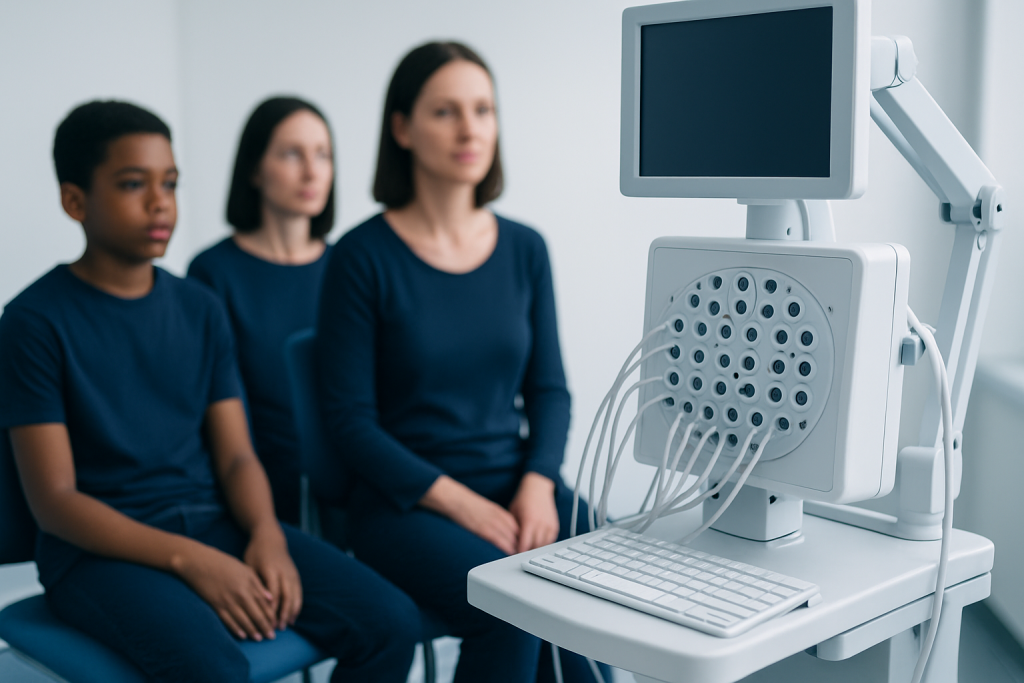
Predominantly inattentive presentation is often associated with difficulty sustaining attention, being easily distracted, losing items, forgetting tasks, and struggling to follow through on instructions. A person may appear quiet, daydreamy, disorganized, or mentally elsewhere rather than outwardly hyperactive. This pattern is sometimes missed because it may be less disruptive to others.
Predominantly hyperactive-impulsive presentation is marked by excessive fidgeting, difficulty staying seated, talking excessively, interrupting others, impatience, and acting without enough pause. In younger children, this may look like constant movement. In adolescents and adults, it may show up more as inner restlessness than obvious running or climbing.
Combined presentation means a person has enough symptoms from both groups. This is a common pattern and can affect several parts of daily life at once, such as concentration, behavior regulation, time management, and emotional control.
The presentation can shift over time. For example, a child who was very physically active and impulsive may become less outwardly hyperactive with age but continue to have inattention, restlessness, or planning difficulties. This is why follow-up and reassessment can be helpful.
Symptoms across ages and daily life

ADHD symptoms are broader than simply being energetic or occasionally distracted. For a diagnosis, symptoms are persistent, developmentally inappropriate, and significant enough to affect functioning. They usually appear in more than one setting, such as home and school, or home and work.
In children, inattentive symptoms may include careless mistakes, trouble finishing homework, seeming not to listen, and frequently losing school materials. Hyperactive-impulsive symptoms may include leaving a seat often, climbing or running in inappropriate situations, blurting out answers, and difficulty waiting for turns.
In teenagers, ADHD may look different. Academic demands increase, so problems with planning, deadlines, and multitasking may become more noticeable. Restlessness may continue, but it may appear as feeling driven, speaking impulsively, or taking risks without fully thinking through consequences.
In adults, ADHD can affect work organization, punctuality, household responsibilities, emotional regulation, and relationships. Common concerns include forgetting appointments, difficulty prioritizing, frequent procrastination, and mental restlessness. Some adults seek evaluation only after a child is diagnosed or after years of wondering whether symptoms could be explained by ADHD.
What causes ADHD and who is at risk?
ADHD has no single known cause. Current evidence shows that it is a complex neurodevelopmental condition influenced by genetics and brain development. It tends to run in families, which means a person may have a higher likelihood of ADHD if close relatives have similar symptoms or a formal diagnosis.
Researchers also study factors that may contribute to risk, including premature birth, low birth weight, and certain exposures during pregnancy. These associations do not mean that one factor alone causes ADHD, and they should not be used to blame parents or caregivers.
ADHD is not caused by poor parenting, lack of discipline, or too much screen time. While routines, stress, sleep habits, and environment can affect how strongly symptoms are noticed, they do not fully explain the condition. People with ADHD may also have coexisting concerns such as anxiety, depression, learning disorders, sleep problems, or autism spectrum disorder.
Because symptoms can overlap with other conditions, a careful evaluation is important. Problems with attention can also occur in situations such as chronic stress, sleep deprivation, hearing problems, thyroid disorders, or emotional difficulties.
How ADHD is diagnosed
There is no single blood test, brain scan, or questionnaire that confirms ADHD by itself. Diagnosis is clinical, meaning it is based on a detailed history, symptom review, and assessment of how symptoms affect daily life. A doctor or mental health professional considers when symptoms began, how long they have been present, and whether they occur in more than one setting.
Evaluation often includes interviews with the patient and, when appropriate, parents, caregivers, or teachers. Standardized rating scales may help organize information, but they do not replace professional judgment. In children, the clinician also considers developmental stage, school functioning, behavior at home, and any learning difficulties.
Part of the assessment is ruling out or recognizing other conditions that can mimic or occur alongside ADHD. These may include anxiety disorders, depression, sleep disorders, learning disorders, hearing or vision problems, and behavioral conditions. In some cases, doctors may recommend additional assessments such as educational testing or a broader mental health evaluation.
If there are questions about memory, concentration, or higher-level thinking skills, a specialist may suggest neuropsychological testing to better understand strengths and challenges. Imaging is not routinely needed for ADHD, though tests such as brain MRI may be used when symptoms suggest another neurological issue rather than ADHD itself.
Treatment options and long-term support
ADHD treatment is individualized. The best plan depends on age, symptom pattern, daily demands, and whether other conditions are also present. Common approaches include education about ADHD, behavioral strategies, psychotherapy, school or workplace accommodations, parenting support, and medication when appropriate.
Behavioral approaches can be especially helpful for children and families. These may include structured routines, clear expectations, reward systems, shorter task segments, and practical organization tools. In adults, coaching, skills-based therapy, calendar systems, reminders, and changes to the work environment can improve functioning.
Medication may be considered when symptoms significantly affect learning, work, safety, or relationships. A prescribing clinician reviews benefits, possible side effects, medical history, and ongoing response over time. Medication does not cure ADHD, but for some people it can improve attention, impulse control, and daily functioning.
Some people benefit from broader specialist input, especially when diagnosis is complex or symptoms overlap with other neurological or developmental issues. Depending on the clinical picture, a doctor may recommend assessment in services such as neurology or review related developmental concerns such as autism spectrum disorder. Near the end of the care pathway, Acibadem International’s multidisciplinary specialists in JCI-accredited hospitals also diagnose and treat ADHD-related concerns for international patients.
Self-care, family support, and practical coping strategies
Daily habits can make ADHD symptoms easier to manage, although self-care is not a substitute for professional treatment when symptoms are significant. Consistent sleep, regular physical activity, predictable routines, and reduced clutter can all support attention and emotional regulation. Many people also benefit from writing tasks down instead of relying on memory alone.
Helpful strategies often include breaking large tasks into smaller steps, using visual reminders, setting alarms, and limiting distractions during important activities. For children, a calm homework routine, simple instructions, and regular praise for effort may be more effective than repeated criticism.
Family understanding matters. ADHD symptoms can be frustrating, but they are not simply a matter of laziness or poor motivation. A supportive approach that focuses on problem-solving and skill-building often works better than blame.
- Keep a consistent daily schedule.
- Use planners, timers, or reminder apps.
- Create a quiet, organized study or work area.
- Prioritize sleep and regular meals.
- Ask schools or employers about reasonable accommodations when needed.
When to seek medical care
A medical evaluation is a good idea when attention, impulsivity, or restlessness regularly interferes with school, work, relationships, or everyday responsibilities. It is also important to seek help if symptoms cause low self-esteem, frequent conflict, risky behavior, or persistent stress at home.
Parents should consider assessment if a child consistently struggles to follow instructions, stay organized, wait their turn, or manage behavior compared with peers of the same age. Adults should consider evaluation if lifelong patterns of disorganization, distractibility, or impulsive decisions are affecting work performance or personal life.
More urgent medical advice is needed if there are signs of severe depression, self-harm thoughts, substance misuse, sudden major behavioral changes, or symptoms that suggest another neurological or psychiatric condition. A qualified clinician can help determine whether ADHD is the main issue, whether another condition is present, or whether both need attention.
Frequently asked questions
What are the different types of ADHD?
The three main ADHD presentations are predominantly inattentive, predominantly hyperactive-impulsive, and combined presentation. These labels describe a person’s main symptom pattern rather than completely separate disorders.
Can ADHD type change over time?
Yes. Symptoms often change with age, and the most noticeable presentation may shift over time. For example, visible hyperactivity may decrease in adulthood while inattention or inner restlessness continues.
Is inattentive ADHD less serious than combined ADHD?
Not necessarily. Inattentive ADHD can still significantly affect learning, work, relationships, and self-confidence. It may simply be less outwardly disruptive and therefore easier to miss.
How do doctors tell ADHD apart from anxiety or lack of sleep?
Doctors look at the full pattern of symptoms, when they started, where they occur, and how they affect daily life. They also consider other possible causes such as anxiety, depression, sleep problems, learning disorders, or medical conditions.
Do adults have the same types of ADHD as children?
Yes, adults can also have inattentive, hyperactive-impulsive, or combined presentation. However, the symptoms may appear differently, with less obvious physical hyperactivity and more difficulty with organization, time management, or inner restlessness.
Can ADHD be treated without medication?
Some people benefit from behavioral strategies, psychotherapy, coaching, school support, and lifestyle changes, especially when symptoms are mild or when medication is not suitable. For others, medication is an important part of treatment, and the best plan is individualized.
References
- American Psychiatric Association
- Centers for Disease Control and Prevention
- National Institute of Mental Health
- American Academy of Pediatrics
- World Health Organization
This article is for general information only and is not a substitute for professional medical advice. Please consult a qualified doctor about your individual situation.
ADHD in Turkey — costs, top hospitals & a free quote
JCI-accredited · board-certified surgeons · reply within 24h
Add us as a Preferred Source to see more of our trusted health content across Google Search, AI Overviews and Discover.