

Scratch of Skin: An Evidence-Based Guide for Patients

A scratch of skin usually affects the outer layers of skin and often heals at home with basic first aid. Cleaning the area with running water and keeping it protected helps reduce infection risk.
Key Takeaways
- A scratch of skin usually affects the outer layers of skin and often heals at home with basic first aid.
- Cleaning the area with running water and keeping it protected helps reduce infection risk.
- Redness that spreads, increasing pain, pus, fever, or poor healing can suggest infection.
- Deeper scratches, animal or human scratches, and injuries near the eye may need professional care.
- People with diabetes, poor circulation, or weakened immunity should monitor scratches more carefully.
A scratch of skin is a common superficial injury that often improves with prompt cleaning, gentle wound care, and protection from further irritation. Most scratches heal well, but some can become infected or may need medical assessment depending on depth, location, contamination, or a person's overall health.
What a scratch of skin is
A scratch of skin is a superficial injury caused when the outer layers of the skin are scraped or lightly torn by a fingernail, rough surface, thorn, paper edge, pet claw, or similar object. In many cases, the injury is limited to the epidermis, the skin’s top protective layer, though some scratches extend slightly deeper into the dermis and may bleed more.
For most people, a scratch of skin is minor and heals within days to a couple of weeks, especially when the area is cleaned early and protected from friction. The main concerns are contamination, delayed healing, and infection rather than the scratch itself. This is why even a small injury deserves simple but careful first aid.
It can help to distinguish a scratch from related injuries. A scratch is usually more linear and shallow than a cut, and less broad than a scrape or abrasion. If a skin injury is gaping, very painful, deeply bleeding, or caused by a dirty object, it may be more than a simple scratch and should be assessed by a clinician.
Common signs and how scratches usually heal

Typical symptoms of a scratch of skin include a thin broken line or superficial raw area, mild stinging, tenderness, and light bleeding or oozing. The skin around it may look pink or slightly swollen at first. These early changes are part of normal inflammation, which supports healing.
As healing begins, the area often becomes less sore and may form a light crust or scab. New skin gradually closes the surface. Mild itch can occur later in the healing process, but repeated scratching should be avoided because it can reopen the wound, introduce bacteria, and increase the chance of a visible mark.
A healthy scratch usually improves a little each day. Warning signs that the healing course is not typical include increasing redness, warmth, swelling, worsening pain, cloudy drainage, bad odor, or fever. These symptoms can indicate infection such as cellulitis, which needs medical evaluation.
Why scratches happen and who is at higher risk of complications
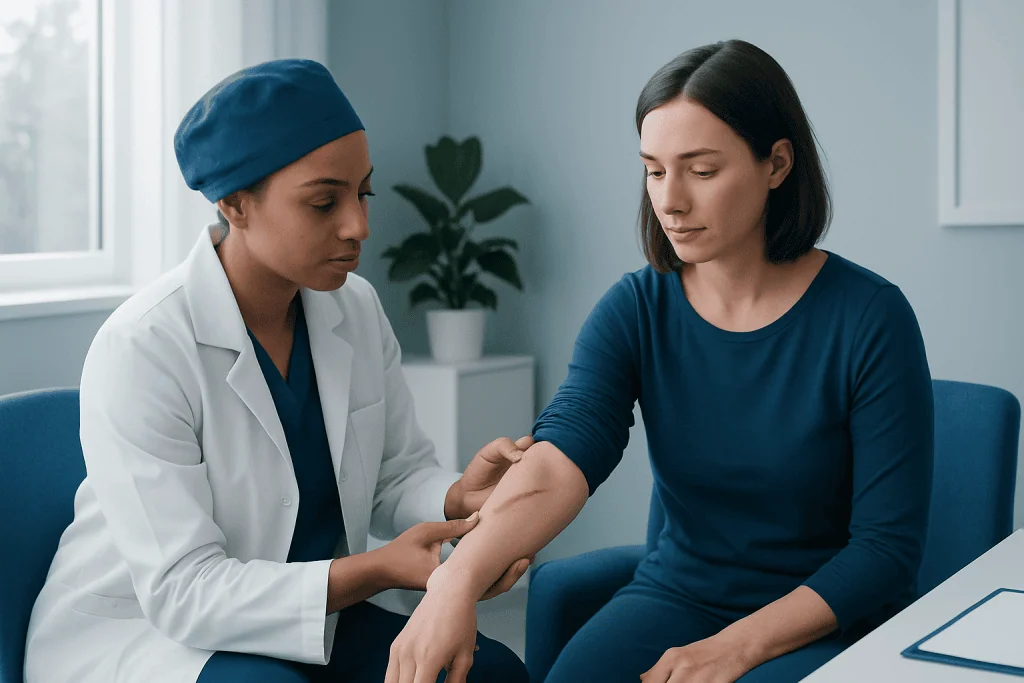
Scratches happen during ordinary daily activities. Common causes include pet claws, gardening, sports, rough clothing fasteners, dry or itchy skin, and accidental nail injury. Sometimes the skin breaks after repeated rubbing rather than one obvious incident, especially in people who scratch due to eczema, allergies, or insect bites.
Some people are more likely to develop problems after a scratch of skin. Risk is higher if the injury is deep, dirty, or located on the face, hands, feet, or near the eyes. Scratches caused by animals or humans deserve extra caution because bacteria from saliva, skin, or under the nails can enter the wound.
Health factors also matter. Diabetes, poor circulation, chronic swelling, advanced age, steroid use, cancer treatment, and other causes of reduced immune function can slow healing and raise infection risk. People with ongoing itchy skin disorders may scratch repeatedly and damage the skin barrier; in such cases, evaluation for underlying eczema or atopic dermatitis or other skin conditions may be helpful.
First aid and home care for a scratch of skin
The first step is to wash hands, then rinse the scratch under clean running water. Mild soap can be used around the area, but harsh scrubbing, alcohol, hydrogen peroxide, or strong antiseptics may irritate healthy tissue and delay healing. If there is light bleeding, gentle pressure with clean gauze or cloth usually stops it within a few minutes.
After cleaning, the area can be patted dry and covered with a thin layer of plain petroleum jelly or a clinician-recommended topical product, followed by a clean bandage if the scratch may rub on clothing or become dirty. A moist, protected environment often supports better healing than leaving the wound exposed and repeatedly drying out. Dressings should be changed if wet, dirty, or loose.
At home, it is best to avoid picking at scabs, scratching the area, or using fragranced creams that may sting or irritate. If itching or surrounding dryness is a trigger, gentle skin moisturization and treatment of the underlying cause can reduce repeated damage. If scratching is linked to an active skin problem, a dermatology assessment may be appropriate; in selected cases, specialists may recommend evaluation through dermatology care.
- Clean promptly with running water.
- Apply gentle pressure if bleeding.
- Protect with a simple dressing when needed.
- Watch daily for redness, warmth, pus, or worsening pain.
How doctors assess a scratch and possible complications
Most minor scratches do not need tests. When a patient seeks care, clinicians usually diagnose a scratch by examining the wound’s depth, length, location, contamination, and surrounding skin. They may also ask how the injury happened, when it occurred, whether an animal or human caused it, and whether tetanus vaccination is up to date.
The main complication is infection. Bacteria can enter through a small break in the skin and cause local swelling, pus, and increasing tenderness, or spread into deeper tissues. In some situations, especially after cat scratches, puncture-like wounds, or skin breaks in vulnerable individuals, doctors may consider specific organisms and decide whether prescription treatment is needed.
Doctors also look for signs that the injury is not just a scratch. A wound that gapes, exposes deeper tissue, affects movement or sensation, or involves the eyelid or eyeball may require urgent specialist assessment. If a scratch occurs near the eye or causes irritation, watering, or pain with blinking, assessment through ophthalmology may be recommended to rule out more serious injury.
Treatment options when a scratch needs medical care
Professional treatment depends on what the examination shows. A clinician may clean the wound more thoroughly, remove visible debris, update tetanus protection when indicated, and advise on dressings or topical care. If there are clear signs of infection, a prescription medicine may be considered based on the likely bacteria and the patient’s health status.
Some scratches need more attention because of their cause or location. Human and animal scratches may need special assessment, especially if there is swelling, deep tissue involvement, or concern about unusual bacteria. Facial scratches generally heal well, but doctors may advise early wound care to reduce scarring and to protect sensitive structures.
When an underlying skin disease leads to repeated scratching, treatment should address the trigger rather than the wound alone. This may include managing itch, dryness, inflammation, or allergy. If a scratch is part of a broader skin-health issue, referral for specialist dermatology evaluation can help guide diagnosis and long-term prevention. Acibadem International’s multidisciplinary specialists in JCI-accredited hospitals diagnose and treat skin conditions and wound-related concerns for international patients.
Prevention and self-care after healing
Preventing a scratch of skin often means protecting the skin barrier. Regular use of a gentle moisturizer can reduce dryness and cracking, especially in cold weather or after frequent handwashing. Keeping nails trimmed and smooth may reduce accidental injury from scratching during sleep or when the skin is itchy.
Simple practical habits also help. Gloves can protect the hands during gardening or cleaning, and long sleeves may reduce minor trauma during outdoor activities. Pet owners can lower risk by keeping pet nails maintained and washing any skin break promptly if a scratch happens.
After the skin closes, sun protection can help reduce darkening or long-lasting marks, especially on exposed areas. If a scratch repeatedly leaves thick scars, heals slowly, or happens because of persistent itching, medical advice is sensible. Ongoing skin inflammation may need targeted care, and some patients benefit from assessment for conditions such as psoriasis or eczema that make the skin more vulnerable.
When to seek medical care
Medical care should be sought if a scratch is deep, wide, heavily contaminated, or close to the eye, mouth, genitals, or a joint. Prompt evaluation is also important if bleeding does not stop with gentle pressure, if there is numbness or limited movement, or if a foreign body may still be in the skin.
Patients should contact a doctor if the area becomes more red, warm, swollen, painful, or starts draining pus, or if red streaks, fever, or swollen lymph nodes develop. These changes may mean the infection is spreading beyond the surface. People with diabetes, poor circulation, or reduced immunity should have a lower threshold for seeking medical advice, even for a small scratch.
Special circumstances matter. A scratch from a cat, dog, wild animal, or person may need assessment for infection risk and vaccine considerations. If the wound is not improving after several days of proper care, or if it repeatedly reopens because of itching or friction, a healthcare professional can help identify the reason and advise the safest next steps.
Frequently asked questions
How long does a scratch of skin take to heal?
A minor scratch of skin often starts improving within a few days and may heal fully in about one to two weeks. Healing time depends on depth, location, cleanliness, and whether the person has conditions such as diabetes or poor circulation.
Should a skin scratch be covered or left open?
Many small scratches heal well when kept clean and protected, especially if clothing or daily activities may irritate the area. A simple dressing can reduce friction and contamination, but it should be changed if it becomes wet or dirty.
What are signs that a scratch is infected?
Possible signs include spreading redness, warmth, swelling, worsening pain, pus, bad odor, or fever. If these symptoms appear, the wound should be assessed by a healthcare professional because treatment may be needed.
Can a scratch of skin leave a scar?
Most superficial scratches heal with little or no lasting scar. Deeper injury, repeated picking, infection, or sun exposure during healing can increase the chance of visible marks or skin discoloration.
Do I need a tetanus shot after a scratch?
That depends on how the injury happened and whether tetanus vaccination is up to date. A clinician can advise whether a booster is appropriate, especially if the wound is dirty or caused by an object contaminated with soil.
Are animal scratches more serious than ordinary skin scratches?
They can be, because bacteria from an animal's claws or mouth may enter the skin. Cat scratches and bites are a common reason to seek advice, particularly if the area becomes swollen, painful, or infected.
References
- American Academy of Dermatology
- Centers for Disease Control and Prevention
- MedlinePlus
- National Health Service
- Mayo Clinic
This article is for general information only and is not a substitute for professional medical advice. Please consult a qualified doctor about your individual situation.
Explore treatments in Turkey — costs, top hospitals & a free quote
JCI-accredited · board-certified surgeons · reply within 24h
Add us as a Preferred Source to see more of our trusted health content across Google Search, AI Overviews and Discover.

More from the Health Library



Related Specialists

Dr. Nuh Hakan Temiz
Nuclear Medicine
Assoc. Prof. Dr. Yeşim Çimen
Physical Medicine & Rehabilitation
Dr. Akil Tepecik
Clinical Laboratory
Dr. Asena Selbes
Anesthesiology