Is Saliva in Mouth Acidic? Here Is What the Evidence Says

Resting saliva is generally near neutral, although normal pH varies between people and over time. Food, acidic drinks, oral bacteria, dry mouth, and acid reflux can temporarily lower mouth pH.
Key Takeaways
- Resting saliva is generally near neutral, although normal pH varies between people and over time.
- Food, acidic drinks, oral bacteria, dry mouth, and acid reflux can temporarily lower mouth pH.
- A persistently acidic environment may increase the risk of tooth enamel erosion and cavities.
- Frequent heartburn, sour taste, dry mouth, tooth sensitivity, or visible enamel changes should be assessed by a dental or medical professional.
- Hydration, regular oral hygiene, and limiting frequent acidic snacks and drinks can support oral health.
Saliva is usually close to neutral rather than strongly acidic. Its pH naturally changes during the day, especially after meals, drinks, reflux episodes, or reduced saliva flow, and brief acidity is often harmless.
Is saliva in the mouth acidic?
Saliva is not usually strongly acidic. In most healthy people, saliva is close to neutral, though it can be mildly acidic or mildly alkaline at different times. The pH in the mouth changes naturally in response to eating, drinking, saliva flow, oral bacteria, and health conditions such as reflux or dry mouth.
Temporary acidity is very common and is often harmless. For example, the mouth becomes more acidic after consuming citrus, carbonated drinks, sweets, or starchy foods, because bacteria can convert carbohydrates into acids. Saliva normally helps dilute and buffer these acids, allowing the mouth to gradually return toward its usual balance.
What matters most for oral health is not one saliva pH reading, but how often and how long the mouth remains acidic. Repeated or prolonged acid exposure can weaken tooth enamel over time, particularly when saliva production is reduced or oral hygiene is difficult.
What saliva does for the mouth
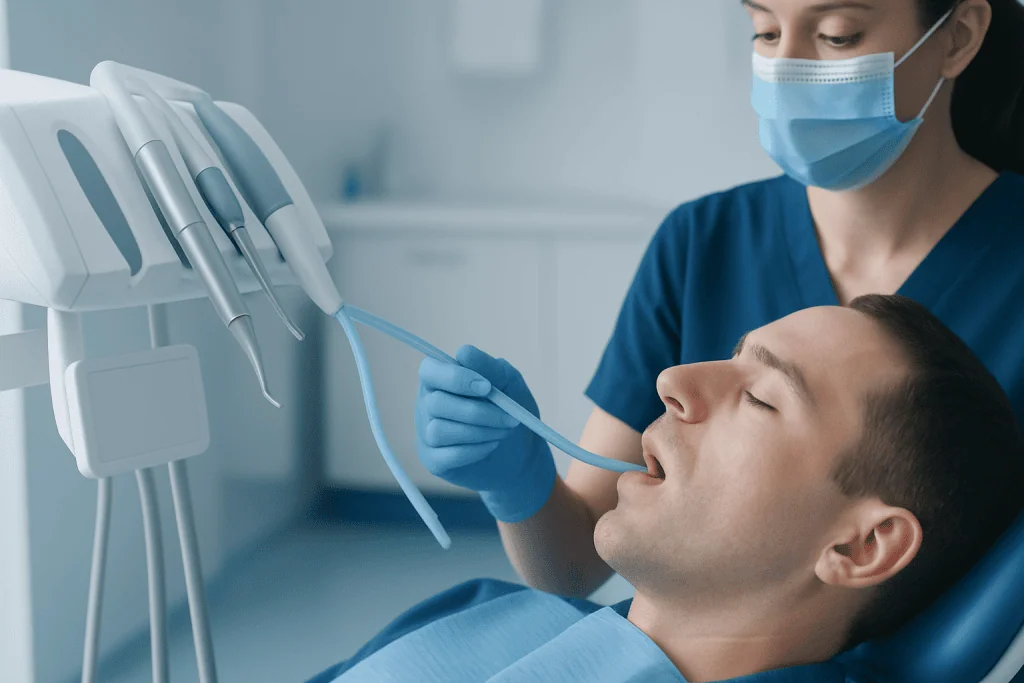
Saliva is more than moisture. It helps people speak, chew, swallow, taste food, and keep the lining of the mouth comfortable. It also washes away food particles and contains components that help protect teeth and oral tissues.
One important role is buffering. Saliva contains bicarbonate, phosphate, and proteins that help neutralize acids. When saliva flow increases, such as during chewing, its acid-neutralizing capacity generally rises. This is one reason why a dry mouth may leave teeth more vulnerable to decay and erosion.
Saliva also supplies minerals, including calcium and phosphate, which can support remineralization of early areas of enamel weakening. It cannot reverse substantial tooth damage, but it is part of the mouth’s everyday protective system.
- Low saliva flow: less rinsing and less neutralization of acids.
- Normal saliva flow: supports pH recovery after eating and drinking.
- Frequent acid exposure: may overwhelm these natural defenses despite normal saliva.
Why the mouth may become more acidic

The mouth commonly becomes acidic for short periods after meals and drinks. Sugary foods, refined carbohydrates, fruit juices, sports drinks, fizzy drinks, wine, and sour candies may lower oral pH. Frequent sipping or snacking can be more harmful than having the same item with a meal, because the teeth experience acid exposure more often.
Dental plaque also affects acidity. Plaque is a sticky film of bacteria that forms on teeth. When these bacteria use sugars from food and drink, they produce acids. If plaque is not regularly removed, the acid can contribute to cavities and gum inflammation. More information about this process is available in dental caries.
Acid from the stomach can also reach the mouth. Gastroesophageal reflux disease (GERD), repeated vomiting, and rumination can expose teeth and throat to stomach acid. A sour or bitter taste, burning in the chest, regurgitation, hoarseness, or enamel wear may occur, although some people with reflux have few typical symptoms.
Dry mouth, also called xerostomia, can make acidity more significant because there is less saliva available to clear and neutralize acids. It may be related to dehydration, mouth breathing, some medicines, smoking, certain medical conditions, or treatment affecting the head and neck.
Signs that acidity may be affecting oral health
A temporarily acidic mouth does not always cause noticeable symptoms. However, repeated acid exposure may gradually affect teeth. Early changes can include tooth sensitivity to cold, hot, sweet, or acidic foods. Teeth may look smoother, more translucent at the edges, or slightly yellow if enamel becomes thinner and more of the underlying dentin shows through.
Other possible signs include recurring cavities, rough tooth surfaces, discomfort after acidic foods, or fillings that appear raised as surrounding enamel wears down. These changes can have several causes, so they should be evaluated by a dentist rather than self-diagnosed from appearance alone.
A sour taste in the mouth may occur after acidic foods, with reflux, or when saliva flow is reduced. Bad breath can also be associated with dry mouth, plaque buildup, gum disease, sinus problems, or digestive symptoms. It does not by itself prove that saliva is persistently acidic.
Gum bleeding, swelling, loose teeth, mouth ulcers lasting longer than two weeks, or a lump in the mouth are not expected effects of ordinary dietary acidity and need professional assessment.
How clinicians assess saliva, teeth, and related symptoms
Dentists and doctors usually begin with a history of symptoms and habits. They may ask about tooth sensitivity, dietary patterns, snacking frequency, acidic drinks, dry mouth, medications, heartburn, nausea, vomiting, smoking, and oral hygiene. This helps identify whether acidity is likely to be dietary, dental, digestive, or related to reduced saliva flow.
A dental examination can look for plaque, cavities, gum disease, enamel erosion, and signs of dry mouth. In some settings, saliva flow and pH can be measured, but these tests offer only a snapshot and are interpreted alongside the examination and medical history.
If reflux is suspected, a physician may review symptoms and consider further assessment based on their frequency, severity, and associated warning signs. Testing is not needed for every person with occasional heartburn, but it may be useful when symptoms persist, interfere with daily life, or suggest complications. Evaluation and treatment for gastroesophageal reflux disease can help reduce acid exposure when reflux is contributing.
When dry mouth is persistent, clinicians may review medicines and screen for contributing conditions. The goal is to protect teeth and relieve symptoms while addressing the underlying cause where possible.
Practical ways to support a healthier mouth pH
Most people do not need to try to make their saliva alkaline. A more useful goal is to reduce frequent acid attacks and support normal saliva function. Drinking water regularly, especially after meals or acidic drinks, can help rinse the mouth. Chewing sugar-free gum after eating may stimulate saliva for people who can safely chew gum.
Limit the frequency of sugary and acidic foods or drinks, rather than focusing only on the total amount. It can help to have them with meals, avoid prolonged sipping, and choose water between meals. After vomiting or a reflux episode, rinsing gently with water can reduce acid contact with the teeth.
It is generally best not to brush teeth immediately after an acidic drink, vomiting, or reflux episode because enamel may be temporarily softened. Waiting for the mouth to recover, then brushing with a fluoride toothpaste, may be gentler on enamel. A dentist can recommend appropriate fluoride products or other preventive care for people at increased cavity risk.
Daily brushing, cleaning between teeth, routine dental visits, and professional advice for dry mouth are important. If tooth erosion or significant dental damage is present, restorative dentistry may be considered to protect function and appearance after the underlying causes are addressed.
When to seek medical care
Occasional sourness in the mouth or sensitivity after acidic foods is often manageable with simple habits and a dental review. Medical or dental care is appropriate when symptoms are persistent, worsening, or affecting eating, sleeping, speech, or quality of life.
A person should arrange a dental appointment for recurring cavities, increasing tooth sensitivity, visible enamel changes, dry mouth that does not improve, gum bleeding, or pain in a tooth or jaw. A doctor should be consulted for frequent heartburn, regurgitation, persistent nausea or vomiting, difficulty swallowing, unexplained weight loss, chest pain, or black stools. Urgent assessment is needed for severe chest pain, breathing difficulty, or signs of dehydration.
Acibadem International’s multidisciplinary specialists and JCI-accredited hospitals can assess dental, digestive, and dry-mouth concerns for international patients. A coordinated evaluation may be particularly useful when tooth erosion occurs alongside ongoing reflux or other medical symptoms.
Frequently asked questions
Is saliva acidic or alkaline?
Saliva is usually close to neutral, but it can range from mildly acidic to mildly alkaline. Its pH changes throughout the day in response to food, drinks, saliva flow, oral bacteria, and other factors. A brief drop in pH after eating is a normal part of oral chemistry.
Can acidic saliva damage teeth?
Saliva itself is usually protective because it helps neutralize acids and supplies minerals to teeth. However, when the mouth stays acidic repeatedly or saliva flow is low, enamel can gradually weaken. This can raise the risk of sensitivity, tooth erosion, and cavities.
Why does my mouth taste sour?
A sour taste may occur after acidic foods and drinks, with dry mouth, or when stomach acid reaches the throat or mouth. Reflux is one possible cause, especially if there is heartburn, regurgitation, hoarseness, or symptoms at night. Persistent sour taste should be discussed with a dentist or doctor.
Does drinking water reduce mouth acidity?
Water can help rinse away food particles and dilute acids after eating or drinking. It is a helpful choice between meals and after acidic beverages. Water does not treat the underlying cause of repeated reflux or severe dry mouth, so ongoing symptoms still deserve medical advice.
Should people brush their teeth after acidic foods or vomiting?
It is often better to rinse with water first and wait before brushing. Acid can temporarily soften enamel, and immediate brushing may increase surface wear. A dentist can offer individualized advice for people with frequent reflux, vomiting, or enamel erosion.
Can acid reflux change saliva pH?
Reflux can introduce stomach acid into the mouth and throat, creating acid exposure that may affect teeth over time. Saliva can buffer some of this acid, but frequent or prolonged reflux may exceed this protection. Treating persistent reflux can help protect both digestive and oral health.
References
- American Dental Association
- National Institute of Dental and Craniofacial Research
- National Institute of Diabetes and Digestive and Kidney Diseases
- Mayo Clinic
- World Gastroenterology Organisation
This article is for general information only and is not a substitute for professional medical advice. Please consult a qualified doctor about your individual situation.
Persistent digestive symptoms? Get evaluated in Turkey
JCI-accredited · board-certified surgeons · reply within 24h

More from the Health Library



Related Specialists

Assoc. Prof. Dr. Ferhat Demir
Pediatrics
Dr. Volkan Yurtman
Cardiovascular Surgery
Dr. Iretiola Albert
Inpatient Clinic Physicians Clinical Service
Dr. Cem Kara
Pediatric Surgery