Goosebumps in the Toilet: An Evidence-Based Guide for Patients

Goosebumps during urination or a bowel movement are often a temporary autonomic nervous-system reflex. Cold air, a full bladder, relief after emptying the bladder, and straining may all contribute.
Key Takeaways
- Goosebumps during urination or a bowel movement are often a temporary autonomic nervous-system reflex.
- Cold air, a full bladder, relief after emptying the bladder, and straining may all contribute.
- Goosebumps alone are not usually a sign of infection, but fever, burning urination, pelvic pain, or flank pain may require evaluation.
- Dizziness, sweating, nausea, or near-fainting can occur with a vasovagal response and should be discussed if recurrent.
- Avoiding dehydration and excessive straining may help reduce bathroom-related symptoms.
Goosebumps in the toilet can happen during urination or a bowel movement because the autonomic nervous system briefly responds to temperature changes, bladder emptying, straining, or a shift in blood pressure. In most cases this is harmless, but accompanying pain, fever, fainting, blood, or urinary and bowel changes should be assessed by a clinician.
What do goosebumps in the toilet mean?
Goosebumps in the toilet usually refer to a brief wave of chills or raised skin that happens while urinating, having a bowel movement, or immediately afterward. For many people, this is a normal and short-lived body response rather than a sign of illness. It may be related to changes in the autonomic nervous system, which regulates involuntary functions such as bladder emptying, bowel activity, sweating, heart rate, and blood pressure.
The symptom is sometimes noticed more in a cool bathroom or when the bladder is very full. It may occur as the body shifts from holding urine to releasing it, or during the physical effort of passing stool. Although the feeling can be surprising, goosebumps without other symptoms are generally not harmful.
However, goosebumps should be considered in context. New or recurrent episodes with burning, pain, fever, weakness, fainting, blood in the urine or stool, or major changes in bathroom habits deserve medical attention. These associated symptoms may point to a separate urinary, digestive, neurological, or circulation-related concern.
Why the body can react this way
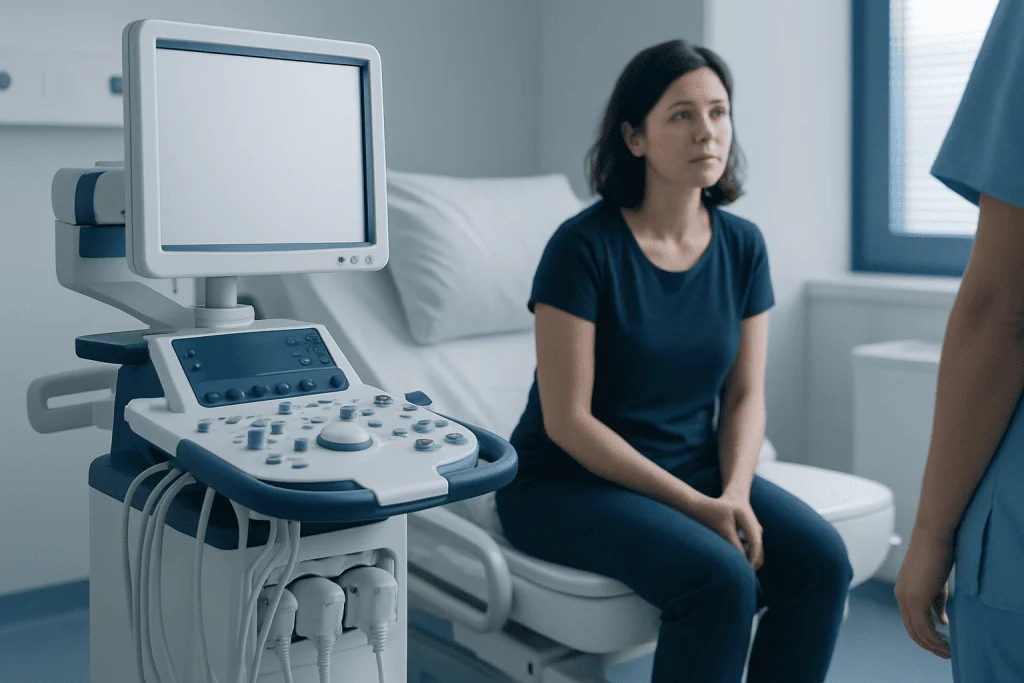
Goosebumps occur when tiny muscles at the base of hair follicles contract. This response is controlled by the sympathetic nervous system, often called part of the body’s automatic “fight-or-flight” system. It can be triggered by cold, emotion, pain, sudden relief, or temporary changes in the body’s internal signals.
During urination, the bladder and nervous system coordinate closely. As a full bladder empties, signals involving the spinal cord, brain, and autonomic nerves change quickly. Some people may experience a brief chill, shiver, or goosebumps as part of this transition. This is sometimes informally called a “pee shiver,” although not everyone experiences it and the exact mechanism is not fully established.
Bowel movements can also activate autonomic reflexes. Bearing down, especially with constipation, can stimulate the vagus nerve and may temporarily lower heart rate or blood pressure. This may cause warmth, sweating, nausea, lightheadedness, or goosebumps in some people. A brief episode that resolves once the bowel movement is finished is often benign, but repeated symptoms should not be ignored.
Common triggers during urination and bowel movements
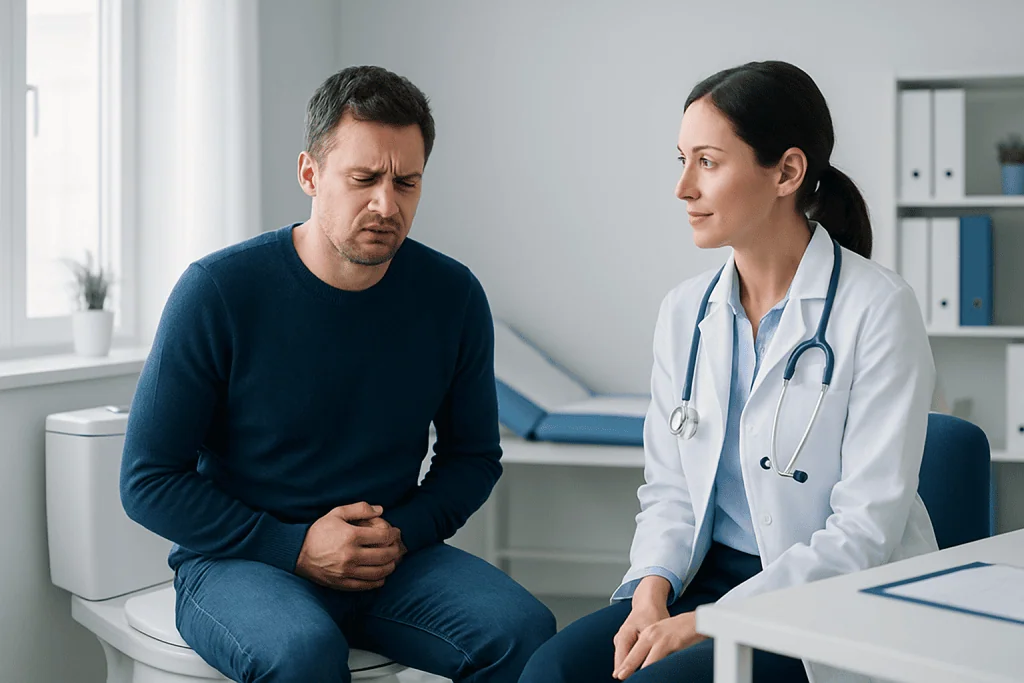
Bathroom-related goosebumps can have more than one trigger. The most likely explanation is often a combination of normal bodily reflexes and the immediate environment. A person may notice it only at certain times of day, after holding urine for a long period, or when using a colder bathroom.
- Temperature changes: Exposed skin and cooler air can naturally provoke goosebumps.
- A very full bladder: Strong bladder sensations and the release that follows emptying may prompt an autonomic response.
- Straining: Pushing hard during a bowel movement can affect vagal activity and blood pressure briefly.
- Stress or anxiety: Emotional arousal can heighten awareness of normal physical sensations.
- Dehydration: Concentrated urine and constipation can make urination or bowel movements less comfortable and increase straining.
- Rapid standing or position changes: Moving quickly after using the toilet may contribute to lightheadedness in susceptible people.
It can help to observe whether goosebumps happen only during urination, only with bowel movements, or in both situations. A pattern involving pain, fever, or other symptoms is more informative for a clinician than goosebumps alone.
Could goosebumps signal a medical problem?
Goosebumps by themselves do not diagnose a urinary tract infection, kidney problem, bowel disorder, or neurological condition. Still, a medical issue may be present if goosebumps occur alongside symptoms that are not expected with normal bladder or bowel emptying.
For example, burning with urination, a frequent urgent need to urinate, cloudy or foul-smelling urine, lower abdominal discomfort, or fever can occur with a urinary tract infection. Pain in the side or back, fever, vomiting, or feeling significantly unwell needs prompt assessment because these symptoms can occur with more serious urinary infections. People with recurring urinary symptoms may need evaluation for conditions such as urinary tract infections.
Constipation, painful stools, diarrhea, rectal bleeding, or abdominal pain can also make bathroom experiences more difficult. Straining may trigger a vasovagal reaction, causing dizziness, nausea, sweating, or a feeling of almost fainting. Severe pain, repeated near-fainting, or any loss of consciousness should be medically evaluated rather than assumed to be a harmless response.
Rarely, recurrent unexplained episodes may warrant review for medication effects, blood-pressure regulation problems, autonomic nervous-system disorders, or other health conditions. A clinician can assess the full symptom pattern, medical history, and any necessary testing.
How clinicians assess the symptom
A clinician will usually begin by asking when the goosebumps occur and whether they are linked to urination, bowel movements, temperature, stress, or position changes. They may ask about urinary symptoms, stool pattern, fluid intake, medications, recent illness, pregnancy, neurological symptoms, and episodes of dizziness or fainting.
Depending on the accompanying symptoms, assessment may include a physical examination, blood-pressure and pulse measurements, and a urine test. A urine sample can help look for infection, blood, glucose, or other abnormalities. Further tests are not usually necessary for isolated, brief goosebumps with no concerning features.
If symptoms suggest constipation or another digestive issue, the clinician may discuss diet, bowel habits, and medicines that can affect the gut. If there are repeated urinary symptoms or complications, referral to a urology specialist may be appropriate. Evaluation is individualized, with the goal of identifying treatable causes while avoiding unnecessary tests.
Practical self-care and prevention
When goosebumps are brief and not accompanied by concerning symptoms, simple measures may reduce how often they occur. Staying comfortably warm in the bathroom, rising slowly after using the toilet, and allowing enough time to empty the bladder or bowels without rushing can be helpful.
Good hydration supports normal bladder function and can help prevent hard stools. Regular meals containing fiber-rich foods, along with appropriate fluids and activity, may reduce constipation and the need to strain. People should avoid prolonged straining; if stool is hard or difficult to pass, a healthcare professional can advise on safe options for constipation management.
It may also be useful to keep a short symptom record for one to two weeks. Note the timing, whether the episode happened while urinating or passing stool, how long it lasted, and any associated pain, fever, dizziness, or changes in urine or stool. This information can make a medical consultation more productive.
People who repeatedly feel faint should sit down promptly, avoid locking the bathroom door if possible, and seek clinical advice. They should not drive or undertake hazardous activities immediately after an episode of dizziness or near-fainting.
When to seek medical care
Seek urgent medical care for goosebumps or chills with a high fever, severe abdominal, pelvic, back, or side pain, vomiting, confusion, inability to pass urine, or a feeling of being seriously unwell. Urgent assessment is also important after fainting, especially if there was an injury, chest pain, shortness of breath, palpitations, or a prolonged recovery.
Arrange a routine medical appointment if goosebumps are frequent, newly persistent, distressing, or accompanied by burning urination, urinary urgency, blood in the urine, recurring constipation, diarrhea, blood in the stool, unexplained weight change, numbness, weakness, or repeated dizziness. These symptoms do not always indicate a serious condition, but they should be checked.
Acibadem International’s multidisciplinary specialists and JCI-accredited hospitals can assess urinary, digestive, and fainting-related symptoms for international patients when further evaluation is needed. The most appropriate care depends on the person’s complete symptoms and medical history.
Frequently asked questions
Why do I get goosebumps when I pee?
Goosebumps when urinating are commonly a brief autonomic nervous-system response as the bladder empties. Cool air, a very full bladder, and rapid changes in body signals may contribute. If there is no pain, fever, or other symptom, it is usually not concerning.
Are goosebumps in the toilet a sign of a urinary tract infection?
Goosebumps alone are not a typical way to diagnose a urinary tract infection. A UTI is more likely when there is burning during urination, frequent or urgent urination, lower abdominal discomfort, cloudy urine, or fever. A clinician can test a urine sample if infection is suspected.
Can pooping cause chills or goosebumps?
Yes. Straining during a bowel movement can stimulate the vagus nerve and briefly affect blood pressure or heart rate, which may cause chills, sweating, nausea, or lightheadedness. Repeated episodes, severe symptoms, or fainting should be discussed with a healthcare professional.
What is a vasovagal response during a bowel movement?
A vasovagal response is an automatic reflex that can lower heart rate and blood pressure for a short time. It may be triggered by pain, emotional stress, or straining during a bowel movement. Symptoms can include dizziness, sweating, nausea, tunnel vision, and occasionally fainting.
Should I worry if I feel dizzy after using the toilet?
Brief mild dizziness can occur after straining or standing up quickly, but it should not be frequent or severe. Sit or lie down safely if dizziness occurs and stand slowly afterward. Medical review is important for repeated near-fainting, fainting, chest symptoms, or symptoms that occur with significant pain or bleeding.
How can I reduce goosebumps and discomfort in the bathroom?
Keeping the bathroom warm, drinking enough fluids, avoiding prolonged urine holding, and preventing constipation may help. Try not to strain during bowel movements, and rise slowly after using the toilet. Seek advice if symptoms persist or occur with urinary, bowel, fever, or fainting symptoms.
References
- National Institute of Diabetes and Digestive and Kidney Diseases
- National Institute of Neurological Disorders and Stroke
- Mayo Clinic
- Cleveland Clinic
This article is for general information only and is not a substitute for professional medical advice. Please consult a qualified doctor about your individual situation.
Hair transplant in Turkey — costs, graft counts & a free assessment
JCI-accredited · board-certified surgeons · reply within 24h
Check your numbers in seconds
BMI, calories, due date, blood pressure and 30+ more clinical calculators — free, instant, doctor-reviewed ranges.