Percutaneous Endoscopic Gastrostomy: Preparation, Procedure and Results
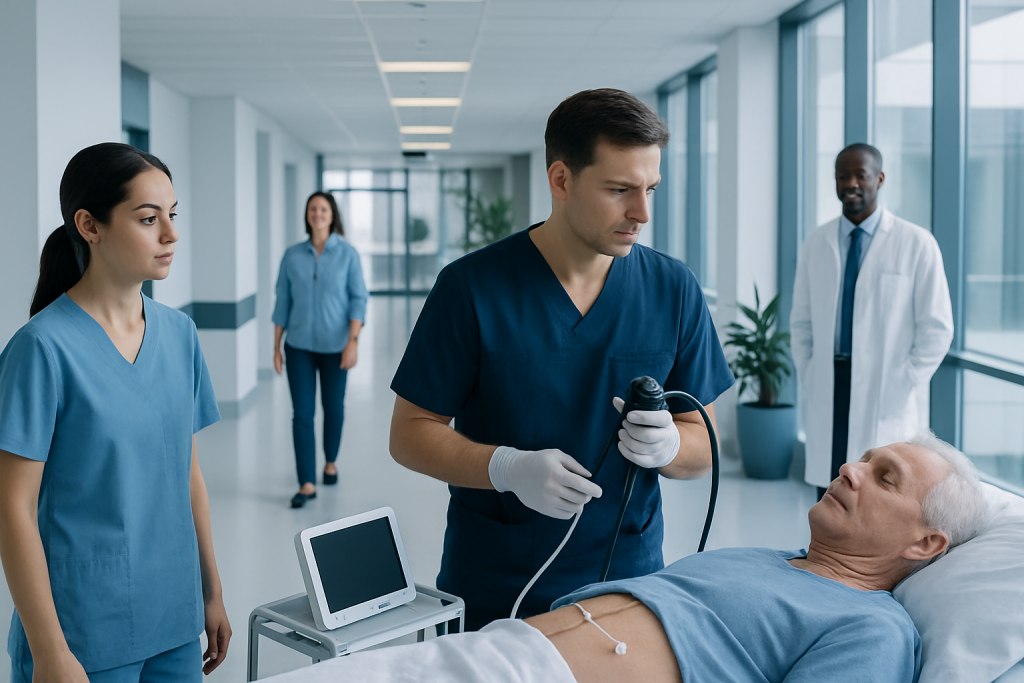
PEG is usually considered when nutritional support is needed for weeks or longer and the stomach and intestines can work normally. The tube is placed using an endoscope, typically with sedation, and the procedure commonly takes less than an hour.
Key Takeaways
- PEG is usually considered when nutritional support is needed for weeks or longer and the stomach and intestines can work normally.
- The tube is placed using an endoscope, typically with sedation, and the procedure commonly takes less than an hour.
- Many people can continue to eat or drink by mouth if swallowing is safe, but this depends on the underlying condition and swallowing assessment.
- Most PEG-related problems are manageable, but infection, tube blockage, leakage and aspiration require prompt clinical advice.
- PEG decisions should include the patient whenever possible, along with family, nutrition, swallowing and medical specialists.
Percutaneous endoscopic gastrostomy, often called PEG, is a procedure that places a feeding tube directly into the stomach through the abdominal wall. It can support nutrition, hydration and medication delivery when a person cannot safely eat or drink enough by mouth for an extended period.
Overview: how percutaneous endoscopic gastrostomy works
Percutaneous endoscopic gastrostomy (PEG) is a minimally invasive procedure used to create a direct route to the stomach for liquid nutrition, fluids and medicines. A flexible camera tube called an endoscope is passed through the mouth into the stomach. The clinician uses its light and camera to identify a suitable position on the abdominal wall, then places a soft feeding tube through a small opening in the skin and into the stomach.
PEG does not treat the illness that has affected eating or swallowing. Instead, it helps meet nutritional needs while the underlying condition is assessed, treated or managed. It may be temporary, such as during recovery from treatment, or longer term when swallowing problems are expected to persist.
Because the tube delivers feed into the stomach, digestion can continue in the usual way. A PEG tube may be appropriate for people with conditions that interfere with swallowing, including neurological disorders, some head and neck cancers, or severe illness that has made oral intake insufficient. For related swallowing problems, readers may also find information about dysphagia helpful.
Who may benefit from a PEG tube
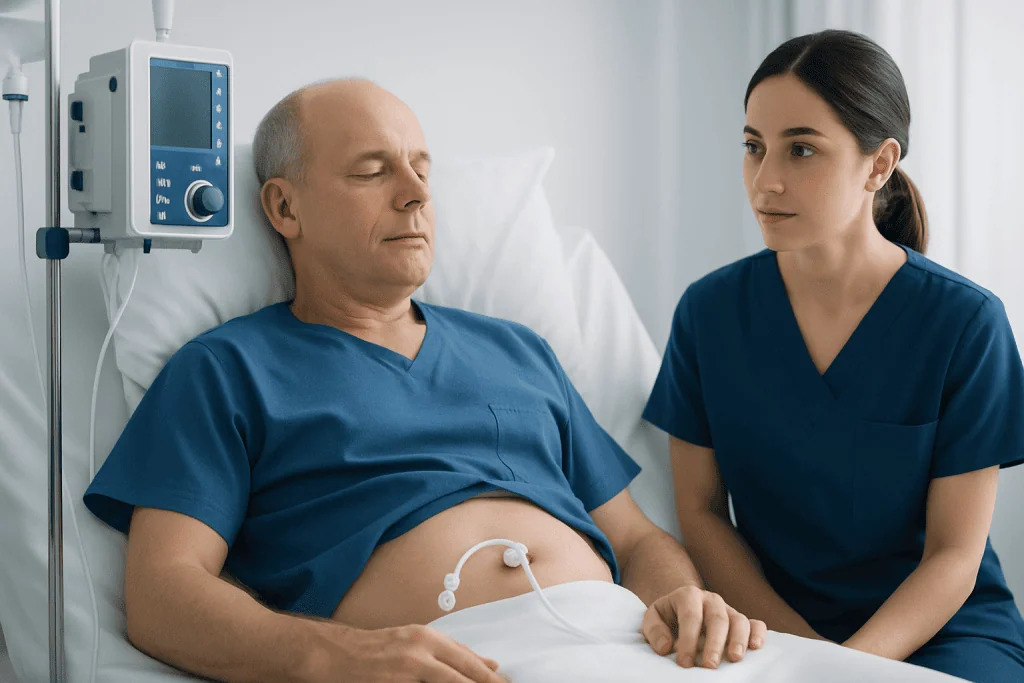
A PEG tube may be discussed when a person is unable to consume enough food and fluid by mouth, but their digestive tract can absorb nutrition. Common reasons include stroke-related swallowing difficulty, progressive neurological conditions, certain cancers involving the mouth or throat, major injury, or prolonged critical illness. The decision is individual and considers the likely duration of feeding support, overall health, goals of care and the person’s wishes.
Before recommending PEG, the clinical team usually considers alternatives. These can include dietary adjustments, swallowing therapy, oral nutrition supplements, or a nasogastric tube passed through the nose for short-term feeding. PEG is generally not suitable when there is a severe problem with stomach or intestinal function, uncorrected bleeding risk, certain abdominal infections, or when the expected benefits do not align with a person’s care goals.
Assessment often involves a gastroenterologist, dietitian, speech and language therapist or swallowing specialist, nurse and the clinician treating the underlying illness. If the person has difficulty making or communicating decisions, the team works with the legally appropriate representative while aiming to reflect the person’s known preferences.
What are the steps involved in a PEG procedure?
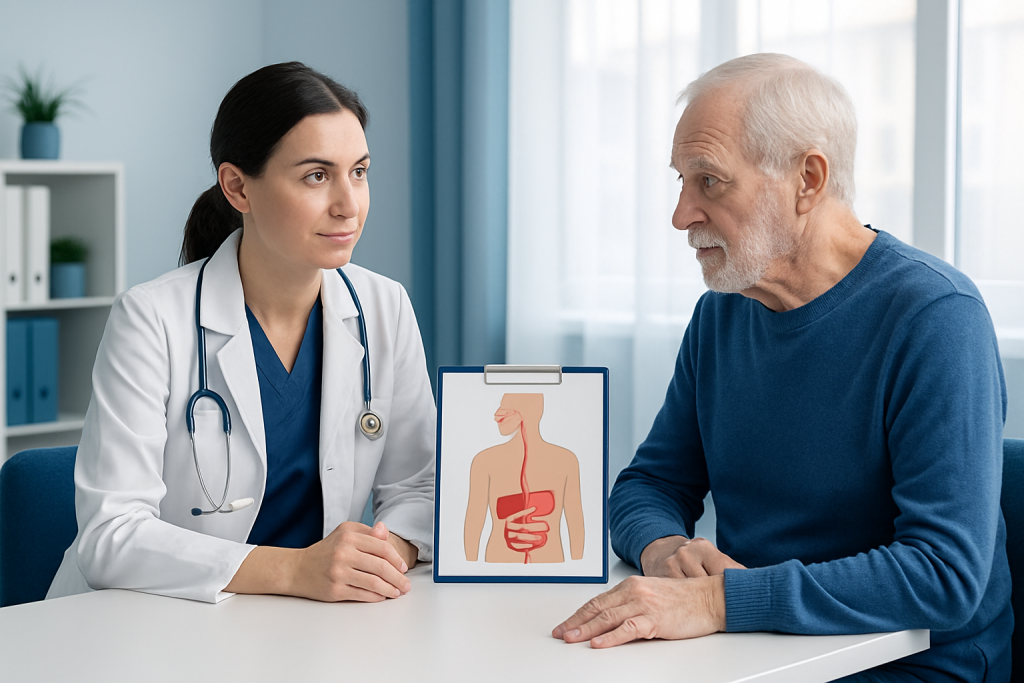
Preparation usually includes a medical review, medication check and discussion of allergies, previous abdominal surgery and bleeding risks. Blood-thinning medicines may need specific management, but they should never be stopped without instructions from the prescribing clinician. The patient is commonly asked not to eat or drink for a period before the procedure, according to the hospital’s guidance.
During the procedure, monitoring equipment tracks breathing, pulse and blood pressure. Sedation and local anaesthetic are commonly used, although the exact approach depends on the person’s health and the planned technique. The endoscope is guided through the mouth and oesophagus into the stomach, allowing the clinician to view the stomach lining from inside.
After selecting a safe site, the skin is cleaned and numbed. A small incision is made in the abdomen, and the tube is passed into the stomach under endoscopic guidance. An internal and external retention device holds it in place. The endoscope is then removed, and a dressing may be applied around the new tube site.
The procedure itself often takes less than an hour, though preparation and recovery monitoring take longer. In some situations, a different approach to gastrostomy placement may be recommended. Patients should ask their treating team which method is planned and why it is appropriate for them.
Recovery timeline, feeding and daily tube care
After PEG placement, the patient is observed as sedation wears off and the tube site is checked. Mild soreness or tenderness around the abdomen can occur during the first few days. The care team decides when it is safe to begin using the tube; timing varies according to the procedure, the person’s condition and local clinical protocols.
A dietitian develops an individual feeding plan, including the type of formula, amount, rate and water flushes. Nurses teach the patient and caregivers how to give feed and medicines, flush the tube, protect the skin and recognize concerns. Medication should not be crushed or put through a PEG tube unless a pharmacist or clinician confirms that it is safe and suitable.
Daily care usually includes hand hygiene, checking the skin for redness or leakage, gently cleaning and drying the area as instructed, and flushing the tube before and after feed or medication. Once the tract has healed, the team may advise routine tube movement or rotation for certain tube types. Instructions differ by device, so the specific plan from the clinical team should be followed.
Acibadem International’s multidisciplinary specialists and JCI-accredited hospitals support assessment, PEG placement and follow-up care for international patients when clinically appropriate.
Can you eat normally after PEG?
Some people can continue to eat and drink by mouth after PEG placement, while others cannot. The answer depends mainly on swallowing safety, nutritional needs and the condition that led to PEG. The presence of a PEG tube does not automatically mean that a person must stop eating orally.
When swallowing is safe, the tube may supplement regular meals, fluids or medicines while appetite and intake are limited. When swallowing is unsafe, eating or drinking can allow food or liquid to enter the airway and lungs, which may cause aspiration. A swallowing assessment can help determine which foods, drinks and textures are appropriate.
Even when oral eating is permitted, nutrition through the tube may still be needed to meet calorie, protein and fluid requirements. The dietitian and swallowing team review progress and may adjust the plan as recovery or illness changes. People should not restart oral food or fluid independently after a period of restriction.
What is the success rate of a percutaneous endoscopic gastrostomy?
PEG placement is generally a technically successful procedure when a person has been carefully assessed and there is a safe route to the stomach. However, a single success rate does not fully describe the outcome, because success also means whether the tube provides useful nutrition, is tolerated and supports the person’s individual care goals.
Outcomes are strongly influenced by the underlying condition, nutritional status, swallowing function and overall medical stability. For example, a person receiving treatment for a condition expected to improve may use PEG as temporary support, while someone with a progressive illness may require longer-term feeding planning. The procedure itself cannot reverse the cause of swallowing difficulty.
The treating team can explain the expected benefits and limitations in the individual situation. They may also discuss whether nutritional support is likely to improve comfort, recovery, treatment tolerance or quality of life, and how the plan will be reviewed over time.
What can go wrong with PEG feeding?
PEG feeding is widely used, but complications can occur. Early concerns include discomfort, bleeding, infection around the tube site, reaction to sedation, and accidental injury to nearby structures, although careful technique and assessment are intended to reduce these risks. Later issues may include tube blockage, leakage, skin irritation, granulation tissue, accidental dislodgement or damage to the tube.
Feed-related problems can include nausea, bloating, abdominal cramps, constipation, diarrhoea or reflux. These may relate to the feed formula, feeding speed, medication, hydration, infection or the underlying illness. A dietitian or clinical team can often adjust the feeding plan rather than stopping feeds without advice.
A PEG tube does not fully remove the risk of aspiration, particularly if stomach contents reflux into the throat or if oral secretions are inhaled. Keeping the upper body elevated during feeding and for the period advised afterward, using the prescribed feeding method, and following oral-care guidance can help reduce risk.
Urgent advice is needed for severe or worsening abdominal pain, fever, spreading redness, pus-like drainage, significant bleeding, persistent vomiting, a tube that has fallen out, inability to flush the tube, or breathing difficulty. A newly placed tube should not be reinserted at home unless a trained clinician has given explicit instructions.
When to seek medical care
Medical advice should be sought promptly if a person is losing weight, becoming dehydrated, coughing or choking with meals, repeatedly developing chest infections, or cannot take essential medicines safely by mouth. These symptoms may indicate swallowing difficulty or inadequate nutrition and deserve a professional assessment.
After PEG placement, the care team should be contacted for increasing pain, redness, swelling, leakage, foul-smelling discharge, fever, new feeding intolerance or persistent diarrhoea. Emergency evaluation is important for severe abdominal pain, black or bloody stools, major bleeding, sudden breathing problems, confusion, or signs of severe allergic reaction.
Regular follow-up helps ensure the tube remains suitable, feeding meets nutritional needs and the skin stays healthy. If swallowing improves, the team can reassess whether the PEG is still needed and explain safe removal. Patients and caregivers should keep the emergency contact details provided by their hospital readily available.
Frequently asked questions
Is percutaneous endoscopic gastrostomy painful?
The procedure is commonly performed with sedation and local anaesthetic, so significant pain during placement is usually limited. Mild abdominal soreness around the tube site is common afterward and often improves over several days. The care team can recommend suitable pain relief if needed.
How long does a PEG tube stay in place?
A PEG tube can stay in place for as long as nutritional support is needed, ranging from weeks to months or longer. The tube and its retention device may need planned replacement depending on the type used. Follow-up appointments help determine whether it remains necessary and is functioning safely.
Can a PEG tube be removed?
Yes. If swallowing and nutritional intake improve, the clinical team may recommend removal. The small opening in the abdominal wall often closes naturally after removal, although healing should be monitored and individual circumstances vary.
Can medicines be given through a PEG tube?
Many medicines can be given through a PEG tube, but not every formulation is appropriate. Some tablets must not be crushed, and medicines may need to be given separately with water flushes to prevent blockage or interactions. A pharmacist, nurse or doctor should provide medicine-specific instructions.
How can a blocked PEG tube be prevented?
Regular flushing with the amount of water advised by the care team is an important preventive step, especially before and after feeds and medicines. Medicines should be prepared only as instructed and should not be mixed with feed unless advised. If the tube becomes difficult to flush, the care team should be contacted rather than using force or improvised tools.
Does PEG feeding improve quality of life?
It may improve comfort and daily functioning for some people by helping them receive nutrition, fluids and medicines when oral intake is inadequate. Its effect on quality of life differs between individuals and depends on the underlying condition, symptoms, prognosis and personal priorities. Shared decision-making is important before placement and throughout PEG use.
References
- American Society for Gastrointestinal Endoscopy
- European Society for Clinical Nutrition and Metabolism
- National Institute for Health and Care Excellence
- National Institute of Diabetes and Digestive and Kidney Diseases
- World Gastroenterology Organisation
This article is for general information only and is not a substitute for professional medical advice. Please consult a qualified doctor about your individual situation.
Persistent digestive symptoms? Get evaluated in Turkey
JCI-accredited · board-certified surgeons · reply within 24h
Check your numbers in seconds
BMI, calories, due date, blood pressure and 30+ more clinical calculators — free, instant, doctor-reviewed ranges.