Sesamoiditis Treatment: How It Works, Results and What to Expect
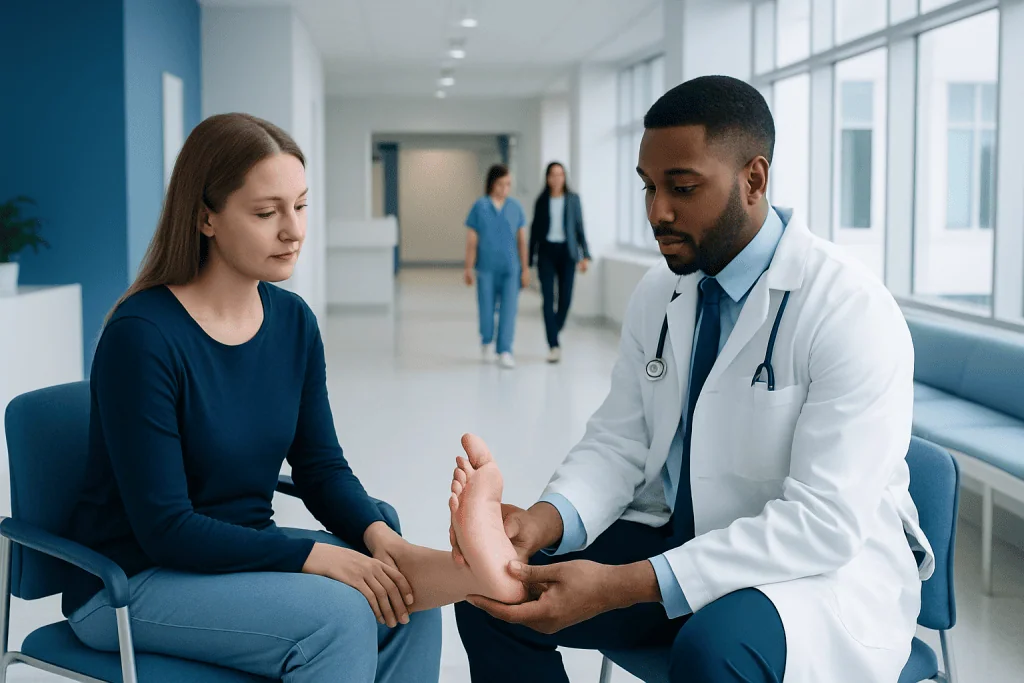
Sesamoiditis is an overuse-related irritation of tissues around the sesamoid bones under the big-toe joint. Treatment generally starts with reducing painful impact activities, protecting the area and improving footwear support.
Key Takeaways
- Sesamoiditis is an overuse-related irritation of tissues around the sesamoid bones under the big-toe joint.
- Treatment generally starts with reducing painful impact activities, protecting the area and improving footwear support.
- Recovery time varies with symptom severity, activity demands and whether a stress fracture or another cause of pain is present.
- Walking may be possible if it does not increase pain, but some people need a boot, stiff-soled shoe or temporary crutches.
- Surgery is uncommon and is generally considered only when persistent symptoms do not respond to comprehensive non-surgical care.
Sesamoiditis treatment is usually non-surgical and aims to reduce pressure and inflammation around the small sesamoid bones beneath the big toe. With timely offloading, supportive footwear and a gradual return to activity, many people improve without an operation, although recovery can take weeks to months.
Sesamoiditis Treatment: How It Works
Sesamoiditis treatment works by taking pressure off the painful area beneath the big toe while the irritated bone, tendon and surrounding soft tissues recover. The first-line approach is usually non-surgical: modifying activities, using footwear or inserts that redistribute pressure, and gradually restoring movement and strength. The aim is not simply to suppress pain, but to address the repeated loading that caused or maintained it.
The sesamoids are two small bones embedded in the tendons under the first metatarsophalangeal joint, the joint at the base of the big toe. They help the toe bend and provide leverage during push-off when walking, running or jumping. Repetitive stress can inflame the tissues around them, producing pain that is typically felt under the ball of the foot near the big toe.
A clinician may recommend a short period of relative rest, ice after activity, and pain-relieving or anti-inflammatory medicines when appropriate for the individual. Taping, a stiff-soled shoe, a walking boot, or a custom orthotic with a sesamoid cut-out can limit big-toe motion and unload the tender area. A tailored plan is important because pain in this location can also result from a stress fracture, arthritis, tendon injury or a bipartite sesamoid.
Who May Benefit From Treatment and Assessment
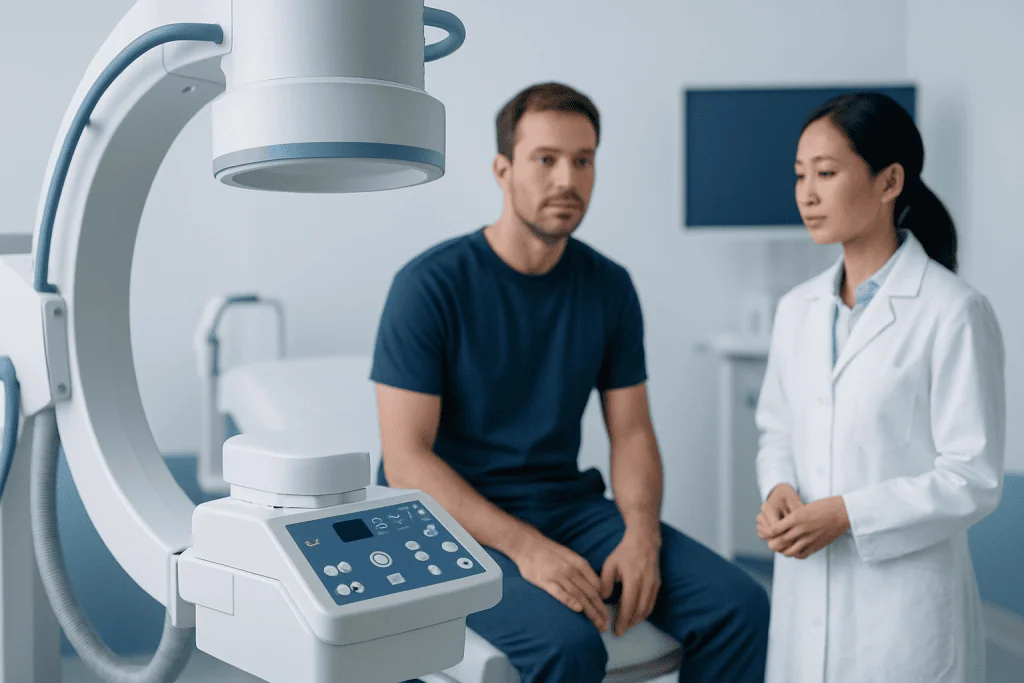
Anyone with pain beneath the big-toe joint that develops with walking, running, dancing, jumping or wearing high-heeled shoes may benefit from medical assessment. Sesamoiditis is more common in people whose activities involve repetitive forefoot loading, including runners, dancers and athletes, but it can affect people of any activity level.
Factors that can increase strain on the sesamoids include a sudden increase in training, hard surfaces, poorly cushioned footwear, high heels, limited ankle flexibility, a high foot arch, a prominent big-toe joint, or altered foot mechanics. A previous injury and certain inflammatory joint conditions can also contribute. Identifying these factors helps make treatment more effective and lowers the chance of symptoms returning.
Prompt assessment is particularly helpful after a direct injury, when pain is severe, or when bearing weight is difficult. A specialist may also consider related forefoot conditions, including bunions, if the alignment of the big toe is contributing to pressure beneath the joint.
How Sesamoiditis Is Diagnosed
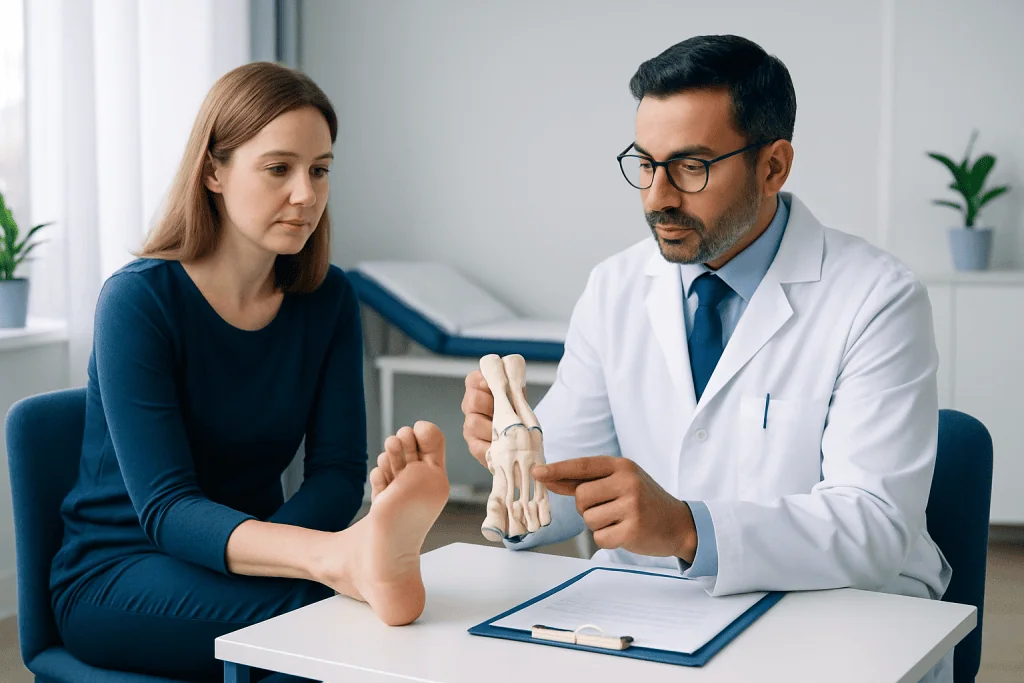
Diagnosis begins with a history of symptoms, recent activity changes, footwear, injuries and medical conditions. During the examination, the clinician checks for localized tenderness under the big toe, swelling, pain with toe movement, changes in walking pattern and signs of altered foot alignment. Comparing both feet can help distinguish a normal anatomical variation from an injury.
X-rays are often used to evaluate the sesamoid bones and joint alignment and to look for fracture, arthritis or other bone changes. Because some people naturally have a sesamoid formed from two parts, images of the opposite foot may be helpful. Early stress fractures may not show clearly on a plain X-ray.
If symptoms persist, are unusually severe, or the diagnosis remains uncertain, magnetic resonance imaging or a bone scan may be considered. These tests can show inflammation, bone stress injury, tendon problems and reduced blood supply to a sesamoid. Accurate diagnosis guides the appropriate level of protection and avoids returning to impact activity too soon.
Treatment Plan: Step by Step
Step 1: Reduce the provoking load. Running, jumping, hill work, dance movements and other activities that cause push-off pain are usually paused or modified. Depending on pain severity, lower-impact exercise such as swimming or cycling may be suitable after discussion with a clinician. Complete inactivity is not always necessary, but continuing activities that repeatedly worsen pain can delay recovery.
Step 2: Protect and offload the joint. A wide, supportive shoe with a stiff or rocker-style sole may reduce bending at the big toe. Pads, taping and orthotic inserts can shift pressure away from the sesamoids. When walking is painful, a removable walking boot or a period of reduced weight-bearing may be recommended. These measures are selected according to the diagnosis, daily needs and severity of symptoms.
Step 3: Restore function gradually. Once pain settles, physical therapy may focus on calf flexibility, foot and ankle strength, balance, gait and a gradual return to sport-specific movement. The clinician may also review training volume and footwear to prevent recurrence. Corticosteroid injection is not routine and is considered cautiously in selected cases because injections around the sesamoid complex may carry tissue-related risks.
Step 4: Consider surgery only when needed. Surgery is uncommon for uncomplicated sesamoiditis. It may be discussed if prolonged, well-supervised non-surgical treatment has not relieved disabling symptoms, or if imaging identifies a problem such as a non-healing fracture. Procedures depend on the underlying issue and can include removal of one sesamoid in carefully chosen situations. Foot and ankle specialists can discuss potential effects on big-toe alignment and function before any decision is made.
Benefits, Risks and Expected Results
The main benefits of conservative sesamoiditis treatment are pain reduction, improved walking comfort and a return to normal activities without surgery. Protecting the joint early may also reduce the risk of a more significant bone stress injury. Results are usually gradual because the sesamoids bear force during every step.
There are practical trade-offs. A boot, stiff shoe or reduced activity can feel limiting in the short term, and returning to impact exercise too early can trigger symptoms again. Anti-inflammatory medicines are not suitable for everyone and should be discussed with a doctor or pharmacist, especially by people with kidney disease, stomach ulcers, cardiovascular disease, pregnancy or medication interactions.
Surgery has additional risks, such as infection, nerve irritation, stiffness, persistent pain and changes in big-toe alignment or push-off strength. For this reason, it is generally reserved for selected cases after careful imaging and specialist review. Most treatment plans prioritize structured non-surgical care first.
Recovery Timeline and Return to Activity
Recovery is individual. Mild symptoms may improve over several weeks when aggravating activity is stopped and pressure is effectively redistributed. More persistent cases, or those involving a stress reaction or fracture, may need several months of protection and progressive rehabilitation. The most reliable guide is improving symptoms and function rather than a fixed calendar date.
Return to activity should be gradual. A person is typically advised to wait until everyday walking and big-toe movement are comfortable before restarting impact exercise. Training can then be increased in stages, with rest days and close attention to pain during activity and the following day. Recurrent pain is a sign to reduce the load and seek advice.
Long-term self-care commonly includes supportive footwear, replacing worn-out athletic shoes, avoiding sudden training increases, maintaining calf and foot strength, and using prescribed inserts if they are helpful. Acibadem International’s multidisciplinary specialists at JCI-accredited hospitals can assess foot pain and coordinate orthopedic, imaging and rehabilitation care for international patients.
When to Seek Medical Care
Medical assessment is advisable when pain under the big toe lasts longer than a few days despite reducing activity, interferes with normal walking, or returns repeatedly. Early evaluation is especially useful for athletes and dancers who need a safe return-to-training plan, since a stress fracture can resemble sesamoiditis.
More urgent care is appropriate after a significant injury, sudden severe pain, inability to bear weight, visible deformity, marked swelling, numbness, a cold or discolored toe, fever, or an open wound. People with diabetes, poor circulation, reduced sensation in the feet or immune-system conditions should seek advice promptly for new foot pain or skin changes.
A clinician can also help when over-the-counter measures have not improved symptoms, when footwear changes are not enough, or when there is concern about another source of forefoot pain. Evaluation should guide treatment rather than relying on self-diagnosis alone.
Frequently asked questions
How long does it take to get rid of sesamoiditis?
Sesamoiditis may improve within several weeks when the painful area is protected and the triggering activity is reduced. More established symptoms can take several months, particularly if there is a bone stress injury or continued pressure on the forefoot. A clinician can help set a safe return-to-activity plan based on symptoms and examination findings.
Is it okay to walk with sesamoiditis?
Walking may be acceptable when it causes little or no pain and does not worsen symptoms afterward. However, painful walking can prolong irritation, so a clinician may recommend a stiff-soled shoe, padding, a walking boot or temporarily reduced weight-bearing. Impact activities such as running and jumping usually need to be paused until symptoms improve.
What is the fastest way to cure sesamoiditis?
There is no instant cure, but early offloading is often the most effective way to support recovery. Stopping painful impact activity, wearing appropriate supportive footwear, using prescribed padding or orthotics, and following a gradual rehabilitation plan can help symptoms settle. Trying to train through pain is more likely to delay improvement.
How bad can sesamoiditis get?
Untreated sesamoiditis can become persistent and make walking, exercise and wearing certain shoes uncomfortable. Continued loading may also contribute to a bone stress injury in some cases. Severe pain, inability to bear weight, or symptoms after an injury should be assessed to rule out fracture or another condition.
Can sesamoiditis heal without surgery?
Yes. Most people are managed without surgery through activity modification, offloading, supportive footwear and rehabilitation. Surgery is usually considered only for ongoing, disabling symptoms that have not responded to appropriate conservative treatment or when a specific structural problem is present.
Should sesamoiditis be treated with ice or heat?
Ice may provide short-term comfort after activity or when the area feels sore or swollen. Heat is sometimes used for muscle stiffness, but it does not correct pressure on the sesamoids. The main treatment is reducing painful loading and following a clinician's plan for footwear, support and return to activity.
References
- American Academy of Orthopaedic Surgeons
- American Orthopaedic Foot & Ankle Society
- National Institute of Arthritis and Musculoskeletal and Skin Diseases
- Mayo Clinic
This article is for general information only and is not a substitute for professional medical advice. Please consult a qualified doctor about your individual situation.
Joint and spine care in Turkey — expert assessment & treatment
JCI-accredited · board-certified surgeons · reply within 24h