Heart Valve Leakage: An Evidence-Based Patient Guide

Heart valve leakage can affect the mitral, aortic, tricuspid or pulmonary valve. Many people with mild leakage have no symptoms and remain well with regular monitoring.
Key Takeaways
- Heart valve leakage can affect the mitral, aortic, tricuspid or pulmonary valve.
- Many people with mild leakage have no symptoms and remain well with regular monitoring.
- Echocardiography is the main test used to confirm leakage and assess its severity.
- Treatment depends on the valve involved, symptoms, heart size and pumping function, and the cause of leakage.
- New or worsening breathlessness, chest pain, fainting or rapid swelling needs prompt medical assessment.
Heart valve leakage, also called valve regurgitation, means a heart valve does not close fully and allows some blood to flow backward. Mild leakage may only need follow-up, while more significant leakage can require medicines, valve repair or valve replacement to protect the heart over time.
Heart valve leakage: what it means
Heart valve leakage is a common term for heart valve regurgitation. It happens when one of the heart’s four valves does not close tightly enough, allowing part of the blood to move backward rather than forward with each heartbeat. The heart can often compensate for a small leak, particularly when it develops slowly.
The condition may involve the mitral valve between the left atrium and left ventricle, the aortic valve between the left ventricle and the aorta, or less commonly the tricuspid or pulmonary valve on the right side of the heart. The significance of a leak is not determined by symptoms alone. Its severity, cause, effect on heart chambers and changes over time all guide care.
Some valve leakage is found incidentally during an examination or echocardiogram and never causes problems. Other cases gradually place extra work on the heart and can eventually contribute to symptoms or reduced heart function. Regular, individualized follow-up helps identify when treatment may be useful.
Symptoms and everyday effects
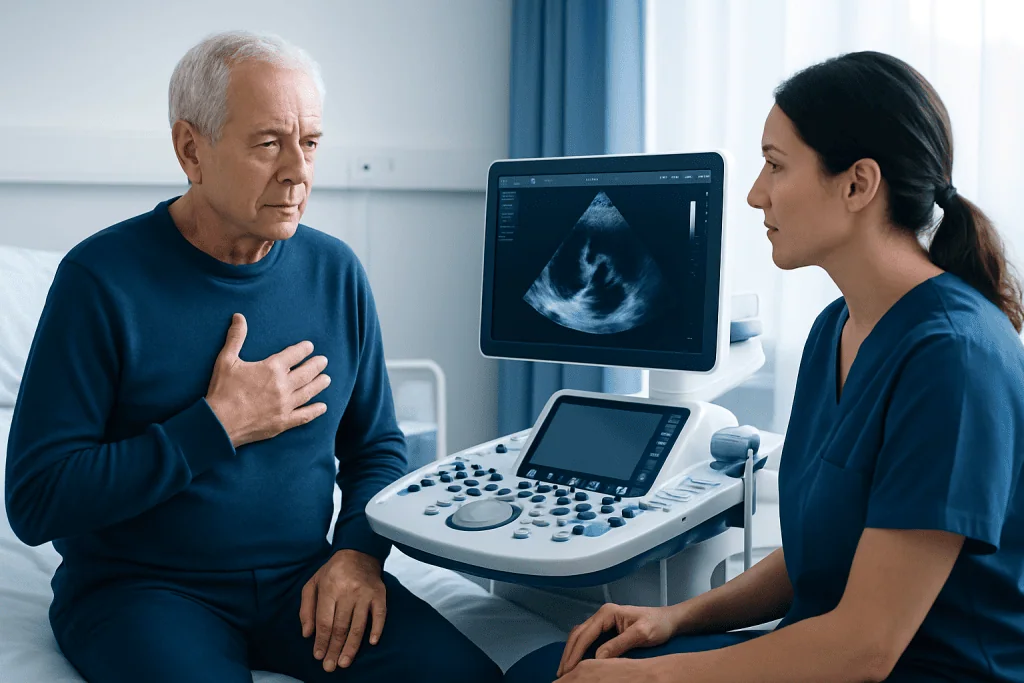
Mild heart valve leakage often causes no noticeable symptoms. When leakage becomes more significant, the body may have difficulty keeping up with the extra workload on the heart. Symptoms can appear gradually and may be mistaken for reduced fitness, stress or aging.
Possible symptoms include shortness of breath during activity or when lying flat, fatigue, reduced exercise tolerance, awareness of a fast or irregular heartbeat, dizziness, ankle or leg swelling, and chest discomfort. A clinician may hear a heart murmur, a sound made by turbulent blood flow, during a routine examination.
Symptoms do not always match the degree of leakage. Someone can have important valve disease with few symptoms, while another person may have symptoms related to a separate heart or lung condition. This is why assessment with a clinician and imaging is important rather than relying on symptoms alone.
Changes worth reporting include a clear drop in activity tolerance, new palpitations, swelling, unexplained weight gain over a few days, or breathlessness that interferes with usual activities.
Causes and risk factors

Heart valve leakage can be present from birth or develop later in life. Common causes include age-related valve changes, enlargement of the heart chambers, high blood pressure, prior heart attack, coronary artery disease, infection of a heart valve, rheumatic heart disease, or diseases affecting connective tissue. A weakened or enlarged heart can stretch the valve ring and prevent otherwise normal valve leaflets from closing fully.
Mitral valve leakage may occur when the valve leaflets prolapse, when supporting structures are damaged, or when the left ventricle enlarges. Aortic valve leakage can result from changes in the valve itself or enlargement of the first part of the aorta. Tricuspid leakage is frequently associated with enlargement of the right side of the heart or elevated pressure in the lung circulation.
Risk can be influenced by factors such as longstanding uncontrolled blood pressure, prior radiation to the chest, a history of infective endocarditis, some inherited conditions, and use of certain substances or medications. Not every case is preventable, and finding a cause helps the clinical team select the most appropriate monitoring and treatment plan.
People with known valve disease should tell healthcare professionals about the condition before major procedures. Antibiotics before dental work are only recommended for selected high-risk groups, not for everyone with a valve leak.
Diagnosis and monitoring
A clinician begins by discussing symptoms, medical history and family history, then listening to the heart and checking for signs of fluid retention or irregular rhythm. A murmur can suggest valve leakage, but it cannot reliably show how severe the problem is.
An echocardiogram is the central test for diagnosing heart valve leakage. This painless ultrasound scan shows the valve structure, the direction and amount of blood flow, heart chamber size and pumping function. It also helps determine whether the leakage is mild, moderate or severe and whether it is affecting the heart.
Additional tests may include an electrocardiogram, chest X-ray, blood tests, exercise testing, transesophageal echocardiography, cardiac MRI, CT scanning or cardiac catheterization. These are used selectively when a more detailed view is needed or when planning a procedure.
Follow-up intervals vary. A person with a stable mild leak may need less frequent imaging than someone with severe leakage, enlarged heart chambers, symptoms or a change in heart rhythm. Keeping scheduled echocardiograms is one of the most effective ways to monitor a valve condition safely.
Treatment options: monitoring, medicines and valve procedures
Treatment is based on the valve involved, severity of leakage, underlying cause, symptoms, heart function and overall health. For mild, stable leakage without heart changes, watchful monitoring and management of related conditions such as high blood pressure may be all that is needed. Medicines can reduce fluid buildup, control blood pressure or heart rhythm, or support heart function, but they do not usually correct a structurally damaged valve.
When leakage is severe or begins to affect heart size, pumping function or daily life, a valve procedure may be recommended even if symptoms are limited. The goal is to address the valve before irreversible damage to the heart develops. Depending on the condition, options can include surgical valve repair, surgical replacement, or selected minimally invasive catheter-based approaches.
How a valve procedure works: Valve repair preserves the person’s own valve by reshaping leaflets, strengthening supporting structures or placing a supporting ring around the valve opening. Replacement removes or bypasses the failing valve with a mechanical or biological valve. Some people may be candidates for catheter-based repair or replacement, in which devices are delivered through blood vessels rather than a large chest incision.
Candidacy and planning: A multidisciplinary heart team considers anatomy on imaging, the affected valve, symptoms, surgical risk, other medical conditions and personal preferences. The team also discusses the likely durability of repair or replacement and whether long-term blood-thinning medicine may be needed. Acibadem International’s multidisciplinary specialists at JCI-accredited hospitals assess and treat valve disease for international patients.
What happens and recovery: Before a planned procedure, patients usually have imaging, laboratory tests and medication review. During surgery or a catheter-based procedure, the team repairs or replaces the valve and monitors heart function closely. Hospital recovery varies by approach and individual health; catheter procedures may involve a shorter stay, while open-heart surgery generally requires more recovery time. Cardiac rehabilitation, gradual activity, wound care where relevant and follow-up imaging support recovery.
Benefits and risks: Successful intervention can improve symptoms, reduce strain on the heart and help prevent progression of valve-related heart failure. Risks differ by procedure and may include bleeding, infection, stroke, abnormal rhythm, kidney problems, blood clots, device-related complications or a need for further intervention. The treating team explains expected benefits and individual risks before any decision.
Living well with a leaky heart valve
What not to do with leaky heart valves? People should not ignore new symptoms, stop prescribed medicines without advice, miss recommended follow-up imaging, or assume that a lack of symptoms means the valve does not need monitoring. They should also avoid starting intense exercise programs without discussing this with their clinician if leakage is moderate or severe, symptoms are present, or a procedure is being considered.
Avoiding tobacco and recreational stimulant drugs is important for overall heart health. Alcohol should be discussed with a clinician, particularly for people with heart rhythm problems, heart muscle weakness or fluid retention. Anyone prescribed anticoagulant medicine after a valve procedure should take it exactly as directed and check before starting new medicines, supplements or herbal products.
How to live with a leaky heart valve? Most people can continue work, family life and appropriate physical activity, guided by symptoms and medical advice. Regular appointments, blood pressure control, dental care, vaccination as recommended, sleep, stress management and gradual activity all support cardiovascular health. Keeping a record of symptoms, home blood pressure readings when advised, and medication changes can make follow-up visits more useful.
Exercise may be beneficial for many people with stable mild or moderate leakage, but the type and intensity should be individualized. A cardiologist can advise about competitive sports, heavy lifting, pregnancy planning and travel when valve leakage is significant.
Diet, outlook and when to seek medical care
What is the best diet for someone with a leaky heart valve? There is no single valve-specific diet. A heart-healthy pattern centered on vegetables, fruit, whole grains, beans, nuts, fish or other lean protein sources, and unsaturated fats can support blood pressure, cholesterol and weight management. Limiting highly processed foods, excess salt, added sugars and saturated fats is sensible; people with swelling or heart failure may need individualized sodium and fluid guidance from their clinical team.
What is the life expectancy of someone with a leaking heart valve? Life expectancy varies widely and cannot be predicted from the diagnosis alone. Many people with mild leakage and normal heart function have a normal or near-normal outlook with monitoring. More severe untreated leakage can affect health over time, but timely follow-up and appropriate repair or replacement can substantially improve symptoms and outlook for many patients.
When to seek medical care: A prompt medical review is appropriate for new or worsening breathlessness, reduced exercise tolerance, swelling, palpitations, dizziness or fainting. Emergency assessment is needed for severe chest pain, sudden severe shortness of breath, fainting, blue or gray lips, or symptoms of stroke such as facial drooping, arm weakness or difficulty speaking.
People with fever or chills plus a known valve condition, especially after a recent infection or procedure, should contact a clinician promptly because valve infection requires early assessment. A cardiologist can explain the individual outlook and recommend the safest next steps.
Frequently asked questions
Can a leaking heart valve heal on its own?
A structural valve leak usually does not fully heal on its own, although its effect can remain stable for many years. If leakage is related to a temporary problem affecting the heart, treatment of that cause may improve the degree of regurgitation. Regular echocardiograms show whether the valve and heart are remaining stable.
Is mild heart valve leakage serious?
Mild leakage is common and is often not dangerous, particularly when heart size and pumping function are normal. It still deserves appropriate follow-up because the cause and degree of leakage can change. A clinician can advise how often monitoring is needed.
Can exercise make heart valve leakage worse?
Appropriate physical activity is often safe and beneficial for people with mild, stable valve leakage. However, strenuous exercise may not be suitable for everyone, especially when leakage is severe, symptoms are present, or the heart has enlarged. A cardiologist can provide individualized activity advice.
When is surgery needed for a leaking heart valve?
Surgery or a catheter-based procedure may be recommended when leakage is severe, causes symptoms, enlarges or weakens the heart, or is likely to lead to lasting heart damage. The exact timing depends on the valve involved, imaging findings and overall health. Not all patients need open-heart surgery.
Can medication fix a leaking heart valve?
Medication can relieve symptoms and treat conditions that increase strain on the heart, such as high blood pressure, fluid retention or abnormal heart rhythm. It generally cannot repair a valve that is structurally damaged. A procedure may be considered if the valve leak becomes significant.
Can pregnancy be safe with a leaky heart valve?
Many people with mild valve leakage can have a safe pregnancy, but planning is important. Pregnancy increases blood volume and the workload on the heart, so moderate or severe leakage needs assessment before conception whenever possible. Care may involve both cardiology and obstetric specialists.
References
- American Heart Association
- American College of Cardiology
- European Society of Cardiology
- National Heart, Lung, and Blood Institute
- Mayo Clinic
This article is for general information only and is not a substitute for professional medical advice. Please consult a qualified doctor about your individual situation.
Explore treatments in Turkey — costs, top hospitals & a free quote
JCI-accredited · board-certified surgeons · reply within 24h
Check your numbers in seconds
BMI, calories, due date, blood pressure and 30+ more clinical calculators — free, instant, doctor-reviewed ranges.