

How Long Does Chemo Stay in Your Body: How It Works, Results and What to Expect

Chemotherapy drugs usually clear from the bloodstream within days, but treatment effects can persist for weeks or months. The timing and intensity of side effects depend on the specific medicines, dose, schedule, cancer type and a person’s overall health.
Key Takeaways
- Chemotherapy drugs usually clear from the bloodstream within days, but treatment effects can persist for weeks or months.
- The timing and intensity of side effects depend on the specific medicines, dose, schedule, cancer type and a person’s overall health.
- Blood tests, scans, examinations and symptoms—not side effects alone—help the oncology team assess whether chemotherapy is working.
- Some people recover fully from short-term side effects, while others may have lasting effects that require follow-up care.
- A fever during chemotherapy or other signs of infection should be assessed urgently.
Most chemotherapy medicines are processed and removed from the body within hours to days, although some medicines or their breakdown products can remain longer. Their effects on healthy fast-growing cells, including blood-forming cells, may continue for weeks, and recovery time varies by treatment plan and individual health.
Overview: How Long Does Chemo Stay in Your Body?
How long does chemo stay in your body? Most chemotherapy medicines are broken down and removed through the kidneys, liver, lungs or digestive system within hours to several days after each treatment. However, the effects of chemotherapy—including tiredness, nausea, low blood counts, hair loss or nerve symptoms—can last much longer because healthy tissues need time to repair.
There is no single timeline for every person or medicine. Chemotherapy is a broad term for many anticancer drugs, each with a different “half-life,” meaning the time it takes for the amount of medicine in the body to reduce by half. A care team can explain the expected clearance and recovery pattern for the exact regimen being used.
It is also important to distinguish drug clearance from cancer response. A medicine may be largely cleared before the next cycle, while its intended effect on cancer cells and its temporary effects on normal cells continue. Treatment is carefully scheduled to allow the body, especially the bone marrow, time to recover between cycles.
How Chemotherapy Works and Why Its Effects Can Last
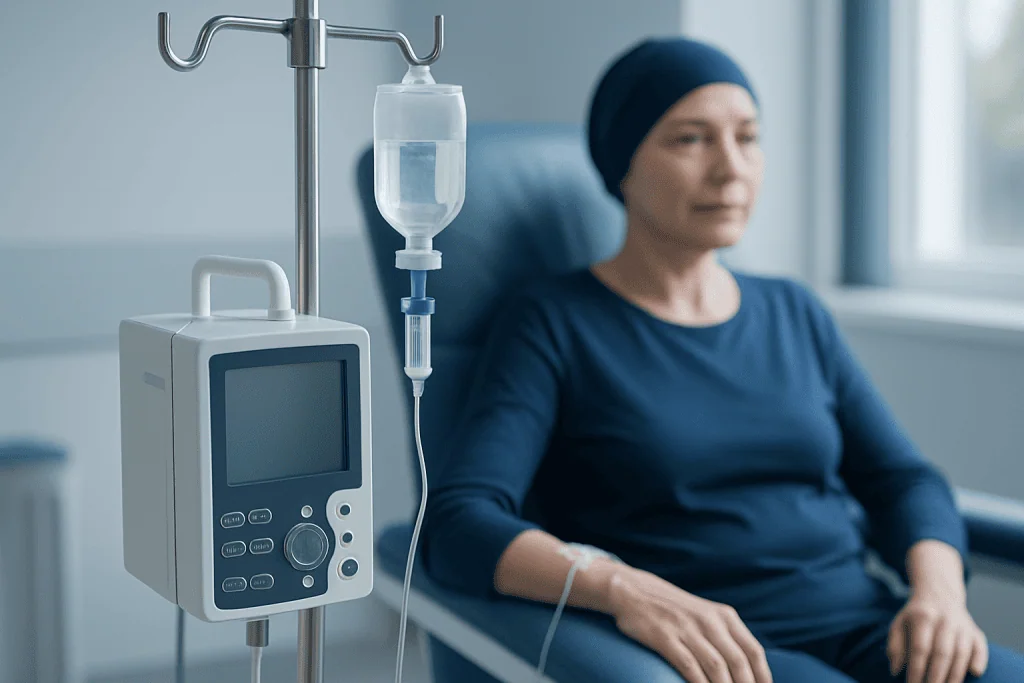
Chemotherapy works by damaging or stopping the division of cancer cells. Because many cancer cells divide more rapidly than most normal cells, they can be particularly sensitive to these medicines. Chemotherapy may be used to cure some cancers, reduce the chance of cancer returning after surgery, shrink a tumor before another treatment, slow cancer growth or relieve symptoms.
Some healthy cells also divide quickly. These include cells in the bone marrow, hair follicles, mouth and digestive tract. This is why chemotherapy can cause low white blood cell counts, anemia, bruising, mouth soreness, digestive changes and hair loss. These effects are not a reliable measure of whether treatment is working; they reflect how a drug affects normal tissues as well as cancer cells.
The liver changes many chemotherapy drugs into forms the body can eliminate, and the kidneys remove many drugs and their metabolites in urine. The team may monitor liver and kidney blood tests before or during treatment. This helps them choose appropriate medicines and adjust treatment safely when necessary.
Who May Receive Chemotherapy and What Happens During Treatment
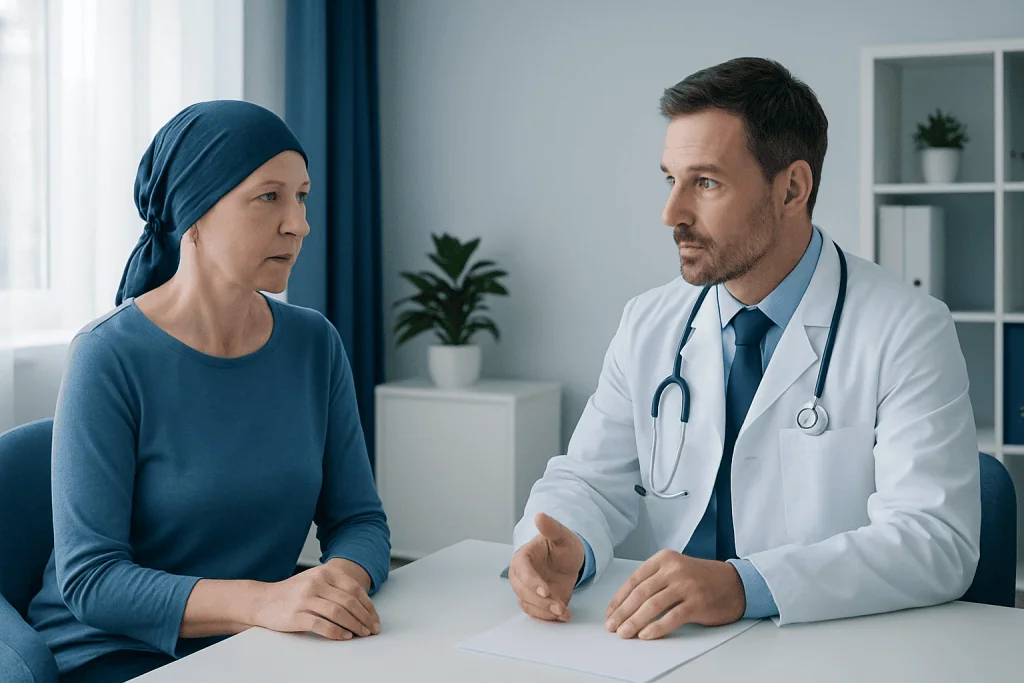
Whether chemotherapy is appropriate depends on the cancer type, stage, tumor biology, previous treatments, treatment goal and the person’s general health. It may be used alone or alongside surgery, radiotherapy, immunotherapy, targeted therapy or hormone therapy. An oncologist considers potential benefits and possible risks before recommending a plan.
Before treatment begins, patients commonly have a review of their medical history, a physical examination and blood tests. Depending on the regimen, they may also need heart, kidney, liver, fertility or infection-related assessments. The oncology team explains how the medicines will be given, the cycle schedule, expected side effects and whom to contact between appointments.
Chemotherapy may be delivered through a vein, by injection, as tablets or capsules, or less commonly through another route chosen for the clinical situation. An infusion appointment can include check-in, blood testing, anti-nausea medicines, the chemotherapy itself and observation. Many regimens are given in cycles, with treatment days followed by a rest period.
Patients should tell the care team about all prescription medicines, over-the-counter products, vitamins and herbal supplements. Some products can affect drug metabolism, increase bleeding risk or interfere with treatment. The oncology team should also be told about pregnancy, plans for pregnancy, breastfeeding, allergies and any new symptoms.
Recovery Timeline: What to Expect After a Chemo Cycle
The first few days after chemotherapy can bring fatigue, nausea, appetite changes, constipation or diarrhea, depending on the medicines used. Some side effects begin during the infusion, while others are delayed. Anti-sickness medicines and other supportive treatments can help prevent or control many symptoms.
For many regimens, white blood cell counts reach their lowest point about one to two weeks after treatment. This period is often called the nadir. The exact timing varies, so patients should follow the monitoring schedule provided by their oncology team. Blood counts often begin to recover before the next cycle, but recovery may take longer after intensive treatment or in people with other health conditions.
Hair changes commonly develop over several weeks rather than immediately. Fatigue may build over successive cycles and can take weeks or months to improve after treatment ends. Changes in taste, skin, nails, concentration, mood and sleep may also occur, but their duration differs greatly between individuals.
Some side effects can persist after chemotherapy has cleared. For example, numbness or tingling from nerve irritation may gradually improve over months, though it can be long-lasting for some people. The team should be informed early about new or worsening symptoms because supportive care or treatment adjustments may be appropriate.
What Is the Hardest Week of Chemo?
There is no universally hardest week of chemotherapy. For many people, the days immediately after an infusion are challenging because of tiredness, nausea or bowel changes. For others, the period one to two weeks later is more difficult because blood counts may be low and the risk of infection can be higher.
The hardest part can also change from cycle to cycle. Symptoms may accumulate with repeated treatment, while some people find later cycles easier because they know what to expect and have an effective symptom-management plan. The oncology team can explain the expected pattern for the individual regimen and recommend ways to manage symptoms.
Rest, regular fluids, small nourishing meals when tolerated and gentle activity can support recovery for many people. However, patients should not try to manage severe symptoms alone. Persistent vomiting, uncontrolled pain, inability to drink, severe diarrhea or marked weakness should be reported promptly.
What Are Good Signs That Chemo Is Working?
The most dependable signs that chemotherapy is working come from planned medical assessments. These may include imaging scans, blood tests, tumor markers when appropriate, physical examinations and a review of symptoms. The timing of reassessment depends on the cancer type and treatment goal, so results may not be available after the first treatment cycle.
For some cancers, a lump becoming smaller, pain easing, improved breathing or better energy can be encouraging. However, symptoms alone cannot confirm a response. A person may have substantial side effects even if the cancer is not responding, or few side effects while treatment is working well.
Blood counts falling or hair loss occurring are not proof that chemotherapy is effective. The oncologist interprets test results in context and discusses whether treatment should continue, be adjusted or be changed. Keeping scheduled appointments and reporting changes in symptoms helps the team make informed decisions.
What Organ Is Chemo Hard On?
Different chemotherapy medicines can affect different organs, so no single organ is affected by all chemotherapy. The bone marrow is commonly affected because it constantly makes blood cells. This can lower infection-fighting white blood cells, red blood cells and platelets, which is why regular blood testing is important.
Some medicines can place stress on the kidneys, liver, heart, lungs, nerves, bladder or reproductive organs. Risk depends on the specific drug, cumulative exposure, other medical conditions and previous treatments. Monitoring may include blood tests, urine tests, heart assessments or lung function tests, depending on the regimen.
Clinicians use these checks to identify problems early and reduce risk. They may recommend hydration, protective medicines, dose changes, treatment delays or referral to another specialist when needed. Patients should report swelling, reduced urination, yellowing of the skin or eyes, new shortness of breath, chest symptoms, hearing changes or numbness and tingling.
Do You Ever Fully Recover From Chemo?
Many people recover fully from the short-term effects of chemotherapy after treatment ends. Blood counts, appetite, energy, hair growth and digestive function often improve over weeks to months, although the pace is individual. Follow-up care helps identify and treat problems that continue.
Some effects may last longer or, less commonly, be permanent. These can include nerve damage, fertility changes, early menopause, heart or kidney effects, cognitive changes sometimes described as “chemo brain,” or emotional distress. The possibility of lasting effects depends on the medicines used, total dose, age, other treatments and individual health factors.
Before treatment, patients can ask about fertility preservation, expected late effects and the recommended follow-up plan. Healthy routines, rehabilitation when needed, emotional support and regular medical reviews can be valuable parts of recovery. For people seeking coordinated cancer care, Acibadem International’s multidisciplinary specialists at JCI-accredited hospitals diagnose and treat international patients.
When to Seek Medical Care
Patients receiving chemotherapy should follow the contact instructions given by their oncology team. A temperature of 38°C (100.4°F) or higher during chemotherapy can indicate a serious infection when white blood cells are low and requires urgent medical advice. Do not take fever-reducing medicine to mask a fever without first speaking with the team, unless they have advised otherwise.
Urgent assessment is also important for chills, new confusion, trouble breathing, chest pain, uncontrolled bleeding, black or bloody stools, severe abdominal pain, severe or persistent vomiting or diarrhea, inability to keep fluids down, severe weakness, a new rash with fever, or redness and swelling around an intravenous line or port.
Less urgent but still important symptoms include worsening fatigue, mouth sores that make eating difficult, ongoing numbness, new hearing changes, painful urination, swelling or changes in mood. Early communication allows the care team to offer supportive care and may prevent symptoms from becoming more serious.
Frequently asked questions
How long does chemo stay in your body after the last treatment?
Most chemotherapy drugs are cleared from the body within hours to days, though timing varies by medicine and by liver and kidney function. Side effects can last longer because tissues such as bone marrow, nerves, hair follicles and the digestive tract may need weeks or months to recover.
Can chemotherapy come out in urine or other body fluids?
Some chemotherapy drugs or their breakdown products can be present temporarily in urine, stool, vomit, sweat, semen or vaginal fluids. The treatment team may provide short-term precautions for handling body fluids at home, based on the medicines received.
Why do I feel unwell after chemo has left my body?
Feeling unwell does not necessarily mean the medicine is still circulating at a high level. Chemotherapy can temporarily affect blood cell production, the digestive tract, nerves and other tissues, and these effects can continue while the body repairs itself.
Does drinking more water flush chemotherapy out faster?
Staying adequately hydrated is generally helpful, especially if the care team recommends it, but drinking excessive amounts will not safely speed up chemotherapy clearance. The body removes medicines at a rate determined mainly by the drug, dose, liver and kidney function.
Are chemotherapy side effects a sign that treatment is working?
No. Side effects show that healthy tissues are being affected, but they do not reliably show whether cancer is responding. Scans, examinations, blood tests and other planned assessments are used to evaluate treatment response.
How can someone support recovery between chemotherapy cycles?
Following the oncology team’s advice, taking prescribed supportive medicines, maintaining fluids and nutrition, resting, and doing gentle activity when able can help. Infection prevention measures and prompt reporting of new symptoms are especially important when blood counts may be low.
References
- American Cancer Society
- National Cancer Institute
- Cancer Research UK
- American Society of Clinical Oncology
- Macmillan Cancer Support
This article is for general information only and is not a substitute for professional medical advice. Please consult a qualified doctor about your individual situation.
Hair transplant in Turkey — costs, graft counts & a free assessment
JCI-accredited · board-certified surgeons · reply within 24h

More from the Health Library



Related Specialists
Dr. Savaş Gündoğan
Gynecology & Obstetrics
Dr. Semra Demirli Atıcı
General Surgery
Dr. Shabnam Islamova
Emergency Service
Dr. Nadire Sevda İdil
Gynecology & Obstetrics