Chemotherapy IV Administration: How It Works, Results and What to Expect

IV chemotherapy delivers medicines through a peripheral IV line or a longer-term device such as a port. Infusion length varies widely, from a short visit to several hours, depending on the treatment regimen.
Key Takeaways
- IV chemotherapy delivers medicines through a peripheral IV line or a longer-term device such as a port.
- Infusion length varies widely, from a short visit to several hours, depending on the treatment regimen.
- Side effects differ between medicines and people; many can be prevented, reduced, or treated with supportive care.
- Blood tests, scans, examinations, and symptom changes help the oncology team assess whether treatment is working.
- Urgent symptoms such as fever, breathing difficulty, severe diarrhea, or uncontrolled vomiting should be reported promptly.
Chemotherapy IV administration is a common way to deliver anti-cancer medicines directly into the bloodstream through a vein or implanted access device. Treatment is individualized by cancer type, treatment goal, overall health, and the medicines used, with the oncology team monitoring safety and response throughout each cycle.
How chemotherapy IV administration works
Chemotherapy IV administration is the delivery of cancer medicines into a vein. Once in the bloodstream, the medicines circulate through the body and may slow or stop the growth of cancer cells. IV chemotherapy may be used to cure some cancers, reduce the chance of recurrence after surgery, shrink a tumor before local treatment, control cancer that has spread, or ease cancer-related symptoms.
It is usually given in cycles. A cycle includes one or more treatment days followed by a planned rest period, allowing healthy tissues such as bone marrow, the digestive lining, and hair follicles time to recover. The specific schedule, combination of medicines, and total number of cycles are chosen by the oncology team for the individual’s diagnosis and treatment goals.
IV chemotherapy is not a single treatment. Different medicines work in different ways, and they may be given alone or alongside surgery, radiotherapy, immunotherapy, targeted therapy, or hormone treatment. The care team explains why a particular regimen is recommended and what outcomes are realistic for that person.
Who may receive IV chemotherapy
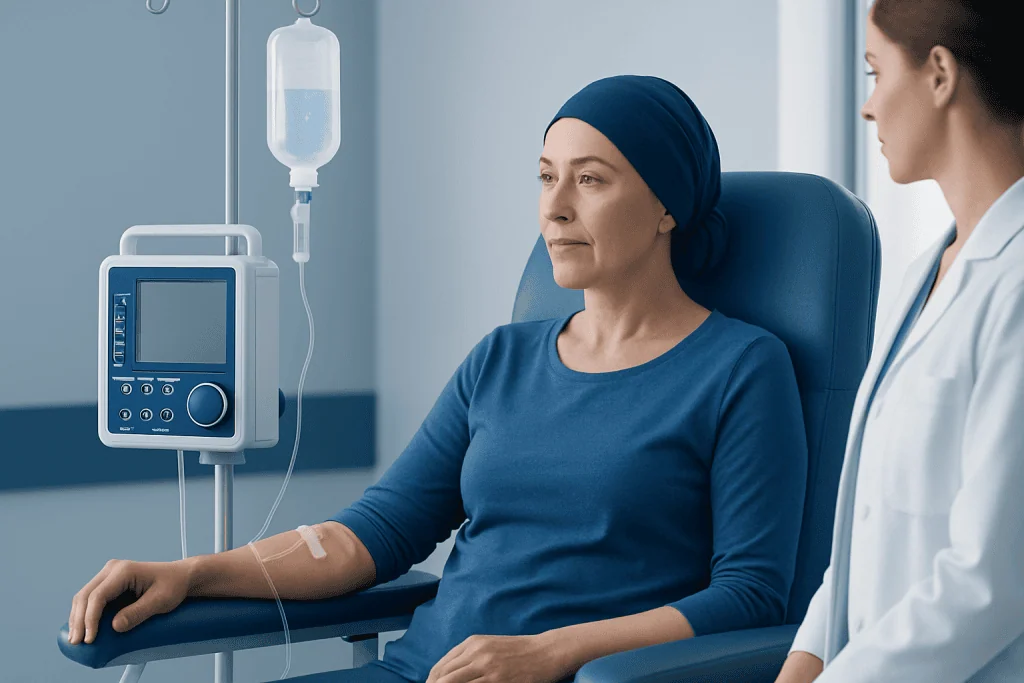
Doctors consider IV chemotherapy when a person’s cancer type and stage are known or strongly suspected to respond to particular medicines. Some cancers are treated mainly with systemic medicines because cancer cells can travel beyond the original tumor site. In other situations, chemotherapy is added before or after surgery or radiotherapy to improve overall treatment effectiveness.
Before treatment, the oncology team reviews pathology results, imaging, medical history, current medicines, allergies, kidney and liver function, blood counts, heart health when relevant, and pregnancy status where appropriate. This assessment helps determine whether a regimen is suitable and whether its dose or timing needs adjustment.
Age alone does not decide candidacy. General fitness, daily functioning, nutritional status, other health conditions, and the person’s priorities are all important. If standard IV chemotherapy is not the best option, the team may discuss other systemic treatments, supportive care, or a modified plan.
People treated for different cancers may receive very different regimens. For example, care plans for breast cancer and lung cancer are selected according to the cancer’s subtype, extent, biomarker tests, and previous treatments.
Step by step: what happens during an IV chemotherapy visit
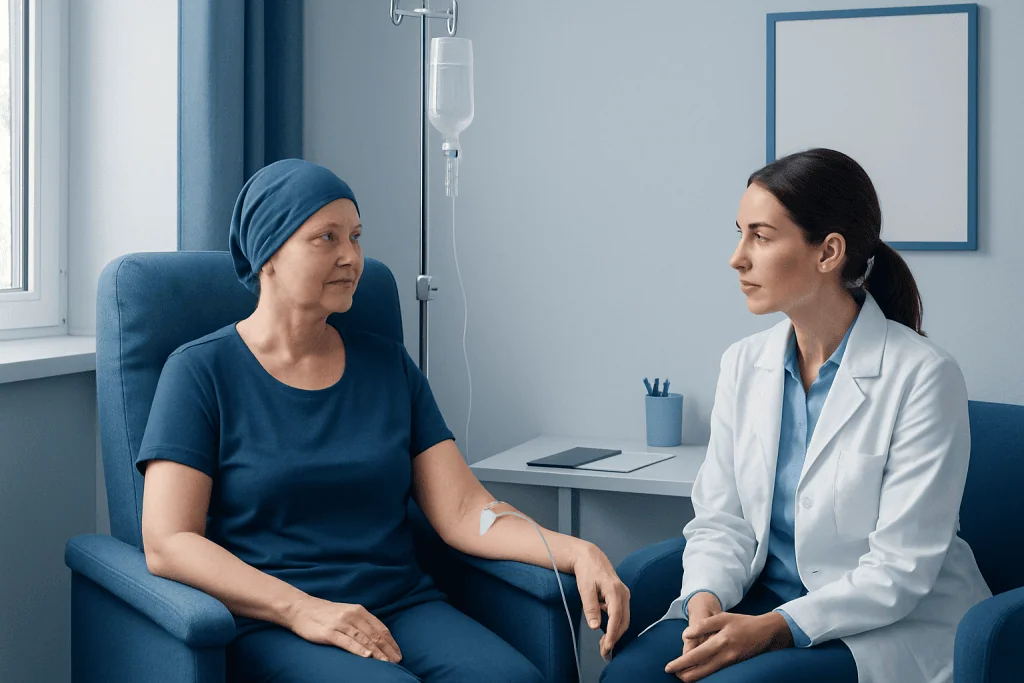
Before an infusion, a nurse usually checks symptoms, temperature, blood pressure, pulse, weight, and recent blood test results. The oncologist or chemotherapy nurse may ask about side effects from the previous cycle, including infection symptoms, numbness or tingling, bowel changes, fatigue, or changes in eating and drinking. Treatment may be delayed or adjusted if blood counts are low or side effects need attention.
The medicines can be delivered through a small cannula in a hand or arm vein, called a peripheral IV. For repeated treatment, some people have a central venous access device, such as an implanted port, which is placed under the skin and connects to a larger vein. A port can reduce repeated needle placements and may be appropriate for treatments that are frequent, prolonged, or irritating to smaller veins.
Antinausea medicines, fluids, steroids, antihistamines, or other premedicines may be given before chemotherapy, depending on the regimen. The chemotherapy medicines are then infused at a prescribed rate. Staff monitor the person during the visit and can respond if symptoms of an infusion reaction occur. It is helpful to bring water, a light snack if permitted, entertainment, and a list of questions.
At the end of treatment, the IV or port needle is removed unless there is another planned use. The team provides instructions on medicines to take at home, symptom monitoring, blood test appointments, and how to contact the clinic. Comprehensive chemotherapy treatment planning also includes supportive care for symptoms and overall wellbeing.
What to expect when taking IV chemotherapy?
During the infusion, many people feel little beyond the IV insertion or port access. Some medicines can cause a temporary taste in the mouth, warmth, flushing, tiredness, or mild discomfort. Nurses remain available throughout the infusion, so new symptoms such as itching, rash, chest tightness, dizziness, chills, or shortness of breath should be mentioned immediately.
After leaving the clinic, side effects may begin the same day or several days later. Common effects can include fatigue, nausea, appetite changes, constipation or diarrhea, mouth soreness, altered taste, hair thinning or loss with certain regimens, and changes in blood counts. Not everyone experiences the same effects, and the intensity can vary from one cycle to another.
Planning can make the first cycles easier. A person may wish to arrange transportation home if premedicines cause drowsiness, keep easy-to-digest foods and fluids available, and ask friends or family for practical help. The oncology team should be informed about all medicines, vitamins, supplements, and herbal products, since some can affect treatment or increase side effects.
How long does IV chemotherapy take?
The time required for IV chemotherapy depends on the medicines, dose, infusion rate, premedicines, blood tests, and observation needs. Some infusions take less than an hour, while others take several hours or are delivered continuously over one or more days using a portable pump. The first treatment visit may be longer because there is more education and monitoring.
Appointment time also includes registration, laboratory testing, review by the oncology team, pharmacy preparation, IV or port access, and recovery instructions. For this reason, the clinic can provide the most accurate estimate for a particular regimen. It is sensible to avoid scheduling demanding activities immediately after an infusion until the person knows how the treatment affects them.
The interval between treatments also varies. Some regimens are given weekly, every two weeks, every three weeks, or on another schedule. A planned rest period does not mean treatment has stopped working; it is an important part of allowing the body to recover safely between cycles.
Benefits, risks, and signs treatment may be helping
The potential benefit of IV chemotherapy depends on the cancer and treatment setting. It may eliminate microscopic cancer cells after surgery, reduce tumor size, prolong disease control, or lessen symptoms. The oncology team balances these possible benefits against likely side effects, alternative treatments, and the person’s values and daily-life priorities.
Risks include lowered infection-fighting white blood cells, anemia, easy bruising or bleeding from low platelets, nausea, bowel changes, fatigue, nerve symptoms, skin or nail changes, fertility effects, and organ-specific effects with some medicines. Extravasation, in which a medicine leaks outside a vein, and infusion reactions are less common but need prompt attention. Regular blood tests and assessments help identify problems early.
What are good signs that chemo is working? Improvement in cancer-related symptoms, such as less pain, easier breathing, improved appetite, or more energy, can sometimes be encouraging. However, symptoms alone cannot reliably show whether chemotherapy is working. Physical examinations, blood tests including tumor markers when appropriate, and scheduled scans are the main ways the team evaluates response.
Some side effects do not indicate that chemotherapy is effective, and having few side effects does not mean treatment is failing. Similarly, a temporary increase in tiredness or other symptoms does not necessarily mean the cancer is worsening. The person should discuss concerns with the oncology team rather than judging response based on day-to-day changes alone.
Recovery timeline and the worst days after chemo infusion
Recovery after an infusion is individual and depends on the medicines used, the cycle schedule, other treatments, and a person’s health before treatment. Some people feel well enough to continue many usual activities, while others need more rest. Fatigue can build over repeated cycles, so pacing activity and accepting practical support can be useful.
What are the worst days after chemo infusion? For some regimens, nausea, fatigue, bowel symptoms, or body aches are more noticeable in the first few days after treatment. White blood cell counts often reach their lowest point, called the nadir, around one to two weeks after chemotherapy, although timing differs by regimen. This period may increase infection risk, and the clinic will explain the expected timing for the individual plan.
Recovery commonly improves before the next cycle, but symptoms should not simply be endured. Antinausea medicines, hydration support, dietary guidance, pain management, growth-factor medicines in selected cases, and adjustments to the treatment plan can help. Keeping a symptom diary can show patterns and help the team tailor care.
Useful self-care includes drinking fluids as advised, eating small regular meals when appetite is reduced, resting without remaining inactive all day, gentle movement if safe, and avoiding close contact with people who are unwell during periods of low immunity. The care team can also advise on work, travel, vaccinations, fertility preservation, and safe food handling.
When to seek medical care
People receiving IV chemotherapy should contact their oncology team promptly for symptoms that are new, severe, persistent, or worrying. The clinic provides a direct contact number and specific instructions because urgent thresholds can differ between regimens. It is important not to wait for a routine appointment when a possible infection or serious treatment effect is suspected.
Urgent assessment is generally needed for a fever at or above the threshold given by the oncology team, chills or shaking, shortness of breath, chest pain, confusion, fainting, uncontrolled vomiting, severe diarrhea, inability to drink fluids, unusual bleeding, a widespread rash, or sudden swelling. Redness, pain, swelling, burning, or leakage around an IV site or port also requires prompt advice.
Acibadem International’s multidisciplinary specialists and JCI-accredited hospitals diagnose and treat cancer for international patients, including coordinated assessment, infusion treatment, and supportive care. A qualified oncology team can explain the expected benefits, practical arrangements, and safety plan for an individual chemotherapy regimen.
Frequently asked questions
Is IV chemotherapy painful?
The needle insertion for a peripheral IV or port access may cause brief discomfort, but the infusion itself is usually not painful. Burning, pain, swelling, or leaking at the IV site should be reported immediately because it may indicate irritation or leakage outside the vein.
Can someone eat before IV chemotherapy?
Most people can eat before treatment, and a light meal may help if nausea is a concern. However, instructions can vary when other procedures, sedation, or specific medicines are involved, so the oncology team’s guidance should be followed.
Can IV chemotherapy be given through a port?
Yes. An implanted port is commonly used for repeated IV chemotherapy and other intravenous medicines or blood tests. It may be recommended when treatment is expected to continue over time or when medicines could irritate small peripheral veins.
Will side effects happen immediately after chemotherapy?
Some side effects, such as tiredness or nausea, may begin on the day of treatment, while others develop days later. The timing depends on the medicines used, and the oncology team can explain the likely pattern for the planned regimen.
How is the response to chemotherapy checked?
Response is assessed with a combination of symptoms, physical examination, blood tests, and imaging scans at planned intervals. For some cancers, tumor markers or other laboratory measures may also be useful, but they are interpreted alongside the full clinical picture.
Can IV chemotherapy be delayed?
Yes. Treatment may be postponed or adjusted if blood counts are too low, side effects are significant, an infection is present, or additional evaluation is needed. A delay is a safety decision and does not automatically mean the overall treatment plan has failed.
References
- National Cancer Institute
- American Cancer Society
- American Society of Clinical Oncology
- Cancer Research UK
- World Health Organization
This article is for general information only and is not a substitute for professional medical advice. Please consult a qualified doctor about your individual situation.
Chemotherapy in Turkey — costs, top hospitals & a free quote
JCI-accredited · board-certified surgeons · reply within 24h
Check your numbers in seconds
BMI, calories, due date, blood pressure and 30+ more clinical calculators — free, instant, doctor-reviewed ranges.