Prostate Removal Side Effects: What to Expect and How to Manage

Radical prostatectomy removes the prostate gland, usually to treat localized prostate cancer. Urinary control commonly improves gradually over weeks to months after catheter removal.
Key Takeaways
- Radical prostatectomy removes the prostate gland, usually to treat localized prostate cancer.
- Urinary control commonly improves gradually over weeks to months after catheter removal.
- Erection recovery can take months or longer and depends on age, baseline sexual function, nerve preservation and other health factors.
- After prostate removal, ejaculation no longer occurs, but orgasm and sexual pleasure may still be possible.
- Urgent symptoms such as fever, worsening pain, inability to urinate, heavy bleeding or leg swelling need prompt medical advice.
Prostate removal side effects most often involve temporary urinary leakage, changes in erections and orgasm, and a period of physical recovery. Their severity and duration vary, but rehabilitation, follow-up care and appropriate treatment can help many men regain confidence and daily function.
Overview: understanding prostate removal side effects
Prostate removal side effects can include urinary leakage, erectile difficulties, loss of ejaculation, fatigue and temporary bowel or pelvic discomfort. These effects occur because the prostate sits close to the bladder, urethra, pelvic-floor muscles, nerves involved in erections and the structures that produce semen. Recovery differs from person to person, and many effects improve over time with guided rehabilitation and follow-up.
The operation is called a radical prostatectomy when the entire prostate and seminal vesicles are removed. It is most often recommended for prostate cancer that is believed to be confined to the prostate, although treatment decisions also consider cancer grade, PSA level, imaging results, overall health and personal priorities. In selected situations, surgeons may also remove nearby lymph nodes for testing.
It is helpful to distinguish expected recovery effects from complications. A urinary catheter, soreness, bruising, constipation and reduced energy are common in the early weeks. Persistent leakage, erection changes or emotional concerns deserve attention, but they are treatable concerns rather than something a man must simply accept.
How prostate removal works, who may be a candidate and what happens during surgery
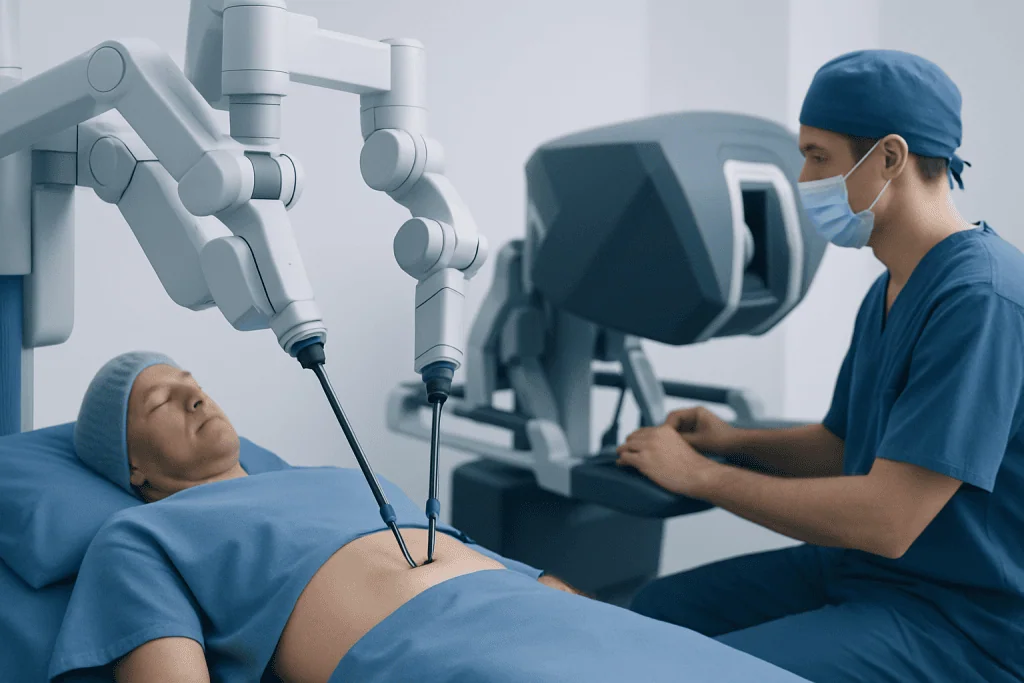
During radical prostatectomy, the surgeon separates the prostate from the bladder and urethra, removes the gland and reconnects the bladder to the urethra. The operation may be performed through open surgery or minimally invasive techniques, including laparoscopic or robot-assisted surgery. The appropriate approach depends on clinical findings, anatomy, surgical expertise and the patient’s circumstances.
A man may be considered for surgery when cancer is localized or locally advanced but appears treatable with an operation, and when he is well enough for anesthesia and recovery. Some men with low-risk prostate cancer may be better served by active surveillance, while radiation therapy, hormone therapy or other treatments may be recommended in different circumstances. A urologist and cancer team can explain the likely benefits and trade-offs of each option.
Before surgery, patients usually have blood tests, a medication review and an anesthesia assessment. They may be advised to stop or adjust certain medicines under medical guidance, arrange support at home and learn pelvic-floor exercises. The procedure is performed under general anesthesia. Afterwards, a urinary catheter remains in place while the connection between the bladder and urethra heals, often for about one to two weeks, depending on the surgeon’s plan.
For men evaluating surgical management, prostate cancer treatment planning should include discussion of cancer control, urinary function, sexual health, recovery expectations and alternatives. Shared decision-making helps ensure that treatment reflects both clinical needs and quality-of-life goals.
Common side effects and the recovery timeline
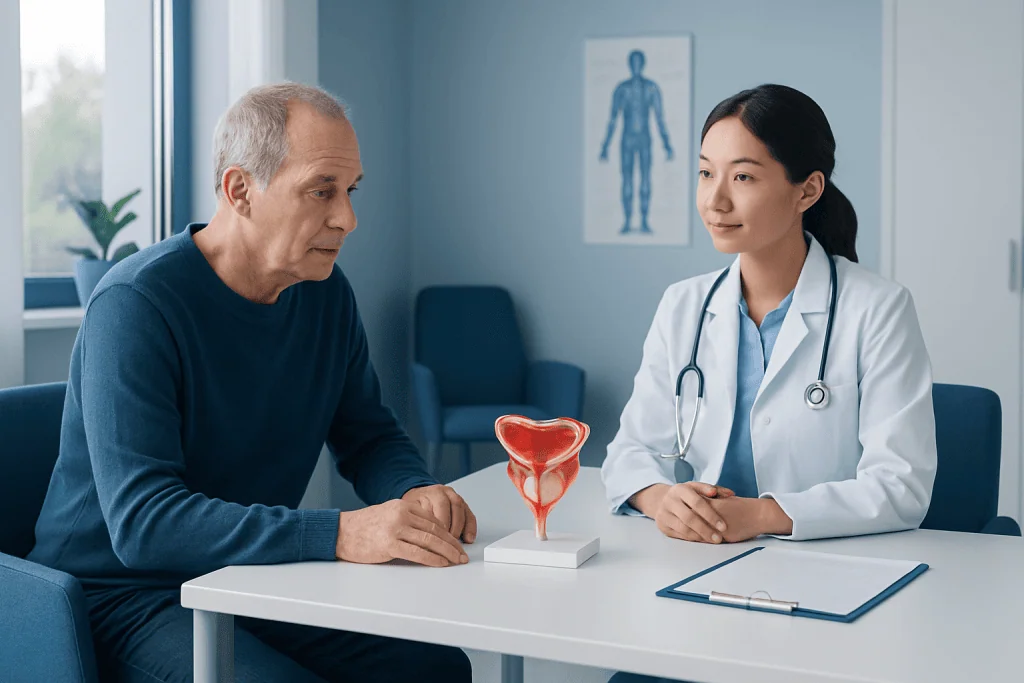
Immediately after surgery, men can expect tiredness, incision discomfort, mild abdominal bloating and some discomfort around the catheter. Walking regularly as advised helps circulation, bowel function and recovery. Pain is usually managed with a tailored plan, while hydration, fiber-rich foods and stool-softening measures recommended by the care team may reduce constipation caused by anesthesia or pain medicine.
Urinary leakage is common after the catheter is removed. It may happen with coughing, laughing, standing, exercise or urgency to urinate. Control often improves steadily over the following months as swelling settles and pelvic-floor muscles strengthen, although the pace is variable. Absorbent pads can provide reassurance during recovery, and pelvic-floor physiotherapy may be helpful.
Erection changes are also common because nerves and blood vessels responsible for erections run alongside the prostate. Even when nerve-sparing surgery is possible, these structures may take time to recover. Spontaneous erections can return gradually over months and sometimes longer. A clinician may discuss penile rehabilitation options, which can include oral medicines, vacuum devices, injections or other individualized approaches.
Because the prostate and seminal vesicles are removed, semen is no longer produced after radical prostatectomy. This is called a dry orgasm. The sensation of orgasm may change, but some men can still experience orgasm and sexual pleasure. Fertility is permanently affected, so men who may wish to have biological children should ask about sperm banking before treatment.
- First 1-2 weeks: catheter care, reduced activity, fatigue and gradual return of bowel function.
- Weeks 2-6: increasing walking and daily activity; leakage may be noticeable after catheter removal.
- Months 2-6: many men see improving continence and stamina; sexual recovery may still be in an early phase.
- Beyond 6 months: further improvement in continence and erections may continue, with follow-up tailored to symptoms and cancer monitoring.
What not to do after prostate removal?
After prostate removal, men should not resume heavy lifting, strenuous exercise, cycling, driving while taking sedating pain medicine or sexual activity until their surgeon says it is safe. These restrictions protect healing tissues and reduce the chance of bleeding, pain or disruption around the bladder-urethra connection. The exact timeline varies according to the surgical approach and individual recovery.
Patients should not pull on, clamp or remove the catheter unless specifically instructed. Catheter hygiene instructions should be followed carefully, and the drainage bag should be kept below bladder level. It is also important not to ignore severe constipation, persistent vomiting or difficulty drinking fluids, as these can interfere with comfort and recovery.
Smoking can slow healing and increase the risk of complications, so stopping or avoiding tobacco is beneficial. Alcohol should be limited or avoided while using prescription pain medicines or while recovering from anesthesia. Before restarting blood-thinning medicines, supplements or anti-inflammatory drugs, men should confirm the plan with their surgical team.
How does a man's life change after prostate removal?
Life after prostate removal often includes a temporary period of adjustment rather than a single, fixed outcome. A man may need pads for urinary leakage, schedule toilet visits more deliberately and dedicate time to pelvic-floor exercises. Most men can return to work, social activities and exercise as recovery progresses, although the timing depends on the type of work and their overall health.
Sexual changes can affect intimacy, self-image and relationships. Erections may be less reliable or absent initially, and orgasms are dry because ejaculation no longer occurs. Open communication with a partner, a urologist, a pelvic-health physiotherapist or a sexual-health counselor can make these changes easier to address. Sexual rehabilitation can begin when medically appropriate, rather than waiting until recovery feels complete.
Follow-up appointments also become an important part of life after surgery. PSA blood tests are used to monitor for signs of cancer recurrence. Men should attend scheduled reviews and mention urinary, bowel, sexual or emotional symptoms, since targeted support may be available.
Some men find reassurance in learning more about prostate cancer and its long-term follow-up. Understanding why PSA monitoring is needed can help patients take an active role in their care without assuming that every symptom signals a serious problem.
What is the downside of having your prostate removed?
The main downsides of prostate removal are the risks of urinary incontinence, erectile dysfunction, infertility and permanent loss of ejaculation. Surgery also has general operative risks, including bleeding, infection, blood clots, reactions to anesthesia and injury to nearby structures, though clinicians take precautions to reduce these risks. Rarely, scarring can narrow the connection between the bladder and urethra, affecting urine flow.
The balance between benefit and downside is personal. Surgery may offer a strong chance of removing localized cancer, while also providing detailed information about the tumor through examination of the removed tissue. However, no treatment choice is free of trade-offs, and some men may have alternatives that better align with their cancer characteristics, life expectancy or preference to avoid particular side effects.
Risk can be influenced by age, baseline urinary and erectile function, diabetes, smoking, obesity, prior pelvic treatment, cancer location and whether nerve-sparing surgery is feasible. A surgeon cannot promise a particular functional result, but can explain what is realistic based on the individual situation.
What is life like for a man without a prostate?
A man can live a full and active life without a prostate. The prostate is not needed for urine production, testosterone production or the ability to have an orgasm. However, its removal changes the pathway through which urine leaves the body and eliminates the fluid contribution the prostate makes to semen, which is why urinary control and ejaculation are affected.
Once healed, many men urinate normally or nearly normally, though some continue to have leakage and benefit from pads, pelvic-floor therapy, medicines or further procedures. Similarly, some regain erections naturally or with treatment, while others use sexual aids or choose forms of intimacy that do not depend on penetrative sex. There is no single definition of a successful adjustment.
Mood changes, worry about recurrence and changes in body confidence are understandable. Support from loved ones, cancer support services and healthcare professionals can be valuable. If low mood, anxiety or relationship distress persists, discussing it with a doctor is an important part of whole-person recovery.
Acibadem International’s multidisciplinary specialists in JCI-accredited hospitals support international patients through diagnosis, prostate surgery planning and follow-up care, including attention to urinary and sexual recovery.
When to seek medical care
Men should contact their surgical team promptly if they develop fever, chills, worsening redness or drainage from an incision, severe or increasing abdominal or pelvic pain, persistent vomiting, or urine that is very cloudy or foul-smelling. These symptoms may indicate an infection or another issue that needs assessment. Sudden inability to pass urine after catheter removal also requires urgent advice.
Emergency assessment is appropriate for chest pain, shortness of breath, fainting, coughing blood, severe bleeding, or new pain and swelling in one leg. These can be signs of uncommon but serious complications such as a blood clot. Patients should follow their local emergency guidance rather than waiting for a routine appointment.
Non-urgent follow-up is also important for leakage that is not improving, troublesome urgency, painful erections, erectile concerns, bowel difficulties or emotional distress. Early discussion allows the care team to offer practical treatments and referrals, including pelvic-floor rehabilitation or sexual-health support.
Frequently asked questions
How long do prostate removal side effects last?
Early effects such as fatigue, discomfort and catheter-related symptoms usually improve over days to weeks. Urinary control often improves over months, while erectile recovery may take months or longer. The timeline depends on baseline health, surgical details and rehabilitation.
Will urinary leakage after prostate removal go away?
Many men experience substantial improvement in leakage after surgery, particularly with time and pelvic-floor muscle training. Some men have persistent leakage and may benefit from specialist assessment, continence therapy, medicines or additional procedures. It is appropriate to raise leakage concerns at every follow-up visit.
Can a man still have an orgasm after prostate removal?
Yes. Many men can still have an orgasm after radical prostatectomy, although its intensity or sensation may be different. Ejaculation does not occur because the prostate and seminal vesicles, which contribute fluid to semen, have been removed.
Can prostate removal affect bowel movements?
Temporary constipation and bloating are common after surgery because of anesthesia, pain medicines, reduced activity and dietary changes. Regular walking, fluids and the bowel-care plan recommended by the surgical team can help. Persistent constipation, severe pain or inability to pass stool or gas should be reported.
Does prostate removal cure prostate cancer?
For some men with cancer confined to the prostate, surgery can be a curative treatment. However, outcomes depend on the cancer’s stage, grade and other pathological features. PSA monitoring after surgery is essential to check for possible recurrence.
When can a man return to work and exercise after prostate removal?
Light walking is commonly encouraged soon after surgery, but heavy lifting and strenuous exercise are usually restricted until healing is established. Desk-based work may be possible sooner than physically demanding work. The surgeon should provide individualized clearance based on recovery and the type of activity.
References
- American Urological Association
- European Association of Urology
- National Cancer Institute
- NHS
- American Cancer Society
This article is for general information only and is not a substitute for professional medical advice. Please consult a qualified doctor about your individual situation.
Persistent digestive symptoms? Get evaluated in Turkey
JCI-accredited · board-certified surgeons · reply within 24h