Concussion Rehab Exercises: An Evidence-Based Patient Guide
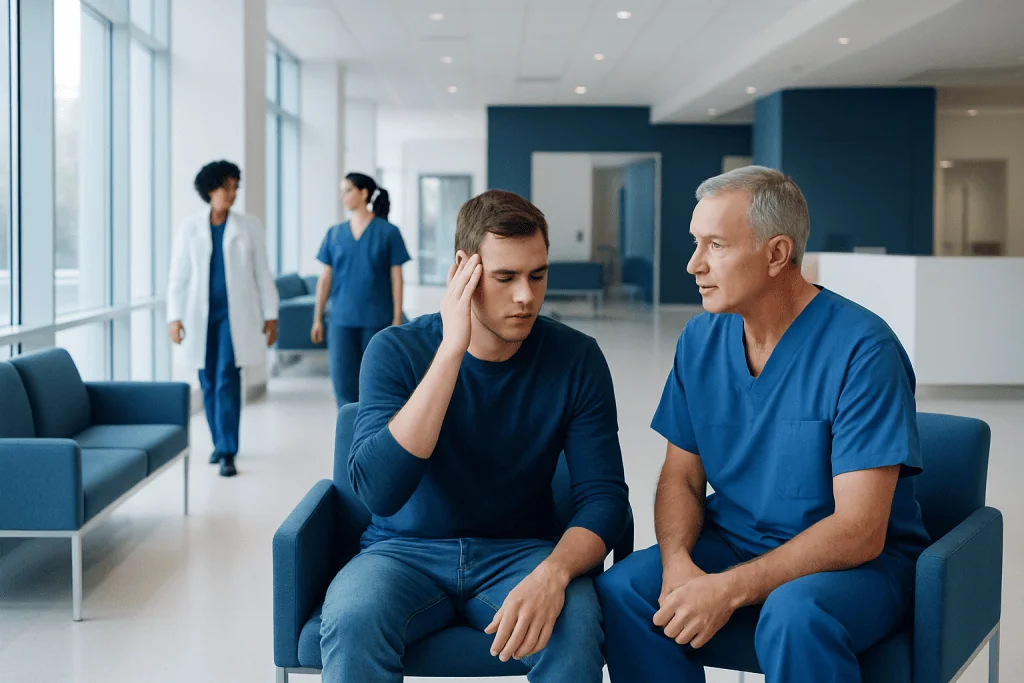
Complete, prolonged rest is usually not recommended; a brief period of relative rest followed by gradual activity is commonly advised. Rehabilitation may include aerobic, vestibular, balance, visual, neck and cognitive exercises, depending on symptoms.
Key Takeaways
- Complete, prolonged rest is usually not recommended; a brief period of relative rest followed by gradual activity is commonly advised.
- Rehabilitation may include aerobic, vestibular, balance, visual, neck and cognitive exercises, depending on symptoms.
- Exercises should cause no more than a mild, short-lived increase in symptoms; worsening or persistent symptoms should be reviewed.
- Most people improve within days to weeks, but tailored rehabilitation can be helpful when symptoms continue.
- New danger signs after a head injury, such as worsening headache, repeated vomiting or unusual drowsiness, need urgent medical assessment.
Concussion rehab exercises are individualized, symptom-guided activities that can help people safely rebuild tolerance for movement, thinking, visual tasks and everyday life after a concussion. The right programme depends on the person’s symptoms, examination findings and stage of recovery, so exercises should be introduced with guidance from a qualified clinician.
Overview: What Are Concussion Rehab Exercises?
Concussion rehab exercises are structured, progressive activities used after a mild traumatic brain injury (concussion). They are designed to help the brain and body gradually tolerate normal demands again, including walking, exercise, reading, screen use, busy environments, school or work tasks, and sport. A rehabilitation plan is not one standard set of exercises: it is chosen according to the person’s symptoms and clinical assessment.
After the first 24 to 48 hours of relative rest, many people benefit from a gradual return to physical and mental activity rather than avoiding all activity for a long period. The aim is to remain below the level that causes a substantial or lasting symptom flare. A clinician may use exercise to address reduced exercise tolerance, dizziness, balance difficulty, visual discomfort, neck pain, headaches, fatigue, sleep disruption or concentration problems.
A concussion can occur after a blow, bump or jolt to the head or body that causes the brain to move rapidly within the skull. It may happen in sport, falls, traffic collisions or everyday accidents. Although concussion is often described as a mild brain injury, symptoms deserve careful assessment and follow-up, particularly when they interfere with usual activities.
How Rehabilitation Works and Who May Benefit
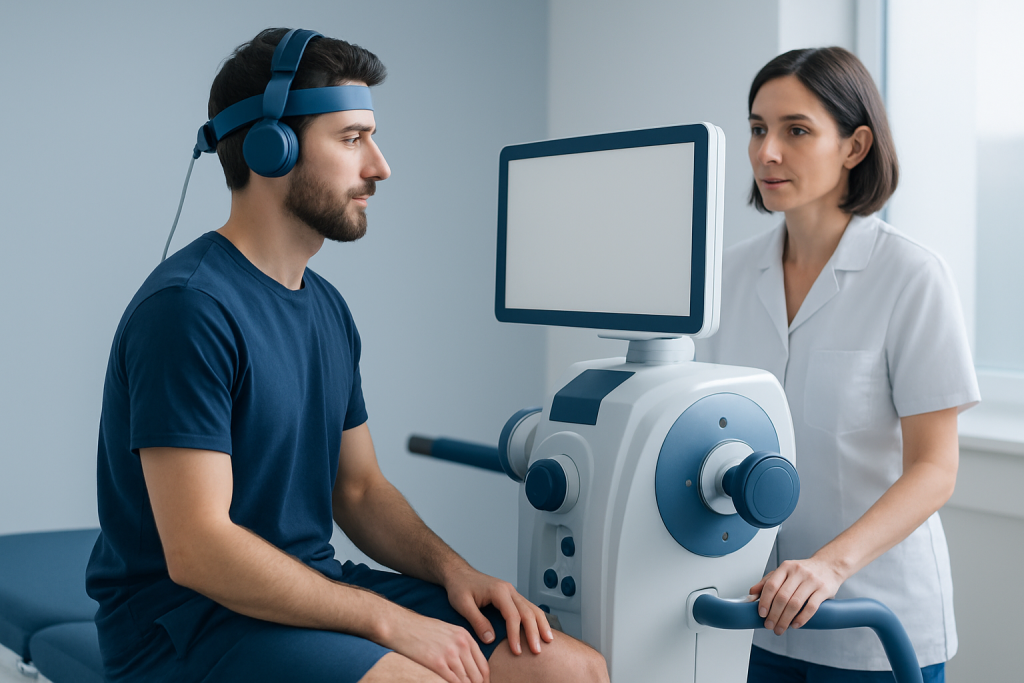
Concussion rehabilitation works through carefully controlled exposure to activities that challenge the affected system without overwhelming it. For example, light aerobic exercise may improve tolerance for physical activity, while vestibular exercises may help the brain adapt to movements that trigger dizziness. Visual exercises may be used for trouble focusing or tracking, and cervical rehabilitation may be important when neck injury contributes to headache, dizziness or pain.
Candidacy depends on a clinical assessment. Rehabilitation may be particularly useful for people whose symptoms have not settled as expected, those who struggle to return to school, work or sport, or those with clearly identifiable balance, visual, neck or exertion-related symptoms. Children, older adults, people with migraine, previous concussions, learning differences, anxiety or mood concerns, and people with other injuries may need a more individualized pace.
Before starting an exercise programme, a clinician should consider whether symptoms could be caused or complicated by another condition, such as a neck injury, inner-ear problem, migraine, sleep difficulty, medication effect or psychological stress. A rehabilitation physician, neurologist, sports medicine clinician, physiotherapist, vestibular therapist, occupational therapist, neuropsychologist or eye-care specialist may be involved, depending on the person’s needs.
Types of Concussion Rehab Exercises
Aerobic exercise is often introduced first. It may involve walking, stationary cycling or another low-impact activity performed at an intensity that does not significantly worsen symptoms. A clinician may use a supervised exercise assessment to identify a starting point and then progress duration or intensity gradually. It is not the same as returning immediately to unrestricted training or contact sport.
Vestibular and balance rehabilitation can help people with dizziness, motion sensitivity, unsteadiness or nausea triggered by head movement. Activities may include standing balance tasks, walking while turning the head, gaze-stabilization exercises, or gradual exposure to visually busy settings. These exercises should be selected carefully, because performing the wrong exercise or progressing too quickly may increase symptoms unnecessarily.
Visual and oculomotor rehabilitation may be considered when there are problems with eye tracking, focusing, convergence, reading or visual motion sensitivity. A clinician may use tasks involving controlled eye movements, near-to-far focus or reading tolerance. Persistent visual symptoms should be assessed by an appropriately trained professional, since not every post-concussion visual complaint has the same cause.
Neck rehabilitation may include gentle range-of-motion work, posture training, strengthening and manual therapy when clinically appropriate. The neck can be injured at the same time as the head, and neck-related symptoms can overlap with concussion symptoms. Cognitive pacing, sleep routines and graded return to school or work are also important parts of rehabilitation, even though they are not always thought of as exercises.
A Step-by-Step, Symptom-Guided Rehabilitation Plan
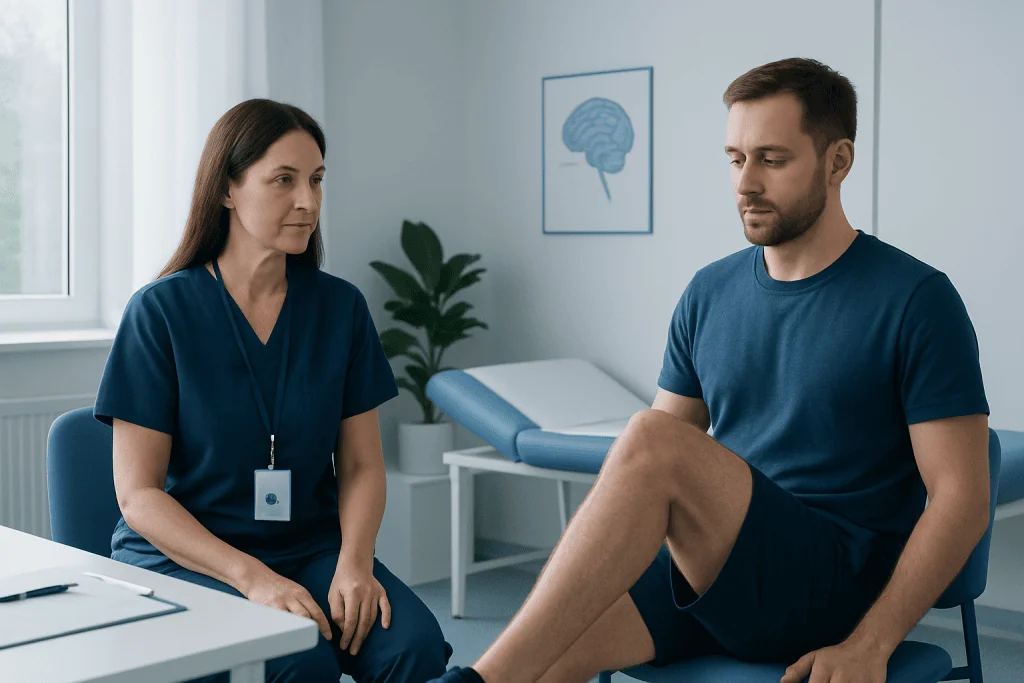
Rehabilitation begins with an assessment of symptoms, daily function and relevant physical findings. The clinician may ask about headache, dizziness, sleep, mood, memory, concentration, light or sound sensitivity, exercise tolerance, neck pain and visual symptoms. They may also assess balance, eye movements, coordination, neck function and the person’s ability to tolerate activity.
The next step is establishing a manageable baseline. This may be a short walk, a limited period of reading, a simple balance activity or a brief visual task. The person records how they feel during the activity and afterwards. Mild symptom changes that settle soon after stopping may be acceptable in a guided programme, but symptoms that become marked, persist for hours, or affect function suggest that the activity should be reduced and discussed with the treating clinician.
Progression is gradual and individualized. One variable is usually changed at a time, such as duration, intensity, complexity or the amount of visual stimulation. A typical plan moves from basic daily activities and light exercise toward more demanding work, study, training or sport-specific tasks. Return to contact or collision sport requires a separate, medically supervised graduated return-to-sport process and should not occur while symptoms are present.
Keeping a simple symptom and activity diary can help identify patterns and guide progression. The goal is not to push through severe symptoms, nor to avoid all symptoms indefinitely. It is to build sustainable tolerance while protecting sleep, hydration, regular meals and emotional wellbeing.
Benefits, Limitations and Possible Risks
The potential benefits of concussion rehab exercises include improved tolerance for activity, less dizziness, better balance, reduced neck-related discomfort and a more confident return to usual roles. A structured plan can also replace uncertainty with clear, achievable steps. For people with persistent symptoms, targeted treatment of the systems involved may be more useful than generic rest alone.
Recovery is not always linear. It is common to have better and worse days, especially when sleep, stress, illness, travel or a sudden increase in activity affects symptoms. Rehabilitation does not guarantee a specific recovery time, and some symptoms may need parallel care, such as headache management, mental health support, sleep treatment or assessment of vision and hearing.
The main risk of unsupervised exercise is progressing too rapidly or using exercises that do not match the problem. This can lead to unnecessary symptom flares, falls in people with significant dizziness or balance impairment, and delayed recognition of another condition. Activities with a risk of another head impact should be avoided until a qualified clinician confirms that return is appropriate.
- Stop activity and seek advice if symptoms become severe, unusual or prolonged.
- Use support or supervision for balance exercises when there is a fall risk.
- Avoid alcohol, recreational drugs and driving if symptoms affect reaction time, vision, attention or balance.
- Do not return to contact sport, high-risk work or other hazardous activity without medical clearance.
Recovery Timeline, Prevention and Self-Care
Many adults and children recover from concussion within a few days to several weeks, but timelines vary. Symptoms that continue beyond the expected early recovery period do not mean that recovery is impossible; they indicate a need for review and a more personalized plan. Return to learning, work, driving and sport should be based on functional recovery rather than a fixed calendar date.
Helpful self-care includes regular sleep and wake times, balanced meals, hydration, gentle movement as tolerated, breaks from demanding tasks and gradual reintroduction of screens or visually stimulating environments. It can be useful to communicate with an employer, school or sports organization about temporary adjustments, such as shortened days, rest breaks, reduced workload or extra time for tasks.
Future concussions cannot always be prevented, but risk can be reduced by using seat belts, wearing appropriate protective equipment for the activity, following sport safety rules, reducing fall hazards at home and avoiding risky activity while recovering. Helmets are important for preventing some head injuries, but they do not eliminate the risk of concussion.
For people travelling for care, Acibadem International’s multidisciplinary specialists and JCI-accredited hospitals can assess concussion-related symptoms and coordinate rehabilitation for international patients when appropriate.
When to Seek Medical Care
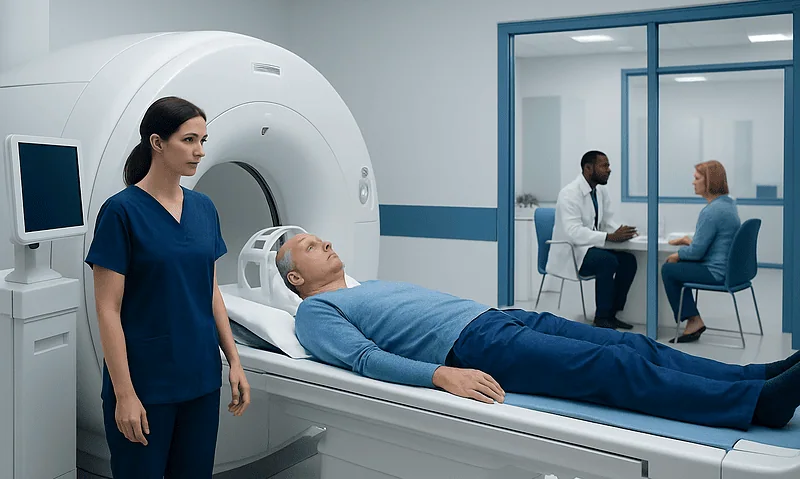
Anyone with a suspected concussion should be assessed by a healthcare professional, especially if symptoms affect normal function, follow a significant injury, or do not improve as expected. Early review is also sensible for people with repeated concussions, a history of neurological conditions, blood-thinning medication use, or a previous brain injury.
Urgent medical care is needed after a head injury if there is worsening or severe headache, repeated vomiting, increasing confusion, unusual behavior, increasing drowsiness or difficulty waking, seizure, weakness or numbness, slurred speech, unequal pupils, loss of coordination, fluid or blood from the nose or ears, or loss of consciousness. These signs may indicate a more serious injury and should not be managed with home exercises.
A doctor should also review persistent dizziness, visual disturbance, severe neck pain, significant mood changes, symptoms that interfere with work or school, or problems returning safely to driving and physical activity. Imaging is not routinely required for every concussion, but clinicians may arrange it when symptoms or examination findings raise concern for a structural brain injury.
Frequently asked questions
When should concussion rehab exercises begin?
Most people are advised to have 24 to 48 hours of relative rest after concussion, followed by gradual return to light activity as tolerated. The timing and type of exercise should be individualized, particularly when dizziness, neck pain, visual symptoms or significant headaches are present. A clinician can help establish a safe starting level.
Can exercise make a concussion worse?
Activity that is too intense, too long or introduced too quickly can temporarily increase symptoms. A carefully graded programme is intended to avoid substantial or lasting symptom worsening while gradually rebuilding tolerance. Another head injury during recovery can be dangerous, so contact and high-risk activities should be avoided until cleared.
What exercises help dizziness after a concussion?
Dizziness may respond to vestibular rehabilitation, which can include gaze-stabilization, balance and controlled head-movement exercises. However, dizziness can also come from the neck, migraine, an inner-ear condition or other causes. Assessment is important before choosing exercises.
How long does concussion rehabilitation take?
The duration varies considerably based on symptoms, age, injury circumstances, previous health and daily demands. Some people need only brief guidance, while others benefit from a longer, targeted rehabilitation programme. Progress is usually based on function and symptom response rather than a fixed schedule.
Can a person do concussion exercises at home?
Some exercises may be completed at home after they have been prescribed and demonstrated by a qualified clinician. Home programmes should include clear instructions about frequency, progression and when to stop. New, severe or worsening symptoms require medical review rather than further exercise.
Is it safe to use screens while recovering from concussion?
Screens do not need to be avoided completely for everyone, but they may worsen headache, visual discomfort or fatigue in some people. Short, planned periods with breaks can be increased gradually as tolerated. Persistent screen intolerance may warrant assessment for visual, vestibular, headache or cognitive contributors.
References
- Centers for Disease Control and Prevention
- International Consensus Statement on Concussion in Sport
- American Academy of Neurology
- National Institute for Health and Care Excellence
- World Health Organization
This article is for general information only and is not a substitute for professional medical advice. Please consult a qualified doctor about your individual situation.
Joint and spine care in Turkey — expert assessment & treatment
JCI-accredited · board-certified surgeons · reply within 24h