Head Scarf for Chemotherapy Patients: How It Works, Results and What to Expect
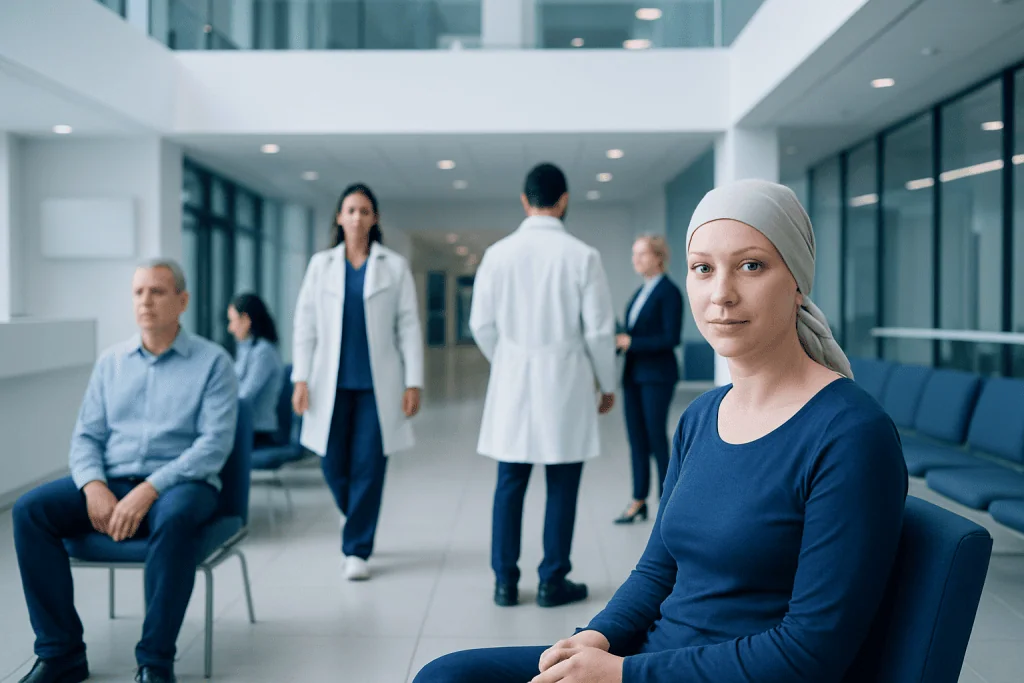
Chemotherapy-related hair loss varies by medicine, dose and individual response; not every treatment causes it. Soft rectangular scarves are among the most versatile options because they can be wrapped, tied and adjusted in several ways.
Key Takeaways
- Chemotherapy-related hair loss varies by medicine, dose and individual response; not every treatment causes it.
- Soft rectangular scarves are among the most versatile options because they can be wrapped, tied and adjusted in several ways.
- A chemo scarf does not treat hair loss, but it may provide warmth, sun protection, comfort and a sense of control.
- A newly bare scalp may be sensitive, so fragrance-free skin care, gentle fabrics and sun protection are important.
- The oncology team should be contacted promptly for fever, signs of infection, severe skin irritation or other concerning treatment symptoms.
A head scarf for chemotherapy patients is a lightweight, adjustable head covering that can protect a sensitive scalp and help a person feel more comfortable during treatment-related hair loss. The best choice is soft, breathable and secure without being tight, and it can be styled in ways that reflect personal comfort and preference.
Overview: What a Head Scarf for Chemotherapy Patients Does
A head scarf for chemotherapy patients is a fabric covering worn when cancer treatment causes partial or complete hair loss. It can help keep the scalp warm, reduce exposure to sunlight and wind, and provide a flexible alternative to hats, wigs or going without a head covering. Scarves are available in many colors, fabrics and sizes, allowing the wearer to choose what feels most comfortable and personal.
Hair loss from chemotherapy often begins two to four weeks after treatment starts, although the timing and degree of loss differ widely. Some chemotherapy medicines do not cause noticeable hair loss, while others may lead to thinning or loss of scalp hair and body hair. The oncology team can explain whether hair loss is expected with an individual treatment plan and whether chemotherapy treatment may affect the hair, skin or scalp.
A scarf is a supportive comfort measure rather than a medical procedure. It does not prevent chemotherapy-related hair loss or change how treatment works. However, choosing gentle headwear and preparing for hair changes can make this period more manageable for many people.
How Chemotherapy Hair Loss Happens and What to Expect
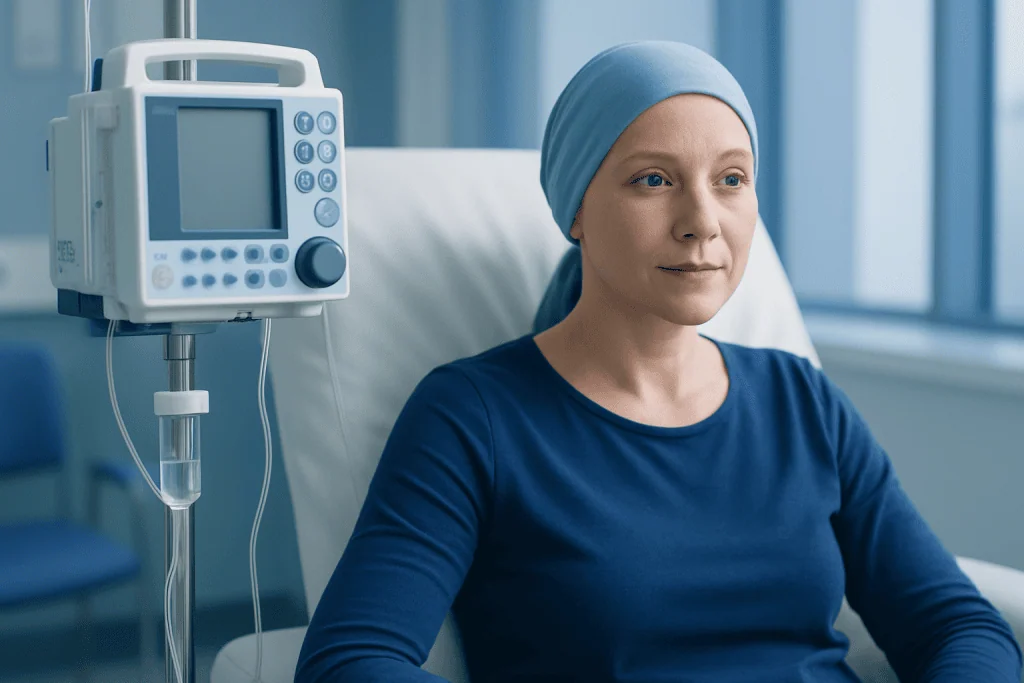
Many chemotherapy medicines work by targeting cells that divide quickly. Cancer cells often divide quickly, but hair follicle cells also grow and divide rapidly. As a result, some medicines can interrupt the normal hair-growth cycle and cause shedding. This form of hair loss is commonly temporary, and hair often begins to grow back after treatment ends, though its color, texture or thickness may initially be different.
Hair loss may occur gradually as diffuse thinning, or it may happen more suddenly in clumps. The scalp can feel tender, itchy or sensitive before shedding begins. A person may choose to wear a scarf before visible hair loss, only outside the home, or not at all; each approach is valid. There is no medically required way to respond to treatment-related hair changes.
In selected situations, scalp cooling may be discussed with the oncology team to help reduce hair loss from certain chemotherapy regimens. It is not suitable for every cancer type or treatment plan, and its availability and expected benefit vary. It should never be started without guidance from the treating cancer specialists.
Choosing the Right Scarf: Fabric, Shape and Fit

Comfort is usually the most important consideration when selecting chemo headwear. A newly exposed scalp can be sensitive, particularly after washing or during cold, dry or sunny weather. Soft natural or semi-natural fabrics, such as cotton, bamboo-derived viscose, silk blends or smooth jersey, may feel gentler than rough, scratchy or heavily textured materials. Breathable fabrics may be especially useful in warm conditions.
The scarf should stay in place without creating pressure headaches or rubbing the skin. A non-slip undercap, a soft cotton liner or a pre-tied scarf can help reduce slipping. People who experience heat sensitivity may prefer lighter materials, while a layered scarf or cap may be more comfortable in cooler weather. Avoid tight bands, harsh seams and decorative elements that press directly on a tender scalp.
What shape scarf is best for chemo patients to wear on their head?
A long rectangular scarf is often the most versatile shape for chemo patients because it can be wrapped around the head, tied at the nape or side, and adjusted to create more or less coverage. A square scarf can also work well when folded diagonally into a triangle, particularly for a simple tied style. Pre-shaped tubular scarves and pre-tied headwraps are useful for people who want an easier option with fewer knots.
The best shape ultimately depends on comfort, hand mobility, scalp sensitivity and preferred style. A scarf that can be tied without pulling, stays secure during normal activities and feels comfortable for several hours is generally a good practical choice.
Using a Chemo Scarf: A Simple Step-by-Step Routine
Before putting on a scarf, the scalp can be gently cleansed with lukewarm water and a mild, fragrance-free product if needed. Patting the scalp dry rather than rubbing it may limit irritation. If dryness is present, a clinician or pharmacist can advise on an appropriate gentle moisturizer. Sunscreen formulated for sensitive skin, a hat or a scarf with broad coverage may help protect exposed areas outdoors.
For a rectangular scarf, many people begin by placing the center at the forehead or along the hairline, bringing both ends around the head and tying them gently at the back or side. The knot should be secure but not tight. Ends can be tucked in, left loose or arranged around a soft undercap. A mirror and a seated position may make this easier when fatigue or dizziness is present.
For a square scarf, folding it diagonally forms a triangle. The long edge is positioned across the forehead, and the two side ends are brought behind the head and tied loosely, with the remaining point tucked under the knot. Pre-tied scarves may be a practical option on treatment days, during travel or when hand stiffness makes tying difficult.
- Wash scarves regularly using a gentle detergent, particularly if the scalp is sweaty or sensitive.
- Keep several clean scarves available so that a preferred fabric is always on hand.
- Choose secure but loose tying techniques to avoid pressure and friction.
- Remove the scarf at night unless a clinician has given another recommendation.
Benefits, Limitations and Possible Scalp Concerns
A chemo scarf may offer physical and emotional benefits. It can provide warmth, protect the scalp from ultraviolet exposure and reduce discomfort from wind or air conditioning. It also gives many people a simple way to decide how visible they want treatment-related hair loss to be in different settings. Some people enjoy changing colors or patterns, while others prefer a neutral scarf that feels uncomplicated.
Scarves also have limitations. They may slip, feel warm in hot weather or need frequent adjustment. A scarf does not prevent hair loss, speed regrowth or protect the scalp as fully as a wide-brimmed sun hat in strong sunlight. For prolonged outdoor exposure, sunscreen and additional shade measures may be needed, subject to the oncology team’s advice.
Skin irritation can occur if a scarf is too tight, unwashed, rough or made with irritating dyes or fibers. Stop using an item that causes redness, rash, pain or broken skin. A persistent rash, painful scalp, blisters or drainage should be assessed by a healthcare professional, especially during chemotherapy when infection risk can be higher.
The Treatment Timeline: Difficult Weeks, Hair Regrowth and Daily Adjustments
What week of chemo is the hardest?
There is no single hardest week of chemotherapy because treatment schedules, medicines and individual responses differ. Some people find the first few days after each infusion most challenging because fatigue, nausea, appetite changes or other side effects may be more noticeable then. Others experience cumulative tiredness or emotional strain later in a treatment course. The oncology team can explain the expected timing of side effects for the specific regimen.
Hair shedding commonly begins within the first month when it is going to occur, but it may continue over several weeks. This is often when people begin using scarves, caps or wigs more regularly. Keeping a small, comfortable scarf in a bag can be helpful for appointments, travel or times when the scalp suddenly feels cold or exposed.
After chemotherapy is completed, hair often starts to regrow over the following weeks to months. Initial regrowth may be fine, curly, straighter, darker or lighter than before. Gentle scalp care remains important during this phase. Strong chemical treatments, bleaching, heat styling and tight hairstyles are best postponed until the hair and scalp have recovered and the care team considers them appropriate.
Safety During Chemotherapy and When to Seek Medical Care
What is forbidden during chemo?
There is no universal list of activities or foods that are forbidden during chemotherapy, because precautions depend on the medicines being used, the cancer type, blood counts and other health conditions. However, people are commonly advised to avoid starting vitamins, herbal products or other supplements without approval from their oncology team, as some can interfere with treatment or increase side effects. Alcohol, smoking, unpasteurized foods, raw or undercooked animal products, and crowded settings may also require individualized advice, particularly when immunity is low.
It is also important not to use hair-growth products, scalp treatments, dyes or strong cosmetic products without discussing them with the healthcare team. A tender or broken scalp can be more vulnerable to irritation. The safest approach is to ask the oncology nurse, doctor or pharmacist about specific products, travel plans, vaccinations, dental care and dietary questions before making changes.
When to seek medical care
Contact the oncology team promptly for a fever or chills, new confusion, shortness of breath, chest pain, uncontrolled vomiting or diarrhea, unusual bleeding, severe weakness, or pain and swelling around an infusion site. The team should also be informed about a spreading scalp rash, sores, pus, significant tenderness or signs of infection. These symptoms need timely assessment and should not be managed only with home remedies.
People receiving cancer care may benefit from coordinated support from oncology, dermatology, nutrition, psychology and nursing services. Acibadem International’s multidisciplinary specialists and JCI-accredited hospitals diagnose and treat cancer-related concerns for international patients, with care plans guided by the individual’s diagnosis and treatment needs.
Hair Preservation, Public Questions and Personal Choice
How did Princess Kate not lose her hair during chemo?
It is not appropriate to assume the details of any individual’s medical treatment or response based on public appearances. Chemotherapy does not always cause hair loss, and the likelihood of hair loss depends mainly on the particular medicines, doses and schedule used. Some people may also use scalp cooling when it is clinically appropriate, while others may have hair thinning that is not easily visible.
Public discussion can create unrealistic expectations about cancer treatment. A person’s hair during treatment is not a reliable indicator of the type, severity or success of therapy. The most useful information comes from the treating oncology team, which can explain whether hair loss is expected and discuss practical options such as scarves, wigs, scalp care and cooling approaches.
Choosing a head scarf, wearing a wig, covering the head with a cap, or leaving the scalp uncovered are all personal decisions. The appropriate choice is the one that supports comfort, safety and confidence while treatment continues.
Frequently asked questions
Can a head scarf prevent chemotherapy hair loss?
No. A head scarf cannot prevent chemotherapy-related hair loss because it does not affect the action of chemotherapy on hair follicles. It can provide scalp coverage, warmth, sun protection and comfort while hair loss occurs.
When should a person buy scarves for chemotherapy?
Many people find it helpful to choose a few scarves before treatment starts, especially if their oncology team expects hair loss. This allows time to test fabrics, practice tying styles and identify comfortable options before the scalp becomes sensitive.
How many chemo scarves are useful to have?
The number is a matter of preference, but having several clean options can make daily use easier. This is particularly helpful because scarves may need washing after perspiration, skin products or regular wear.
Should chemo scarves be worn at night?
Most people do not need to wear a scarf while sleeping. A soft sleep cap may be more comfortable if warmth is needed, but headwear should not be tight or cause pressure on the scalp.
Can chemotherapy hair loss be permanent?
Hair loss caused by chemotherapy is usually temporary, and regrowth often begins after treatment has finished. Rarely, some medicines can lead to prolonged or permanent thinning, so it is reasonable to ask the oncology team about the expected effects of the specific treatment.
What should be used on a sensitive scalp during chemotherapy?
Gentle, fragrance-free cleansing and moisturizing products are often better tolerated than strongly scented or medicated products. The oncology team, dermatologist or pharmacist should be asked before using new scalp treatments, hair dyes, essential oils or hair-growth products.
References
- National Cancer Institute
- American Cancer Society
- Cancer Research UK
- Macmillan Cancer Support
- National Comprehensive Cancer Network
This article is for general information only and is not a substitute for professional medical advice. Please consult a qualified doctor about your individual situation.
Chemotherapy in Turkey — costs, top hospitals & a free quote
JCI-accredited · board-certified surgeons · reply within 24h