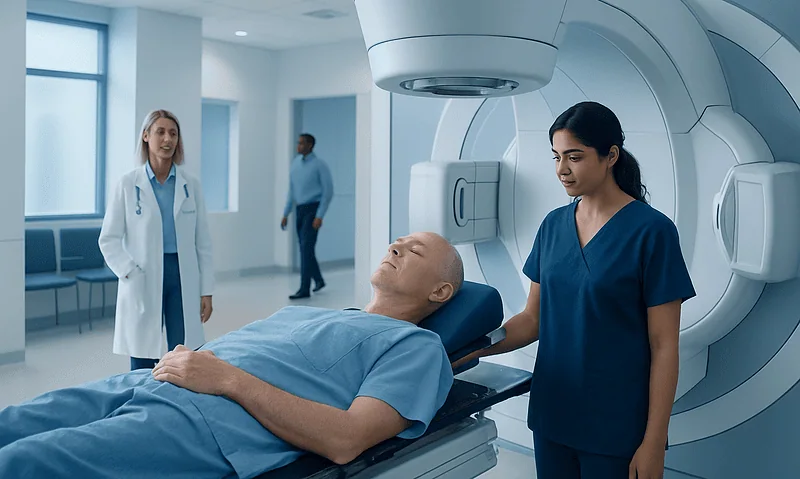
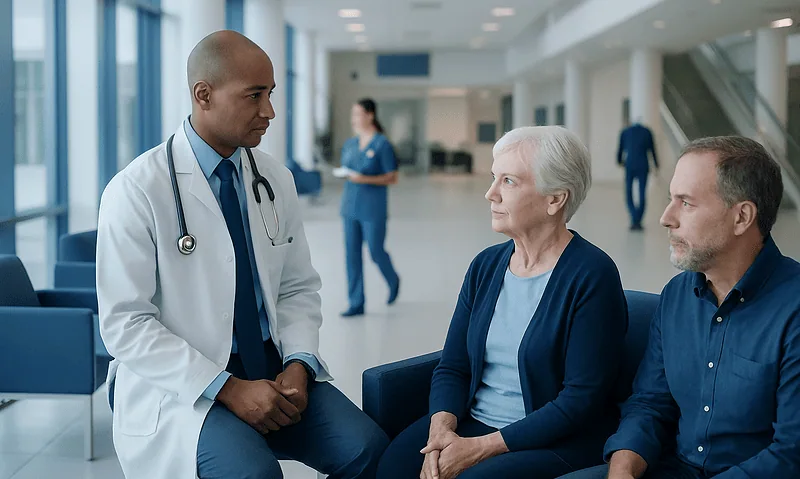
How to Reverse Neuropathy From Chemo: How It Works, Results and What to Expect

Chemotherapy-induced peripheral neuropathy can cause numbness, tingling, burning pain, weakness or balance changes, usually in the hands and feet. Some people improve within months after chemotherapy, while recovery can take longer and symptoms may persist for some individuals.
Key Takeaways
- Chemotherapy-induced peripheral neuropathy can cause numbness, tingling, burning pain, weakness or balance changes, usually in the hands and feet.
- Some people improve within months after chemotherapy, while recovery can take longer and symptoms may persist for some individuals.
- There is no proven vitamin that reliably reverses chemo neuropathy; supplements should only be used after discussion with the oncology team.
- Reporting symptoms early may allow the care team to adjust treatment and reduce the risk of worsening nerve damage.
- Duloxetine may be considered for painful chemotherapy-related neuropathy, and rehabilitation can support balance, strength and daily function.
- New or rapidly worsening weakness, falls, severe pain or symptoms affecting breathing, swallowing or bladder/bowel control need prompt medical assessment.
Neuropathy caused by chemotherapy cannot always be fully reversed, but symptoms often lessen gradually after the chemotherapy medicine is reduced, changed or completed. Early communication with the oncology team, symptom-focused treatment, rehabilitation and safety measures can improve comfort and function while nerves recover.
Overview: can chemotherapy neuropathy be reversed?
How to reverse neuropathy from chemo depends on the chemotherapy medicine involved, the total exposure, the severity of nerve injury and individual health factors. There is no single treatment that reliably restores nerves immediately, but symptoms may improve when chemotherapy is completed or adjusted, painful symptoms are treated, and rehabilitation and protective self-care are used during recovery.
Chemotherapy-induced peripheral neuropathy (CIPN) is nerve damage related to certain anticancer medicines. It most often affects sensory nerves, producing numbness, tingling, burning, sensitivity to touch or reduced awareness of temperature in a stocking-and-glove pattern across the feet and hands. Some people also develop weakness, reduced coordination or difficulty with balance.
Neuropathy should never be managed by simply enduring it. The oncology team can assess symptoms at each visit, consider other possible contributors and decide whether the cancer treatment plan needs modification. Managing neuropathy aims to protect safety, preserve daily independence and control pain while maintaining effective cancer care whenever possible.
How chemotherapy neuropathy works
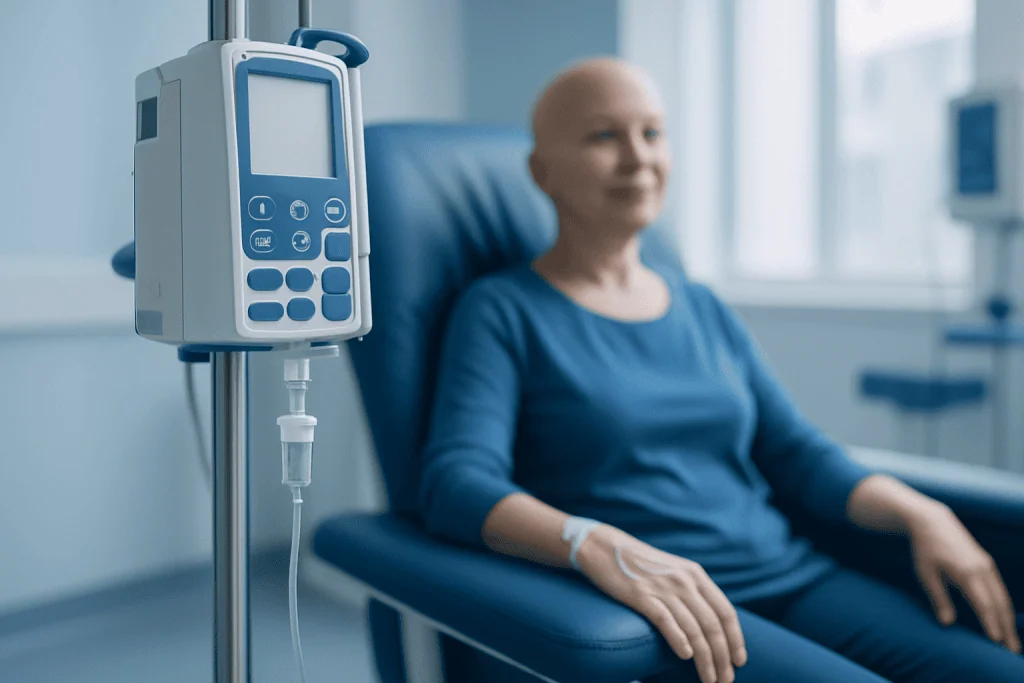
Peripheral nerves carry messages between the brain, spinal cord, muscles, skin and internal organs. Some chemotherapy medicines can injure nerve fibers or interfere with their ability to function. The risk varies among medicines; platinum-based drugs, taxanes, vinca alkaloids, bortezomib and thalidomide-related medicines are among those commonly associated with neuropathy.
Symptoms may begin during treatment, become more noticeable as cycles continue, or occasionally worsen for a period after treatment ends. This delayed worsening is sometimes called “coasting,” particularly with some platinum medicines. It does not mean that recovery is impossible, but it is an important reason to report symptoms promptly rather than waiting for the next routine appointment.
Neuropathy can also have more than one cause. Diabetes, vitamin deficiencies, thyroid disease, alcohol use, kidney disease, prior nerve injury and certain medicines may contribute. A careful review helps distinguish treatment-related neuropathy from other conditions that may need separate care.
Does neuropathy from chemo ever get better?
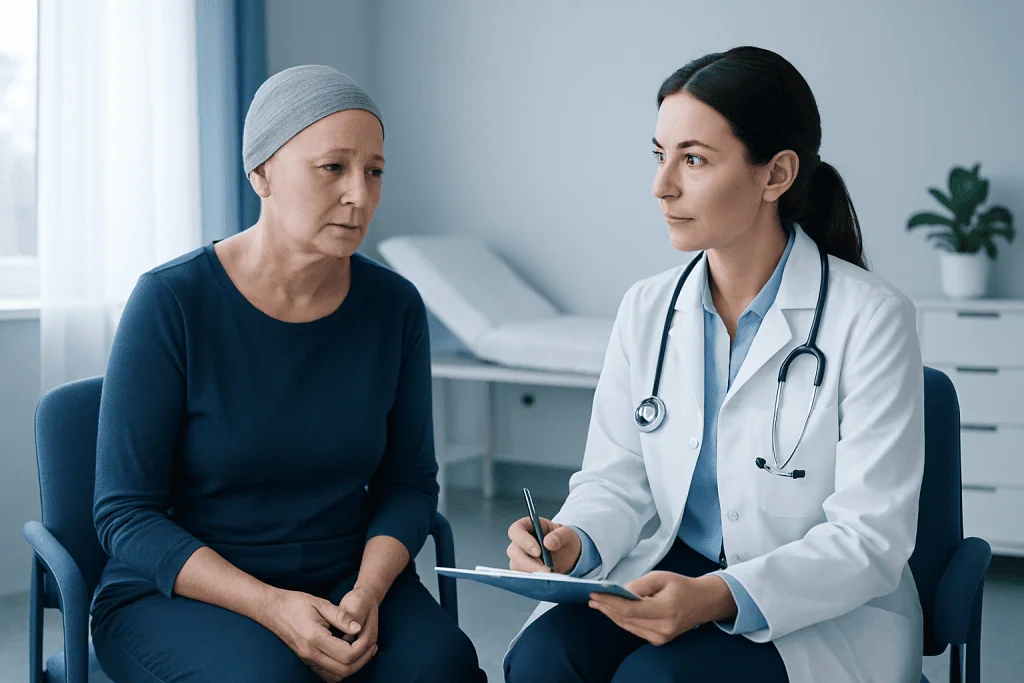
Yes. Neuropathy from chemotherapy often gets better, especially when symptoms are mild and are identified early. Nerves can repair slowly, and many people notice gradual improvement after chemotherapy is completed. However, the degree and speed of recovery vary widely, and some people have lasting numbness, pain or balance difficulties.
Improvement may be more likely when the causative treatment can be adjusted before symptoms become severe, although cancer treatment decisions must always balance nerve effects with the need to control the cancer. The oncology team may reduce a dose, delay a treatment, switch to an alternative regimen when appropriate, or continue treatment with added symptom support.
Even where sensation does not fully return, treatment can still make a meaningful difference. Pain management, physiotherapy, occupational therapy, fall prevention and practical changes at home can support mobility, sleep, work and everyday activities.
Candidacy and assessment: who needs treatment?
Anyone who develops new tingling, numbness, burning pain, hand clumsiness, weakness, cramps or unsteadiness during or after chemotherapy should discuss it with their oncology team. Assessment is particularly important when symptoms interfere with walking, fastening clothing, writing, using utensils, driving, sleep or other daily tasks.
A clinician will ask when symptoms began, whether they are changing, where they occur and how they affect function. The examination may include testing sensation, strength, reflexes, walking and balance. Blood tests may be used to look for contributors such as diabetes, vitamin B12 deficiency, thyroid dysfunction or kidney problems. In selected cases, nerve conduction studies or electromyography may help clarify the diagnosis.
There is no single procedure that reverses CIPN. Instead, care is individualized and may involve oncology, neurology, pain medicine, rehabilitation, nutrition and primary care. This multidisciplinary approach is useful because nerve symptoms, medication decisions and physical function often need to be addressed together.
Treatment step by step: how symptoms are managed
Step 1: report and document symptoms early. Patients should tell the cancer care team exactly what they feel, where symptoms occur and whether they affect function. Keeping a short symptom record can help identify change over time. The team considers whether chemotherapy can be modified safely and evaluates other reversible causes of neuropathy.
Step 2: manage painful symptoms. For established painful CIPN, duloxetine is one medicine that may be considered by a clinician. Other medicines are sometimes used for nerve pain, though benefit specifically for chemotherapy neuropathy may be limited or variable. Medication selection should take account of other health conditions, current medicines, possible side effects and interactions with cancer treatment.
Step 3: restore and protect function. Physiotherapy can address strength, walking, balance and fall risk. Occupational therapy can offer techniques and adaptive tools for hand function, dressing, cooking and work activities. Regular, appropriately supervised physical activity may support general fitness, balance and wellbeing, even though it is not a guaranteed nerve-reversal treatment.
Step 4: review progress. Symptoms and function should be reassessed over time. Persistent or unclear neuropathy may need referral to a neurologist or pain specialist. Acibadem International’s multidisciplinary specialists and JCI-accredited hospitals support the diagnosis and treatment of cancer-related nerve symptoms for international patients.
How long does it take to get rid of neuropathy after chemo?
There is no fixed recovery timeline. Some people begin to notice improvement within weeks to months after chemotherapy ends, while others recover gradually over a year or longer. In some cases, particularly after more severe nerve injury or exposure to certain medicines, symptoms can remain long term.
Recovery is often uneven. Burning pain may settle while numbness lasts longer, or balance and hand dexterity may improve gradually with therapy even if altered sensation remains. Follow-up appointments are useful for tracking these changes and adjusting the management plan.
Patience is important, but persistent symptoms should not be dismissed. Ongoing pain, falls, reduced mobility, sleep disruption or loss of independence are reasons to seek further support from the oncology team, rehabilitation services or a neurology specialist.
What vitamin helps with chemo neuropathy?
No vitamin has been proven to reliably prevent or reverse chemotherapy-induced neuropathy for everyone. Vitamin B12, folate and other nutrients are essential for normal nerve health, but taking extra amounts does not necessarily repair chemotherapy-related nerve damage when levels are already normal.
If blood testing identifies a true deficiency, treating that deficiency can be important and may help prevent additional nerve problems. However, patients should not start high-dose vitamins, herbal products or antioxidants without asking the oncology team. Some supplements can interact with cancer treatment, increase side effects or be unsuitable for a person’s medical history.
A balanced diet with adequate protein, whole grains, fruits, vegetables and healthy fats supports overall recovery. A dietitian can provide individualized advice when treatment has affected appetite, digestion, weight or nutritional intake.
Recovery, self-care and when to seek medical care
During recovery, safety is a priority. People with numb feet should check their feet daily for cuts, pressure areas or burns; wear well-fitting shoes; and avoid walking barefoot. Using nonslip footwear, good lighting, handrails and clear pathways can lower the chance of falls. Testing bath water with an unaffected area of skin or a thermometer can reduce burn risk when temperature sensation is reduced.
Gentle movement, balance exercises and strength work should be tailored to the person’s ability and clinician guidance. Avoid alcohol excess, manage diabetes carefully if present and discuss smoking cessation if relevant, as these steps support nerve and vascular health. Skin should be protected from extreme heat and cold, which may be harder to detect with numbness.
When to seek medical care: Contact the oncology team promptly for new or worsening numbness, tingling, burning pain, weakness, falls or difficulty using the hands. Urgent medical assessment is needed for sudden weakness, rapidly progressing symptoms, new loss of bladder or bowel control, severe back or neck pain with weakness, trouble breathing or swallowing, or symptoms affecting only one side of the body, as these may have causes other than chemotherapy neuropathy.
Patients should continue scheduled oncology follow-up and ask who to contact between appointments. Early review gives the care team the best opportunity to investigate symptoms, reduce preventable risks and provide practical treatment support.
Frequently asked questions
How do I know if my neuropathy is permanent?
It is often not possible to know early on whether chemotherapy neuropathy will be permanent. Symptoms that persist for many months after treatment may be more likely to be long lasting, but nerves can continue to recover slowly over time. A clinician can assess the pattern, severity and possible contributing causes and monitor changes during follow-up.
Can chemotherapy be changed if neuropathy starts?
Sometimes, yes. Depending on the cancer type, treatment goals and severity of symptoms, the oncology team may consider delaying treatment, reducing a dose, changing medicines or using other supportive measures. Patients should not skip or alter chemotherapy themselves, because these decisions require careful cancer-specific planning.
Is exercise safe with chemotherapy neuropathy?
Exercise is often helpful for strength, balance and general wellbeing, but it should be matched to the person’s symptoms and fall risk. A physiotherapist can recommend safe activities, particularly for people with weakness, painful feet or unsteadiness. Supportive footwear and a stable exercise environment are important.
Can acupuncture cure chemo neuropathy?
Acupuncture is being studied for chemotherapy-related neuropathy, and some people may find it helpful for symptoms. However, evidence is not yet strong enough to show that it reliably reverses nerve damage. It should be discussed with the oncology team, especially during active treatment or when blood counts are low.
Why do my symptoms worsen after chemotherapy has ended?
With some chemotherapy medicines, neuropathy can continue to worsen temporarily after the final treatment. This is sometimes called coasting and may occur before gradual improvement begins. New or rapidly worsening symptoms should still be reported so that other causes can be excluded and supportive care can be arranged.
Should I take vitamin B12 for chemo neuropathy?
Vitamin B12 treatment is appropriate when a blood test confirms deficiency or when a clinician identifies a clear reason to supplement it. It is not a proven general cure for chemotherapy neuropathy in people with normal levels. The oncology team should review any vitamin or supplement before it is started.
References
- American Society of Clinical Oncology
- National Cancer Institute
- National Institute of Neurological Disorders and Stroke
- American Cancer Society
- European Society for Medical Oncology
This article is for general information only and is not a substitute for professional medical advice. Please consult a qualified doctor about your individual situation.
Oncology care in Turkey — second opinion and treatment plan
JCI-accredited · board-certified surgeons · reply within 24h
Add us as a Preferred Source to see more of our trusted health content across Google Search, AI Overviews and Discover.