Stage 3 Lung Cancer Treatment: How It Works, Results and What to Expect
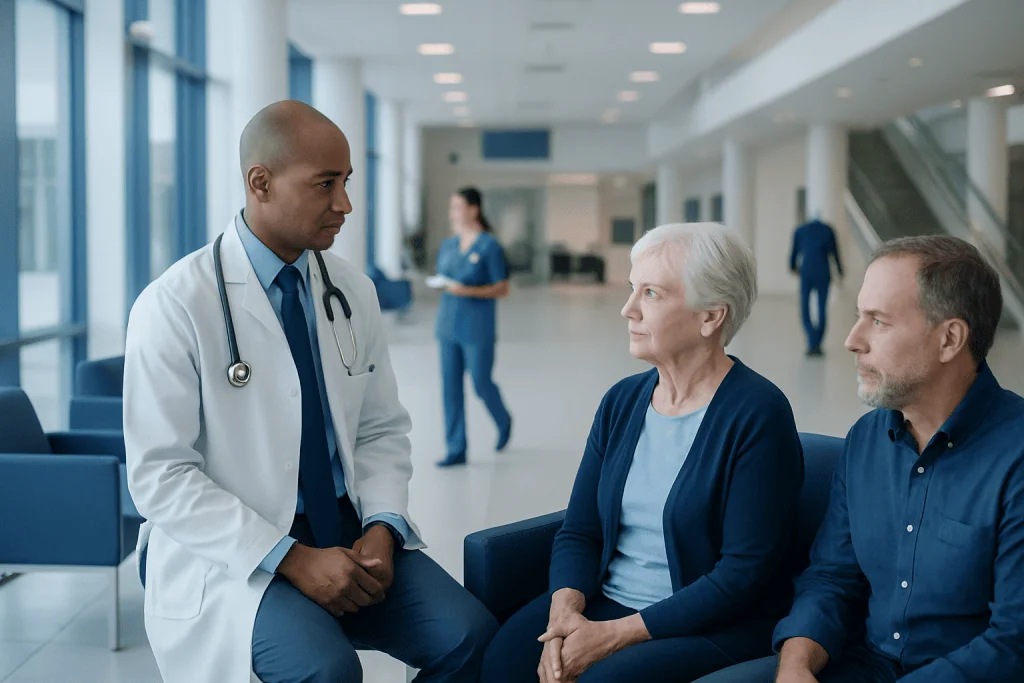
Stage 3 lung cancer has spread within the chest or to nearby lymph nodes but has not spread to distant organs. Treatment planning depends on cancer type, exact stage, tumor location, molecular test results, overall health and lung function.
Key Takeaways
- Stage 3 lung cancer has spread within the chest or to nearby lymph nodes but has not spread to distant organs.
- Treatment planning depends on cancer type, exact stage, tumor location, molecular test results, overall health and lung function.
- Concurrent chemotherapy and radiation is a common treatment approach for unresectable stage 3 non-small cell lung cancer.
- Immunotherapy after chemoradiation may help some eligible patients reduce the likelihood of cancer returning or progressing.
- Response is assessed through symptoms, examination, imaging and sometimes laboratory tests; changes are not judged by symptoms alone.
Stage 3 lung cancer treatment is individualized and often uses more than one approach, most commonly chemotherapy and radiation given together, followed by immunotherapy for some people. Surgery may be possible for selected tumors, particularly when the cancer can be removed safely and lymph node involvement is limited.
Overview: How Stage 3 Lung Cancer Treatment Works
Stage 3 lung cancer treatment usually combines treatments that act locally in the chest and throughout the body. The aim may be to remove or control all visible cancer, lower the chance of recurrence, relieve symptoms and help a person live as well and as long as possible. The most appropriate plan depends on whether the cancer can be removed with surgery and whether it is non-small cell lung cancer (NSCLC) or small cell lung cancer (SCLC).
Stage 3 means the cancer has spread beyond the original lung tumor to nearby structures or lymph nodes in the chest, but it has not been found in distant organs. It is a broad category, including stage 3A, 3B and 3C in NSCLC. These subgroups can differ substantially in tumor size, location and lymph node involvement, so two people with “stage 3” disease may need very different treatment plans.
Care is ideally planned by a multidisciplinary team that may include a medical oncologist, radiation oncologist, thoracic surgeon, pulmonologist, radiologist, pathologist and supportive-care professionals. Accurate staging, tissue diagnosis and biomarker testing help the team balance potential benefits with treatment burden and a person’s priorities.
Treatment Planning, Testing and Candidacy
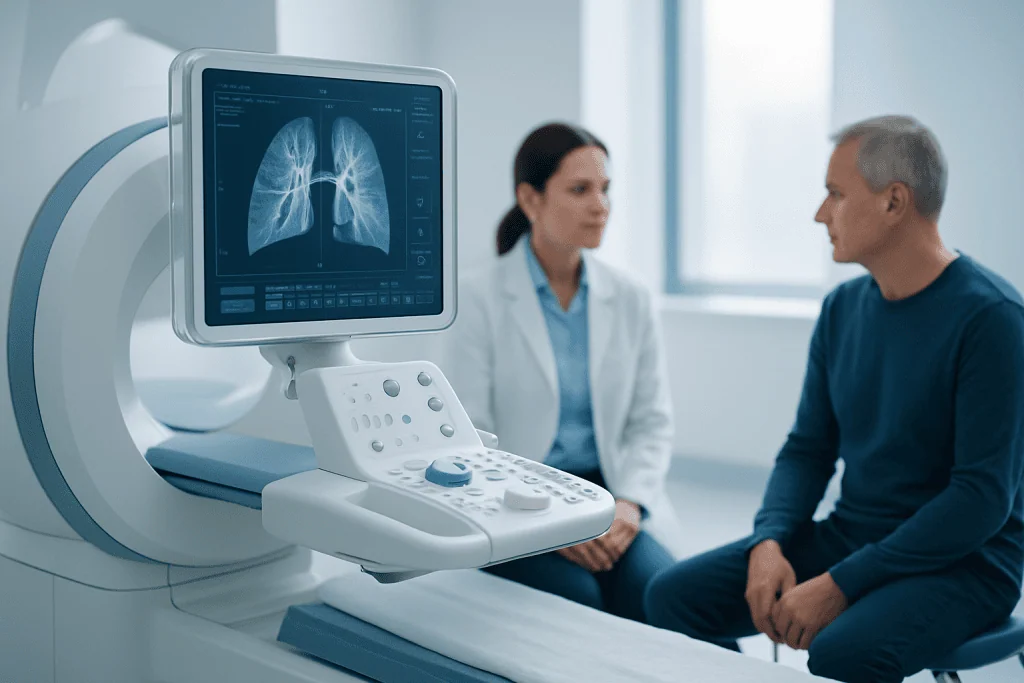
Before treatment begins, clinicians confirm the cancer type and define its extent as precisely as possible. Evaluation commonly includes a contrast-enhanced CT scan, PET-CT scan and brain imaging when appropriate. A biopsy confirms the diagnosis, while sampling of chest lymph nodes—often with bronchoscopy and endobronchial ultrasound—can clarify the stage.
For NSCLC, tumor tissue is commonly tested for biomarkers and genetic changes that may influence treatment options. Testing may include PD-L1, which can help guide immunotherapy decisions, as well as selected tumor gene changes. These results are interpreted alongside the stage; they do not replace standard staging tests or multidisciplinary discussion.
Candidacy for surgery, chemotherapy, radiation or immunotherapy depends on factors such as tumor position, lymph nodes involved, heart and lung function, other medical conditions, daily activity level and personal preferences. Some patients may first receive treatment to shrink or control the cancer before the team reassesses whether surgery is feasible.
Smoking cessation is helpful at every point in care. It can improve breathing, support healing and reduce treatment complications. A clinician can recommend practical support, including counseling and medications when suitable.
Stage 3 Lung Cancer Treatment Options
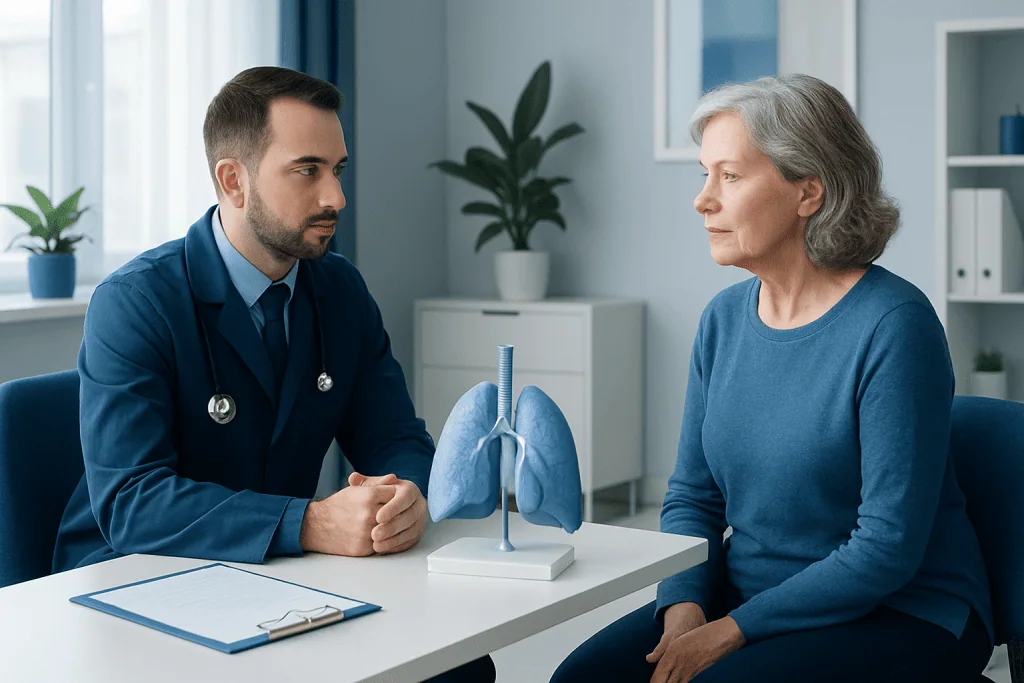
For potentially resectable stage 3 NSCLC, treatment may include chemotherapy with or without immunotherapy before surgery, followed by surgery in carefully selected cases. Radiation treatment may be recommended before or after surgery in certain circumstances. Surgery is not appropriate for every stage 3 tumor because complete removal must be achievable without unacceptable loss of lung function or risk to nearby structures.
For unresectable stage 3 NSCLC, a common standard approach is concurrent chemoradiation: chemotherapy and radiation are delivered during the same treatment period. Chemotherapy helps treat cancer cells beyond the radiation field and can make cancer cells more sensitive to radiation. If there is no progression after this treatment and the patient is eligible, consolidation immunotherapy may follow.
Radiation therapy is planned using detailed imaging and computer-based targeting to focus treatment on the tumor and involved lymph nodes while limiting exposure to healthy lung, heart, spinal cord and esophagus. Lung cancer treatment may also include symptom-focused radiation, systemic therapy or supportive care when intensive combined treatment is not safe or aligned with a person’s goals.
Stage 3 SCLC is usually treated with chemotherapy and chest radiation, often given together when a patient can tolerate it. Its treatment pathway differs from NSCLC because SCLC tends to grow and spread more quickly. Lung cancer type and stage should therefore be confirmed before a treatment plan is finalized.
What Happens Step by Step
The process starts with staging, biopsy review, lung and heart assessment, and a discussion of goals and options. Before radiation, the patient attends a planning appointment called simulation. This may involve a CT scan in the treatment position, comfortable positioning supports and small skin marks or tattoos to help ensure reproducible positioning.
If concurrent chemoradiation is recommended, chemotherapy is typically delivered in cycles while external-beam radiation is given on weekdays over several weeks. A radiation session itself is painless and usually brief, although the daily visit may take longer for positioning and safety checks. The care team reviews symptoms, weight, blood counts and treatment tolerance regularly.
After the combined-treatment phase, follow-up imaging is arranged to assess the cancer and treatment effects. If immunotherapy is appropriate, it is usually started after recovery from chemoradiation and is given at scheduled intervals under oncology supervision. The exact medicines, sequence and duration vary according to cancer type, response and individual health.
Nutrition, pain relief, help with swallowing difficulties, breathing support, emotional care and rehabilitation are active parts of treatment rather than afterthoughts. Patients should tell their team early about new symptoms, since many side effects can be treated more effectively when addressed promptly.
Benefits, Risks and Recovery Timeline
The potential benefit of combined treatment is improved local control of cancer and, for suitable patients, a better chance of long-term disease control than treatment with one modality alone. However, treatment can be demanding. The team considers likely benefit in relation to the person’s lung reserve, general health and ability to complete treatment safely.
Common effects of chemotherapy can include tiredness, nausea, appetite changes, lowered blood counts, infection risk and numbness or tingling in the hands or feet, depending on the medicines used. Radiation to the chest can cause fatigue, cough, skin irritation and inflammation of the esophagus, which may make swallowing uncomfortable. These effects often build gradually during treatment and may continue for a short period afterward.
Less common but important risks include inflammation of the lungs after radiation or immunotherapy, significant infection during low blood counts, blood clots and immune-related inflammation affecting organs such as the lungs, bowel, liver, hormone glands or skin. New or worsening breathlessness, fever, chest pain, trouble swallowing liquids, severe diarrhea or confusion should be reported urgently to the treating team.
Recovery is individual. Many short-term effects begin to improve in the weeks after chemoradiation, while fatigue and reduced stamina may take longer to settle. If surgery is performed, recovery also depends on the type of operation and baseline lung function. Follow-up visits and scans monitor recovery, side effects and cancer control over time.
How Long Do Stage 3 Lung Cancer Patients Live?
There is no single life-expectancy figure for stage 3 lung cancer. Outcomes vary widely with the cancer type, detailed stage, tumor biology, treatment response, whether surgery is possible, other health conditions and access to complete treatment. Survival statistics describe groups of people treated in the past; they cannot reliably predict what will happen for one individual.
Modern care continues to evolve, including improved radiation planning, immunotherapy and biomarker-guided treatment. For some people, stage 3 disease can be controlled for years, and a proportion of appropriately selected patients may be treated with curative intent. The treating oncologist is best placed to discuss outlook using the individual’s scan findings, pathology and response to treatment.
It can be useful to ask the care team what the goal of treatment is, what signs would indicate benefit, and what alternatives are available if the first plan is not tolerated or is not effective. Palliative care can be introduced alongside cancer treatment at any stage to support comfort, function and quality of life.
Is Chemo Worth It for Stage 3 Lung Cancer? How Many Rounds Are Needed?
Chemotherapy can be worthwhile in stage 3 lung cancer because it treats cancer cells that may be present beyond the visible tumor and can improve the effect of radiation in some treatment plans. Whether its expected benefits outweigh its risks is personal and clinical: it depends on the specific cancer, planned treatment goal, health status, kidney and bone marrow function, prior conditions and the patient’s own values.
In concurrent chemoradiation, chemotherapy is often given in a limited number of cycles during the radiation course. In surgery-based pathways, chemotherapy may be given before surgery, after surgery, or both, depending on the plan. There is no universal number of “rounds of chemo” for all patients; the regimen and schedule are selected by the oncology team and can be adjusted for side effects or changing circumstances.
Before starting, patients can ask what benefit chemotherapy is expected to provide, which side effects are most likely, how these will be monitored, and what alternatives exist. Supportive medicines, blood tests and dose or schedule adjustments can help manage side effects without compromising safety. A decision to pause, change or decline chemotherapy should be discussed openly with the oncology team.
How to Tell If Lung Cancer Treatment Is Working and When to Seek Medical Care
Doctors assess whether treatment is working through planned imaging, usually CT and sometimes PET-CT, as well as physical examination and review of symptoms. Scans are generally performed at defined points rather than immediately after treatment, because radiation can cause inflammation and scarring that may temporarily make interpretation more complex. Stable disease, tumor shrinkage and symptom improvement can all be meaningful outcomes depending on the treatment goal.
Symptoms alone cannot confirm whether treatment is working. Cough, fatigue, chest discomfort or appetite changes can result from the cancer, treatment effects, infection or another health issue. Patients should keep their appointments and report changes rather than waiting for the next scan.
When to seek medical care: The oncology team should be contacted promptly for fever, chills, worsening cough, new or increasing shortness of breath, chest pain, coughing up blood, inability to drink enough fluids, severe vomiting or diarrhea, marked weakness, confusion or any symptom that feels urgent. Emergency medical care is appropriate for severe breathing difficulty, severe chest pain, fainting or signs of a serious allergic reaction.
Acibadem International’s multidisciplinary specialists and JCI-accredited hospitals diagnose and treat lung cancer for international patients, coordinating oncology, radiation oncology, thoracic surgery and supportive care when needed.
Frequently asked questions
Can stage 3 lung cancer be cured?
Some people with stage 3 lung cancer are treated with curative intent, particularly when the cancer can be completely removed or controlled with combined chemotherapy and radiation. Whether cure is realistic depends on the exact stage, cancer type, tumor biology, treatment response and overall health. The oncology team can explain the aim of treatment in the individual situation.
What is the usual first treatment for stage 3 lung cancer?
There is no single first treatment for every patient. Selected resectable non-small cell lung cancers may be treated with systemic therapy before surgery, while unresectable stage 3 disease is often treated with chemotherapy and radiation together. Small cell lung cancer generally follows a different pathway involving chemotherapy and chest radiation.
How long do stage 3 lung cancer patients live?
Life expectancy varies greatly and cannot be accurately determined from stage alone. Cancer type, lymph node involvement, tumor genetics, treatment options, response and general health all affect outlook. Population statistics may provide context, but a treating oncologist can give a more meaningful individualized discussion.
Is chemo worth it for stage 3 lung cancer?
Chemotherapy may provide important benefit in stage 3 disease by treating cancer cells beyond the main tumor and supporting the effects of radiation or surgery. Its value must be weighed against likely side effects and the person’s health and priorities. A detailed conversation with the oncology team can help guide an informed decision.
How to tell if lung cancer treatment is working?
Treatment response is mainly assessed using scheduled scans, clinical examination and symptom review. Reduced tumor size, no further growth and improvement in cancer-related symptoms can all be signs of benefit. Symptoms by themselves are not reliable because treatment can also cause cough, fatigue and breathing changes.
How many rounds of chemo are used for stage 3 lung cancer?
The number of chemotherapy cycles varies according to the cancer type, treatment plan and tolerance. During concurrent chemoradiation, chemotherapy may be delivered on a schedule that runs alongside several weeks of radiation, while surgery-based plans may use chemotherapy before or after surgery. The treating oncologist determines the regimen and may adjust it if side effects occur.
References
- National Cancer Institute
- American Cancer Society
- National Comprehensive Cancer Network
- European Society for Medical Oncology
- American Society of Clinical Oncology
This article is for general information only and is not a substitute for professional medical advice. Please consult a qualified doctor about your individual situation.
Lung Cancer in Turkey — costs, top hospitals & a free quote
JCI-accredited · board-certified surgeons · reply within 24h
Add us as a Preferred Source to see more of our trusted health content across Google Search, AI Overviews and Discover.

Hematology Department
17 specialists in this unitMore from the Health Library

Related Specialists

Dr. Ali Demir
Pediatric Rehabilitation
Dyt. Güler Aras
Nutrition & Diet
Dr. Berna Türkay
Anesthesiology
Assoc. Prof. Dr. Mine Yavuz Taşlipinar
Clinical Laboratory