Does Immunotherapy Cause Hair Loss: How It Works, Results and What to Expect

Most people receiving immunotherapy alone do not experience major hair loss. Rarely, immunotherapy can trigger immune-related alopecia, including patchy alopecia areata or more extensive hair loss.
Key Takeaways
- Most people receiving immunotherapy alone do not experience major hair loss.
- Rarely, immunotherapy can trigger immune-related alopecia, including patchy alopecia areata or more extensive hair loss.
- Hair shedding during immunotherapy may be caused by a combination treatment or another medical factor rather than immunotherapy itself.
- New hair loss, scalp rash, itching, or eyebrow and eyelash loss should be reported to the oncology team.
- Whether hair regrows depends on the cause, the severity of hair-follicle inflammation, and the individual treatment plan.
Immunotherapy does not usually cause the widespread hair loss commonly associated with chemotherapy. However, a small number of people develop immune-related hair loss, and shedding may also result from chemotherapy, targeted therapy, radiation, stress, illness, or hormonal and nutritional changes during cancer care.
Does immunotherapy cause hair loss?
Immunotherapy alone usually does not cause the sudden, widespread hair loss that many people associate with chemotherapy. Most cancer immunotherapy medicines help the immune system recognize and attack cancer cells rather than directly damaging rapidly dividing hair-follicle cells. For this reason, many people keep most or all of their hair while receiving immunotherapy.
Hair loss can still occur in a minority of patients. In rare cases, an overactive immune response caused by treatment may attack hair follicles and lead to immune-related alopecia. Hair thinning may also happen when immunotherapy is given with chemotherapy, targeted therapy, radiation, or other medicines that can affect hair growth.
Any new shedding deserves discussion with the treating team. A clinician can help identify whether the pattern is linked to treatment, stress on the body, thyroid changes, anemia, nutritional concerns, scalp disease, or another cause. This makes it possible to choose supportive care without making assumptions.
How cancer immunotherapy works and who may receive it
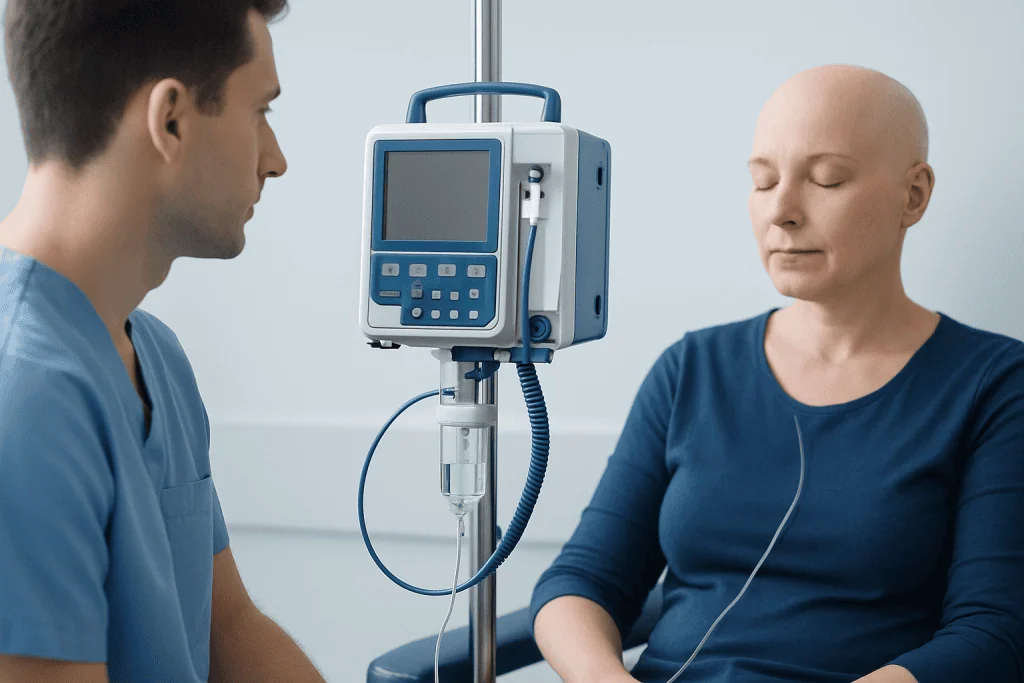
Cancer immunotherapy is a broad term for treatments that use or strengthen parts of the immune system to fight cancer. Immune checkpoint inhibitors are among the most commonly used types. They release certain immune “brakes,” allowing T cells to respond more actively to cancer cells. Other approaches include monoclonal antibodies, cellular therapies, cancer vaccines, and cytokine-based treatments.
These treatments are used for selected cancers and situations, including some melanomas, lung cancers, kidney cancers, bladder cancers, head and neck cancers, blood cancers, and others. Suitability depends on the cancer type, stage, previous treatments, tumor testing, overall health, autoimmune conditions, organ function, and the person’s goals of care.
Not every person with cancer benefits from the same immunotherapy. Before recommending treatment, an oncology team reviews pathology results, imaging, laboratory tests, medication history, and possible risks. Information about cancer care can help patients understand why treatment plans are individualized.
Why hair loss may happen during immunotherapy

When hair loss develops during immunotherapy, its appearance can offer useful clues. Immune-related alopecia may cause smooth, well-defined patches of hair loss on the scalp, beard, eyebrows, eyelashes, or body. This resembles alopecia areata, a condition in which immune activity affects hair follicles. Some people notice scalp itching, tenderness, scaling, or changes in hair texture, although these symptoms are not always present.
Diffuse shedding across the scalp has other possible explanations. Chemotherapy is a common cause, especially in combination regimens. Physical and emotional stress from cancer, surgery, infection, weight change, thyroid abnormalities, iron deficiency, and some medicines may also shift more hairs into a shedding phase called telogen effluvium.
Hair loss is not a reliable sign that immunotherapy is working or failing. It should not be used to judge cancer response. The oncology team uses examinations, symptoms, scans, blood tests, and cancer-specific measures to assess how treatment is performing.
- Patchy loss: may suggest immune-related alopecia and should be assessed.
- Rapid, generalized loss: may be more consistent with chemotherapy or another systemic cause.
- Hair loss with rash or skin blistering: needs prompt medical review.
The treatment process: assessment, treatment visits and monitoring
Before immunotherapy starts, patients commonly meet with an oncologist to review expected benefits, possible side effects, and alternatives. Baseline blood tests may check blood counts and the function of organs such as the liver, kidneys, and thyroid. Depending on the cancer, imaging and tumor biomarker tests can help determine whether a particular immunotherapy is appropriate.
Many immunotherapy medicines are given by intravenous infusion in an outpatient setting, although the exact schedule varies by medicine and treatment plan. At each visit, the care team asks about new symptoms, checks vital signs when appropriate, and may repeat blood tests. Patients should mention hair changes early, including increased shedding, circular bald areas, eyebrow loss, scalp discomfort, or a rash.
If hair loss occurs, the oncologist may involve a dermatologist with experience in cancer-treatment skin effects. Assessment can include a scalp examination, a review of other medicines and treatments, and targeted blood tests. In some circumstances, a scalp biopsy may help clarify the diagnosis. Immunotherapy should never be paused or stopped without the treating oncology team’s guidance.
Will my hair grow back while on immunotherapy?
Hair may grow back while a person is still receiving immunotherapy, particularly when shedding is temporary or the trigger can be treated. Regrowth can begin gradually and may initially look finer, curlier, lighter, or darker than before. The time course differs substantially between individuals.
For immune-related alopecia, regrowth is possible but not guaranteed. The outlook depends on how extensive the hair loss is, how long inflammation has affected the follicles, and whether treatment is needed to control the immune reaction. A dermatologist may recommend individualized options such as topical treatments, scalp injections, or other approaches when clinically appropriate.
When hair loss is due to chemotherapy included in the same regimen, regrowth often begins after the chemotherapy component ends, although it may take months to become noticeable. Gentle hair care, avoiding harsh chemical processes and heat, and protecting exposed skin from sun and cold can support comfort while waiting for recovery.
What is the downside of immunotherapy?
The main downside of immunotherapy is that an activated immune system can sometimes inflame healthy tissues as well as cancer cells. These are called immune-related adverse events. They may involve the skin, bowel, lungs, liver, thyroid, adrenal glands, joints, nerves, heart, or other organs. Many side effects are manageable when identified early, but some can be serious.
More common effects can include fatigue, itching, rash, diarrhea, nausea, appetite changes, aches, and changes in thyroid function. Less common but urgent symptoms may include shortness of breath, chest pain, severe diarrhea, yellowing of the skin or eyes, severe weakness, confusion, severe headache, or rapidly spreading rash. Prompt reporting helps the care team evaluate symptoms and, when needed, provide medicines that calm immune inflammation.
Immunotherapy may not work for every cancer or every patient, and response can take time to evaluate. The potential benefit must be weighed against side effects, other available treatments, and the individual’s health needs. A detailed discussion with an oncology specialist is essential before treatment begins.
What are good signs immunotherapy is working?
Good signs can include improvement in cancer-related symptoms, stable or improved physical function, and evidence on scans or laboratory tests that tumors are shrinking or no longer growing. However, symptoms alone do not provide a dependable answer. Some people feel well even when cancer is progressing, while others have treatment side effects despite a favorable cancer response.
Oncology teams typically schedule imaging and laboratory monitoring at planned intervals. They interpret results in context, because immunotherapy can occasionally cause tumors to look temporarily larger on early scans as immune cells enter the tumor area. This uncommon pattern, called pseudoprogression, must be distinguished carefully from true cancer growth.
Side effects such as rash, fatigue, or hair changes are not proof that treatment is effective. Likewise, having few side effects does not mean immunotherapy is ineffective. Patients should continue attending scheduled assessments and ask their oncology team how response is being measured in their specific situation.
Which is harder on the body, chemo or immunotherapy?
Neither chemotherapy nor immunotherapy is universally “harder” on the body. They work differently and have different risk profiles. Chemotherapy can affect healthy rapidly dividing cells, so hair loss, nausea, low blood counts, infection risk, mouth sores, and fatigue may be more common with certain regimens. The effects vary greatly by medicine, dose, and schedule.
Immunotherapy often causes less classic chemotherapy-related hair loss and may have a different day-to-day side-effect pattern. However, immune-related side effects can affect almost any organ and may occasionally be severe or long-lasting. Some people tolerate chemotherapy better than immunotherapy, while others have the opposite experience.
When treatments are combined, side effects can overlap or become more frequent. The most appropriate option is the one that balances the expected cancer benefit with the person’s health status and preferences. Oncology teams provide monitoring and supportive care throughout immunotherapy treatment to help manage risks as safely as possible.
When to seek medical care and practical hair care
Patients should contact their oncology team promptly for new or worsening hair loss, especially if it is patchy, sudden, painful, or accompanied by scalp redness, sores, scaling, itching, or loss of eyebrows and eyelashes. The team should also be informed about changes such as persistent diarrhea, breathing symptoms, marked fatigue, fever, jaundice, or new neurological symptoms, as these can sometimes indicate immune-related inflammation.
Urgent medical assessment is important for severe shortness of breath, chest pain, fainting, confusion, severe abdominal pain, uncontrolled vomiting or diarrhea, a rapidly spreading blistering rash, or signs of a serious allergic reaction. Patients should follow the emergency instructions provided by their oncology service.
For everyday scalp care, patients can use mild shampoo, a soft brush, loose hairstyles, and sun protection such as a hat or sunscreen on exposed scalp skin. Wigs, scarves, and other head coverings are personal choices that can improve comfort or confidence. Acibadem International’s multidisciplinary specialists and JCI-accredited hospitals support international patients receiving cancer assessment and treatment, including management of treatment-related concerns.
Frequently asked questions
Does immunotherapy cause hair loss more often than chemotherapy?
No. Widespread hair loss is generally much more strongly associated with many chemotherapy medicines than with immunotherapy alone. Immunotherapy-related alopecia is uncommon, but it can occur as an immune-related side effect or as part of a combined treatment plan.
Can immunotherapy cause loss of eyebrows and eyelashes?
Yes, although it is uncommon. Immune-related alopecia may affect scalp hair, eyebrows, eyelashes, facial hair, or body hair. New loss in these areas should be reported to the oncology team so other causes can be considered.
Should immunotherapy be stopped if hair loss starts?
Patients should not stop immunotherapy on their own. The oncology team will assess the severity and likely cause of hair loss, then decide whether supportive treatment, dermatology review, treatment adjustment, or closer monitoring is needed.
How long does hair regrowth take after cancer treatment?
The timeline depends on the cause of hair loss and the treatments received. When follicles remain healthy, early regrowth may be seen over several months, but fuller recovery can take longer. Immune-related alopecia can be less predictable and should be managed with specialist advice.
Can stress from cancer treatment cause hair shedding?
Yes. Major physical or emotional stress, illness, surgery, weight changes, and some nutritional or hormonal issues can trigger temporary diffuse shedding. A clinician can help distinguish this from treatment-related alopecia and identify reversible contributors.
Are scalp cooling caps useful with immunotherapy?
Scalp cooling is mainly studied and used to reduce hair loss from certain chemotherapy regimens. Because immunotherapy alone does not usually cause widespread hair loss, it is not routinely needed for immunotherapy. A cancer care team can advise whether it is relevant when chemotherapy is also planned.
References
- National Cancer Institute
- American Cancer Society
- European Society for Medical Oncology
- American Academy of Dermatology Association
- National Comprehensive Cancer Network
This article is for general information only and is not a substitute for professional medical advice. Please consult a qualified doctor about your individual situation.
Immunotherapy in Turkey — costs, top hospitals & a free quote
JCI-accredited · board-certified surgeons · reply within 24h
Add us as a Preferred Source to see more of our trusted health content across Google Search, AI Overviews and Discover.