

Prosthetic Eye Cost: What Patients Really Pay
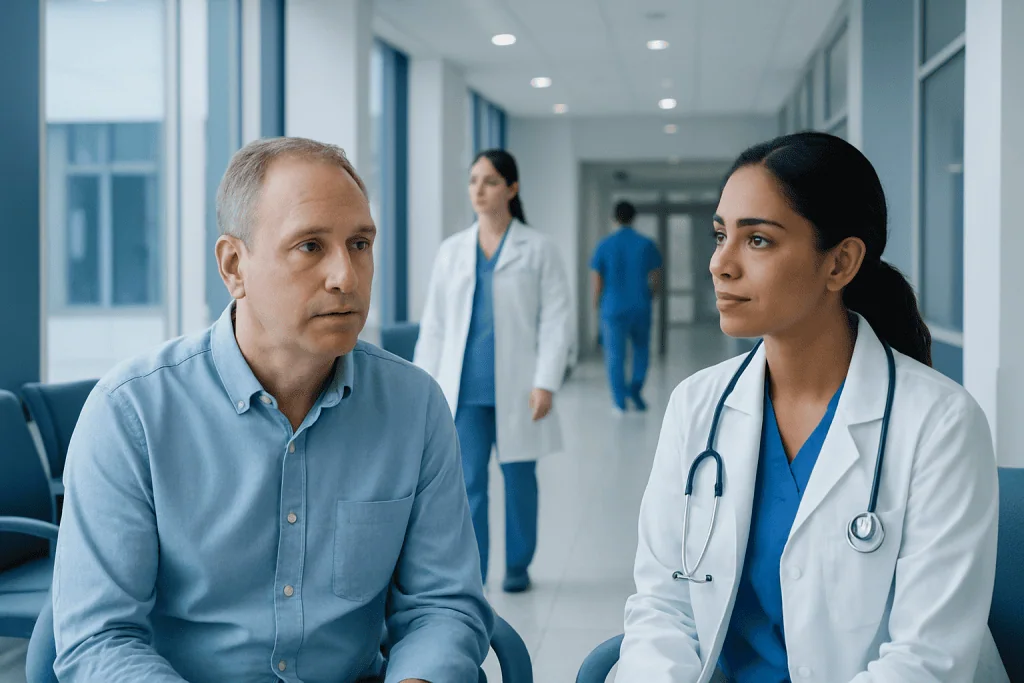
A prosthetic eye is a custom-made external shell or artificial eye that restores appearance after eye removal or severe eye damage. The total cost may include medical assessment, surgery where needed, the custom prosthesis, fitting visits, adjustments and long-term care.
Key Takeaways
- A prosthetic eye is a custom-made external shell or artificial eye that restores appearance after eye removal or severe eye damage.
- The total cost may include medical assessment, surgery where needed, the custom prosthesis, fitting visits, adjustments and long-term care.
- Health insurance coverage varies widely and may depend on medical necessity, policy terms, provider networks and prior authorisation.
- A realistic prosthetic eye is individually painted and shaped by an ocularist to match the other eye as closely as possible.
- Most prosthetic eyes need periodic polishing, review and eventual replacement as the socket and surrounding tissues change.
Prosthetic eye cost is not a single fixed amount because it depends on the type of prosthesis, the condition of the eye socket, custom fitting requirements and local healthcare coverage. A detailed plan from an ophthalmologist and ocularist can help patients understand which clinical and practical services are included.
Prosthetic Eye Cost: What Does It Include?
Prosthetic eye cost usually reflects more than the artificial eye itself. For many patients, the overall financial plan includes ophthalmology appointments, imaging or tests when appropriate, surgery to remove a painful or non-functioning eye or reconstruct the socket, the custom-made prosthesis, fitting sessions, follow-up appointments and future maintenance. The exact pathway differs greatly between patients.
A prosthetic eye does not restore vision. Instead, it is designed to sit comfortably over an implant or within an eye socket and provide a natural-looking appearance. It is typically created by an ocularist, a professional who makes and fits custom ocular prostheses. The ocularist matches the colour, iris pattern, size and surface appearance to the unaffected eye as closely as possible.
Patients considering treatment abroad should ask for an itemised treatment plan rather than relying on a single advertised figure. Useful questions include whether consultations, surgery, anaesthesia, hospital care, implant materials, the prosthesis, fitting visits, medications, travel-related care and later adjustments are included. Cost discussions should never replace a clinical assessment of eye health, comfort and socket function.
How Much Does a Realistic Prosthetic Eye Cost?
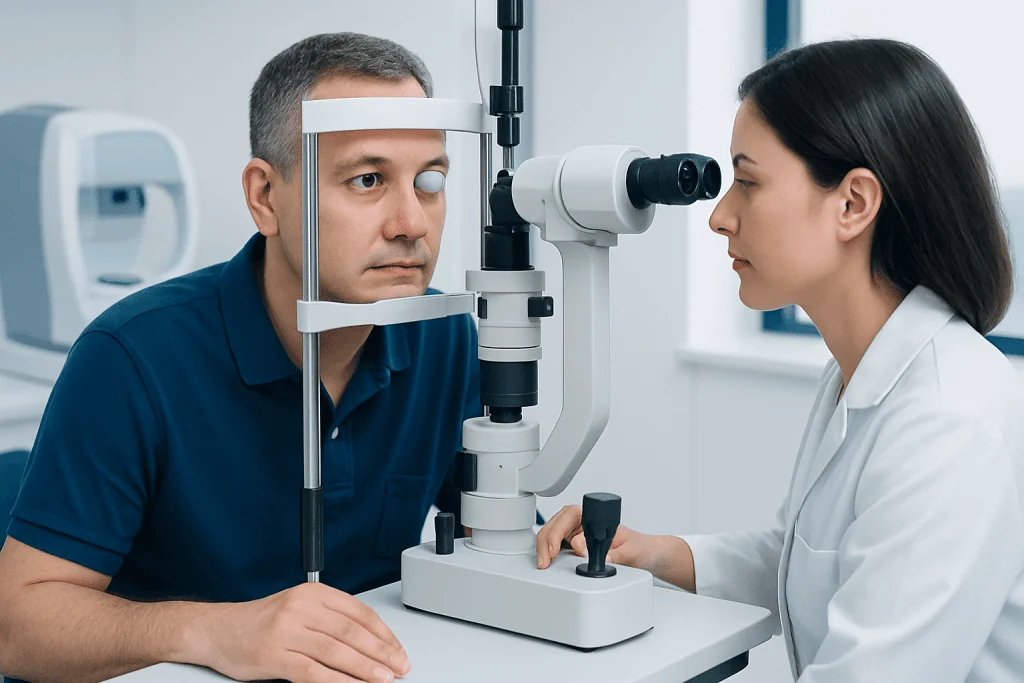
A realistic prosthetic eye cost varies substantially by location, the prosthesis design, the materials used, the complexity of the socket and the level of custom artistry required. A simple cosmetic shell for a stable eye may involve a different process from a full custom prosthesis after eye removal and orbital implant surgery. For this reason, a meaningful estimate requires an in-person or specialist assessment.
High-quality custom devices are individually shaped and hand-painted. The ocularist may assess eyelid position, socket depth, movement, tear drainage and the colour details of the fellow eye. These steps are important for comfort and appearance, but they can also affect the number of appointments required and the overall cost.
Patients should be cautious about choosing a prosthesis solely on price. An ill-fitting device may cause irritation, discharge, eyelid problems or reduced comfort. It is reasonable to compare written estimates, but patients should also ask about the ocularist’s experience, follow-up arrangements, repair services and the expected plan for polishing or replacement.
How a Prosthetic Eye Works and Who May Be a Candidate
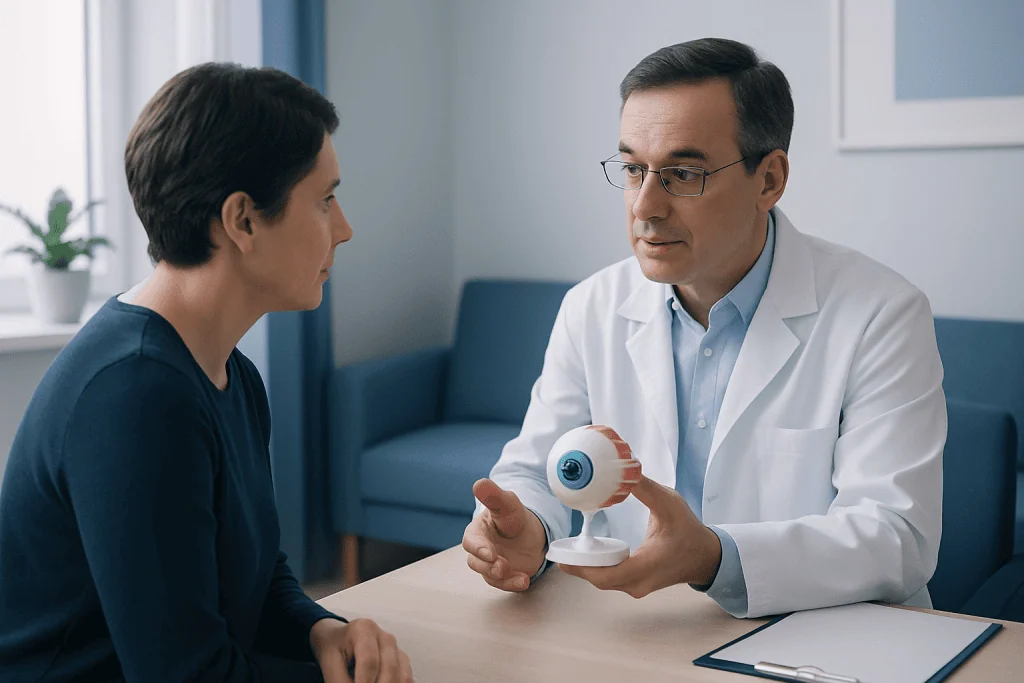
The term prosthetic eye can describe several devices. A scleral shell is a thin custom cover that fits over a small or disfigured eye when the eye remains in place. A full ocular prosthesis is generally used after the eye has been removed and the socket has healed, often over an orbital implant that supports the surrounding tissues. The most appropriate option depends on the underlying eye condition and the health of the eye socket.
Potential candidates include people who have lost an eye because of injury, severe infection, congenital differences, painful blind eye disease or certain tumours. Eye removal may be considered when an eye cannot be preserved safely or comfortably. The treating ophthalmologist will explain whether eye cancer or another condition needs specialist treatment before reconstructive planning can begin.
Candidacy is assessed individually. The eye care team considers whether inflammation or infection is controlled, whether the eyelids can close adequately, whether the socket has enough healthy tissue and whether additional reconstruction is needed. Emotional wellbeing is also important; adjustment to a change in appearance can take time, and supportive counselling may be helpful for some people.
The Fitting Process: Step by Step
The process begins with an ophthalmology assessment. If the eye is still present, the doctor determines whether it can be treated, protected or fitted with a cosmetic shell. If removal is clinically necessary, options such as enucleation, in which the eye is removed while eye muscles are preserved, or evisceration, in which internal eye contents are removed in selected cases, may be discussed.
After surgery, the surgeon may place an orbital implant and a temporary conformer. A conformer helps preserve the shape of the socket while it heals. Once healing is sufficient, usually after the surgeon confirms that swelling and tissue recovery are appropriate, the patient is referred to an ocularist for a custom fitting.
The ocularist takes an impression or measurements of the socket, creates a wax pattern, assesses eyelid contours and carefully matches the iris and sclera to the other eye. The final prosthesis is adjusted during fitting visits to improve comfort, movement and symmetry. In complex cases, coordination between oculoplastic surgeons, ophthalmologists and ocularists may be needed. Relevant surgical planning may include oculoplastic surgery.
Recovery, Benefits and Possible Risks
Recovery depends on whether a patient is receiving a cosmetic shell, undergoing eye removal or having socket reconstruction. Following surgery, swelling, bruising, tenderness and discharge can occur during the early healing period. The surgeon provides individual instructions about wound care, activity, medications and follow-up. The final custom prosthesis is usually fitted only when the socket has healed adequately.
The main benefits of a well-fitted prosthetic eye are improved facial symmetry, comfort and confidence in social settings. Some movement may be transferred from an orbital implant to the prosthesis, although movement is often not identical to that of a natural eye. A prosthesis cannot restore sight or fully recreate natural blinking, tear production or depth perception.
Possible concerns include dryness, mucus discharge, irritation, allergy to cleaning products, poor fit, eyelid changes or infection. Surgical risks can include bleeding, infection, implant exposure, scarring and the need for further reconstruction. Prompt review is important if there is increasing pain, marked redness, persistent discharge, fever, sudden swelling or a prosthesis that no longer fits comfortably.
For patients who need coordinated care, Acibadem International’s multidisciplinary specialists and JCI-accredited hospitals assess eye conditions, reconstructive needs and prosthetic rehabilitation for international patients.
Will Insurance Pay for a Prosthetic Eye?
Insurance may contribute to prosthetic eye care when the device is considered medically necessary, but coverage is not universal and depends on the individual policy, country, insurer and healthcare system. Some plans cover part of the prosthesis and associated medical care, while others limit coverage to specific providers, approved materials or a defined replacement interval.
Before treatment, patients can contact their insurer and ask whether ocular prostheses, eye removal surgery, orbital implants, socket reconstruction, ocularist visits, repairs and replacement devices are covered. It is also helpful to ask whether a referral, prior authorisation, clinical documentation or use of an in-network provider is required. Written confirmation is preferable when available.
Patients without full coverage can ask the care team for an itemised estimate and a staged care plan. This can clarify which elements are medically urgent, which can be scheduled later and which follow-up services may be needed. For travel-based care, patients should also confirm whether their insurance covers treatment received outside their home country.
How Long Do Prosthetic Eyes Typically Last?
Prosthetic eyes are durable, but they do not usually last forever. The need for replacement depends on changes in the socket, eyelids and facial tissues, as well as surface wear, staining, scratches and changes in the appearance of the natural eye. Children generally need replacement more often because their face and eye socket are still growing.
Adults may be able to use a prosthesis for several years when it remains comfortable and well fitted, but the timing should be determined by the ocularist and ophthalmologist rather than by a fixed schedule. Regular reviews can identify subtle fit problems before they lead to irritation or tissue changes. Polishing may be recommended periodically to maintain a smooth surface.
Daily handling and cleaning instructions vary by device and patient needs. In general, patients should use only products recommended by their ocularist, avoid abrasive cleaning methods and keep follow-up appointments. A damaged, rough or loose prosthesis should be assessed rather than repaired at home.
When to Seek Medical Care
Patients should arrange an ophthalmology or ocularist review if the prosthetic eye feels loose, painful, rough or difficult to insert, or if there is new discharge, recurrent irritation or a noticeable change in eyelid position. These symptoms may be related to dryness, deposits on the prosthesis, socket inflammation or a change in fit, and they are often treatable.
Urgent medical assessment is appropriate for severe or increasing pain, significant swelling, fever, spreading redness, bleeding, sudden inability to wear the prosthesis or concern for injury to the socket. People who still have vision in the other eye should protect it carefully and seek prompt care for any new visual symptom, injury or eye pain.
Regular eye examinations remain important, particularly when the remaining eye has conditions that could affect sight. Protecting the seeing eye with suitable eyewear during sports, work and other higher-risk activities is an important part of long-term eye health.
Frequently asked questions
How much do people who make prosthetic eyes make?
People who make and fit prosthetic eyes are commonly called ocularists. Their earnings vary by country, experience, employment setting, training, workload and whether they run an independent practice. Patients should not use an ocularist's income as a guide to the cost or quality of an individual prosthesis.
How much does a realistic prosthetic eye cost?
A realistic prosthetic eye cost depends on the country, the complexity of the socket, the type of device and the custom work needed for fitting and colour matching. The total may also include consultations, surgery, an implant, follow-up visits and maintenance. An ocularist and ophthalmologist can provide an itemised estimate after assessment.
Will insurance pay for a prosthetic eye?
Insurance may cover some or all of a prosthetic eye when it is medically necessary, but policies differ widely. Coverage can depend on prior authorisation, provider networks, replacement rules and the type of care required. Patients should check directly with their insurer before beginning treatment.
How long do prosthetic eyes typically last?
A prosthetic eye may last for several years, but replacement timing varies between people. Changes in the eye socket, eyelids, facial tissues or prosthesis surface can affect comfort and fit. Children often need more frequent replacement because they are still growing.
Can a prosthetic eye move like a natural eye?
A prosthetic eye may move to some degree, especially when an orbital implant transfers movement from the eye muscles to the prosthesis. However, its movement is usually less complete and less coordinated than that of a natural eye. The degree of movement depends on the surgery, socket anatomy and fit of the prosthesis.
Does a prosthetic eye restore vision?
No. A prosthetic eye is a cosmetic and rehabilitative device and does not restore sight in the affected eye. Protecting and monitoring the remaining seeing eye is therefore especially important. An ophthalmologist can advise on eye protection and regular visual health checks.
References
- American Academy of Ophthalmology
- American Society of Ocularists
- National Eye Institute
- NHS
This article is for general information only and is not a substitute for professional medical advice. Please consult a qualified doctor about your individual situation.
Explore treatments in Turkey — costs, top hospitals & a free quote
JCI-accredited · board-certified surgeons · reply within 24h
Add us as a Preferred Source to see more of our trusted health content across Google Search, AI Overviews and Discover.

More from the Health Library



Related Specialists
Prof. Dr. Mehmet Cihat Ünlü
Gynecology & Obstetrics
Dr. Mehmet Yörubulut
Radiology
Dr. Abdullah Derin
Internal Medicine
Dt. Serpil Terzioğlu
Oral & Dental Health