Iliac Crest Bone Graft: An Evidence-Based Patient Guide

The iliac crest is the upper edge of the pelvis and can provide the patient’s own bone for grafting. An iliac crest bone graft may support bone healing, spinal fusion, fracture repair, or reconstruction after injury or disease.
Key Takeaways
- The iliac crest is the upper edge of the pelvis and can provide the patient’s own bone for grafting.
- An iliac crest bone graft may support bone healing, spinal fusion, fracture repair, or reconstruction after injury or disease.
- The graft can be collected as cancellous bone, cortical bone, or a combination, depending on the surgical goal.
- Pain and temporary difficulty walking are common after surgery, particularly because both the graft site and the repair site need to heal.
- Risks include infection, bleeding, altered sensation, persistent donor-site pain, and failure of the receiving bone to heal as expected.
- Recovery plans vary according to the amount of graft taken and the operation performed at the receiving site.
An iliac crest bone graft is a procedure in which a surgeon takes a small amount of bone from the upper rim of the pelvis, called the iliac crest, and places it where new bone growth is needed. It remains a well-established option when a patient needs living bone cells and a natural scaffold to support healing, although the donor-site recovery is an important part of treatment planning.
Overview: what is an iliac crest bone graft?
An iliac crest bone graft is bone taken from the patient’s own pelvis and transferred to another area where bone needs help healing, rebuilding, or joining. The iliac crest is the curved upper border of the hip bone. Because it is close to the surface and contains both strong structural bone and bone-forming tissue, it has long been a useful donor site in orthopedic, spinal, dental, and reconstructive procedures.
This is an autograft, meaning the graft comes from the same person receiving it. The graft may be used to fill a bone defect, encourage a difficult fracture to heal, support a fusion, or restore bone after trauma, infection treatment, or removal of a lesion. Whether it is the best choice depends on the size and location of the defect, the planned operation, overall health, and the patient’s preferences.
For many procedures, the main advantage is biology: a patient’s own graft can provide a framework for new bone growth, proteins that signal healing, and living cells capable of making bone. However, this benefit needs to be balanced with the added incision and recovery at the hip donor site.
How the graft works and what type of bone it is
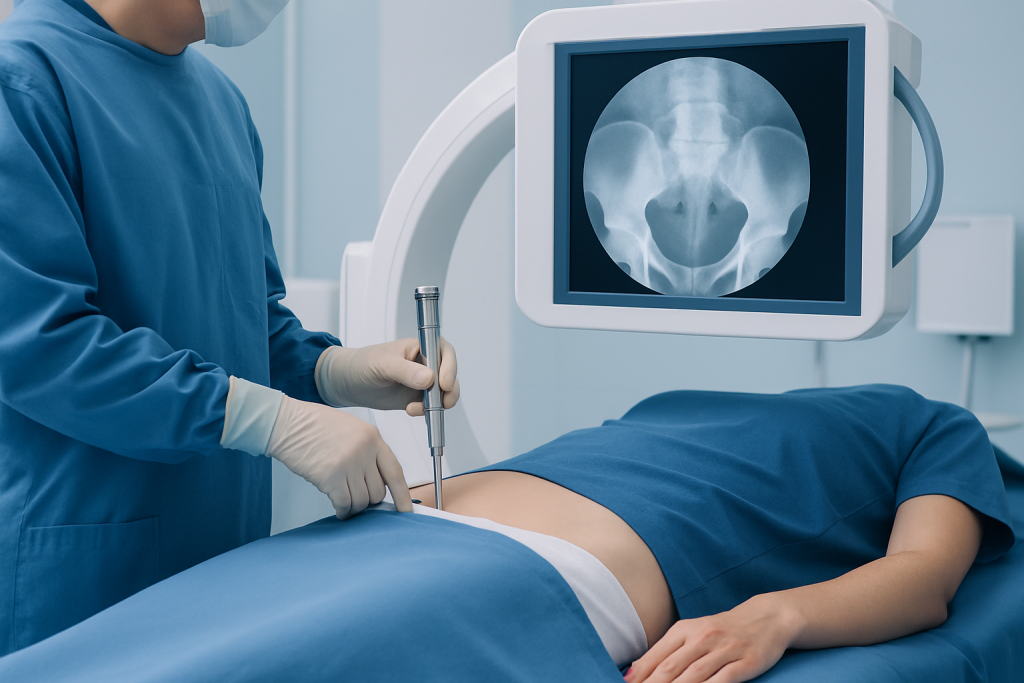
Bone grafting supports healing through several related processes. The graft can act as a scaffold on which the body grows new bone, a process called osteoconduction. It can also contain natural signals that encourage bone formation, known as osteoinduction. Fresh autologous graft may additionally contain living bone-forming cells, contributing to osteogenesis.
What type of bone graft is the iliac crest? It is an autologous bone graft, also called an autograft or ICBG. Surgeons may take soft, porous cancellous bone from inside the pelvic bone, denser cortical bone from the outer layer, or a corticocancellous graft containing both. Cancellous graft is commonly used to fill spaces and stimulate healing, while cortical graft can offer more structural support in selected reconstructions.
The amount of iliac crest bone graft volume needed is highly individual. A small dental or hand procedure may require relatively little graft, whereas a larger orthopedic reconstruction may require more. Imaging, the size of the defect, and whether the graft must bear load help the surgeon determine the appropriate graft type and volume.
Who may be a candidate for iliac crest bone grafting?

A clinician may recommend an iliac crest graft when there is a need for biologically active bone and other options are less suitable. Common settings include nonunion, in which a broken bone has not healed; selected spinal fusion procedures; bone loss after trauma; reconstruction around joints; and some oral or facial bone reconstructions. The need for grafting is determined by the underlying condition and the goals of the primary surgery.
Before recommending surgery, the team considers the receiving site, previous operations, bone quality, smoking or nicotine exposure, nutritional status, circulation, diabetes control, current medicines, and infection risk. These factors can influence both graft incorporation and wound healing. Existing infection typically needs careful assessment and treatment before grafting.
Alternatives may include donor bone from a tissue bank, synthetic graft materials, bone substitutes, biologic products, or techniques that avoid grafting. Each option has different benefits and limitations. A surgeon can explain why an autograft is being considered and whether a less invasive alternative would meet the same reconstructive need.
Iliac crest bone graft surgical technique: what happens during surgery
The iliac crest bone graft surgical technique is tailored to the procedure being performed. Surgery is usually done under anesthesia, often during the same operation in which the surgeon treats the fracture, fusion, or bone defect. The patient’s position is selected so the surgical team can safely reach the hip and the receiving site.
Typical iliac crest bone graft steps include preparing and draping the hip area, making an incision over the front or back portion of the iliac crest, and carefully exposing the bone while protecting nearby muscles and nerves. The surgeon removes the planned amount of cancellous, cortical, or corticocancellous bone, controls bleeding, and closes the donor-site tissues in layers. The graft is then shaped or packed into the receiving area and secured as needed for the reconstruction.
The operation may be performed through a traditional open approach or, in selected cases, with less extensive techniques designed to limit tissue disruption. The choice depends on the graft volume needed and the anatomy of the receiving site. Patients should ask their surgeon which approach is planned, where the donor-site scar is likely to be, and how the graft will be used.
Benefits, pain, mobility and recovery
The principal iliac crest bone graft advantages are its compatibility with the patient’s body and its ability to provide a biologically active graft. There is no risk of immune rejection because the tissue comes from the patient. It can be especially useful when the surgeon needs both a bone scaffold and a strong stimulus for healing.
How painful is an iliac crest bone graft? Pain at the hip donor site is common in the early days and weeks after surgery. Its intensity varies with the amount of graft collected, the surgical approach, the receiving-site operation, and the person’s individual recovery. Pain is usually managed with a personalized plan that may include prescribed medicines, ice when advised, wound care, positioning, and gradual activity; persistent or worsening pain should be discussed with the surgical team.
Can you walk after a bone graft from the hip? Many patients can stand and walk with assistance soon after surgery, but this depends mainly on the operation at the receiving site and on the surgeon’s weight-bearing instructions. Some people use crutches, a walker, or other support temporarily. If the graft was used in a leg, foot, ankle, pelvis, or spine procedure, restrictions may be stricter than those required by the hip donor site alone.
Initial wound healing often takes a few weeks, while deeper tissue healing and return to comfortable activity can take longer. Bone incorporation at the receiving site commonly takes months and is monitored with follow-up examinations and, when needed, imaging. Physical therapy may be recommended to restore movement, strength, balance, and safe walking.
What are the risks of an iliac crest bone graft?
What are the risks of an iliac crest bone graft? As with any operation, possible complications include bleeding, bruising, infection, delayed wound healing, blood clots, and reactions related to anesthesia. The donor site may remain tender or numb for a period of time, and some patients experience altered sensation around the incision due to irritation of small skin nerves.
Less common donor-site concerns include prolonged pain, weakness or discomfort during movement, contour changes at the pelvis, fluid collection, injury to nearby structures, or hernia in certain harvest locations. The receiving site also has its own risks, including incomplete graft incorporation, persistent nonunion, loss of alignment, hardware-related issues, or the need for additional treatment. The exact risk profile depends on the procedure and the patient’s health.
Smoking and nicotine products can impair bone and wound healing, so surgeons commonly recommend stopping them before and after surgery. Following activity restrictions, keeping follow-up appointments, maintaining adequate nutrition, and promptly reporting concerning symptoms can help reduce avoidable complications. No bone graft procedure can guarantee that bone will heal, but careful planning and follow-up support the best possible conditions for recovery.
When to seek medical care and follow-up support
Patients should contact their surgical team promptly if they develop increasing redness, warmth, drainage, a fever, worsening swelling, severe pain not controlled by the prescribed plan, new weakness, or numbness that is spreading. Urgent evaluation is also important for chest pain, shortness of breath, fainting, or sudden marked swelling or pain in a leg, as these symptoms can require immediate assessment.
After surgery, the team monitors both the hip donor site and the area that received the graft. Follow-up visits may include wound checks, review of pain and mobility, and imaging to assess healing. Patients should not resume driving, heavy lifting, sport, or unrestricted weight-bearing until their clinician confirms it is safe.
Acibadem International’s multidisciplinary specialists and JCI-accredited hospitals assess bone-healing needs and provide surgical and rehabilitation planning for international patients. A qualified orthopedic, spine, maxillofacial, or reconstructive surgeon can explain whether an iliac crest graft is appropriate and discuss the expected recovery for the specific procedure.
Frequently asked questions
Is iliac crest bone graft the same as a hip bone graft?
Yes. The iliac crest is the upper edge of the pelvic bone, often described as the hip bone. A hip bone graft usually refers to bone harvested from this area, although the precise harvest location may be the front or back part of the iliac crest.
Why is the iliac crest commonly used for bone grafting?
The iliac crest can provide a useful amount of the patient’s own cancellous and cortical bone. This bone can supply a scaffold, natural healing signals, and living bone-forming cells. It is also accessible during many reconstructive operations.
How long does it take for an iliac crest bone graft to heal?
Skin and soft tissue healing at the donor site often progresses over several weeks, but comfort and strength can improve more gradually. Healing at the area receiving the graft may take several months or longer, depending on the bone, procedure, and individual health factors. Follow-up imaging and examinations guide decisions about activity.
Will there be a scar after an iliac crest bone graft?
Yes, graft collection requires an incision and leaves a scar near the upper pelvis. Scar length and position vary according to the approach and the amount of bone required. Surgeons generally place the incision to allow safe access while considering comfort and appearance.
Can an iliac crest bone graft fail?
A graft may not fully incorporate if the receiving bone does not heal as intended. Factors such as infection, poor blood supply, movement at the repair site, nicotine exposure, some medical conditions, and the size of the defect can affect healing. A surgeon monitors progress and may recommend further treatment if healing is delayed.
What should patients avoid after a bone graft from the hip?
Patients should follow their individual instructions about walking, weight-bearing, bending, lifting, exercise, wound care, and driving. They should avoid nicotine products because nicotine can interfere with bone healing. It is important not to return to strenuous activity before the surgeon confirms that the graft and receiving site are healing safely.
References
- American Academy of Orthopaedic Surgeons
- American Association of Neurological Surgeons
- National Institute of Arthritis and Musculoskeletal and Skin Diseases
- MedlinePlus, U.S. National Library of Medicine
- Oral and Maxillofacial Surgery Clinics of North America
This article is for general information only and is not a substitute for professional medical advice. Please consult a qualified doctor about your individual situation.
Joint and spine care in Turkey — expert assessment & treatment
JCI-accredited · board-certified surgeons · reply within 24h
Add us as a Preferred Source to see more of our trusted health content across Google Search, AI Overviews and Discover.

More from the Health Library



Related Specialists

Dr. Moutasm Kasab
Family Medicine
Prof. Dr. Kerem Bilsel
Orthopedic Surgery & Traumatology
Fzt. Semih Kızıltan
Physical Medicine and Rehabilitation
Dr. Vildan Şengöz
Dermatology