Spinal Fusion
Spinal fusion is surgery that permanently joins two or more vertebrae to stabilize the spine, reduce painful movement, and help treat selected spinal disorders.
Quick answer
Spinal fusion is an operation that permanently joins two or more vertebrae so they heal into a single, solid bone. Performed under general anaesthesia, it typically combines bone graft with screws, rods or cages to stabilise a painful, unstable or deformed spinal segment, often after nerve decompression. Bone healing takes months, and most patients begin walking within a day of surgery.
What Is Spinal Fusion?
Spinal fusion is the surgical fusion of spinal vertebrae: an operation that permanently joins two or more of the bones that make up your spine, so that they heal into a single, solid piece. It is used when movement at a damaged or unstable spinal segment causes pain, threatens the spinal cord or nerves, or allows a deformity to progress. Once fusion is complete, that segment no longer moves independently, and the pain or instability driven by that abnormal movement often eases with it.
The mechanism is deliberately biological. During healing, new bone grows between the treated vertebrae, creating a solid connection in much the same way a broken bone knits together. Metal implants may hold everything in position while this happens, but the lasting result is bone, not hardware. That distinction matters when you weigh up the operation: you are not simply having screws put in; you are asking your body to convert two or more separate vertebrae into one.
Persistent back or neck pain affects far more than comfort. It can make work difficult, limit travel, interrupt sleep, and create understandable anxiety about walking, lifting, driving and staying independent. For some people, symptoms build gradually over years of disc degeneration or arthritis. For others, they follow an injury, a spinal deformity, or a diagnosis that has left the spine structurally unstable. When a physician recommends spinal fusion, it is natural to have questions, about the permanence of the operation, the prospect of reduced movement, the implants involved, and how long recovery really takes. These concerns are legitimate, and the decision should rest on a clear understanding of what is causing your symptoms and what surgery can realistically change.
Be clear about one thing from the start: spinal fusion is not intended for every type of back or neck pain. It is a carefully selected operation, used when painful movement, instability, deformity, nerve compression or structural damage at a specific part of the spine cannot be adequately managed with nonsurgical care or a less extensive procedure. The central aim is stability, joining vertebrae that should no longer move independently, and, where needed, relieving pressure on spinal nerves so that pain eases, neurological function is protected and daily life becomes workable again.
At Acibadem, spine care begins with identifying the source of symptoms rather than reacting to a single image or diagnosis. Orthopaedic spine surgeons, specialists from neurosurgery when appropriate, radiologists, pain specialists, rehabilitation physicians and anaesthesiologists may all contribute to the treatment plan. That collective view helps determine whether spinal fusion is appropriate, which levels of the spine actually require treatment, and whether a less invasive alternative would serve you better.
How does the bone actually heal into one piece?
Fusion depends on bone graft, material placed around or between the vertebrae to encourage them to unite. The graft may come from your own bone, from donor bone processed for medical use, or from a synthetic bone-graft substitute chosen for your clinical situation. Your own bone, taken from the pelvis or collected locally during the operation itself, contains living cells that actively build new bone, which is why it remains a reference standard; donor bone and synthetic substitutes avoid a second harvest site and provide a scaffold that your own cells grow into over time. Each option has trade-offs, and the choice is part of surgical planning rather than an afterthought. In many cases, implants such as screws, rods, plates or interbody cages hold the spine in the intended position while the bone heals. These implants provide internal scaffolding; the durable objective is biological fusion. If the bone fails to unite, a situation called nonunion or pseudarthrosis, the implants alone are not designed to carry the load indefinitely, which is why factors that affect bone healing are taken so seriously before surgery.
Which parts of the spine can be fused?
Fusion can be performed in the cervical spine of the neck, the thoracic spine of the upper and middle back, or the lumbar spine of the lower back. Patients sometimes describe it simply as a backbone operation, but the surgical reality is highly specific: the approach depends on the exact problem being treated. A surgeon may reach the spine from the front, the back, the side, or through a combined approach. The choice is individualised according to the affected spinal levels, the location of nerve compression, prior surgery, spinal alignment, bone quality and your overall health. Because fusion changes movement at one or more segments, it is planned with precision: the goal is to stabilise only the area that requires it while preserving healthy structures and mobility wherever that can be done safely.
When Is Spinal Fusion Necessary?
Spinal fusion becomes necessary when a clearly defined structural problem in the spine, instability, deformity, fracture, slippage or nerve compression that requires stabilisation, produces symptoms that are substantial, persistent or progressing, and when nonsurgical care or a smaller operation cannot address it adequately. Two conditions generally need to be met at once: the anatomy must show a problem that fusion can fix, and the symptoms must genuinely come from that problem. One without the other is not a good reason to operate.
What symptoms lead to an assessment for fusion?
Symptoms vary with the part of the spine involved. In the neck, patients may experience neck pain, pain radiating into the shoulder or arm, numbness or tingling in the hands, weakness, loss of coordination, or difficulty with balance. In the lower back, symptoms can include deep back pain, pain extending into the buttock or leg, numbness, weakness, reduced walking tolerance, or difficulty standing upright for any length of time. None of these symptoms, on its own, means you need fusion, but a pattern that persists, limits your function and matches a structural finding on imaging is the combination that puts the operation on the table.
How is the diagnosis confirmed?
The diagnosis is confirmed by matching your history and physical examination against imaging, never by imaging alone. Many people have age-related changes on scans that cause no pain and require no surgery, so a finding on an MRI is a starting point, not a verdict. Diagnostic assessment may include X-rays taken while standing to assess alignment, flexion-extension X-rays to evaluate instability, magnetic resonance imaging to examine discs, nerves and soft tissues, and computed tomography to define bone anatomy or assess a previous fusion. In selected cases, additional tests help clarify nerve function, bone health, inflammation, infection, or which level is truly generating the pain. This correlation work is unglamorous, but it is the single most important predictor of whether surgery will help: fusing the wrong level stabilises bone that was never the problem.
Do you have to try nonsurgical treatment first?
In most degenerative conditions, yes: a structured course of nonsurgical treatment is expected before fusion is recommended. Depending on the diagnosis, this may include physical therapy, activity modification, medications, image-guided injections, weight management, smoking cessation or other pain-management strategies; many of these sit within non-surgical procedures that a spine team can coordinate. Surgery enters the discussion when these measures no longer provide acceptable relief, when symptoms significantly limit quality of life, or when there is a risk of progressive nerve damage, deformity or instability.
There are exceptions where fusion is recommended sooner, because the anatomy itself demands stabilisation. An unstable spinal fracture, certain tumours or infections affecting the spine, severe deformity, or a condition causing progressive spinal cord compression may all require earlier surgery. In these circumstances, the purpose of the operation extends beyond pain relief: it protects the spinal cord, the nerves, or the mechanical integrity of the spine itself.
Conditions Spinal Fusion Can Address
Spinal fusion is used across a range of spinal disorders, but not every patient with these diagnoses needs fusion. The appropriateness of surgery depends on the degree of instability, the pattern of nerve compression, the severity of symptoms, your functional limitations and the expected benefit of stabilisation.
- Degenerative spondylolisthesis: A vertebra slips forward relative to the vertebra below it, potentially causing back pain, narrowing around the nerves, and leg symptoms.
- Isthmic spondylolisthesis: A defect in part of a vertebra permits slippage, often in the lower spine and sometimes in younger or active patients.
- Spinal stenosis with instability: Narrowing of the spinal canal or nerve openings compresses nerves. Fusion may be considered when decompression alone would create instability, or when instability already exists.
- Degenerative disc disease in selected cases: A severely damaged disc may contribute to painful segmental movement, after careful assessment has identified it as a likely pain generator.
- Recurrent disc herniation: Repeated herniation at the same level, or significant disc collapse, may make fusion more appropriate than another decompression alone.
- Spinal deformity: Scoliosis, kyphosis or other alignment disorders may require fusion to correct a curve or prevent its progression.
- Spinal fractures: Trauma-related fractures that compromise stability may require internal fixation and fusion to protect the spinal cord and maintain alignment.
- Spinal tumours or infection: When disease weakens bone or destabilises the spine, fusion can form part of treatment alongside oncology, infectious disease or other specialist care.
- Failed previous spine surgery: Persistent instability, nonunion, adjacent deformity or recurrent compression after earlier surgery may require revision fusion.
- Cervical myelopathy or radiculopathy: Degenerative changes in the neck can compress the spinal cord or nerve roots. Fusion may follow decompression to preserve cervical alignment and stability.
When is fusion part of scoliosis surgery?
Scoliosis surgery relies on fusion as its structural foundation: once the surgeon corrects the curve with instrumentation, fusion is what holds the correction permanently, preventing the spine from drifting back as the implants age. The same logic applies to kyphosis and other deformity operations. Deformity fusion is typically more extensive than degenerative fusion, more levels, longer surgery, longer recovery, and it is planned differently, with whole-spine alignment rather than a single painful segment as the target. If deformity is your primary diagnosis, the dedicated page on scoliosis surgery covers that pathway in detail.
What are the alternatives to a fusion?
The main alternatives are decompression without fusion, motion-preserving surgery, and continued nonsurgical care. For patients with uncomplicated nerve compression and no instability, a decompression-only procedure, removing the disc fragment or bone that is pressing on the nerve, may be sufficient, with a smaller operation and a faster recovery. Some carefully selected patients are candidates for motion-preserving procedures such as disc replacement, which aim to relieve symptoms while keeping the segment mobile; suitability depends heavily on individual anatomy. A serious spine consultation should address these alternatives directly, including their advantages, their limitations and why they do or do not fit your case. If a surgeon cannot explain why fusion is preferable to a smaller operation for you specifically, that explanation is worth pursuing before consenting.
How Spinal Fusion Surgery Is Performed
Spinal fusion surgery is performed under general anaesthesia and typically combines three elements: reaching the affected level safely, relieving pressure on nerves where needed, and placing graft and implants so the vertebrae can heal together. What follows is the sequence in practical terms, from planning through to the operating theatre.
Careful planning before surgery
Preparation begins with a detailed clinical evaluation and review of imaging. The spine surgeon identifies the levels responsible for symptoms, assesses overall alignment, and considers factors that influence healing, smoking, diabetes, osteoporosis, nutritional status and previous surgery among them. For complex cases, the plan may be reviewed by a multidisciplinary spine board or, when cancer is involved, a multidisciplinary tumour board.
You may undergo blood tests, an anaesthesia assessment and additional medical evaluation if you have heart, lung, kidney or other health conditions. If low bone density is suspected, bone-health assessment and treatment may be recommended before surgery, because screws hold poorly in weak bone and grafts heal more slowly. Nicotine deserves particular emphasis: it interferes with bone healing and increases the risk of fusion failure, so patients are generally advised to stop smoking and avoid nicotine products well before surgery and throughout recovery. This is one of the few outcome factors entirely within your control.
Planning also extends beyond the hospital. Before surgery, it helps to prepare your home for the first weeks of recovery, moving frequently used items to waist height so you can avoid bending and reaching, arranging a firm chair with armrests, and organising help with shopping, cooking and transport. Discuss your work situation with the surgical team in advance, since the timing of any return depends on both the procedure performed and the physical demands of the job. Sorting these practicalities early means recovery can begin the moment you leave hospital, rather than being improvised around it.
What happens during the vertebrae fusion procedure?
The vertebrae fusion procedure follows a defined sequence, adapted to your anatomy and diagnosis:
- Anaesthesia and positioning. You are placed under general anaesthesia and positioned carefully to protect pressure points and give the surgical team access to the required part of the spine.
- Approach. The surgeon reaches the spine from the front, back or side. A cervical fusion is commonly approached through the front or back of the neck; a lumbar fusion may be performed through the back, the abdomen or the flank.
- Decompression, if needed. Part of a damaged disc, a bone spur, thickened ligament or other tissue compressing the spinal cord or nerve roots is removed.
- Graft placement. In an interbody fusion, the damaged disc material is removed and an implant filled with bone graft is placed in the disc space, restoring disc height, improving alignment and creating a surface for bone healing. In other procedures, graft is laid along the back or side of the spine.
- Fixation. Where needed, screws, rods, plates or other spinal implants hold the vertebrae stable while the bone unites.
- Verification and closure. The surgeon checks alignment and implant position carefully, usually with intraoperative imaging, before closing the incision.
Depending on complexity, the number of levels treated and the approach used, a spinal fusion may take several hours. More extensive deformity correction or revision surgery can take longer.
What are the main types of spinal fusion?
The main types of fusion are named for where the surgeon works and where the graft goes. In the neck, anterior cervical discectomy and fusion (ACDF) removes a damaged disc through the front of the neck and fuses the adjacent vertebrae; posterior cervical fusion works from the back, often across several levels. In the lower back, posterolateral fusion places graft along the sides and back of the vertebrae, while interbody techniques place a cage in the emptied disc space: posterior lumbar interbody fusion (PLIF) and transforaminal lumbar interbody fusion (TLIF) work from the back, anterior lumbar interbody fusion (ALIF) works through the abdomen, and lateral approaches reach the disc through the flank. Each route has advantages and constraints, access to the disc, protection of nerves, exposure of blood vessels, correction of alignment, and surgeons frequently combine techniques. The right type is the one that solves your specific problem safely, not the one with the most appealing name.
How does fusion differ from other back surgery?
Fusion is one of several categories of back surgery, and it sits at the structural end of the spectrum. Decompression operations, discectomy, laminectomy, foraminotomy, remove whatever is pressing on a nerve but leave the segment mobile; they treat compression, not instability. Disc replacement removes a damaged disc but substitutes an artificial joint rather than fusing the level. Fusion is chosen when the problem is movement itself: a slipping vertebra, a collapsing deformity, a fracture, or a segment that would become unstable if decompressed. Understanding which category your problem belongs to is the clearest way to judge whether the operation proposed matches the diagnosis given.
Technology and safety during spine surgery
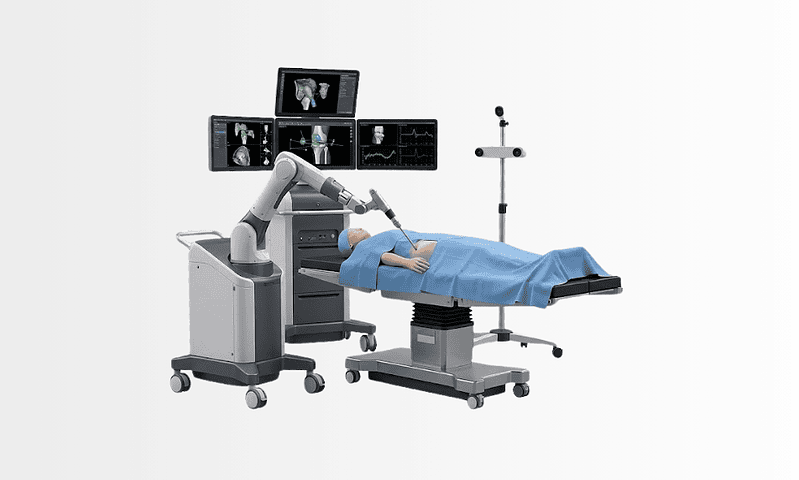
Modern fusion planning and surgery may use advanced imaging, computer-assisted navigation and intraoperative imaging to support accurate implant placement and confirm alignment before the wound is closed. Three-dimensional imaging is particularly useful in complex anatomy, revision procedures, deformity correction and regions where precision is non-negotiable. In selected procedures, surgical microscopes or magnification systems help visualise delicate neural structures, and intraoperative neuromonitoring observes signals from the spinal cord and nerves throughout the operation, especially during deformity correction or work near critical neurological structures.
Minimally invasive or muscle-sparing techniques suit some patients, using smaller incisions and specialised instruments to limit disruption of surrounding tissue. A smaller incision, however, is not automatically the better option: the preferred approach is the one that allows safe decompression, reliable stabilisation and appropriate correction for your condition. Blood-conservation strategies, infection-prevention protocols, careful positioning and multimodal pain management round out the safety framework. The specific technology used depends on the type of fusion and is discussed during preoperative planning.
Is spinal fusion a serious surgery?
Yes, spinal fusion is major surgery, and it is honest to treat it as such. It involves general anaesthesia, work close to the spinal cord or nerve roots, permanent implants and months of bone healing. At the same time, it is a well-established operation performed routinely in specialised spine centres, with planning, monitoring and rehabilitation protocols built around exactly these risks. The seriousness scales with scope: a single-level fusion for a localised problem is a very different undertaking from a multilevel deformity correction. What makes the operation safe is not minimising its seriousness but respecting it, through accurate diagnosis, careful patient selection and disciplined perioperative care.
Recovery After Spinal Fusion
After surgery you are monitored in a recovery area and then transferred to a hospital room; some complex cases need closer monitoring at first. Nausea prevention, blood-clot prevention, breathing exercises and early mobilisation are all built into the recovery plan from the outset. Hospital stay varies considerably: a limited, uncomplicated fusion may involve a relatively short stay, while multilevel fusion, deformity correction, revision surgery, or surgery for trauma or tumour requires more time. Discharge is based on clinical readiness, pain controlled with oral medication, safe mobility, stable neurological findings, and a clear plan for wound care, medication and follow-up. Before you leave, the team also explains which changes they want to hear about promptly, such as fever, wound drainage, new weakness, calf swelling or breathing difficulty, so that nothing important is left to guesswork.
How bad is the pain after spinal fusion surgery?
Pain after spinal fusion is real and expected, particularly in the first days: a deep ache at the surgical site, muscle soreness from the approach, and stiffness with movement are all normal. It is managed with a personalised combination of medications: a multimodal approach designed to keep you comfortable enough to move while reducing unnecessary reliance on opioids. Most patients find the pain changes character over the early weeks: sharp surgical pain fades first, muscular soreness lingers longer, and nerve-related symptoms may fluctuate before settling as irritated nerves calm down. Pre-existing nerve pain sometimes improves quickly after decompression and sometimes recedes slowly over months. How Acibadem approaches this phase is described in detail in the guide on how we control pain after surgery and invasive procedures.
Can you walk after an L4–L5 fusion?
Yes, most patients stand and take their first assisted steps within the first day after an L4–L5 fusion, unless there is a medical reason to go more slowly. Walking is not merely permitted; it is part of the treatment. It reduces clot risk, supports lung function, and begins retraining the muscles that protect the healing segment. A physical therapist teaches safe techniques for getting in and out of bed, walking, climbing stairs and protecting the surgical area during daily activities. A brace is recommended for certain procedures, though it is not required after every fusion. Bending, twisting and lifting remain restricted; walking, from the start, is encouraged.
| Time Period | What Patients Can Expect |
|---|---|
| Day 1 | Monitoring after anaesthesia, pain management, neurological checks, and assisted standing or walking when appropriate. Physical therapy often begins with safe-movement instruction. |
| First week | Gradual improvement in mobility, continued walking, wound-care instruction, and adjustment to oral pain medication. Fatigue and soreness are common. Travel plans follow the surgeon’s guidance. |
| First month | Walking distance increases gradually. Restrictions on bending, twisting, heavy lifting and driving usually continue until cleared. Follow-up may include clinical review and imaging. |
| Months 2–3 | Many patients begin structured rehabilitation or progress activity under guidance. Return to desk-based work may be possible for some, depending on symptoms and the type of surgery. |
| Months 3–6 | Strength, endurance and confidence in movement continue to build. Imaging may monitor alignment and signs of healing. Physically demanding work requires individualised clearance. |
| Longer term | Bone fusion continues to mature over many months. Ongoing exercise, bone-health care, and attention to posture and body mechanics support long-term spinal function. |
What can you expect three months after spinal fusion?
By three months, most patients are past the hardest phase of recovery: walking comfortably for longer distances, sleeping better, needing far less pain medication, and often working again if the job is sedentary. Structured rehabilitation is usually well underway, rebuilding core strength and movement confidence. Two honest caveats apply. First, the fusion itself is still maturing: the bone is healing but not yet at full strength, so restrictions on heavy lifting and high-impact activity typically remain. Second, recovery is rarely linear: good weeks are followed by sore ones, particularly after increases in activity, and this pattern is normal rather than a sign that something has gone wrong. Follow-up imaging around this stage helps the surgeon confirm that alignment is holding and healing is progressing.
How long does it take for a spinal fusion to heal completely?
A spinal fusion usually takes several months to heal solidly, and the new bone continues to mature and strengthen for a year or more after surgery. This is worth understanding, because how you feel and how healed the bone actually is are two different things: many patients feel dramatically better long before the fusion is structurally mature, and the activity restrictions that continue during this period exist precisely to protect bone that is still knitting. Healing is confirmed over time through follow-up examinations and imaging: X-rays at routine intervals and, where there is doubt, computed tomography, which shows bridging bone most clearly. The pace of healing varies with the number of levels fused, the graft used, bone quality, nutrition, medical conditions such as diabetes, and above all nicotine exposure, which slows bone formation throughout this entire period, not only in the first weeks. Patience during this stage is not passivity; it is part of the treatment.
Can you live a normal life after a lumbar fusion?
Many people return to a life they consider normal after lumbar fusion, working, travelling, exercising, lifting sensibly and sleeping without the pain that drove them to surgery. The fused segment no longer moves, but the remaining spine, hips and posture adapt, and most everyday activities do not depend on motion at a single lumbar level. Realism is still required. Some patients keep long-term limits on extreme bending or high-impact sport; the segments adjacent to a fusion carry additional load over the years and benefit from ongoing core strength, healthy weight and sound body mechanics. A good outcome usually means substantially less pain and substantially more function, not a spine that feels twenty years younger.
Why Timely Treatment Can Matter
Not every spinal condition progresses, and many patients continue safely with nonoperative care under medical supervision. But delaying assessment while symptoms worsen has consequences. Ongoing nerve compression may lead to persistent numbness, weakness, loss of dexterity, declining walking ability, or chronic pain that becomes harder to treat. In cervical myelopathy, progressive spinal cord compression can affect balance, hand function, coordination and bladder control, and function lost to long-standing cord compression does not always return after surgery.
Mechanical problems can also worsen with time. Vertebral slippage may progress, a deformity may stiffen and become harder to correct, and an unstable fracture may threaten alignment and neurological structures. In these circumstances, surgery becomes more complex than it would have been earlier. None of this means every patient should rush to fusion. It means that timely expert evaluation matters, especially when neurological symptoms, spinal imbalance or functional decline are already present.
Patients who have been told they need a fusion often benefit from a second opinion: when the diagnosis is uncertain, when symptoms and imaging do not seem to match, when extensive multilevel surgery has been proposed, or when they simply want every reasonable alternative laid out. A thoughtful second opinion either confirms the original recommendation or clarifies a different path, both outcomes are valuable.
Potential Benefits of Spinal Fusion
When fusion is appropriately selected and performed for a clearly defined condition, the potential benefits include the following:
| Benefit | What It Means for You |
|---|---|
| Spinal stability | Joining unstable vertebrae can reduce abnormal movement that contributes to pain, deformity, or risk to nerves. |
| Relief of nerve compression | When fusion is combined with decompression, it may reduce pain radiating into an arm or leg, numbness, tingling, or weakness caused by pressure on a nerve. |
| Improved alignment | In selected cases of slippage or deformity, surgery can restore a more balanced spinal position and improve the mechanics of standing and walking. |
| Improved daily function | Reduced symptoms and greater stability may make it easier to walk, sleep, work, travel, and take part in rehabilitation and other valued activities. |
| Protection of neurological function | For patients with progressive spinal cord or nerve compression, surgery may help prevent further neurological deterioration. |
| Durable structural support | Once bone healing is achieved, the fused segment is designed to provide lasting stability without depending solely on implants. |
Define success realistically before you consent. A good result usually means less pain, improved nerve symptoms, greater walking tolerance, better function and a stable treated segment. It does not necessarily mean the complete absence of all back or neck discomfort, particularly when arthritis, degeneration or other conditions affect additional parts of the spine that were never operated on.
What Influences Outcomes After Spinal Fusion?
Outcomes after spinal fusion depend on the diagnosis, the accuracy of the surgical indication, the complexity of the procedure and your own participation in recovery. The most important foundation is confirming that the treated spinal level is truly responsible for the symptoms or instability, which is why thorough clinical assessment and careful interpretation of imaging come before everything else. An expertly executed fusion of the wrong level helps no one.
Bone healing is the second pillar. Smoking and nicotine exposure are strongly associated with a higher risk of nonunion, pseudarthrosis, in which the bones fail to fuse fully. Poorly controlled diabetes, osteoporosis, malnutrition, chronic steroid use and certain other medical conditions also impair healing. Addressing the modifiable risks before surgery, in partnership with your treating doctors, improves the conditions for recovery in ways no operating-theatre technology can replicate.
Complexity matters too. A single-level fusion for a localised condition has a different recovery profile from multilevel surgery for deformity, trauma or revision treatment. Prior operations leave scar tissue and altered anatomy. And the degree and duration of nerve compression influence how completely numbness or weakness improves: nerves recover slowly, and long-compressed nerves do not always return fully to normal even after a technically flawless decompression.
Your part of the work is unglamorous but decisive: walk as advised, avoid activities that overload the healing segment, follow the medication plan your treating doctor sets, attend follow-up appointments and start rehabilitation at the right time. Maintaining a healthy weight, supporting bone health, and building core strength and general conditioning under professional guidance all contribute to long-term function.
All surgery carries risk, and fusion is no exception. Potential complications include infection, bleeding, blood clots, anaesthesia-related complications, nerve injury, persistent symptoms, implant problems, spinal fluid leak in certain procedures, nonunion, and stress or degeneration in the spinal segments adjacent to the fusion over time. These risks vary with the procedure and your health profile. A responsible surgical discussion covers not only the expected benefits but also the alternatives, the uncertainties, and the specific measures used to reduce each risk.
What are the symptoms of nerve damage after spinal fusion?
Nerve-related problems after fusion typically announce themselves as new or worsening numbness, tingling or burning pain in an arm or leg, weakness that was not present before surgery, such as difficulty lifting the foot or gripping, or changes in bladder or bowel function. Distinguishing these from normal post-operative symptoms matters: surgical-site soreness, muscle ache and the gradual fading of pre-existing nerve pain are expected, whereas a neurological deficit that is new or clearly progressing is not part of ordinary healing, and spine teams assess such findings without delay. It is also worth knowing that nerves irritated before surgery can remain noisy for weeks or months while they recover; slow improvement and new deterioration are very different trajectories, and follow-up examinations exist precisely to tell them apart.
A Considered Decision
Spinal fusion is a major decision, and it deserves to be treated as one. It can be a meaningful treatment when pain, instability, deformity or nerve compression has a well-defined structural cause and conservative care is no longer enough, and it is the wrong operation when that cause has not been clearly established. The most appropriate plan is the one that addresses the actual problem, respects your goals, and weighs the potential benefits of stabilisation against the recovery it demands and the risks it carries. Understanding your diagnosis, seeing how your imaging matches your symptoms, and hearing the alternatives explained plainly, including doing less, or doing nothing surgical at all, is the foundation on which a sound decision about fusion rests.
Preparation
- Your spine surgeon reviews your symptoms, medical history, imaging studies, and current medications to determine whether spinal fusion is appropriate. Preoperative blood tests and anesthesia assessment may be needed. You may be asked to stop smoking and temporarily adjust blood-thinning medicines under medical guidance.
Aftercare
- Early, guided walking is usually encouraged after surgery, while bending, lifting, and twisting are restricted during initial healing. Pain management, wound care, and follow-up imaging help monitor recovery and fusion progress. Physical therapy may be recommended to rebuild mobility and strength.
Frequently Asked Questions
What is spinal fusion surgery and why is it performed?
Spinal fusion is an operation that permanently connects two or more vertebrae so they heal into one stable bone. It may be recommended for conditions causing spinal instability or persistent nerve compression, including degenerative disc disease, spondylolisthesis, scoliosis, fractures, recurrent disc problems, or some tumors and infections. The aim is to reduce painful movement, protect nerves, and improve spinal alignment. Acibadem spine specialists assess imaging, symptoms, and overall health before recommending treatment.
How do I know if I need spinal fusion instead of non-surgical treatment?
Spinal fusion is usually considered when symptoms continue despite appropriate non-surgical care, such as medication, physiotherapy, activity modification, or injections. It may also be needed when scans show significant instability, deformity, nerve compression, or a fracture requiring stabilization. Not every back or neck pain problem needs fusion. Your surgeon will compare your examination findings with MRI, CT, or X-ray results and discuss whether decompression alone, another procedure, or continued conservative care may be suitable.
What types of spinal fusion are available?
The approach depends on the affected spinal level and the underlying condition. Fusion may be performed from the front, back, side, or through a combined approach. Common procedures include anterior cervical fusion, posterior lumbar fusion, transforaminal lumbar interbody fusion, and minimally invasive fusion techniques. Bone graft material and implants such as screws, rods, cages, or plates may be used to support healing. Acibadem specialists select the approach based on your anatomy, diagnosis, prior surgeries, and treatment goals.
Is spinal fusion a major operation and how long does it take?
Spinal fusion is a significant surgical procedure, although the extent varies greatly. A single-level fusion may be less complex than surgery involving several spinal levels, deformity correction, or revision surgery. The operation can take several hours, depending on the location of the spine, surgical approach, number of levels treated, and whether nerve decompression is needed. It is performed under general anesthesia. Your surgical team will explain the planned procedure, expected duration, and monitoring requirements before surgery.
What are the risks and possible complications of spinal fusion surgery?
As with any major surgery, spinal fusion carries potential risks. These can include bleeding, infection, blood clots, reactions to anesthesia, nerve injury, leakage of spinal fluid, persistent pain, and problems with implants. In some patients, the bones may not fuse fully, which can require further treatment. Adjacent spinal segments may also experience increased stress over time. Careful preoperative evaluation, appropriate surgical planning, and postoperative follow-up help reduce risks, but every patient should discuss their individual risk profile with the surgeon.
How long will I stay in hospital after spinal fusion?
Hospital stay depends on the type and extent of fusion, your pain control, mobility, and any medical conditions that need monitoring. Some patients undergoing less extensive procedures may leave within a few days, while multilevel or complex spinal surgery can require a longer stay. Early walking is commonly encouraged when medically appropriate. Before discharge, the team ensures you can move safely, manage pain with a suitable plan, understand wound care, and know when to seek medical attention.
What is recovery like after spinal fusion and when can I return to normal activities?
Recovery is gradual because the fused bones need time to heal. Walking and gentle daily activities often begin early, but bending, twisting, lifting, driving, and sports are restricted for a period determined by your surgeon. Many patients need several weeks before returning to desk-based work, while physically demanding jobs may require longer. Physiotherapy may be recommended to restore mobility and strength safely. Follow-up imaging and appointments help the surgeon monitor fusion progress and adjust activity guidance.
Can I travel to Turkey for spinal fusion surgery, and when can I fly home?
International patients can travel to Turkey for spinal fusion after a remote review of medical records and imaging, followed by an in-person assessment when needed. The timing of return flights depends on the procedure, mobility, wound condition, pain control, and risk of blood clots. Patients should not plan immediate long-distance travel after surgery. Acibadem’s international patient services can help coordinate appointments, hospital arrangements, interpreter support, and follow-up planning with your treating team.
Will spinal fusion completely relieve my back pain or leg pain?
Spinal fusion can provide meaningful relief when pain is clearly linked to instability, deformity, or nerve compression treated by surgery. Leg or arm pain caused by nerve pressure may improve differently from long-standing back or neck pain. Results depend on the diagnosis, number of spinal levels involved, nerve health, smoking status, bone quality, rehabilitation, and other factors. Surgery is intended to improve stability and symptoms, but it cannot always eliminate every source of pain. Your surgeon will discuss realistic expectations for your situation.
What should I do before spinal fusion surgery?
Before surgery, your team may request blood tests, imaging, anesthesia assessment, and review of medications and medical conditions. It is important to tell the team about blood thinners, diabetes medicines, allergies, supplements, and previous operations. Smoking and nicotine use can interfere with bone healing, so stopping before and after surgery is strongly advised. Arrange help at home for the early recovery period and follow fasting instructions carefully. Acibadem specialists provide personalized preparation guidance based on your planned procedure and health needs.
What has the greatest effect on the cost of spinal fusion?
The main cost influences are the spinal diagnosis, number of levels requiring treatment, surgical approach, implant and bone-graft requirements, complexity of decompression, hospital stay and any rehabilitation or follow-up needs. A review of imaging and medical history is needed for an individual estimate.
How can I get a personalised spinal fusion quote?
You can request a free consultation and share available imaging reports, scan files, medical history and details of previous spine treatment. The clinical team can advise whether further assessment is required before preparing a personalised plan and quote.
Does a spinal fusion package include implants and hospital care?
Package contents vary by treatment plan and provider. It is important to ask whether the estimate includes implants, surgeon and anaesthesia services, pre-operative tests, hospital accommodation, medicines, interpreter support, rehabilitation planning and follow-up.
Why might the final cost change after an initial assessment?
A quote may change if specialist review identifies additional spinal levels, a different surgical approach, more complex implants, previously unrecognised medical needs or additional testing. The treatment team should explain any recommended changes before treatment proceeds.
How long should an international patient plan to stay for spinal fusion?
The required stay depends on the operation, recovery progress, need for post-operative checks and fitness to travel. Your surgeon and international patient team can provide travel guidance based on your individual procedure and recovery.
Is spinal fusion always necessary for back or neck pain?
No. Many people with spinal pain do not require fusion. Non-surgical care, decompression without fusion or motion-preserving procedures may be considered in appropriate cases. A spine specialist determines suitability after clinical examination and imaging review.
Medically reviewed by the Acıbadem International Medical Board September 13, 2026
See our medical review board →
Update history
- PublishedAugust 10, 2026
- Medical review approvedSeptember 13, 2026
- Last content updateSeptember 12, 2026
Trusted care for international patients
From the Acibadem Blog

When Spinal Fusion Does Not Fuse: Pseudarthrosis Explained and What Revision Involves
A failed spinal fusion, called pseudarthrosis or nonunion, means the bone graft placed between vertebrae did not grow into one solid piece within the…

When Is Spinal Fusion Actually Necessary? The Honest Criteria
Spinal fusion is generally necessary only when the spine is unstable or deformed, from spondylolisthesis, fractures, progressive scoliosis, infection, or tumors, or when relieving…

Spinal Fusion vs Artificial Disc Replacement: Motion, Adjacent Levels and How Surgeons Choose
Spinal fusion permanently joins two vertebrae with bone graft and hardware, trading motion at that level for stability. Artificial disc replacement removes the worn…

Spinal Fusion Recovery: The Honest Timeline From Hospital to Full Life
Most people spend two to four days in the hospital after spinal fusion, walk within a day of surgery, and return to desk work…