Non Surgical Procedures
Non surgical procedures include minimally invasive aesthetic treatments such as injectables, skin rejuvenation, and contouring options designed to improve appearance without major surgery or long downtime.
Quick answer
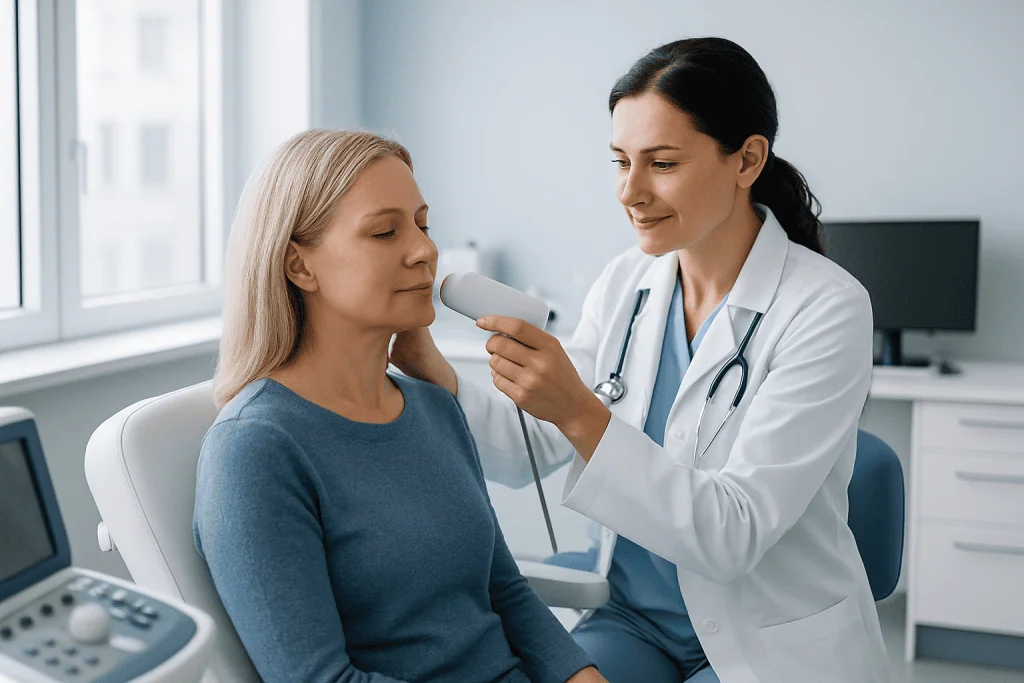
Non surgical procedures are aesthetic treatments performed without incisions or general anaesthesia. They include injectable treatments, laser and light therapies, radiofrequency and ultrasound skin tightening, chemical peels and non surgical body contouring. Most are completed in an outpatient visit with limited downtime. They suit mild to moderate concerns; significant sagging or skin excess usually still needs surgical assessment.
What Are Non Surgical Procedures?
Non surgical procedures are medical treatments that improve the appearance of the face, neck, skin or body without incisions, general anaesthesia or a hospital stay. They work through injections, controlled energy, light, laser, ultrasound, radiofrequency, medical-grade topical solutions or other minimally invasive methods, and most are performed in an outpatient setting. Many people first look into a face lift and then discover that some of their concerns can be treated without an operation at all. Others already know they are not ready for surgery and want to understand what a needle, a device or a peel can realistically achieve instead. This page explains both, what non surgical treatments can do, and where their limits sit.
These procedures can address a wide range of concerns: fine lines, wrinkles, facial volume loss, uneven skin tone, acne scars, enlarged pores, mild skin laxity, pigmentation, dullness, unwanted hair, localised fat deposits and overall skin quality. Some treatments produce a visible change quickly. Others work indirectly, stimulating gradual improvements in collagen, elastin or cellular turnover that develop over weeks to months. Understanding which category a treatment belongs to matters, because it shapes both your expectations and your schedule.
The main categories include injectable treatments, skin rejuvenation and resurfacing, laser and light-based therapies, energy-based tightening, medical-grade peeling, regenerative skin therapies and non surgical contouring. Depending on the concern, you may need a single procedure, a short series or a combined plan staged over time. No single technology covers everything, and a clinic that offers only one device tends to recommend that device. A broader toolkit allows the treatment to be matched to the problem rather than the other way round.
What are non surgical cosmetic procedures?
Non surgical cosmetic procedures are aesthetic treatments carried out without cutting or removing tissue, usually under local or topical anaesthesia if any is needed. The term covers injectables such as muscle-relaxing treatments and dermal fillers, energy-based devices that heat or cool tissue in a controlled way, light and laser platforms, chemical peels and microneedling-based approaches. What separates them from beauty treatments is that they act on living tissue at a medical level, muscle activity, dermal collagen, fat cells, pigment or blood vessels, which is why they require medical assessment, medical judgement and medical aftercare, even when the appointment itself is short.
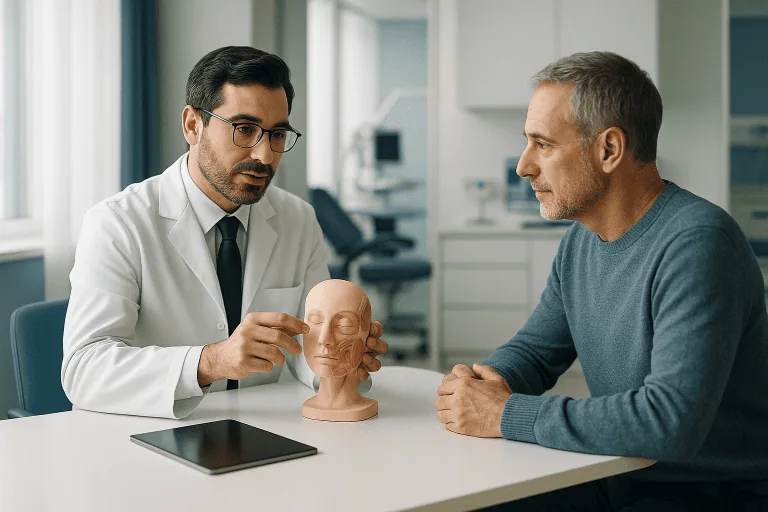
Because these treatments vary so widely, the consultation is not a formality; it is where the outcome is largely decided. A clinician assesses not only the visible concern but its cause. Under-eye hollows, for example, may result from volume loss, pigmentation, thin skin, fluid retention or the underlying bone structure. Neck changes may involve skin laxity, muscle activity, fat distribution or posture. Treating the wrong cause produces disappointing or unnatural results. Treating the right cause, with the right method at the right dose or setting, is the foundation of a good outcome.
Why People Consider Non Surgical Aesthetic Treatment
Choosing an aesthetic treatment is a personal decision shaped by more than appearance. Many people want to look less tired, refresh their features, improve skin texture, soften lines, restore lost volume or refine body contours, but they do not feel ready for surgery or the recovery that follows it. Others are thinking further ahead: they want a carefully planned maintenance approach that lets them age in a way that still feels like themselves. Neither goal requires looking different. For most patients, the aim is to look rested, balanced and well cared for.
Non surgical procedures appeal because they usually involve no incisions, no general anaesthesia and no extended hospital stay. For international patients this matters in practical terms. Travelling for care requires clarity about what is realistic, how many visits a treatment needs, whether there is downtime and how follow-up will work after returning home. A treatment that needs three sessions spaced six weeks apart is a very different proposition from one completed in a single visit, and that difference should be clear before you book a flight, not after you arrive.
At the same time, “non surgical” does not mean casual. Injectable treatments, energy-based skin procedures, laser therapies, chemical peels and non surgical body contouring all demand medical judgement. The right treatment depends on your anatomy, skin quality, facial proportions, prior procedures, medical history, current medications, expectations and timing. A safe and refined result begins with precise evaluation and honest guidance: a personalised plan rather than a menu. The sections below explain how that plan is built, treatment by treatment.
What Is a Non Surgical Face Lift?
A non surgical face lift is not a single procedure but a combination strategy: injectables to restore volume and soften muscle activity, energy-based devices to encourage collagen and mild tightening, and skin treatments to improve surface quality. Used together in the right patient, these can create a fresher, better-supported appearance without an operation. Used in the wrong patient, someone with genuinely loose, descended tissue, they add volume or heat to a structural problem and the result disappoints. That distinction is the single most useful thing to understand before spending money on either approach. A surgical face lift, formally called a rhytidectomy (facelift), repositions deeper tissue and removes excess skin; no injectable or device replicates that when significant tissue descent is present.
How do I lift my face without surgery?
You cannot mechanically lift facial tissue without surgery, but you can often create a lifted appearance by treating the individual causes of a heavier-looking face. Volume loss in the cheeks and midface can be addressed with fillers, which restore projection and indirectly improve the jawline. Overactive muscles that pull the face downward can be relaxed with injectable treatments. Radiofrequency, ultrasound and microneedling-based devices can stimulate collagen for a firmer skin envelope. Skin resurfacing improves the texture and light reflection that make skin read as younger. The honest caveat: these effects are subtle to moderate. If you pull your skin back in the mirror and that is the change you want, a surgical assessment will serve you better than a series of devices.
What is the new facelift everyone is getting?
Most “new facelift” trends you read about are marketing names for combinations of existing tools: a so-called liquid facelift is strategically placed filler, and many branded “lifts” are ultrasound or radiofrequency tightening protocols. Occasionally a genuinely refined technique appears, usually on the surgical side, such as deeper-plane approaches to the traditional operation. The sensible response to any trending name is the same: ask what the treatment actually does at tissue level, what evidence supports it, and whether your anatomy is the anatomy it works for. A treatment that is right for a celebrity in her thirties may do very little for a different face at sixty, whatever it is called.
How long will a face lift last?
How long a face lift lasts depends entirely on which kind you mean. A surgical facelift resets tissue position, and although ageing continues afterwards, the structural change is long-lasting, measured in years. Non surgical alternatives are temporary by design: muscle-relaxing treatments wear off over months, fillers are gradually metabolised, and collagen-stimulating device results fade as the skin continues to age. This is not a flaw so much as a characteristic. Some patients prefer results that can be adjusted, refreshed or simply allowed to fade; others find repeated maintenance appointments tiresome and eventually choose surgery. Your clinician should explain the expected duration of each specific option before you decide.
How much does a face lift typically cost?
Cost varies too widely for a single figure to be honest, because it depends on whether the approach is surgical or non surgical, which products or devices are used, how many areas and sessions are involved, the experience of the clinician and the country where treatment takes place. Non surgical plans are usually priced per product syringe, per treatment area or per device session, so a staged plan accumulates cost over time, whereas surgery concentrates cost into one episode of care. When comparing quotes, ask what is included, consultation, the product amount actually needed rather than a minimum, review appointments and any touch-up policy, because a low headline price with exclusions often costs more in the end.
What is a lifting facial?
A lifting facial is a salon or spa treatment, typically massage, masks, mild currents or superficial devices, that can temporarily improve circulation, hydration and puffiness. It can be pleasant and can make skin look briefly fresher, but it does not change muscle activity, restore volume or remodel collagen in a lasting way, because it does not reach the tissue depths where those changes happen. It is not a medical treatment and should not be priced or promised as one. If you enjoy facials, there is no reason to stop; just do not expect them to substitute for medical non surgical procedures, and be sceptical of any salon offering “lifting” results that only clinical treatments can produce.
Who May Be Suitable for Non Surgical Procedures?
Non surgical procedures may suit adults who want visible improvement without a major operation. Patients often seek treatment when they notice early or moderate signs of ageing, changes in facial balance, skin texture problems or body concerns that have not responded sufficiently to lifestyle measures. These treatments are also useful for people who have had surgery in the past and want to maintain the result with less invasive care at sensible intervals.
Typical concerns include forehead lines, frown lines, crow’s feet, smile lines, loss of cheek or lip volume, mild sagging around the jawline, dull or uneven skin, sun damage, redness, acne marks, stretch marks, enlarged pores, unwanted hair, mild cellulite and small areas of resistant fat. Some patients are preparing for a specific event and want gradual, discreet refreshment. Others are less interested in any single change and more interested in long-term skin health and collagen support: a legitimate goal that shapes a very different treatment plan.
Assessment begins with a detailed medical and aesthetic evaluation. Your physician examines facial anatomy, skin type, pigmentation patterns, degree of laxity, areas of volume loss, muscle movement, scars, vascular changes and tissue quality, at rest and in motion, because a face that looks balanced while still may behave differently while speaking or smiling. Photographs are usually taken for analysis and comparison. For skin concerns, specialised imaging or dermatoscopic evaluation may be used to better understand pigmentation, vascularity, sun damage or the characteristics of a particular lesion.
A complete health history is equally important. You should share information about allergies, autoimmune conditions, pregnancy or breastfeeding, prior aesthetic treatments, previous surgery, skin infections, cold sores, bleeding tendencies, medications, supplements and use of blood thinners. Certain conditions or active infections mean treatment should be postponed or a different approach chosen. This is not box-ticking: injectable safety depends on knowing what is in your bloodstream, and laser safety depends on knowing your skin’s history as well as its current appearance.
Non surgical procedures are not the best answer for every concern. Significant skin excess, advanced facial sagging, severe eyelid drooping, major abdominal laxity or large-volume fat reduction generally call for surgical evaluation. A careful consultation determines whether a non surgical plan can genuinely meet your goals, or whether surgery, now or in the future, would give a more appropriate result. A clinic that never mentions surgery as an option is editing your choices, not advising you.
Conditions and Indications Non Surgical Procedures Address
In facial aesthetics, non surgical treatments can soften dynamic wrinkles caused by repeated muscle movement, restore age-related volume loss, define facial contours, support lip shape, improve chin and jawline balance, and refresh the under-eye or midface area in selected patients. The aim is usually to enhance proportion and reduce signs of fatigue while preserving natural expression: a face that still moves like yours, only less tired.
For skin quality, treatments target uneven tone, superficial pigmentation, sun-related changes, redness, acne scars, fine lines, enlarged pores, rough texture and loss of radiance. Laser and light therapies, microneedling-based approaches, radiofrequency, ultrasound, chemical peels and prescribed medical skin care are selected according to skin type and the depth of the concern. Depth matters: a superficial pigment problem and a deep dermal scar may look similar in a photograph but require entirely different tools.
For the body, non surgical contouring can help refine localised fullness, mild skin laxity or texture changes in carefully selected areas. These options are intended for contour refinement, not weight loss. Patients close to a stable body weight with realistic goals are consistently better candidates than those hoping a device will deliver a major size reduction. That expectation gap is the most common cause of dissatisfaction in body contouring, and a candid consultation prevents it.
Some non surgical procedures also have medical or functional uses. Certain injectable treatments are used for excessive sweating, muscle enlargement related to teeth grinding, and selected muscle-related concerns. Laser and light-based technologies treat vascular lesions, unwanted hair, certain scars and pigmentation disorders. Where a medical condition is involved, planning should be coordinated with the appropriate specialist rather than handled as a purely cosmetic appointment.
Because aesthetic concerns often overlap, combination care is common. A patient with facial ageing may benefit from a staged plan addressing muscle movement, volume loss, skin quality and collagen support rather than any single procedure. A patient with acne scarring may need a sequence treating both texture and pigmentation, in a specific order. The plan should be individualised, paced appropriately and adjusted as the skin responds, not delivered all at once because a travel window is short.
How Non Surgical Procedures Are Performed
Preparation and Consultation
Your treatment journey begins with a consultation focused on your goals and your medical safety in equal measure. The clinician asks what bothers you, what outcome you hope to see, whether you prefer subtle or more visible change, and how much recovery time your life allows. International patients should also discuss travel dates, planned flights, important events, and whether follow-up will happen in person or remotely, because these constraints legitimately change which treatments make sense.
During the examination, the treatment area is assessed at rest and in motion. For facial procedures, proportions, symmetry, muscle activity, bone structure, fat compartments and skin elasticity are reviewed. For skin treatments, skin type, sensitivity, pigmentation risk, sun exposure, acne tendency and scarring history are considered. For body contouring, tissue thickness, skin tone, fat distribution and weight stability are evaluated. A useful rule: if a consultation lasts five minutes and ends in a recommendation, it was a sales conversation, not an assessment.
Before treatment, your doctor may advise avoiding certain medicines or supplements that increase bruising risk, commonly aspirin, some anti-inflammatory medicines or herbal supplements, but any decision about medication rests with the doctor who prescribed it, never with the aesthetic clinic alone. You may also need to avoid tanning, aggressive exfoliation or certain topical products before laser, peel or energy-based procedures. Patients with a history of cold sores may be prescribed preventive medication before some facial skin treatments.
A high-quality consultation includes alternatives. Your physician should explain what each procedure can reasonably do, what it cannot do, how long results typically last, the possible side effects and whether maintenance is needed. This conversation matters most for patients travelling from abroad, because some treatments require a series and are simply not a good fit for a single brief visit, better to know that before flying than to start something that cannot be finished.
Injectable Treatments
Injectable procedures are among the most frequently requested non surgical procedures. They include treatments that relax overactive facial muscles, restore volume, refine facial contour, hydrate and improve skin quality, or stimulate collagen production. The specific product and technique depend on the indication, the tissue depth being treated, your facial anatomy and the degree of correction that suits your face, more product is not better product.
During treatment, the skin is cleaned thoroughly and markings may be placed. Some injectables contain local anaesthetic, and topical numbing cream can be used for comfort. Injections are performed with fine needles or blunt-tipped cannulas depending on the area and product. The procedure itself often takes less than an hour, although consultation, planning and post-treatment observation may extend the visit, and should, because observation is part of safe practice.
Afterwards, mild swelling, redness, tenderness or bruising can occur. Timelines differ by product type. Muscle-relaxing treatments typically take several days to begin working and continue to refine over the following one to two weeks. Volume restoration is often visible immediately but looks more settled once swelling subsides. Collagen-stimulating injectables usually require a series, with results developing over months. Judging any injectable result on day one is judging it too early.
Non Invasive Skin Care Treatment Options
Non invasive skincare treatments range from gentle, no-downtime procedures to intensive resurfacing, and the right choice depends on the depth and type of your skin concern. Superficial approaches, light peels, gentle laser passes, hydrating protocols, improve brightness, tone and fine texture with minimal recovery. Deeper resurfacing and collagen-stimulating treatments address acne scars, deeper lines, sun damage and more pronounced texture change, at the price of longer healing. A well-planned non invasive skin care treatment programme usually moves stepwise: prove the skin responds well to milder settings before committing to aggressive ones.
Laser and light-based procedures use controlled wavelengths to target pigment, redness, hair follicles, water in the skin or other tissue components. Some are non-ablative, heating the skin without removing its surface. Others are fractional or ablative, creating controlled micro-injuries that trigger resurfacing and collagen remodelling. The choice depends on skin type, the concern, your tolerance for downtime and safety considerations, particularly pigmentation risk, which varies significantly between skin tones and must shape the protocol from the start.
Energy-based treatments use radiofrequency or ultrasound to deliver controlled heating to deeper skin layers, supporting collagen, mild tightening and texture improvement. Microneedling creates tiny channels in the skin and may be combined with radiofrequency or selected topical agents. Chemical peels use medical solutions to exfoliate at different depths, helping tone, texture, pigmentation and acne-related concerns. Recovery varies accordingly: light treatments may cause only temporary redness, while intensive resurfacing involves swelling, peeling, crusting and strict sun protection for days to weeks.
What is the best skin tightening non surgical procedure?
There is no single best skin tightening procedure: the honest answer is that radiofrequency, focused ultrasound and microneedling-based radiofrequency each perform well for the right patient, and none performs well for the wrong one. The deciding factors are how much laxity you have, how thick and elastic your skin is, your skin tone, and how much downtime you accept. All energy-based tightening produces mild to moderate improvement that develops gradually as collagen remodels; none matches surgical lifting for genuine skin excess. Be wary of any clinic naming one device as universally superior: that usually reflects the device they own rather than the evidence.
What is the best non surgical neck tightening procedure?
The best non surgical neck tightening procedure is the one matched to what is actually causing the neck’s appearance, because the neck ages through several mechanisms at once: skin laxity, fat under the chin, the behaviour of the platysma muscle and the underlying chin and jaw structure. Muscle-related banding may respond to injectable relaxation; mild laxity to radiofrequency or ultrasound; submental fullness to fat-reduction methods. Significant loose skin responds poorly to all devices and is better assessed for a surgical neck and face lift. An examination that identifies your dominant cause is worth more than any ranking of technologies.
Non Surgical Contouring
Non surgical contouring refines selected areas without liposuction or excisional surgery. Depending on the technology and indication, treatment may use controlled heating, controlled cooling, ultrasound, radiofrequency, injectable fat-reduction methods or muscle-toning approaches. These techniques suit localised concerns and mild to moderate change: a stubborn pocket that resists diet and exercise, not a broad reduction.
The consultation determines whether an area is genuinely appropriate. The clinician works out whether the concern is fat, loose skin, muscle tone, swelling or something else, because each answer points to a different tool. Fullness under the chin, for instance, may involve fat, skin laxity, chin position or neck muscle anatomy, and only the first responds to fat-reduction treatment.
Sessions may take under an hour for small areas or longer for multiple zones, and some methods need repeated sessions spaced weeks apart. Results appear gradually as the body clears treated fat cells or remodels tissue over the following weeks and months. Temporary tenderness, swelling, firmness, numbness or redness are common afterwards, varying by method.
What is the best non surgical fat removal procedure?
No single non surgical fat removal procedure is best for everyone; controlled cooling, ultrasound-based methods, radiofrequency and injectable fat-dissolving treatments each have areas and body types where they perform well. Cooling-based methods suit pinchable, well-defined fat pockets; injectable approaches are typically reserved for small zones such as under the chin. Every option reduces rather than removes a fat layer, works gradually, and depends on stable weight to hold its result. If the honest goal is a large reduction or the skin is loose, surgical consultation is the more truthful recommendation than a longer course of device sessions.
Technology and Safety Measures
Modern non surgical care relies on precise assessment, calibrated devices, sterile technique and careful product selection. Imaging tools assist documentation and planning. Laser, light, ultrasound and radiofrequency platforms let clinicians adjust energy, depth, pulse patterns, cooling and treatment zones to skin type and clinical goal. These settings matter enormously: the same device produces very different results, and very different risks, depending on how it is used and on whom.
Safety protocols include screening for contraindications, confirming medical history, appropriate eye protection during light-based treatments, sterile injection practice and clear written aftercare. With injectables, detailed knowledge of vascular anatomy is critical. With lasers and peels, skin type and pigmentation risk must be assessed before energy or acid ever touches the skin. The safest treatment is not the strongest treatment; it is the treatment matched to the patient.
Typical Duration and Recovery Process
Procedure length depends on the area and the complexity of the plan. Many injectable treatments fit within a short outpatient visit. Skin rejuvenation typically takes 30 to 90 minutes including preparation. Body contouring runs longer when several areas are treated. When treatments are combined, the plan is often staged to limit swelling, irritation and cumulative downtime rather than compressed into one heavy session.
Most patients leave the clinic the same day. Some return to work or social life almost immediately; others prefer several days of privacy while redness, swelling, peeling or bruising settles. Exercise, alcohol, heat, sun exposure, makeup and certain skin products may be restricted for a short period depending on the procedure, practical detail covered in our guide to activity and lifting limits after returning home. Your care team should give you specific written instructions so you know what is normal during healing.
For international patients, sequencing matters. Some treatments are best done early in the trip so swelling or redness settles before the flight home. Others are safer a day or two after arrival, once jet lag, dehydration and recent sun exposure are no longer factors. Your physician can advise whether flying soon after a given treatment is appropriate, and whether review photographs or a virtual follow-up should be scheduled after you return.
Why Acting Early Matters and the Risks of Delay
Non surgical care is most effective at the right stage. Early treatment can soften developing expression lines before they become etched at rest, support collagen while elasticity is still responsive, and address pigmentation or texture before it becomes complex. This does not mean every early sign of ageing needs treating: it means timely evaluation lets you choose a considered path instead of waiting until only more invasive options remain suitable.
Delay allows certain concerns to progress. Dynamic wrinkles become visible even when the face is relaxed. Sun damage deepens with continued exposure. Acne scars grow more noticeable as collagen declines with age. Mild laxity can evolve into genuine skin excess, which responds far less predictably to non surgical tightening. Localised volume loss shifts facial balance until a single treatment is no longer enough to restore it.
Some delays are medically important in a different way. A new or changing pigmented lesion, a rapidly growing skin change, persistent unexplained redness or a lesion that bleeds or does not heal needs proper medical assessment before any aesthetic treatment, because conditions such as skin cancer must be excluded first. A reputable aesthetic programme recognises when a concern belongs to dermatology rather than cosmetics, and says so.
Acting early also protects your calendar. Patients wanting to look refreshed before a wedding, public event or business season need time for treatment effects to develop and minor side effects to settle. Injectables, collagen stimulation, resurfacing and contouring all follow different timelines. Starting the conversation early prevents rushed decisions and over-aggressive treatment squeezed against an important date: the combination most likely to end in regret.
Benefits of Non Surgical Procedures
The benefits depend on which treatment is selected, but most patients value the ability to improve specific concerns with limited disruption to daily life. The table below summarises what each advantage means in practice, read it alongside the limits described elsewhere on this page, because the two belong together.
| Benefit | What It Means for You |
|---|---|
| Minimal or no incisions | Many treatments work through injections, light, energy or topical medical solutions, avoiding surgical wounds and extended healing. |
| Shorter recovery compared with surgery | Most patients go home the same day, and many resume normal routines quickly, depending on the procedure and its intensity. |
| Personalised, gradual improvement | Treatments can be staged and adjusted, allowing subtle refinement at a natural-looking pace rather than a sudden change. |
| Skin quality enhancement | Selected procedures improve texture, tone, radiance, fine lines, scars or pigmentation by stimulating renewal and collagen remodelling. |
| Option to combine treatments | Injectables, lasers, peels and energy-based therapies can be planned together to address several causes of ageing or skin change at once. |
| Useful maintenance strategy | Non surgical care can help maintain previous surgical results or support long-term skin health at appropriate intervals. |
Recovery Timeline After Non Surgical Procedures
Recovery varies with treatment type, skin sensitivity and intensity, but the timeline below reflects what many patients experience. Your own written aftercare plan takes precedence over any general schedule, because it is built around the specific treatment and settings you received.
| Time Period | What Patients Can Expect |
|---|---|
| Day 1 | Mild redness, swelling, tenderness, pinpoint marks or bruising may appear. Most patients leave the clinic shortly after treatment with specific aftercare instructions. |
| First Week | Bruising and swelling from injectables improve. Skin procedures may involve redness, dryness, flaking, peeling or temporary sensitivity. Sun protection is essential. |
| First Month | Results settle. Muscle-relaxing treatments are usually clear, skin texture may improve, and early collagen response begins. Some patients return for review or further sessions. |
| Longer Term | Collagen-stimulating treatments, resurfacing and contouring continue improving gradually. Maintenance may be recommended depending on the goal and method. |
Factors That Influence Outcomes
A good result depends on the relationship between treatment selection, clinician expertise, your anatomy and realistic expectations. The same procedure can create excellent improvement in one patient and limited benefit in another when the indication is wrong. This is why diagnosis and planning matter as much as the procedure itself, arguably more.
Skin type is among the most important variables. Lighter skin, darker skin, sensitive skin, acne-prone skin and pigmentation-prone skin each require different settings, preparation and aftercare. A treatment that is routine for one skin type may carry meaningful pigmentation risk in another. For international patients from diverse backgrounds, a clinician’s experience across a wide range of skin types is directly relevant to safety, not a marketing detail.
Age and tissue quality shape the plan. Younger patients often seek prevention, balance or refinement. Mature patients usually need a layered approach addressing volume, laxity, texture and muscle movement together. Patients with significant skin excess gain limited benefit from non surgical tightening and are better served by an honest surgical consultation than by an open-ended series of device sessions.
Medical history affects both safety and healing. Autoimmune conditions, active skin disease, uncontrolled diabetes, bleeding tendencies, immune suppression, pregnancy, breastfeeding, allergies, prior complications and certain medications may all change the plan. A responsible clinician sometimes postpones treatment, reduces intensity or coordinates with another specialist, decisions that protect you even when they delay you.
Lifestyle matters too. Smoking, heavy sun exposure, poor sleep, dehydration, fluctuating weight and inconsistent skin care affect healing and durability. After lasers, peels or resurfacing, sun protection is not optional; it is part of the treatment. For body contouring, stable weight and sustainable habits are what preserve the result the device produced.
Technique is decisive. With injectables, outcome depends on product choice, dose, depth, placement, symmetry and command of vascular and muscular anatomy. With lasers and energy devices, it depends on settings, patient selection, endpoint recognition and aftercare. With peels and resurfacing, depth control and preparation are everything. Subtle differences in technique meaningfully change both appearance and safety, which is why the person holding the syringe or handpiece matters more than the brand on the box.
Finally, expectations must be set before treatment, not after. Non surgical procedures refresh, refine and improve: they do not stop ageing, and they do not replicate surgical lifting where significant tissue descent exists. Some results are temporary and need maintenance; others develop over several sessions. A successful plan is one where what you want and what the treatment can deliver were aligned from the first conversation.
Non Surgical Care at Acibadem
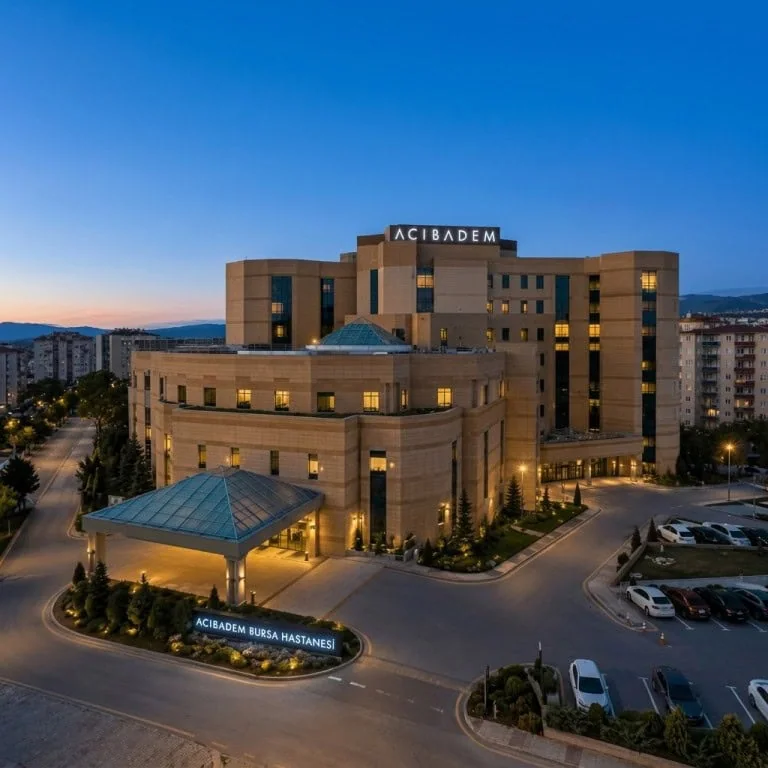
International patients considering non surgical procedures abroad usually want more than an appointment slot: they want confidence in medical standards, communication, planning and follow-up. At Acibadem, non surgical aesthetic care is delivered within a comprehensive hospital environment, with experienced physicians, multidisciplinary collaboration and international patient services built around people who travel for care.
Aesthetic concerns can look simple from the outside, but quality care often needs more than one perspective. Depending on the patient, evaluation may involve dermatology, plastic and reconstructive surgery, aesthetic medicine, endocrinology or nutrition. Multidisciplinary discussion supports careful decisions when a concern overlaps with medical skin disease, prior surgery, scarring, complex anatomy or a broader health question, and because Acibadem is a full hospital group, referral to the relevant specialty happens within the same system.
The approach emphasises individualised planning. Rather than recommending a procedure because it is popular, physicians identify the underlying cause of the concern and match treatment to anatomy, skin type, risk profile and timeline. For international patients with limited days available for treatment, that includes being clear about which steps fit the travel window, which should be staged, and which are better completed at home.
Technology supports this rather than replacing judgement: skin analysis tools, medical imaging where needed, laser and light platforms, energy-based systems and sterile injectable technique, all used for precision, documentation and safety. Equally important is knowing when not to treat. If your goals are better served by surgery, if a lesion needs medical evaluation first, if travel timing is unsafe, or if a requested treatment does not suit your anatomy or health, the physician explains that plainly. Responsible refusal is part of good care.
Communication runs through the whole pathway. Acibadem’s international patient services provide multilingual support, coordinating appointments, medical records, interpretation and follow-up planning. Follow-up itself is matched to the procedure: some patients have an in-person review before flying home, while others send photographs or arrange virtual review where appropriate, with maintenance steps mapped out for continuation in their own country.
Deciding Between Non Surgical Treatment and Surgery
Non surgical procedures offer meaningful improvement with less downtime than surgery, but they are one end of a spectrum, not a replacement for the whole of it. If your concern is early or moderate, expression lines, volume loss, skin quality, a small stubborn contour, a staged non surgical plan may be everything you need. If your concern is structural, genuinely loose skin, descended tissue, heavy folds, the honest comparison includes surgery, and it is worth reading about the surgical facelift before deciding rather than after a series of treatments underdelivers.
The most reliable path runs through an unhurried assessment: what is causing the change you see, which options address that cause, what each demands in time, maintenance and recovery, and how your travel schedule fits around it. Write down what you actually want to change before any consultation, specific concerns get specific answers, while “I want to look better” invites a menu.
If you are weighing the surgical route as well, take the time to understand that pathway on the same terms, how candidacy is assessed, what the operation involves, how recovery unfolds and how long results are expected to hold, so that the comparison you make is a fair one. Whichever direction you choose, the principle is identical: match the treatment to the cause, set expectations before the first appointment, and let the plan be built around your face, your skin and your calendar rather than around any single technology.
Preparation
- A specialist evaluates your goals, medical history, medications, allergies, and skin condition to select suitable non surgical options. You may be advised to avoid blood-thinning medicines, alcohol, or certain skincare products before treatment. Detailed instructions vary by procedure and treatment area.
Aftercare
- Mild redness, swelling, bruising, or sensitivity may occur and usually improves within a few days. Follow your doctor’s guidance on skincare, sun protection, exercise, and when to resume makeup or normal activities. Attend follow-up visits if recommended to assess results and plan maintenance treatments.
Frequently Asked Questions
What affects the cost of non surgical aesthetic procedures?
Cost is influenced by the procedure type, treatment area, product or device used, clinician expertise, clinic setting, aftercare needs, and whether travel or language support is included. A personalised quote is needed because plans differ from patient to patient.
How can I get a personalised quote from Acibadem?
You can request a free consultation and share your goals, medical history, photos if requested, and any previous treatment details. The specialist team can then recommend suitable options and provide a tailored cost estimate.
Are non surgical procedures cheaper if several treatments are combined?
Combination treatment may sometimes be planned for efficiency, but it depends on safety, medical suitability, treatment timing, and the products or devices involved. The final plan should be decided by a qualified specialist rather than by price alone.
What is usually included in an international patient package?
Depending on the procedure and clinic policy, a package may include consultation, treatment planning, the selected procedure, translation assistance, follow-up guidance, and help with travel coordination. Inclusions should always be confirmed before booking.
Do I need to travel again for follow-up?
Many non surgical treatments can be reviewed with guidance provided before departure, but some patients may need an in-person follow-up depending on the procedure, healing response, and treatment goals. Your care team will explain the recommended follow-up plan.
Medically reviewed by the Acıbadem International Medical Board September 1, 2026
See our medical review board →
Update history
- PublishedJune 8, 2026
- Medical review approvedSeptember 1, 2026
- Last content updateSeptember 1, 2026
Trusted care for international patients
From the Acibadem Blog

How to Choose Among Non-Surgical Cosmetic Procedures: Matching Concern to Treatment
Choosing among non-surgical cosmetic procedures starts with naming the specific concern rather than the treatment. Lines that appear with expression usually point toward botulinum…

What Non-Surgical Procedures Can and Cannot Change: Realistic Expectations Explained
Non-surgical procedures can soften expression lines, restore lost volume, improve skin texture and tone, and modestly tighten skin, with results that typically last months…
Doctors Performing This Treatment


Aesthetic Plastic & Reconstructive Surgery
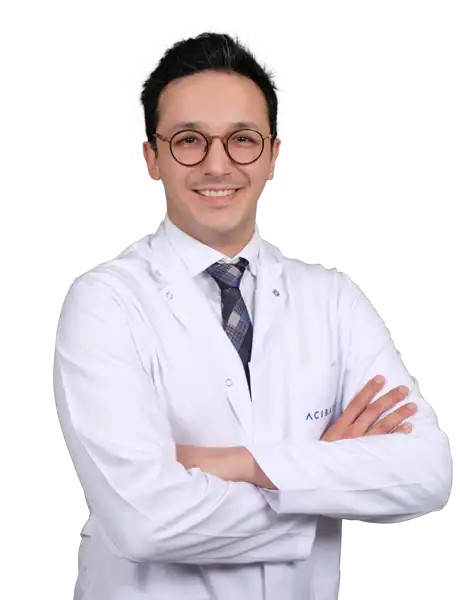
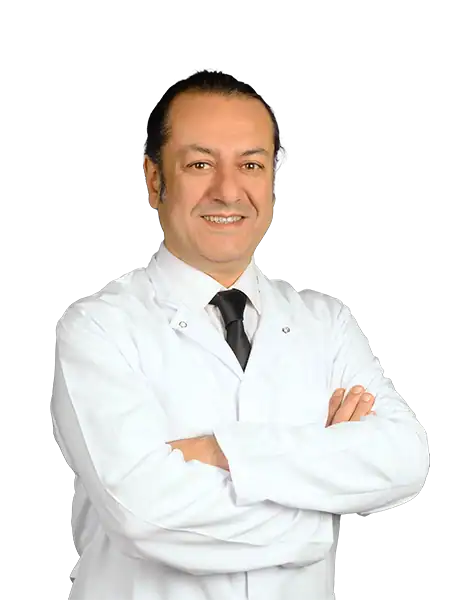
Prof. Mehmet Veli Karaaltın, MD

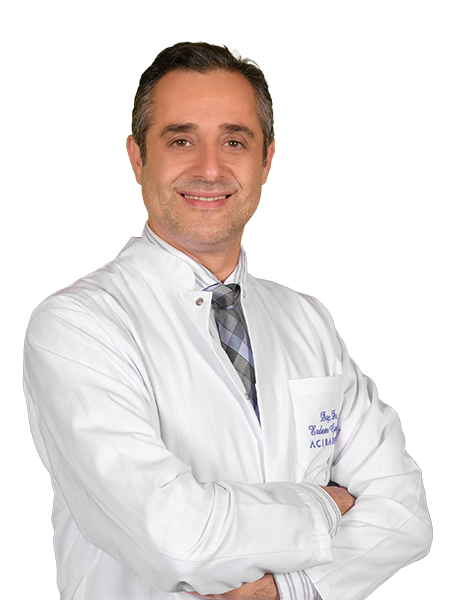
Aesthetic Plastic & Reconstructive Surgery
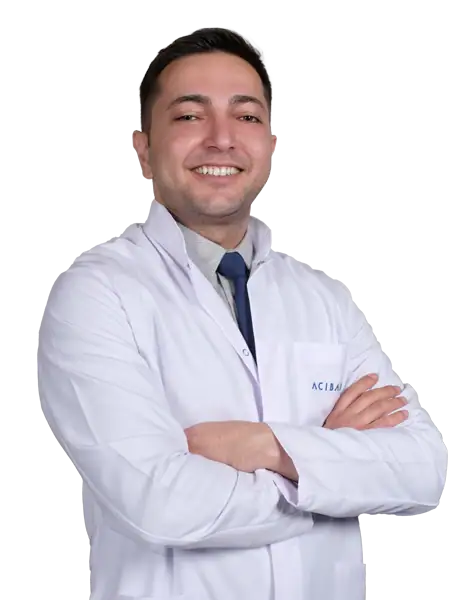
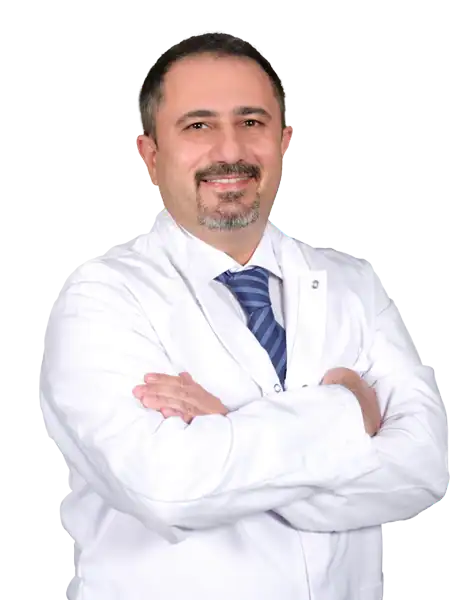
Assoc. Prof. Erdem Güven, MD

Aesthetic Plastic & Reconstructive Surgery
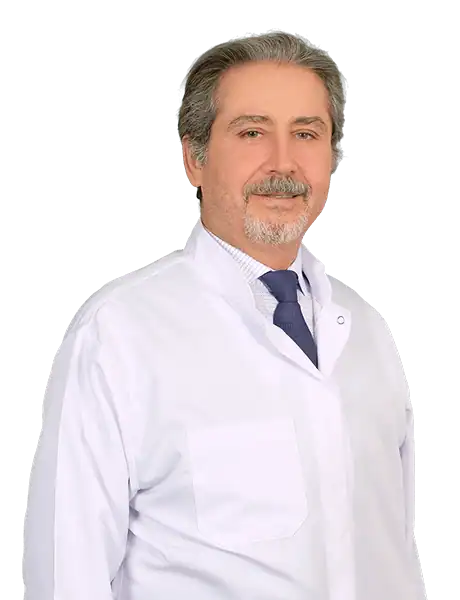
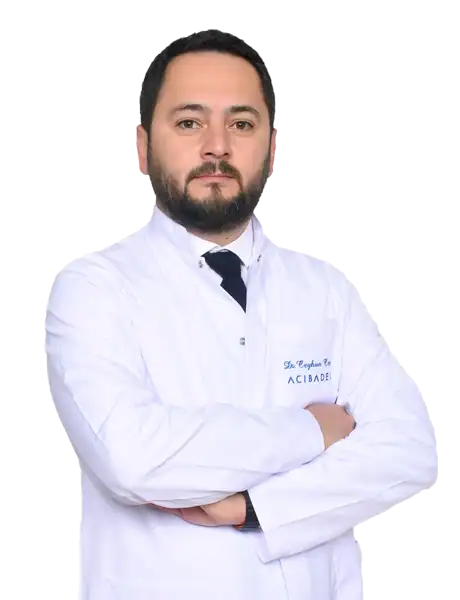
Assoc. Prof. Ahmet Küçükçelebi, MD
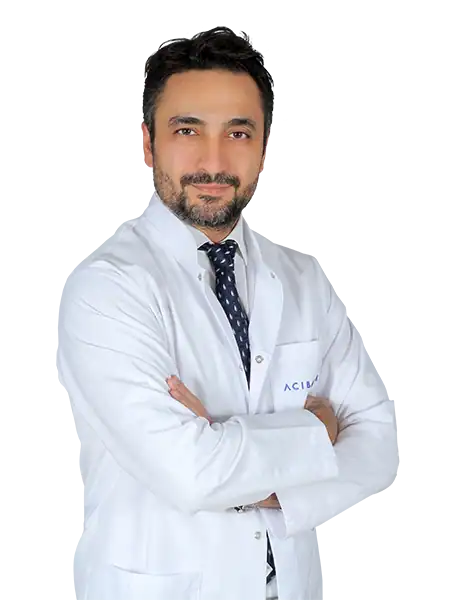
Aesthetic Plastic & Reconstructive Surgery
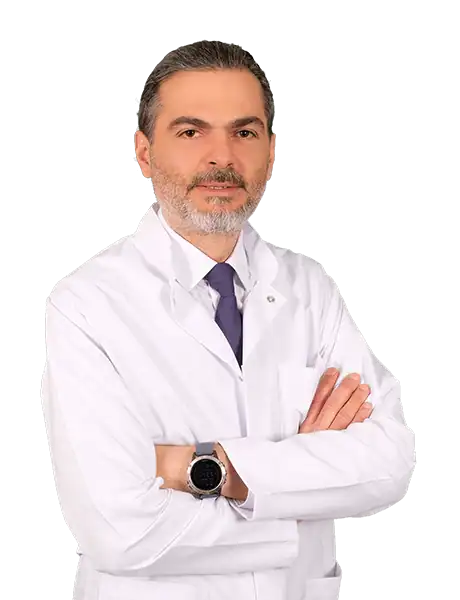
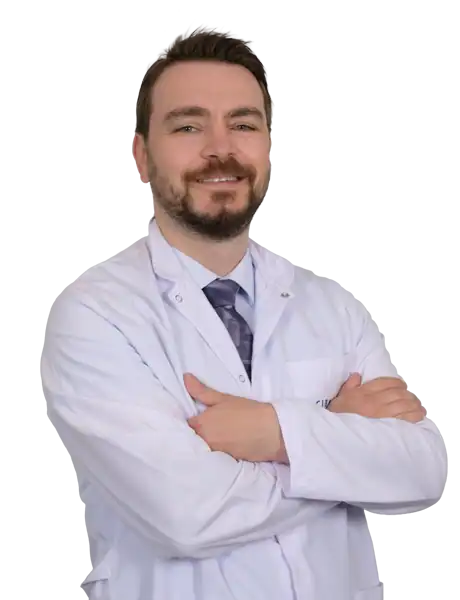
Assoc. Prof. Mehmet Altıparmak, MD

Aesthetic Plastic & Reconstructive Surgery