Negative Pressure Wound Therapy: How It Works, Results and What to Expect
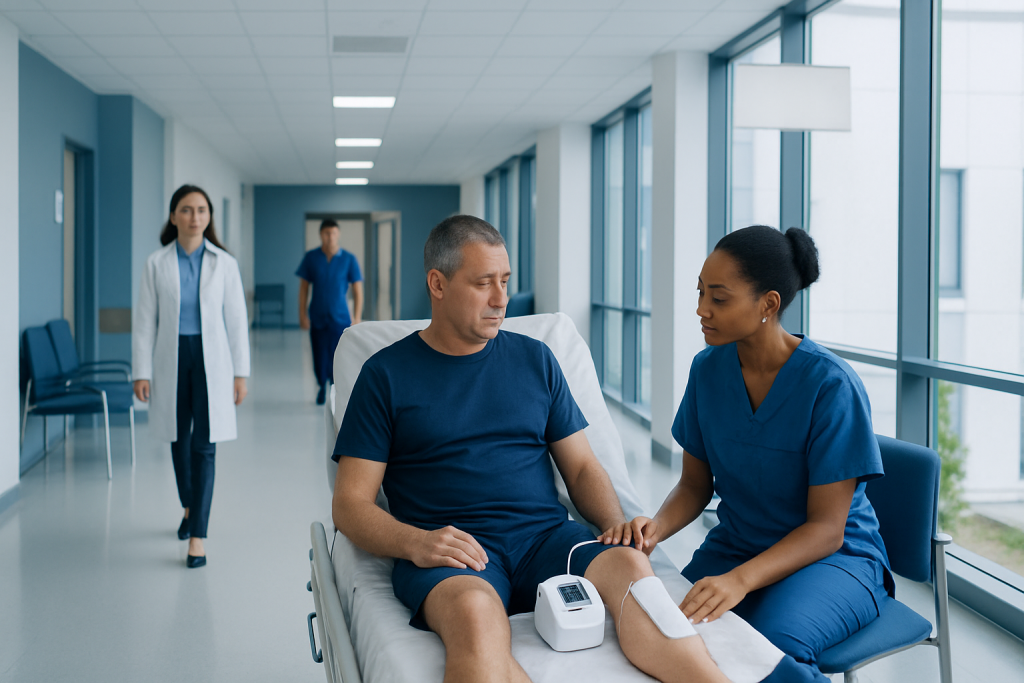
Negative pressure wound therapy uses a foam or gauze dressing, an airtight cover, tubing and a portable suction device. It can help remove excess fluid, protect the wound and support development of healthy granulation tissue.
Key Takeaways
- Negative pressure wound therapy uses a foam or gauze dressing, an airtight cover, tubing and a portable suction device.
- It can help remove excess fluid, protect the wound and support development of healthy granulation tissue.
- Not every wound is suitable; clinicians assess blood supply, infection, exposed structures and the cause of the wound before treatment.
- Treatment length varies from days to weeks or longer depending on wound size, depth, circulation, infection control and overall health.
- Many people can continue treatment at home with training, supplies and regular follow-up from a wound-care team.
- New pain, bleeding, fever, a device alarm or a loose dressing should be reported promptly to the treating team.
Negative pressure wound therapy (NPWT), often called wound VAC therapy, is a treatment that uses controlled suction through a sealed dressing to manage wound fluid and encourage healthy tissue growth. It may support healing for selected surgical, traumatic, diabetic, or chronic wounds when used alongside appropriate wound care and treatment of the underlying cause.
Overview: what negative pressure wound therapy does
Negative pressure wound therapy is a wound-management treatment that applies gentle, controlled suction to a covered wound. It is also known as negative pressure wound treatment, vacuum-assisted closure (VAC) therapy, or a wound vac. The system helps collect wound fluid in a canister while maintaining a protected, moist environment that can support healing.
A clinician places a special foam or gauze material in or over the wound, seals it with an adhesive film and connects it by tubing to a small pump. The pump creates negative pressure, meaning pressure lower than the surrounding air. This may reduce fluid buildup and swelling, help draw wound edges together in some situations, and encourage formation of granulation tissue, the healthy tissue that fills a healing wound.
NPWT is not a substitute for treating the reason a wound developed. For example, a person with a diabetic foot wound may also need blood sugar management, pressure relief, circulation assessment and infection treatment. A multidisciplinary plan is important because successful healing depends on the whole person, not the device alone.
Who may be a candidate for wound VAC therapy?
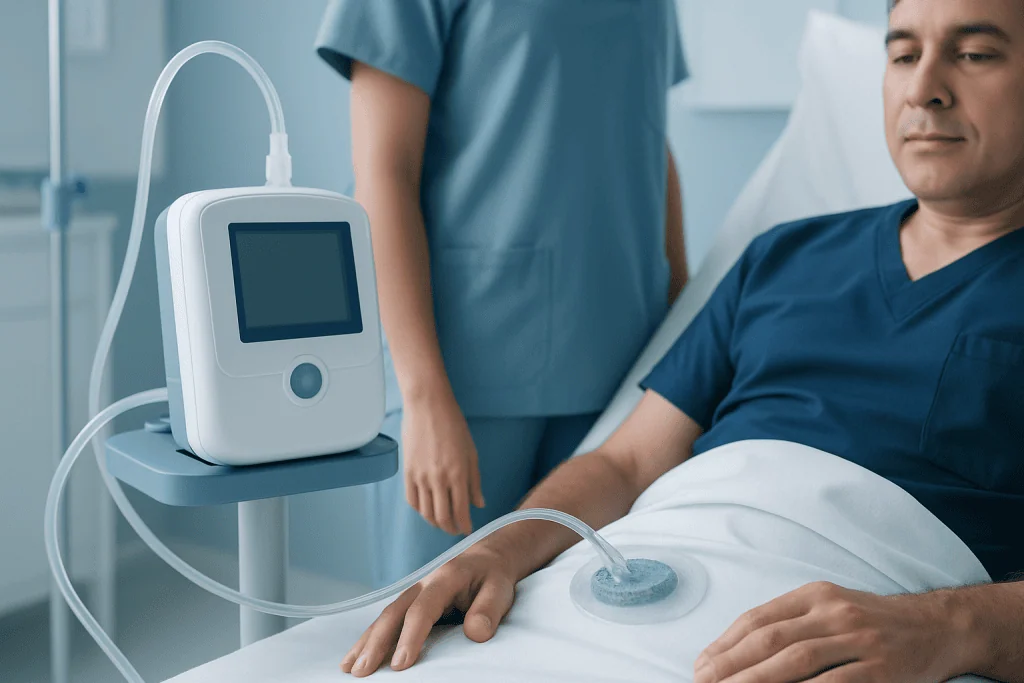
Clinicians may consider negative pressure wound therapy for wounds that are deep, slow to heal, producing significant fluid, or at risk of delayed healing. Examples can include some surgical wounds that have opened, traumatic injuries, pressure injuries, skin graft or flap sites, and selected diabetic foot wounds. It may also be used over a closed surgical incision in certain higher-risk situations to help manage fluid and protect the incision.
Before recommending NPWT, the wound team evaluates its location, size, depth, tissue type, drainage, signs of infection and blood supply. They also review medical conditions that influence healing, such as diabetes, peripheral artery disease, malnutrition, smoking, immune suppression and reduced mobility. For wounds associated with diabetes, assessment and management of diabetic foot problems may be part of the care plan.
NPWT is not appropriate for every wound. It is generally avoided or used only with specialist precautions when there is untreated dead tissue, uncontrolled bleeding, certain untreated infections, unexplored fistulas, or exposed blood vessels or organs. The treating clinician will determine whether the wound first needs cleaning, surgical debridement, drainage, antibiotics, improved circulation or another intervention.
- Suitable wounds need careful assessment and regular monitoring.
- Good nutrition, pressure relief and management of underlying illness support the treatment.
- Dressings and pump settings should only be changed or adjusted by trained healthcare professionals or according to a clear care plan.
How the procedure works: step by step
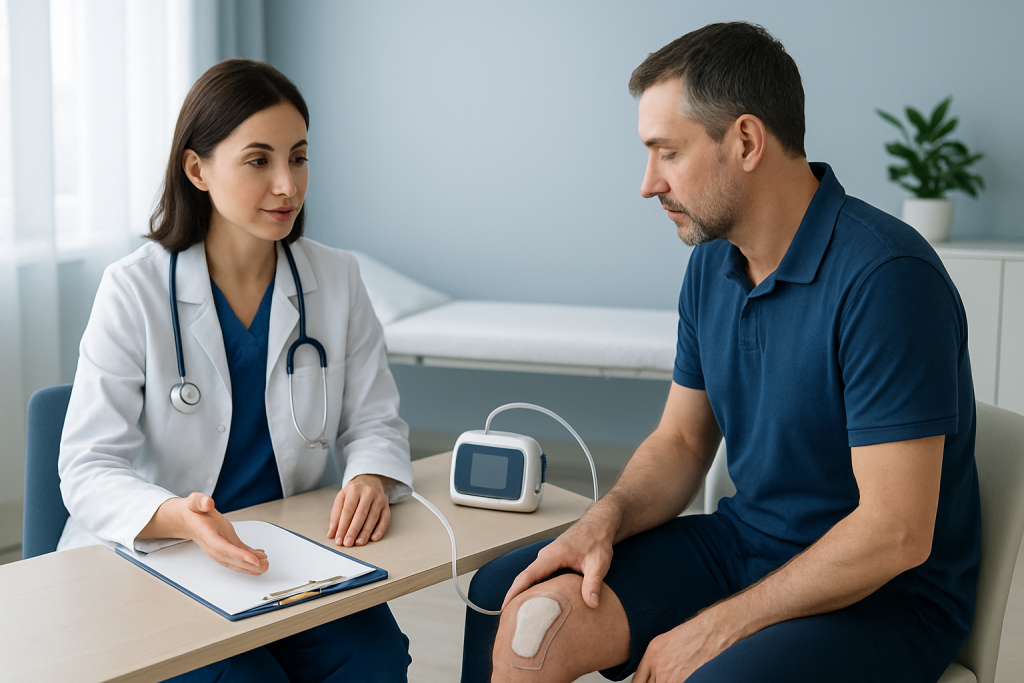
Negative pressure wound therapy is usually started in hospital, a wound clinic, an outpatient setting or, in selected cases, at home by a trained professional. The clinician first examines the wound and cleans it. If necessary, non-viable tissue is removed through debridement, and infection or bleeding concerns are addressed before a dressing is applied.
A foam or gauze interface is gently placed in the wound or across the incision. A clear adhesive film is then applied to create an airtight seal. Tubing is attached through the film and connected to the pump and collection canister. Once the pump is switched on, it applies the prescribed level of suction. Most people notice a pulling sensation or mild sound from the device, but significant discomfort should be reported.
The clinician checks that the dressing has sealed properly and that fluid is moving into the canister. Dressings are commonly changed every few days, although the schedule varies based on the wound, drainage amount, infection status and product instructions. At each change, the team measures progress, assesses the surrounding skin and decides whether treatment should continue, be adjusted or transition to another dressing.
For wounds requiring removal of unhealthy tissue before or during healing, a clinician may discuss wound debridement as part of a broader treatment plan. The exact sequence depends on the wound and the person’s clinical needs.
Does negative pressure wound therapy work?
Negative pressure wound therapy can be effective for appropriately selected wounds, particularly when it is combined with thorough wound assessment, treatment of infection when present, adequate blood flow, pressure off-loading and management of medical conditions that affect healing. It may reduce wound fluid, support granulation tissue formation and prepare some wounds for closure, grafting or healing by secondary intention.
However, it does not work equally well for every wound or every person. Healing depends on factors such as wound cause, circulation, depth, bacterial burden, nutrition, mobility and adherence to the care plan. A wound caused by poor blood flow, for example, may not heal well until the circulation problem is assessed and treated.
Research supports NPWT in particular clinical settings, but results vary by wound type and the outcome being measured. The wound-care team should review the expected goals in individual terms, such as reducing drainage, improving tissue quality, protecting a graft or helping a wound become ready for closure. If progress is limited, clinicians reassess the diagnosis and may change the plan.
Benefits, risks and practical considerations
Potential benefits of NPWT include better control of wound drainage, fewer dressing disturbances in some cases, protection from outside contaminants while the seal remains intact, and support for healthy wound-bed development. A portable system may also make it possible for some people to receive treatment outside hospital while maintaining planned follow-up.
Possible risks include pain during dressing changes, skin irritation from adhesive film, leakage, unpleasant odor, retained dressing material, bleeding and infection. Although uncommon, serious bleeding can occur, especially in people with fragile tissue, bleeding disorders or medicines that affect clotting. The device can also alarm if there is a leak, a blockage, a full canister or low battery.
People using a wound vac should follow the instructions provided by their clinical team. The pump should generally stay running as prescribed, the tubing should not be kinked or pulled, and the dressing should be kept dry unless the team has given different advice. It is important not to disconnect, alter settings or remove the dressing without professional guidance unless an emergency plan specifically says to do so.
If the wound requires more advanced reconstruction after it has developed a healthy wound bed, the team may consider options such as skin grafting when clinically appropriate.
How long does it take to recover from negative pressure wound therapy?
Recovery time from negative pressure wound therapy varies widely. Some people use it for several days after surgery, while others need treatment for weeks or longer for a deep, chronic or complex wound. The device is usually stopped when the wound has enough healthy tissue, drainage has reduced, the wound can be closed, or another dressing or treatment is better suited to the next stage of healing.
The pace of healing depends on the wound’s size and cause, its blood supply, whether infection is controlled, and a person’s overall health. Diabetes, smoking, poor nutrition, limited mobility and vascular disease can prolong recovery. A clinician may take photographs or measurements at dressing changes to track whether the wound is moving in the expected direction.
Recovery also includes adapting to daily life with the device. People may need help with mobility, bathing and protecting the tubing while they become familiar with the pump. The treating team can explain activity limits, sleep positioning, travel planning and when it is safe to return to work or exercise.
What is the success rate of VAC therapy?
There is no single success rate for VAC therapy because the treatment is used for many different wound types and for different goals. For one person, success may mean reducing fluid and preparing a wound for a skin graft; for another, it may mean supporting closure of a surgical wound or avoiding deterioration of a pressure injury.
Published outcomes vary according to the wound, patient population, comparison treatment and definition of success. It is therefore more accurate to ask the treating clinician what outcome is realistic for the individual wound and how progress will be measured. The team should reassess if the wound is not improving as expected or if complications develop.
NPWT is most likely to be useful when the underlying cause is addressed at the same time. This can include relieving pressure from a foot or pressure injury, improving diabetes management, treating infection, optimizing nutrition or arranging vascular assessment when circulation may be reduced.
Do patients go home with wound vacs? When to seek medical care
Many patients can go home with a wound vac when they are medically stable, the wound plan is suitable for outpatient care and they have access to training, supplies and follow-up. Portable pumps are designed to support mobility, but patients and caregivers need clear instructions on charging the device, managing the tubing, recording drainage if requested and contacting the wound-care service.
People should contact their treating team promptly if the dressing becomes loose, the pump repeatedly alarms, drainage suddenly changes in amount or color, there is a new bad odor, or pain is increasing. They should seek urgent medical care for heavy or persistent bleeding into the tubing or canister, fever or feeling significantly unwell, rapidly spreading redness or swelling, severe pain, fainting, chest pain or shortness of breath.
Regular appointments are essential even when the device seems to be working normally. At Acibadem International, multidisciplinary specialists and JCI-accredited hospitals can assess and treat complex wounds for international patients, with care coordinated according to individual clinical needs.
Frequently asked questions
Is negative pressure wound therapy painful?
Some people feel pressure or pulling when the pump starts, and dressing changes can be uncomfortable. The level of discomfort varies with the wound location and sensitivity. The care team can discuss ways to make dressing changes more comfortable and should be told about worsening or severe pain.
How long does it take to recover from negative pressure wound therapy?
Treatment may last from a few days to several weeks or longer, depending on the wound and its cause. Healing is affected by blood flow, infection control, wound size, diabetes management, nutrition and pressure relief. The clinician will regularly review whether the wound is responding and when the device can be stopped.
What is the success rate of VAC therapy?
VAC therapy does not have one meaningful success rate because it is used for different wounds and goals. Outcomes depend on wound type, circulation, infection, overall health and whether the underlying cause is treated. A wound-care specialist can explain the expected goal and signs of progress for an individual case.
Do patients go home with wound vacs?
Yes, many medically stable patients use portable wound vac systems at home. They need training, a supply plan and scheduled review by a wound-care team. The device should be used exactly as instructed, and alarms or dressing problems should be reported promptly.
Does negative pressure wound therapy work?
Negative pressure wound therapy can support healing in selected wounds by removing fluid and helping healthy wound tissue develop. It works best as one part of a complete plan that addresses infection, blood supply, pressure, nutrition and conditions such as diabetes. It is not suitable for every wound, so clinical assessment is essential.
Can a person shower with a wound vac?
Whether showering is allowed depends on the dressing, wound location and device instructions. The dressing and pump generally need to be protected from water, and soaking in a bath or swimming is usually avoided. The wound-care team should provide specific bathing guidance for the individual device and wound.
References
- World Health Organization
- National Institute for Health and Care Excellence
- U.S. Food and Drug Administration
- Wound Healing Society
- European Wound Management Association
This article is for general information only and is not a substitute for professional medical advice. Please consult a qualified doctor about your individual situation.
Explore treatments in Turkey — costs, top hospitals & a free quote
JCI-accredited · board-certified surgeons · reply within 24h
Add us as a Preferred Source to see more of our trusted health content across Google Search, AI Overviews and Discover.