Why Does Chemo Cause Hair Loss: How It Works, Results and What to Expect
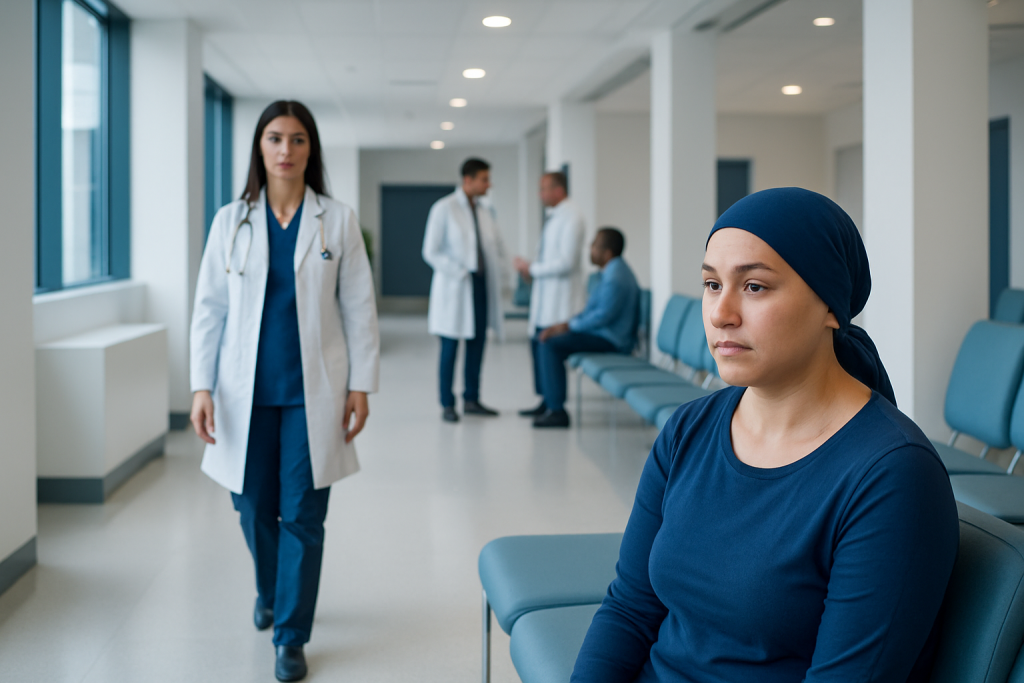
Chemotherapy-related hair loss occurs when treatment affects rapidly dividing hair follicle cells. Not every chemotherapy medicine causes hair loss, and the degree of loss ranges from thinning to complete loss.
Key Takeaways
- Chemotherapy-related hair loss occurs when treatment affects rapidly dividing hair follicle cells.
- Not every chemotherapy medicine causes hair loss, and the degree of loss ranges from thinning to complete loss.
- Hair shedding often begins two to four weeks after treatment starts and commonly improves after chemotherapy ends.
- Scalp cooling may reduce hair loss for some people receiving selected chemotherapy regimens.
- Gentle hair and scalp care, emotional support and early discussion with the oncology team can make this side effect more manageable.
Chemotherapy can cause hair loss because many cancer medicines target rapidly dividing cells, including the cells that produce hair. The amount of hair loss varies by medicine, dose, treatment schedule and individual response, and it is commonly temporary.
Why Does Chemo Cause Hair Loss?
Chemotherapy may cause hair loss because it is designed to attack cells that divide quickly. Cancer cells often divide rapidly, but the cells in hair follicles that make new hair also grow quickly. Some chemotherapy medicines can therefore temporarily interrupt hair production, leading to shedding or thinning.
Hair loss is called chemotherapy-induced alopecia. It may affect scalp hair, but some people also lose or notice thinning of eyebrows, eyelashes, facial hair, and body hair. The experience differs greatly between individuals: some have mild thinning, while others lose most or all scalp hair.
Hair loss can be a difficult and visible part of cancer treatment. It is not a sign that treatment is working better or worse, and it does not mean a person has done anything wrong. The oncology team can explain what is likely with the planned medicines and discuss ways to prepare.
How Chemotherapy Affects Hair Growth and What Results to Expect
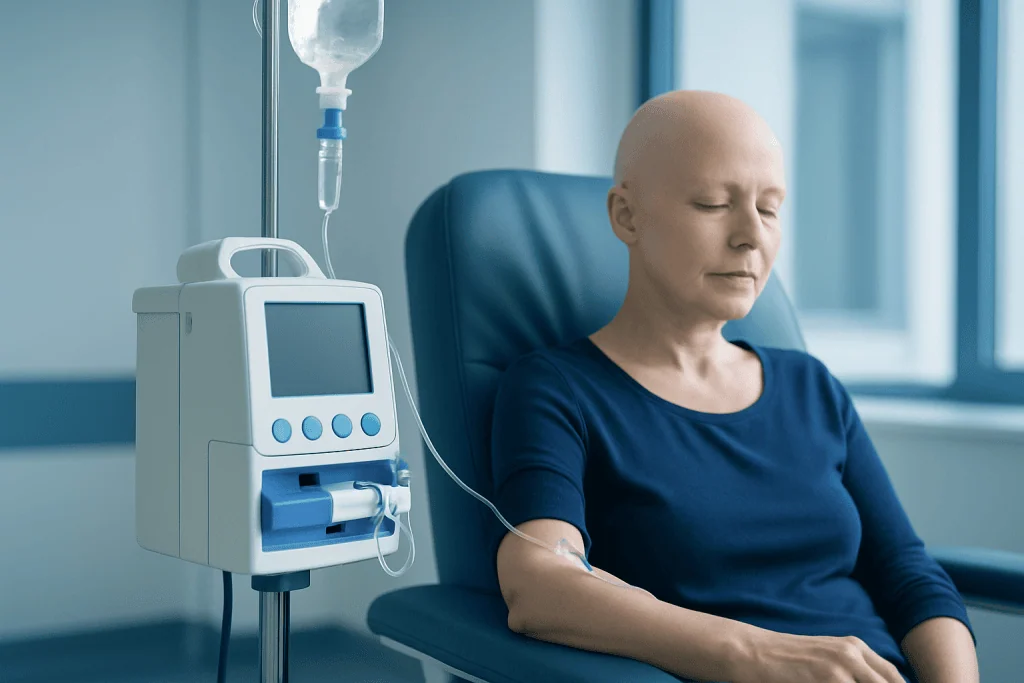
Hair normally grows in cycles. During the active growth phase, follicle cells multiply quickly to form the hair shaft. Chemotherapy that reaches these follicles can cause the growing hair to narrow, weaken, or stop growing. Existing hairs may then break or shed more easily.
Shedding commonly begins about two to four weeks after the first treatment, although timing varies. A person may first notice more hair on a pillow, brush, or shower drain, along with scalp tenderness, itching, or tingling. Hair loss may continue during treatment and for a short period afterward.
For most people, follicles recover once chemotherapy has finished, and new hair begins to grow within several weeks to a few months. New growth can initially be fine, curly, straighter, or a slightly different color or texture than before. These changes often settle over time, though some changes can persist.
In uncommon cases, hair may remain thinner or fail to fully return, particularly after certain high-dose or prolonged regimens. The treating oncologist can give the most individual estimate based on the medicines being used and the person’s medical history.
Who Is More Likely to Have Hair Loss and Which Chemo Is Worst for Hair Loss?
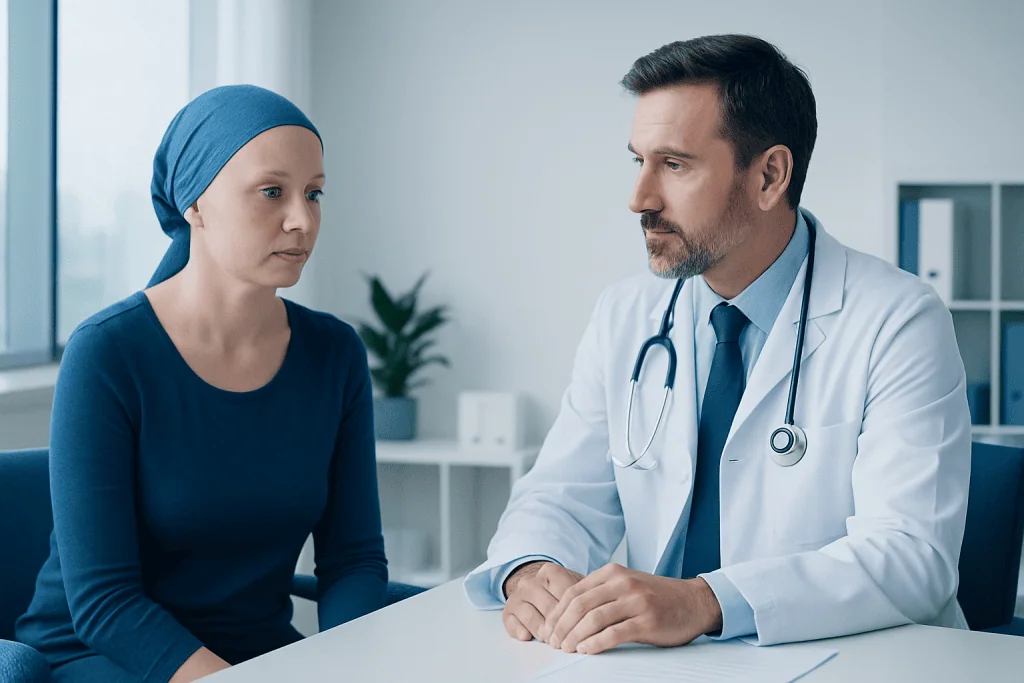
Whether chemotherapy causes hair loss depends mainly on the specific drugs, their doses, the combination used, and how often treatment is given. Personal factors may also influence the degree of shedding, but it is not possible to predict the exact experience for every individual.
Which chemo is worst for hair loss? Medicines in groups called anthracyclines and taxanes are among those more commonly associated with significant scalp hair loss. Some combination regimens increase the likelihood because they include more than one medicine that affects rapidly dividing cells. Other chemotherapy medicines may cause mild thinning or no noticeable hair loss.
Cancer treatments other than standard chemotherapy can also affect hair. Radiation therapy causes hair loss only in the body area being treated, and hair may not fully regrow after high radiation doses. Some targeted therapies, hormone therapies, and immunotherapies can cause hair thinning or changes, but their patterns differ from classic chemotherapy-related shedding.
Before treatment begins, patients should ask their oncology team whether hair loss is expected, whether it is likely to be partial or complete, and whether scalp cooling is appropriate. Understanding the anticipated effects can support practical planning for wigs, hats, scarves, or other preferred choices.
Can Hair Loss Be Reduced? Scalp Cooling and Supportive Care
Scalp cooling, sometimes called cold-cap therapy, may reduce chemotherapy-related hair loss for selected people and regimens. A closely fitted cooling cap is worn before, during, and after infusion. Lowering scalp temperature may reduce blood flow to hair follicles and slow follicle activity, decreasing the amount of chemotherapy that reaches these cells.
Scalp cooling does not prevent hair loss for everyone, and it is not suitable for every cancer type or chemotherapy plan. It can feel cold and may cause headache or scalp discomfort. The oncology team should assess its safety and potential usefulness before it is considered.
Gentle care may limit avoidable breakage and scalp irritation, although it cannot fully prevent treatment-related hair loss. Helpful measures include using a mild shampoo, patting rather than rubbing hair dry, avoiding tight styles, and limiting heated tools, bleaching, perming, or other harsh chemical treatments. A soft brush or wide-toothed comb may be more comfortable.
Some people choose a short haircut before shedding begins, while others prefer to keep their usual style. Wigs, head coverings, eyebrow products, false eyelashes, and cosmetic advice are personal options rather than medical requirements. Cancer support services can also help with the emotional and practical effects of changes in appearance.
What Helps Hair Grow Back Faster After Chemo?
What helps hair grow back faster after chemo? Time and recovery of the hair follicles are the main factors in regrowth. There is no proven method that reliably makes hair return immediately after chemotherapy, but good general nutrition, adequate rest, and gentle scalp care can support overall recovery.
A varied diet with sufficient protein, vitamins, and minerals is usually appropriate unless the care team gives other dietary advice. Supplements should not be started without discussing them with the oncology team, especially during active cancer treatment. High-dose supplements may interact with medicines or be unnecessary.
Once new hair appears, it is usually best to treat it delicately. Avoid frequent heat styling, coloring, straightening, or tight braids until the hair and scalp have recovered. A clinician or dermatologist may assess persistent lack of regrowth, patchy loss, redness, scaling, or pain to check for another cause of hair loss.
Hair often starts returning before eyebrows and eyelashes are fully restored. It can take months for hair to regain noticeable length and density. Patience, supportive care, and realistic expectations are important, as the pace of regrowth is different for each person.
Why Did Kate Middleton Not Lose Hair During Chemo?
Why did Kate Middleton not lose hair during chemo? It is not possible to determine an individual’s treatment details or side effects unless they have publicly shared that information. More generally, people may have little or no visible hair loss during cancer treatment because their medicines do not commonly cause it, because the dose or schedule has a lower risk, or because they use an effective hair-preservation approach such as scalp cooling.
Chemotherapy is not one single treatment. Different cancers are treated with different medicines, and some cancer treatment plans use surgery, radiation, targeted therapy, immunotherapy, hormone therapy, or combinations of these approaches. Each has its own possible side effects.
Visible appearance is also not a reliable way to judge whether someone has had hair loss. Hair may be thinned rather than completely lost, hairpieces or styling may be used, and images may not show changes clearly. Patients should rely on their own oncology team’s guidance rather than comparing their expected experience with a public figure’s.
What Week of Chemo Is the Hardest? Recovery Timeline and When to Seek Medical Care
What week of chemo is the hardest? There is no single hardest week for everyone. Side effects depend on the medicines, treatment cycle, cancer type, other health conditions, and individual response. Many people find that symptoms such as tiredness, nausea, appetite changes, or low blood counts follow a pattern within each cycle, while others notice effects that build gradually across several cycles.
Hair shedding often becomes more noticeable in the first month of treatment, but emotional adjustment may be challenging at any point. Keeping a symptom record can help patients identify patterns and report concerns to the oncology team. Treatment plans often include supportive medicines and advice to help manage side effects safely.
When to seek medical care: Patients should contact their cancer care team promptly for a fever or chills, severe or persistent vomiting, inability to drink fluids, new shortness of breath, chest pain, confusion, uncontrolled pain, signs of an allergic reaction, or any symptom the team has identified as urgent. They should also seek advice for scalp sores, spreading rash, drainage, marked swelling, or severe scalp pain.
Acibadem International’s multidisciplinary specialists and JCI-accredited hospitals support international patients through cancer diagnosis and treatment, including advice on managing treatment-related side effects. The oncology team remains the best source of individualized guidance throughout chemotherapy and recovery.
Frequently asked questions
Does every type of chemotherapy cause hair loss?
No. The risk varies widely between chemotherapy medicines, doses, and combinations. Some treatments cause complete scalp hair loss, some cause thinning, and others usually do not affect hair noticeably.
Can chemotherapy hair loss be prevented completely?
Not always. Scalp cooling can reduce hair loss for some people receiving certain chemotherapy regimens, but it does not work for everyone and may not be appropriate in every situation. The oncology team can explain whether it is an option.
Is hair loss from chemotherapy permanent?
Hair loss is temporary for most people, and regrowth often begins after chemotherapy is completed. However, full recovery can take several months, and a small number of people may have lasting thinning after particular treatments.
When does hair start growing back after chemotherapy?
Early regrowth commonly starts within weeks to a few months after treatment ends. It may initially grow back with a different texture, curl pattern, or color before gradually changing over time.
Can a person wash their hair during chemotherapy?
Yes, but gentle hair care is recommended. A mild shampoo, lukewarm water, minimal rubbing, and avoiding harsh heat or chemical treatments can reduce scalp irritation and breakage.
Should hair loss during chemotherapy be reported to a doctor?
Expected shedding can be discussed at routine appointments, especially if it is distressing or practical support is needed. Patients should contact the care team sooner if they develop painful scalp changes, sores, rash, drainage, or other signs of infection.
References
- American Cancer Society
- National Cancer Institute
- Cancer Research UK
- Macmillan Cancer Support
- National Comprehensive Cancer Network
This article is for general information only and is not a substitute for professional medical advice. Please consult a qualified doctor about your individual situation.
Hair transplant in Turkey — costs, graft counts & a free assessment
JCI-accredited · board-certified surgeons · reply within 24h
Add us as a Preferred Source to see more of our trusted health content across Google Search, AI Overviews and Discover.

More from the Health Library

Related Specialists
Dr. Sedat Özkaya
Emergency Service
Dt. Alen Palancıoğlu
Oral Dental & Maxillofacial Surgery
Dt. Anil Yavuzyilmaz
Oral & Dental Health
Assoc. Prof. Dr. Berkin Toker
Orthopedic Surgery & Traumatology