Chemo Pills: How It Works, Results and What to Expect

Chemo pills are prescription anticancer medicines taken by mouth, but they are not suitable for every cancer or every person. They may work by damaging cancer-cell DNA, blocking cell division or interfering with growth signals, depending on the medicine.
Key Takeaways
- Chemo pills are prescription anticancer medicines taken by mouth, but they are not suitable for every cancer or every person.
- They may work by damaging cancer-cell DNA, blocking cell division or interfering with growth signals, depending on the medicine.
- Oral chemotherapy can be as potent as intravenous chemotherapy; the best option depends on the cancer type, stage and treatment goal.
- Side effects vary widely and may include fatigue, nausea, diarrhea, mouth soreness, skin changes or reduced blood cell counts.
- Taking each dose exactly as prescribed, attending blood tests and reporting new symptoms promptly help make treatment safer.
Chemo pills are oral anticancer medicines that can treat, control or reduce the risk of recurrence of certain cancers. Although they are taken at home, they are powerful treatments that require a personalized plan, regular monitoring and careful attention to instructions.
Overview: what are chemo pills?
Chemo pills, also called oral chemotherapy, are medicines used to treat cancer that are swallowed rather than given through a vein. They may come as tablets, capsules or liquid medicines. Some are traditional chemotherapy drugs, while others are targeted therapies or hormone-based anticancer medicines that are also taken by mouth. The term “chemo pills” is commonly used broadly, but each type works differently.
Oral treatment may be used alone or alongside surgery, radiation therapy, infusion chemotherapy, immunotherapy or other treatments. Depending on the individual situation, the aim may be to cure cancer, lower the risk that it returns, shrink or control a tumor, or relieve symptoms. A cancer specialist selects treatment based on the exact cancer diagnosis, its stage, molecular features, previous treatments and the person’s overall health.
Taking treatment at home can be more convenient than frequent infusion visits, but it does not mean the medicine is mild. It requires reliable daily routines, safe handling and regular contact with the oncology team. Blood tests, scans and symptom reviews remain important parts of care.
How chemo pills work
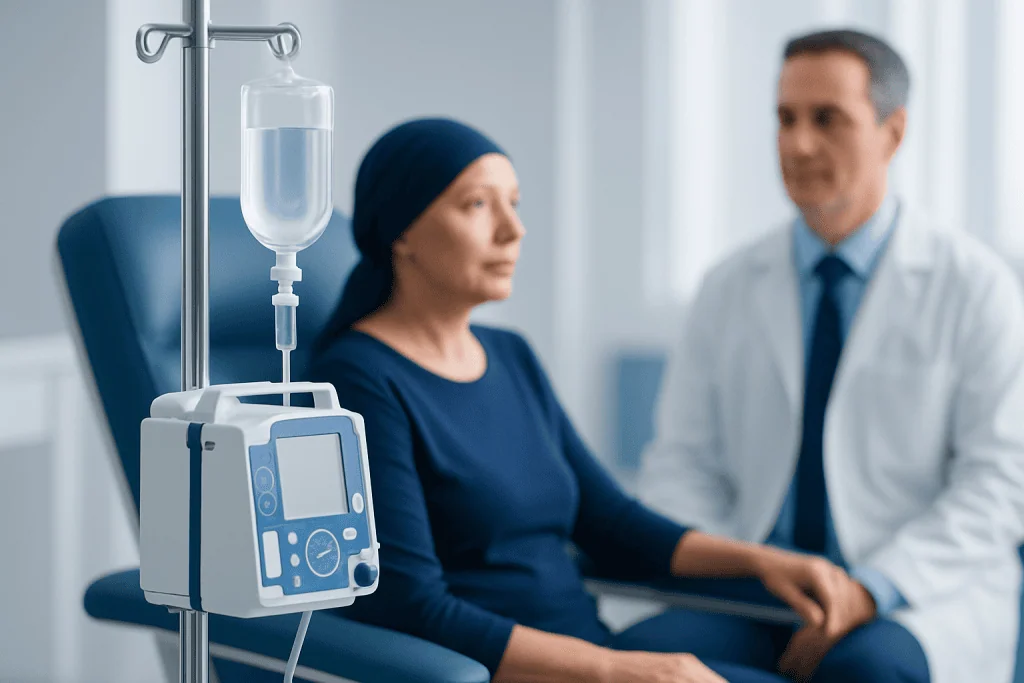
Traditional chemotherapy medicines generally affect cells that divide quickly. Because cancer cells often divide more rapidly than many healthy cells, these drugs can slow or stop cancer growth. However, some normal fast-growing cells, including those in the bone marrow, hair follicles and digestive tract, can also be affected. This explains why side effects such as low blood counts, hair changes or digestive symptoms may occur.
Not every oral anticancer medicine works in this way. Targeted therapies act on particular proteins or pathways that help cancer cells grow and survive. Hormone therapies may block hormones that fuel certain hormone-sensitive cancers. These medicines can still have significant side effects and interactions, even when their action differs from conventional chemotherapy.
Before treatment begins, the oncology team explains the medicine’s purpose, schedule, storage requirements, food instructions and possible interactions. People should not crush, split, open or handle pills differently unless their pharmacist or cancer team specifically says it is safe. For a broader explanation of cancer medicines and personalized planning, cancer treatment options may be discussed with an oncology specialist.
Who may be a candidate for chemo pills?

Chemo pills may be an option for people with certain breast, colorectal, lung, prostate, blood, gastrointestinal and other cancers. The decision is not based simply on whether a person prefers tablets over infusions. It depends on whether an oral medicine has been shown to be effective for that particular cancer and treatment setting.
Doctors also consider kidney and liver function, blood cell counts, heart health where relevant, other medicines, the ability to swallow and absorb medicines, pregnancy status, and the person’s support system. Some oral medicines require very precise schedules, and some need frequent blood tests or monitoring for side effects. A person who has difficulty remembering doses may benefit from practical supports such as a medication calendar, alarms or help from a caregiver.
For some cancers, oral treatment is used after surgery or radiation to reduce recurrence risk. For others, it may be a long-term approach to control advanced disease. Genetic and biomarker testing can sometimes help identify whether a targeted oral medicine is appropriate.
What happens before and during oral chemotherapy?
Before starting chemo pills, the oncology team confirms the diagnosis and treatment goal, reviews medical history and checks current prescriptions, supplements and herbal products. Baseline blood tests are often needed, and some medicines may require heart tests, infection screening or other assessments. The team should provide written instructions on when and how to take each dose.
At home, the medicine should be taken exactly on schedule and with or without food as directed. Doses should not be doubled after a missed dose unless the prescriber specifically instructs otherwise. If vomiting occurs after a dose, the person should contact the cancer team for advice rather than automatically taking another pill. Pills should be stored in their original container, away from children, pets, heat and moisture.
Regular follow-up commonly includes blood tests to assess blood counts and organ function, appointments to review symptoms and adherence, and imaging when needed to assess response. The doctor may pause treatment, reduce a dose or change the schedule if side effects become difficult or test results show that adjustment is needed.
- Keep an up-to-date list of all medicines, vitamins and supplements.
- Use a diary or app to record doses, symptoms and questions.
- Ask the oncology pharmacist before starting any new over-the-counter medicine or supplement.
- Follow specific instructions for missed doses, safe handling and disposal.
How quickly do chemo pills work?
Chemo pills begin acting in the body after they are absorbed, but a person usually cannot feel whether the cancer is responding straight away. Some symptoms caused by cancer may improve within days or weeks, while other responses take longer to become clear. The expected timing depends on the medicine, cancer type, tumor location and treatment goal.
Doctors usually assess effectiveness through a combination of symptoms, physical examinations, blood tests, tumor markers when relevant and imaging scans. A scan may be scheduled after several weeks or treatment cycles rather than immediately. Feeling side effects does not prove that treatment is working, and having few side effects does not mean that it is ineffective.
It is important to continue the medicine as prescribed until the oncology team advises otherwise. If symptoms worsen, new symptoms appear, or a person is concerned that treatment is not helping, they should contact their cancer team rather than stopping pills on their own.
Are chemo pills as strong as chemo?
Yes, chemo pills can be as strong and clinically important as chemotherapy given by infusion. The route of administration does not determine how powerful a cancer medicine is. Some oral medicines have effects and risks similar to intravenous chemotherapy, while others are targeted or hormone treatments with different benefits and side-effect patterns.
Oral therapy is not automatically safer, easier or less intensive than infusion treatment. Because it is taken outside the clinic, the person has an essential role in taking it correctly and recognizing possible adverse effects. Close monitoring remains necessary, particularly for changes in blood counts, diarrhea, dehydration, infection risk, blood pressure, skin reactions or liver and kidney function, depending on the drug.
In some treatment plans, oral and intravenous treatments are used together or at different stages. The most suitable approach is the one supported by evidence for the individual cancer, balanced with the person’s health needs and preferences.
How long can a person stay on chemo pills?
The duration of treatment ranges from a short planned course to many months or longer. Some oral chemotherapy medicines are prescribed for a defined number of cycles after surgery. Others are continued as long as they are controlling the cancer and side effects remain manageable. Hormone therapies and certain targeted treatments may also be taken for extended periods in selected situations.
The oncologist reviews treatment regularly and may adjust the plan based on scans, laboratory results, side effects and quality of life. Taking a temporary break, lowering the dose or switching to another medicine can be appropriate when safety or tolerability becomes an issue. These changes are a normal part of individualized cancer care and should always be made with the treating team.
People should not stop chemo pills simply because they feel well or because symptoms improve. Likewise, they should not continue a medicine beyond the prescribed plan without medical advice. Ongoing communication helps ensure that the benefits and burdens of treatment are reassessed over time.
How does a chemo pill make you feel?
How a chemo pill makes a person feel varies considerably. Some people continue many usual activities with manageable symptoms, while others need more rest or support. Common possible effects include fatigue, nausea, appetite changes, diarrhea or constipation, mouth soreness, skin or nail changes, numbness or tingling, and changes in blood counts. The exact effects depend on the specific medicine.
Some oral treatments can cause less familiar effects, such as hand-foot skin reactions, high blood pressure, changes in liver tests or a higher risk of blood clots. The oncology team will explain the side effects that are most relevant to the prescribed medicine and how to manage them. Supportive medicines, nutrition guidance, hydration and treatment adjustments can often help.
Emotional responses are also common. Managing a cancer medicine at home can bring reassurance for some people and worry for others. A trusted support person, oncology nurse, pharmacist, counselor or support group may help with practical routines and emotional wellbeing.
Benefits, risks and everyday self-care
A key benefit of chemo pills is that they may reduce the need for infusion appointments and allow treatment to fit more easily around daily life. They can avoid repeated needle access and may be effective in settings where an oral medicine is the recommended standard. However, convenience comes with responsibilities: correct timing, safe storage, monitoring and reliable communication with the treatment team.
People should eat and drink according to the advice provided for their medicine, aim for adequate rest, and use infection-prevention measures recommended by their clinicians. They should discuss travel, dental work, vaccines, pregnancy prevention and breastfeeding before making plans, as guidance can vary by drug. Alcohol, grapefruit products and certain supplements can interact with some cancer medicines, so individual advice is important.
Caregivers should avoid unnecessary direct contact with pills. If a dose is dropped, damaged or spilled, the oncology pharmacist can explain safe handling. Unused medicines should be returned through the recommended pharmacy or treatment-center process rather than thrown in household waste or shared with anyone else.
When to seek medical care
People taking chemo pills should contact their oncology team promptly for new or worsening side effects, especially persistent vomiting or diarrhea, poor fluid intake, painful mouth sores, unusual bruising or bleeding, a new rash, worsening fatigue, swelling, severe constipation or pain. The team can advise whether symptoms can be managed at home, whether medication should be held, or whether urgent assessment is needed.
Urgent medical care is needed for fever or chills, trouble breathing, chest pain, confusion, fainting, severe weakness, uncontrolled bleeding, severe allergic symptoms, or sudden severe pain. People should follow the emergency instructions given by their own cancer center, since fever during cancer treatment can require rapid assessment.
Acibadem International’s multidisciplinary specialists in JCI-accredited hospitals support international patients through cancer diagnosis, oral treatment planning and follow-up. Care is individualized, and any new or concerning symptom should be discussed with a qualified oncology professional.
Frequently asked questions
Can chemo pills be taken at home safely?
Yes, when they are prescribed and monitored by an oncology team and taken exactly as instructed. Safe use includes following food and storage directions, attending scheduled tests and reporting side effects early. They should never be shared, crushed or changed without professional advice.
What should a person do if they miss a chemo pill dose?
They should follow the written instructions given for that specific medicine or contact their oncology team or pharmacist. In general, a missed dose should not be doubled unless a clinician explicitly directs this. Recording the missed dose can help the team provide accurate advice.
Can chemo pills cause hair loss?
Some oral chemotherapy drugs can cause hair thinning or hair loss, but this is not expected with every oral cancer medicine. The chance and degree depend on the specific treatment. The oncology team can explain what is most likely with the prescribed medicine and discuss supportive options.
Do chemo pills lower the immune system?
Some chemo pills can lower white blood cell counts and increase infection risk, while others have little effect on immunity. Regular blood tests help the oncology team identify low counts. Fever, chills or other signs of infection should be reported promptly according to the treatment team’s instructions.
Can vitamins or herbal supplements be taken with chemo pills?
Some supplements can change how oral cancer medicines are absorbed or processed, potentially making treatment less effective or increasing side effects. A person should tell the oncology team about every vitamin, herbal product and over-the-counter medicine. They should not start a supplement without checking first.
Are chemo pills used for all cancers?
No. Oral treatment is available for some cancers and clinical situations, but it is not appropriate for every diagnosis. Surgery, radiation, intravenous treatment, immunotherapy, targeted therapy or a combination may be recommended instead. The best approach depends on the cancer’s characteristics and the person’s health.
References
- National Cancer Institute
- American Cancer Society
- European Society for Medical Oncology
- Cancer Research UK
- U.S. Food and Drug Administration
This article is for general information only and is not a substitute for professional medical advice. Please consult a qualified doctor about your individual situation.
Hair transplant in Turkey — costs, graft counts & a free assessment
JCI-accredited · board-certified surgeons · reply within 24h
Add us as a Preferred Source to see more of our trusted health content across Google Search, AI Overviews and Discover.

More from the Health Library



Related Specialists

Prof. Dr. Hanife Altunkaya
Anesthesiology
Dr. Jale Dal Ağca
Gynecology & Obstetrics
Fzt. Cihan Seyyah
Physical Medicine and Rehabilitation
Prof. Dr. Yasemin Ersoy
Clinical Laboratory