Bladder Pain When Coughing Treatment: How It Works, Results and What to Expect

Coughing raises pressure inside the abdomen and pelvis, which can trigger pain when the bladder or surrounding tissues are irritated. A urine test and clinical assessment are often the first steps in finding the cause.
Key Takeaways
- Coughing raises pressure inside the abdomen and pelvis, which can trigger pain when the bladder or surrounding tissues are irritated.
- A urine test and clinical assessment are often the first steps in finding the cause.
- Treatment may involve treating an infection, improving pelvic floor function, addressing constipation, changing bladder irritants, or treating stones or other conditions.
- Urine leakage with coughing is common and differs from pain, although both can occur together.
- Urgent assessment is important for fever, flank pain, visible blood in urine, inability to pass urine, severe pain, or pregnancy-related urinary symptoms.
Bladder pain when coughing is not a diagnosis itself. Treatment is guided by the underlying cause, which may include a urinary infection, pelvic floor muscle problems, bladder irritation, stones, or—less commonly—another urinary tract condition.
Overview: What bladder pain when coughing may mean
Bladder pain when coughing treatment starts with identifying why coughing triggers discomfort. A cough briefly increases pressure in the abdomen and pelvis. If the bladder lining, urinary tract, pelvic floor muscles, or nearby organs are inflamed or sensitive, that pressure can cause aching, pressure, burning, or a sharp pain low in the abdomen.
Some people use the word “bladder” to describe discomfort in the lower belly or pelvis. The source may truly be the bladder, but it may also involve the urethra, pelvic floor, bowel, reproductive organs, or abdominal wall. For this reason, treatment should be based on symptoms, examination findings, and, when needed, urine testing or imaging rather than on the symptom alone.
Bladder pain is different from stress urinary incontinence, in which urine leaks during coughing, laughing, lifting, or exercise. Leakage can occur without pain. However, pelvic floor weakness, chronic coughing, and urinary irritation may contribute to both symptoms in some people.
How coughing can trigger bladder-area pain
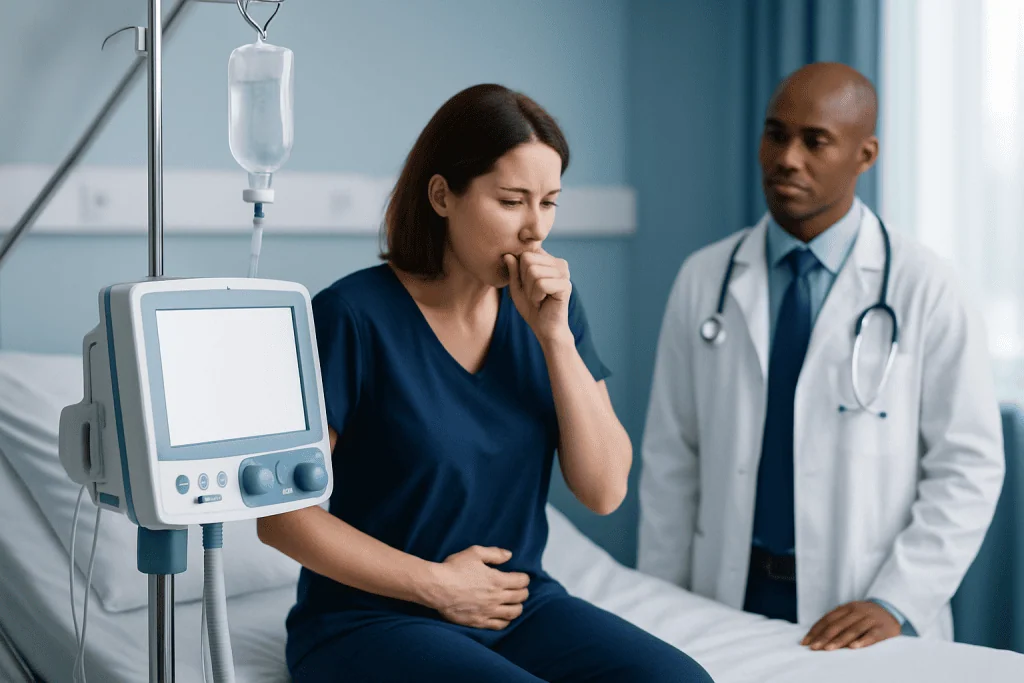
Coughing activates the diaphragm and abdominal muscles, rapidly increasing intra-abdominal pressure. This pressure is transmitted to the bladder and pelvic floor. A healthy bladder usually tolerates these brief changes without pain, particularly when it is not overly full.
When the bladder is inflamed, as can happen with a urinary tract infection, pain may be more noticeable as the bladder fills or is compressed. A cough can also strain tender pelvic floor muscles. Muscle tightness, spasm, weakness, or poor coordination may create pelvic pressure and urinary symptoms that are felt as bladder pain.
Other possible explanations include bladder stones, constipation that puts pressure on the bladder, irritation from concentrated urine, or conditions affecting nearby pelvic structures. Persistent symptoms deserve assessment because treatment differs substantially between these causes.
- Burning during urination and frequent urges may suggest urinary tract irritation or infection.
- Pelvic pressure, pain with intercourse, or pain after prolonged sitting may point toward pelvic floor involvement.
- Severe cramping pain, blood in urine, or pain moving toward the side or back may require evaluation for stones or another urinary tract problem.
Assessment and candidacy for treatment

Most people begin with a consultation with a primary care clinician, urologist, gynecologist, or urogynecologist. The clinician will ask when the pain occurs, whether it is related to urination or bladder filling, and whether there are symptoms such as urgency, leakage, fever, bowel changes, vaginal symptoms, or blood in the urine.
A urine sample is commonly checked for infection, blood, and other abnormalities. Depending on the history, examination may include a gentle abdominal, pelvic, or prostate examination. Pregnancy testing, tests for sexually transmitted infections, bladder ultrasound, kidney imaging, or cystoscopy may be considered in selected cases.
People are candidates for a particular treatment only after likely causes have been considered. For example, antibiotics may be appropriate for a confirmed bacterial urinary infection but do not treat pelvic floor muscle dysfunction. Similarly, pelvic floor rehabilitation can be valuable for muscle-related symptoms but should not delay care for fever, obstruction, or suspected kidney stones.
A clinician may also review medicines, fluid intake, bowel habits, smoking, menopause-related changes, prior pelvic surgery, neurologic conditions, and chronic cough. This broader review helps identify factors that may be maintaining the symptoms.
Treatment options: how they work and what to expect
Treatment is cause-specific. If testing supports a urinary tract infection, a clinician may prescribe an appropriate antimicrobial medicine and advise hydration as tolerated. Symptoms often begin to improve after treatment starts, but the full course should be taken exactly as prescribed. Reassessment is important if symptoms fail to improve, return quickly, or are accompanied by fever or worsening pain.
For pelvic floor-related pain, a specialist pelvic floor physiotherapist may assess muscle strength, relaxation, posture, breathing, and coordination. Therapy may include education, tailored exercises, relaxation techniques, manual treatment where appropriate, and bladder habit training. Importantly, not every person benefits from simply doing more Kegel exercises; overactive or tight muscles may need relaxation and coordination work first.
Reducing bladder irritation may also help. A clinician may suggest regular fluid intake, avoiding dehydration, addressing constipation, and temporarily limiting individual triggers such as caffeine, alcohol, acidic drinks, or spicy foods if these consistently worsen symptoms. These changes are supportive measures and do not replace evaluation for infection or other medical conditions.
If a stone, anatomical problem, persistent bladder disorder, or significant urine leakage is identified, treatment may involve medicines, minimally invasive procedures, or surgery. For symptoms linked to stress urinary incontinence, options can range from supervised pelvic floor therapy to urinary incontinence treatment tailored to the person’s severity, goals, and overall health.
What a procedure pathway may involve
Not everyone with bladder pain when coughing needs a procedure. Procedures are usually considered when testing finds a condition that is unlikely to resolve with conservative care, such as a bladder stone, urinary blockage, certain structural problems, or persistent symptoms requiring direct inspection of the bladder.
One diagnostic procedure is cystoscopy, in which a clinician passes a thin camera through the urethra to view the bladder lining. It may be recommended for recurrent blood in the urine, recurring unexplained symptoms, suspected stones, or concern about a structural issue. Local anesthetic, sedation, or anesthesia may be used depending on the setting and planned intervention.
When a stone or another treatable finding is present, a procedure can sometimes be performed during the same pathway or planned separately. The exact steps, anesthesia, expected benefit, alternatives, and recovery period depend on the diagnosis. The clinician should explain why a procedure is being considered and what it can and cannot address.
Acibadem International’s multidisciplinary specialists and JCI-accredited hospitals can assess urinary and pelvic symptoms and coordinate care for international patients when appropriate.
Recovery, benefits and possible risks
Recovery depends on the treatment used. With conservative care such as hydration changes, constipation management, and pelvic floor rehabilitation, improvement is often gradual and may require several visits and regular home practice. Infection-related symptoms may improve sooner when the correct treatment is started, although persistent discomfort should be reviewed.
After cystoscopy or another urinary procedure, temporary burning during urination, urinary frequency, or a small amount of blood in the urine can occur. Care teams provide individual instructions about fluids, activity, pain relief, and warning signs. Recovery can be longer after a more extensive stone or continence procedure.
The possible benefits of appropriate treatment include less pain with coughing or bladder filling, fewer urinary symptoms, improved activity and sleep, and better confidence in daily life. Risks vary by approach. Medicines can cause side effects or may not be appropriate for every person; procedures may carry risks such as bleeding, infection, pain, urinary retention, or need for further treatment.
Follow-up is important when symptoms recur. Repeated antibiotic use without evidence of infection should be avoided, as it may cause side effects and contribute to antimicrobial resistance while leaving the actual cause untreated.
Self-care while arranging assessment
Until medical advice is available, it may help to drink fluids regularly enough to avoid very concentrated urine, unless a clinician has advised fluid restriction for another condition. Emptying the bladder when needed rather than holding urine for long periods may reduce pressure-related discomfort. Avoiding straining during bowel movements and treating constipation can also reduce pelvic pressure.
Keeping a short symptom diary can be useful. It may include the timing of pain, cough severity, fluid intake, foods or drinks that seem to aggravate symptoms, urination frequency, leakage, bowel habits, menstrual timing where relevant, and any fever or visible blood in the urine. This information can make the clinical assessment more precise.
People should avoid starting leftover antibiotics or using unverified remedies for persistent urinary pain. Over-the-counter pain relief may be suitable for some people, but choice and safety depend on other health conditions, pregnancy status, allergies, and current medicines. A pharmacist or clinician can advise.
When to seek medical care
Medical care should be sought promptly for bladder pain that persists for more than a short time, recurs, or affects normal activities. An appointment is particularly important when pain is associated with painful urination, new urinary urgency, frequent urination, leakage, pelvic pressure, or recurrent suspected infections.
Urgent medical assessment is needed for fever or chills, severe lower abdominal pain, pain in the side or back, nausea or vomiting, visible blood in the urine, inability to pass urine, confusion, or rapidly worsening symptoms. These signs can indicate an infection or obstruction that needs timely care.
Pregnant people, children, older adults, people with diabetes or a weakened immune system, and those with known kidney disease should seek clinical advice early for urinary symptoms. A qualified clinician can determine whether the pain relates to the bladder or another condition and recommend safe, individualized treatment.
Frequently asked questions
Why does my bladder hurt only when I cough?
Coughing briefly increases pressure in the abdomen and pelvis, which can make an irritated bladder or tender pelvic floor muscles hurt. A full bladder, urinary infection, constipation, stones, or pelvic conditions may make this sensation more noticeable. An assessment can help identify the source of pain.
Can a urinary tract infection cause bladder pain when coughing?
Yes. A urinary tract infection can inflame the bladder and cause lower abdominal discomfort, burning during urination, urgency, and frequent urination. Coughing may make the inflamed area feel more painful, but urine testing is usually needed to confirm infection.
Is urine leakage when coughing the same as bladder pain?
No. Leakage with coughing is commonly stress urinary incontinence, caused by pressure on the bladder and urethra during a cough. It may occur without pain, although both leakage and pain can be present if there is another urinary or pelvic floor issue.
Will pelvic floor exercises help bladder pain when coughing?
They may help when symptoms are related to pelvic floor weakness or poor muscle coordination. However, some people have overly tight or painful pelvic floor muscles, and repeated strengthening exercises may not be the right first approach. A pelvic floor physiotherapist can recommend the most suitable program.
How long does treatment take to work?
The timeframe depends on the cause. Symptoms from a properly treated bacterial urinary infection may start to improve within a short period, while pelvic floor rehabilitation usually requires consistent work over weeks or longer. Persistent or worsening symptoms should be reviewed rather than managed alone.
When is bladder pain when coughing an emergency?
Urgent care is needed if pain occurs with fever, chills, severe pain, vomiting, pain in the side or back, visible blood in urine, or inability to urinate. These symptoms may indicate a more serious infection, a stone, or obstruction. Pregnant people and those with significant medical conditions should seek advice early for urinary symptoms.
References
- National Institute of Diabetes and Digestive and Kidney Diseases
- American Urological Association
- National Health Service
- Mayo Clinic
- European Association of Urology
This article is for general information only and is not a substitute for professional medical advice. Please consult a qualified doctor about your individual situation.
Persistent digestive symptoms? Get evaluated in Turkey
JCI-accredited · board-certified surgeons · reply within 24h
Add us as a Preferred Source to see more of our trusted health content across Google Search, AI Overviews and Discover.